
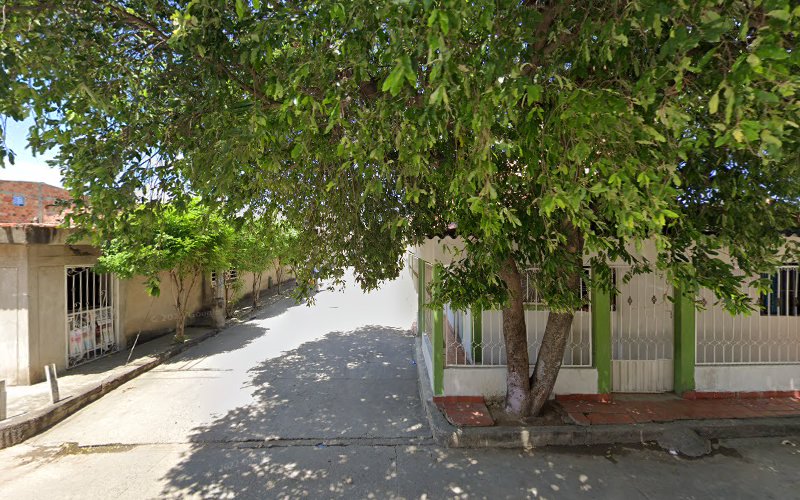
Mural litúrgico
About Mural litúrgico
Description
The Mural Litúrgico is one of those places that quietly surprises you. It’s not the kind of attraction that screams for attention, yet it holds a magnetic pull for travelers who appreciate art, faith, and a touch of mystery. Tucked in the heart of Cúcuta, this large-scale mural is more than just paint on a wall—it’s a story told through color, texture, and spiritual symbolism. Every brushstroke seems to whisper something about the city’s devotion, its culture, and the people who’ve kept their traditions alive through the years.
When I first saw it, I remember thinking how still everything felt—like time paused just long enough for me to take it all in. The mural’s intricate details draw you in; you can almost feel the artist’s intent behind each figure and pattern. It’s not flashy or overdone, and that’s part of its charm. Locals often pass by without a second glance, but for a traveler, it’s a moment of stillness in an otherwise lively city.
The atmosphere around the Mural Litúrgico carries a quiet reverence. Families stop by after church, children point out the bright details, and older visitors often stand in silence, lost in thought. It’s accessible to everyone—literally and figuratively. The entrance is wheelchair-friendly, and the open space makes it easy for kids and groups to move around comfortably. Whether you’re religious or not, there’s something deeply human about standing before art that was clearly made with intention and care.
What makes this mural so special isn’t just its religious undertones—it’s how it manages to connect people. You don’t need to understand theology or art theory to appreciate it. You just need to be present. And maybe that’s the beauty of it: it reminds you to slow down, to look closer, and to find meaning in the details we often overlook.
Key Features
- Spiritual and artistic fusion: The mural combines religious themes with modern artistic elements, creating a visual dialogue between faith and creativity.
- Accessibility: The site offers a wheelchair-accessible entrance, making it easy for everyone to experience the artwork up close.
- Family-friendly environment: The area is safe, open, and suitable for children, allowing families to explore together without hassle.
- Photogenic location: The mural’s scale and color palette make it a fantastic spot for photography—especially during the golden hours.
- Local cultural significance: It reflects the community’s devotion and artistic heritage, giving visitors insight into Cúcuta’s cultural identity.
- Peaceful surroundings: Despite being in a bustling area, the space around the mural feels calm and reflective—ideal for travelers seeking a quiet moment.
Best Time to Visit
If you ask locals, they’ll tell you mornings are best. The light hits the mural just right around 8 or 9 a.m., highlighting every shade and texture in the artwork. It’s also quieter then—fewer crowds, cooler air, and a sense of freshness that makes the experience more personal. Late afternoons can be lovely too, especially when the sun begins to dip and the colors seem to soften into warm tones.
Avoid midday if you can. The heat in Cúcuta can be intense, and standing in direct sunlight for too long might make it hard to enjoy the details. Sundays, though busier, add a unique energy; you’ll see families dressed in their best, children laughing, and the occasional street vendor selling snacks nearby. It’s a glimpse into community life that feels authentic and unfiltered.
If you’re into photography or sketching, plan your visit on a weekday morning. The lighting is perfect for capturing the mural’s depth, and you’ll have space to take your time without feeling rushed. And if you’re lucky, you might even catch a local artist painting nearby—Cúcuta has a growing art scene, and inspiration seems to gather here like a quiet hum.
How to Get There
Getting to the Mural Litúrgico is straightforward, though it depends on how you like to travel. If you’re staying in central Cúcuta, a short taxi or rideshare trip will get you there in under ten minutes. Public buses also pass nearby, and locals are usually happy to point you in the right direction if you ask (and they’ll probably tell you to try some local empanadas along the way).
For those who prefer walking, the route offers a pleasant glimpse of everyday life in the city—street vendors, small cafés, and the occasional burst of music from a nearby shop. Just remember to bring water and a hat; the Colombian sun doesn’t play around. If you’re driving, parking is generally available on nearby streets, though it can get busy during weekends or holidays.
And here’s a small tip from experience: use the mural as a starting point for exploring the area. There are other cultural spots, small galleries, and even a few hidden coffee shops within walking distance. It’s one of those neighborhoods that rewards curiosity.
Tips for Visiting
Here’s the thing about the Mural Litúrgico—it’s not just a place to see, it’s a place to feel. To really appreciate it, slow down. Don’t rush through with your camera out the whole time. Take a few minutes to stand still, breathe, and notice the smaller details: the way the colors blend, the faint wear on the paint, the expressions in the figures. It’s in those details that the mural tells its story.
A few practical tips to make your visit smoother:
- Go early or late: The light is softer, the heat is manageable, and you’ll have the space mostly to yourself.
- Bring water and sunscreen: Even short visits can feel long under the sun.
- Respect the space: It’s a sacred-themed artwork, so keep noise low and avoid touching the mural.
- Talk to locals: They often have stories about the mural’s creation or the artist behind it—stories you won’t find in guidebooks.
- Take breaks nearby: There are small cafés and benches around where you can sit, reflect, and maybe even chat with other travelers.
Personally, I found that visiting the Mural Litúrgico reminded me why I love traveling in the first place. It’s not about checking off landmarks; it’s about those unexpected moments when art, culture, and human connection overlap. You walk away not just with photos, but with a sense of calm and perspective that lingers long after you’ve left.
So if you find yourself in Cúcuta, carve out an hour or two for this quiet gem. It might not be the most famous attraction in Colombia, but it has a way of leaving an impression that feels deeply personal. And honestly, that’s the kind of travel memory that stays with you.
Key Features
- Key Features
- Best Time to Visit
- How to Get There
- Tips for Visiting
More Details
Updated November 7, 2025
Table of Contents
Description
The Mural Litúrgico is one of those places that quietly surprises you. It’s not the kind of attraction that screams for attention, yet it holds a magnetic pull for travelers who appreciate art, faith, and a touch of mystery. Tucked in the heart of Cúcuta, this large-scale mural is more than just paint on a wall—it’s a story told through color, texture, and spiritual symbolism. Every brushstroke seems to whisper something about the city’s devotion, its culture, and the people who’ve kept their traditions alive through the years.
When I first saw it, I remember thinking how still everything felt—like time paused just long enough for me to take it all in. The mural’s intricate details draw you in; you can almost feel the artist’s intent behind each figure and pattern. It’s not flashy or overdone, and that’s part of its charm. Locals often pass by without a second glance, but for a traveler, it’s a moment of stillness in an otherwise lively city.
The atmosphere around the Mural Litúrgico carries a quiet reverence. Families stop by after church, children point out the bright details, and older visitors often stand in silence, lost in thought. It’s accessible to everyone—literally and figuratively. The entrance is wheelchair-friendly, and the open space makes it easy for kids and groups to move around comfortably. Whether you’re religious or not, there’s something deeply human about standing before art that was clearly made with intention and care.
What makes this mural so special isn’t just its religious undertones—it’s how it manages to connect people. You don’t need to understand theology or art theory to appreciate it. You just need to be present. And maybe that’s the beauty of it: it reminds you to slow down, to look closer, and to find meaning in the details we often overlook.
Key Features
- Spiritual and artistic fusion: The mural combines religious themes with modern artistic elements, creating a visual dialogue between faith and creativity.
- Accessibility: The site offers a wheelchair-accessible entrance, making it easy for everyone to experience the artwork up close.
- Family-friendly environment: The area is safe, open, and suitable for children, allowing families to explore together without hassle.
- Photogenic location: The mural’s scale and color palette make it a fantastic spot for photography—especially during the golden hours.
- Local cultural significance: It reflects the community’s devotion and artistic heritage, giving visitors insight into Cúcuta’s cultural identity.
- Peaceful surroundings: Despite being in a bustling area, the space around the mural feels calm and reflective—ideal for travelers seeking a quiet moment.
Best Time to Visit
If you ask locals, they’ll tell you mornings are best. The light hits the mural just right around 8 or 9 a.m., highlighting every shade and texture in the artwork. It’s also quieter then—fewer crowds, cooler air, and a sense of freshness that makes the experience more personal. Late afternoons can be lovely too, especially when the sun begins to dip and the colors seem to soften into warm tones.
Avoid midday if you can. The heat in Cúcuta can be intense, and standing in direct sunlight for too long might make it hard to enjoy the details. Sundays, though busier, add a unique energy; you’ll see families dressed in their best, children laughing, and the occasional street vendor selling snacks nearby. It’s a glimpse into community life that feels authentic and unfiltered.
If you’re into photography or sketching, plan your visit on a weekday morning. The lighting is perfect for capturing the mural’s depth, and you’ll have space to take your time without feeling rushed. And if you’re lucky, you might even catch a local artist painting nearby—Cúcuta has a growing art scene, and inspiration seems to gather here like a quiet hum.
How to Get There
Getting to the Mural Litúrgico is straightforward, though it depends on how you like to travel. If you’re staying in central Cúcuta, a short taxi or rideshare trip will get you there in under ten minutes. Public buses also pass nearby, and locals are usually happy to point you in the right direction if you ask (and they’ll probably tell you to try some local empanadas along the way).
For those who prefer walking, the route offers a pleasant glimpse of everyday life in the city—street vendors, small cafés, and the occasional burst of music from a nearby shop. Just remember to bring water and a hat; the Colombian sun doesn’t play around. If you’re driving, parking is generally available on nearby streets, though it can get busy during weekends or holidays.
And here’s a small tip from experience: use the mural as a starting point for exploring the area. There are other cultural spots, small galleries, and even a few hidden coffee shops within walking distance. It’s one of those neighborhoods that rewards curiosity.
Tips for Visiting
Here’s the thing about the Mural Litúrgico—it’s not just a place to see, it’s a place to feel. To really appreciate it, slow down. Don’t rush through with your camera out the whole time. Take a few minutes to stand still, breathe, and notice the smaller details: the way the colors blend, the faint wear on the paint, the expressions in the figures. It’s in those details that the mural tells its story.
A few practical tips to make your visit smoother:
- Go early or late: The light is softer, the heat is manageable, and you’ll have the space mostly to yourself.
- Bring water and sunscreen: Even short visits can feel long under the sun.
- Respect the space: It’s a sacred-themed artwork, so keep noise low and avoid touching the mural.
- Talk to locals: They often have stories about the mural’s creation or the artist behind it—stories you won’t find in guidebooks.
- Take breaks nearby: There are small cafés and benches around where you can sit, reflect, and maybe even chat with other travelers.
Personally, I found that visiting the Mural Litúrgico reminded me why I love traveling in the first place. It’s not about checking off landmarks; it’s about those unexpected moments when art, culture, and human connection overlap. You walk away not just with photos, but with a sense of calm and perspective that lingers long after you’ve left.
So if you find yourself in Cúcuta, carve out an hour or two for this quiet gem. It might not be the most famous attraction in Colombia, but it has a way of leaving an impression that feels deeply personal. And honestly, that’s the kind of travel memory that stays with you.
Key Highlights
- Key Features
- Best Time to Visit
- How to Get There
- Tips for Visiting
Location
Places to Stay Near Mural litúrgico
Find and Book a Tour
Explore More Travel Guides
No reviews found! Be the first to review!
Traveler Reviews for Mural litúrgico
There are no reviews yet. Be the first one to write one.
Have you visited Mural litúrgico? Help other travelers by sharing your review.
You Might Also Like
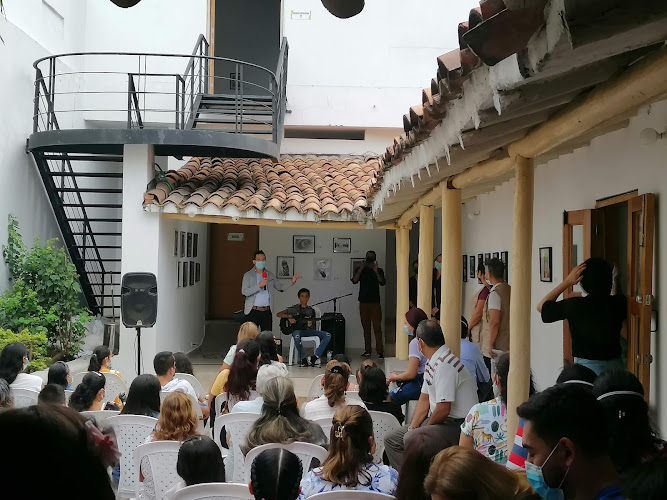
Museo Norte de Santander y ciudad de Cucuta.
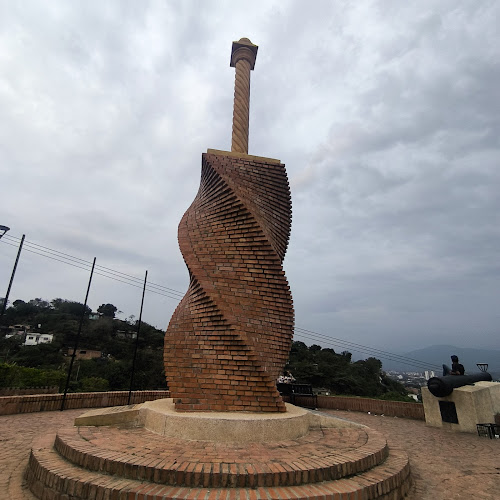
Monument Battle of Cúcuta
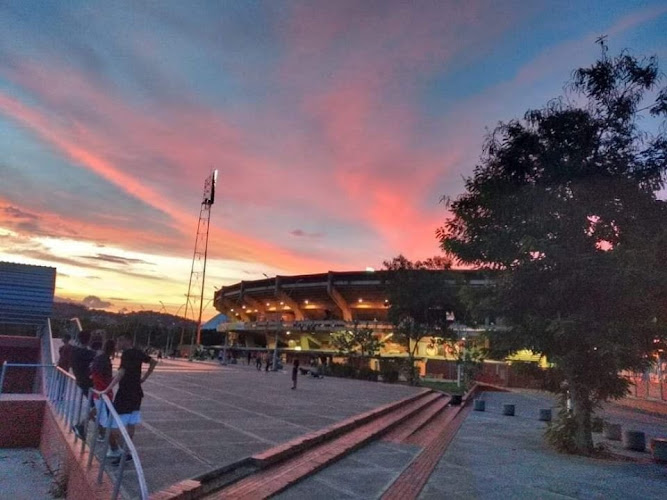
Plaza de Banderas
Find Accommodations Nearby
Recommended Tours & Activities
Visitor Reviews
There are no reviews yet. Be the first one to write one.
Share Your Experience
Have you visited Mural litúrgico? Help other travelers by leaving a review.