
Omori Nori Museum
About Omori Nori Museum
Description
The Omori Nori Museum in Tokyo is one of those places that quietly surprise you. It’s not flashy or overly polished, but it’s full of heart, history, and the salty scent of Tokyo Bay’s past. This small museum tells the story of nori — yes, that thin, crispy seaweed that wraps your sushi — and the people who built their lives around harvesting it. The museum was established to preserve the long tradition of seaweed farming that once thrived along the Omori coast, from the Edo period right up to the 1960s when urban development gradually pushed it out.
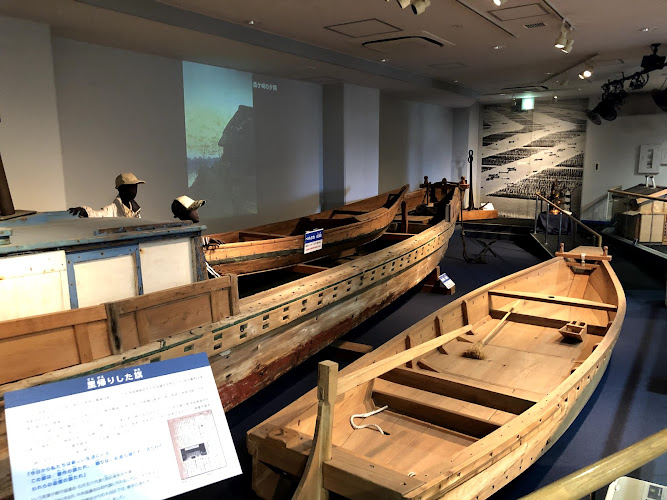
What makes this museum special isn’t just the exhibits (though the dioramas and the old noribune, or seaweed boat, are genuinely fascinating). It’s the feeling that you’re stepping into a living memory. You can almost imagine the fishermen rowing out at dawn, the smell of the sea, and the rhythmic movements of families drying sheets of nori in the cold winter air. It’s humble, yes, but deeply human. And that’s what makes it worth visiting.
The museum sits inside a peaceful park with a manmade beach and open fields — perfect for a picnic or a lazy afternoon stroll after exploring. It’s free to enter, which is rare in Tokyo, and it’s surprisingly engaging for both kids and adults. There’s even a hands-on workshop where visitors can try making their own nori sheets (you’ll need a reservation for that). I once joined one of these sessions, and let me tell you, it’s trickier than it looks — balancing the seaweed slurry on the bamboo frame takes patience and a gentle touch. But when your sheet dries and you hold it up to the light, there’s this quiet satisfaction that makes the whole thing worth it.
While it’s not a massive museum, it’s beautifully curated. The first floor has a short introductory video (with English subtitles), while upstairs you’ll find models, tools, and photos showing how seaweed cultivation evolved over time. The staff are friendly and genuinely love sharing stories about Omori’s maritime heritage. It’s one of those places where you leave feeling like you’ve learned something meaningful — not just about food, but about the resilience of a community.
Key Features
- Free admission for all visitors, making it an accessible cultural stop in Tokyo
- Interactive nori-making workshops available by reservation (great for families and school groups)
- Detailed exhibits showcasing traditional seaweed farming tools, boats, and methods from the Edo period to modern times
- English-language materials and videos to help international visitors understand the displays
- Located within a scenic park featuring a manmade beach and open grassy areas
- Wheelchair-accessible facilities, including restrooms and parking
- Family-friendly environment with plenty of space for children to play nearby
- Seasonal events like winter nori-making experiences and summer nature observation programs
Best Time to Visit
If you’re planning a visit, timing can make a big difference. Personally, I think late autumn or early winter is the sweet spot. The air is crisp, the park’s trees are turning shades of amber and gold, and if you’re lucky, you might catch one of the nori-making workshops that run during the colder months. There’s something poetic about learning how seaweed was once cultivated while feeling that same chill the original farmers worked through.
Spring is also lovely — the nearby park bursts into bloom, and families come out to enjoy the sunshine. Summer tends to be busier, especially when the museum hosts its nature observation events for kids. If you prefer a quieter experience, aim for a weekday morning. You’ll have the exhibits mostly to yourself, and you can take your time reading the panels or chatting with the staff without feeling rushed.
How to Get There
Getting to the Omori Nori Museum is fairly straightforward, even if you’re not a Tokyo local. The museum is located in Ota City, not far from Omori Station on the JR Keihin-Tohoku Line. From the station, it’s about a 15-minute walk or a short bus ride. If you’re coming from Haneda Airport, it’s an easy trip — you can reach it in under 30 minutes by train or taxi.
What I love about this location is that it feels tucked away from the chaos of central Tokyo, yet it’s still completely accessible. The surrounding park has on-site parking if you’re driving, and the walk from the station is pleasant, especially on a sunny day. You’ll pass through quiet residential streets and eventually spot the museum’s modern, glassy building amid the greenery. It’s the kind of place that makes you slow down and appreciate the smaller details — the sound of kids playing, the smell of the sea breeze drifting in from the bay.
Tips for Visiting
Here’s the thing about the Omori Nori Museum — it’s not a “check it off your list” kind of attraction. It’s more of a slow, immersive experience. So give yourself time. Don’t rush through the exhibits. Watch the video, read the captions, and really look at the old photos. You’ll start to notice how much craftsmanship and care went into something as simple as a sheet of seaweed.
If you’re traveling with kids, definitely sign up for the nori-making workshop in advance. These sessions fill up quickly, especially on weekends and during school holidays. Bring a small towel or wipes — things can get a bit messy when you’re working with wet seaweed pulp. And if you’re visiting in summer, pack some sunscreen and water because the park outside can get quite warm.
Accessibility-wise, the museum does an excellent job. It’s fully wheelchair accessible, with ramps, restrooms, and even wheelchair rentals available. There’s also a gender-neutral restroom, which is a thoughtful touch. While there’s no restaurant inside, you can easily bring your own snacks or grab something from nearby cafes and enjoy a picnic in the park afterward — that’s what I usually do.
One more tip: take a stroll down to the manmade beach after your visit. It’s not for swimming, but it’s peaceful and offers a nice view of the bay. If you’re into photography, the late afternoon light there is beautiful — soft, golden, and perfect for capturing a few serene shots.
Overall, the Omori Nori Museum may not be one of Tokyo’s headline attractions, but it’s a gem for anyone interested in local culture, traditional industries, or just a quiet break from the city’s rush. It’s the kind of place that reminds you how deeply food, nature, and human stories intertwine. And honestly, that’s the kind of travel experience that sticks with you long after you’ve left.
Key Features
- Free admission for all visitors, making it an accessible cultural stop in Tokyo
- Interactive nori-making workshops available by reservation (great for families and school groups)
- Detailed exhibits showcasing traditional seaweed farming tools, boats, and methods from the Edo period to modern times
- English-language materials and videos to help international visitors understand the displays
- Located within a scenic park featuring a manmade beach and open grassy areas
- Wheelchair-accessible facilities, including restrooms and parking
- Family-friendly environment with plenty of space for children to play nearby
- Seasonal events like winter nori-making experiences and summer nature observation programs
More Details
Updated November 7, 2025
Table of Contents
Description
The Omori Nori Museum in Tokyo is one of those places that quietly surprise you. It’s not flashy or overly polished, but it’s full of heart, history, and the salty scent of Tokyo Bay’s past. This small museum tells the story of nori — yes, that thin, crispy seaweed that wraps your sushi — and the people who built their lives around harvesting it. The museum was established to preserve the long tradition of seaweed farming that once thrived along the Omori coast, from the Edo period right up to the 1960s when urban development gradually pushed it out.
What makes this museum special isn’t just the exhibits (though the dioramas and the old noribune, or seaweed boat, are genuinely fascinating). It’s the feeling that you’re stepping into a living memory. You can almost imagine the fishermen rowing out at dawn, the smell of the sea, and the rhythmic movements of families drying sheets of nori in the cold winter air. It’s humble, yes, but deeply human. And that’s what makes it worth visiting.
The museum sits inside a peaceful park with a manmade beach and open fields — perfect for a picnic or a lazy afternoon stroll after exploring. It’s free to enter, which is rare in Tokyo, and it’s surprisingly engaging for both kids and adults. There’s even a hands-on workshop where visitors can try making their own nori sheets (you’ll need a reservation for that). I once joined one of these sessions, and let me tell you, it’s trickier than it looks — balancing the seaweed slurry on the bamboo frame takes patience and a gentle touch. But when your sheet dries and you hold it up to the light, there’s this quiet satisfaction that makes the whole thing worth it.
While it’s not a massive museum, it’s beautifully curated. The first floor has a short introductory video (with English subtitles), while upstairs you’ll find models, tools, and photos showing how seaweed cultivation evolved over time. The staff are friendly and genuinely love sharing stories about Omori’s maritime heritage. It’s one of those places where you leave feeling like you’ve learned something meaningful — not just about food, but about the resilience of a community.
Key Features
- Free admission for all visitors, making it an accessible cultural stop in Tokyo
- Interactive nori-making workshops available by reservation (great for families and school groups)
- Detailed exhibits showcasing traditional seaweed farming tools, boats, and methods from the Edo period to modern times
- English-language materials and videos to help international visitors understand the displays
- Located within a scenic park featuring a manmade beach and open grassy areas
- Wheelchair-accessible facilities, including restrooms and parking
- Family-friendly environment with plenty of space for children to play nearby
- Seasonal events like winter nori-making experiences and summer nature observation programs
Best Time to Visit
If you’re planning a visit, timing can make a big difference. Personally, I think late autumn or early winter is the sweet spot. The air is crisp, the park’s trees are turning shades of amber and gold, and if you’re lucky, you might catch one of the nori-making workshops that run during the colder months. There’s something poetic about learning how seaweed was once cultivated while feeling that same chill the original farmers worked through.
Spring is also lovely — the nearby park bursts into bloom, and families come out to enjoy the sunshine. Summer tends to be busier, especially when the museum hosts its nature observation events for kids. If you prefer a quieter experience, aim for a weekday morning. You’ll have the exhibits mostly to yourself, and you can take your time reading the panels or chatting with the staff without feeling rushed.
How to Get There
Getting to the Omori Nori Museum is fairly straightforward, even if you’re not a Tokyo local. The museum is located in Ota City, not far from Omori Station on the JR Keihin-Tohoku Line. From the station, it’s about a 15-minute walk or a short bus ride. If you’re coming from Haneda Airport, it’s an easy trip — you can reach it in under 30 minutes by train or taxi.
What I love about this location is that it feels tucked away from the chaos of central Tokyo, yet it’s still completely accessible. The surrounding park has on-site parking if you’re driving, and the walk from the station is pleasant, especially on a sunny day. You’ll pass through quiet residential streets and eventually spot the museum’s modern, glassy building amid the greenery. It’s the kind of place that makes you slow down and appreciate the smaller details — the sound of kids playing, the smell of the sea breeze drifting in from the bay.
Tips for Visiting
Here’s the thing about the Omori Nori Museum — it’s not a “check it off your list” kind of attraction. It’s more of a slow, immersive experience. So give yourself time. Don’t rush through the exhibits. Watch the video, read the captions, and really look at the old photos. You’ll start to notice how much craftsmanship and care went into something as simple as a sheet of seaweed.
If you’re traveling with kids, definitely sign up for the nori-making workshop in advance. These sessions fill up quickly, especially on weekends and during school holidays. Bring a small towel or wipes — things can get a bit messy when you’re working with wet seaweed pulp. And if you’re visiting in summer, pack some sunscreen and water because the park outside can get quite warm.
Accessibility-wise, the museum does an excellent job. It’s fully wheelchair accessible, with ramps, restrooms, and even wheelchair rentals available. There’s also a gender-neutral restroom, which is a thoughtful touch. While there’s no restaurant inside, you can easily bring your own snacks or grab something from nearby cafes and enjoy a picnic in the park afterward — that’s what I usually do.
One more tip: take a stroll down to the manmade beach after your visit. It’s not for swimming, but it’s peaceful and offers a nice view of the bay. If you’re into photography, the late afternoon light there is beautiful — soft, golden, and perfect for capturing a few serene shots.
Overall, the Omori Nori Museum may not be one of Tokyo’s headline attractions, but it’s a gem for anyone interested in local culture, traditional industries, or just a quiet break from the city’s rush. It’s the kind of place that reminds you how deeply food, nature, and human stories intertwine. And honestly, that’s the kind of travel experience that sticks with you long after you’ve left.
Key Highlights
- Free admission for all visitors, making it an accessible cultural stop in Tokyo
- Interactive nori-making workshops available by reservation (great for families and school groups)
- Detailed exhibits showcasing traditional seaweed farming tools, boats, and methods from the Edo period to modern times
- English-language materials and videos to help international visitors understand the displays
- Located within a scenic park featuring a manmade beach and open grassy areas
- Wheelchair-accessible facilities, including restrooms and parking
- Family-friendly environment with plenty of space for children to play nearby
- Seasonal events like winter nori-making experiences and summer nature observation programs
Location
Places to Stay Near Omori Nori Museum
Find and Book a Tour
Explore More Travel Guides
No reviews found! Be the first to review!
Traveler Reviews for Omori Nori Museum
There are no reviews yet. Be the first one to write one.
Have you visited Omori Nori Museum? Help other travelers by sharing your review.
You Might Also Like

Heiwa-no-mori Park

Haneda Airport Terminal 1 Observation Deck

Hommon-ji Gojunoto (Five Story Pagoda)
Find Accommodations Nearby
Recommended Tours & Activities
Visitor Reviews
There are no reviews yet. Be the first one to write one.
Share Your Experience
Have you visited Omori Nori Museum? Help other travelers by leaving a review.