
Sundial
About Sundial
Description
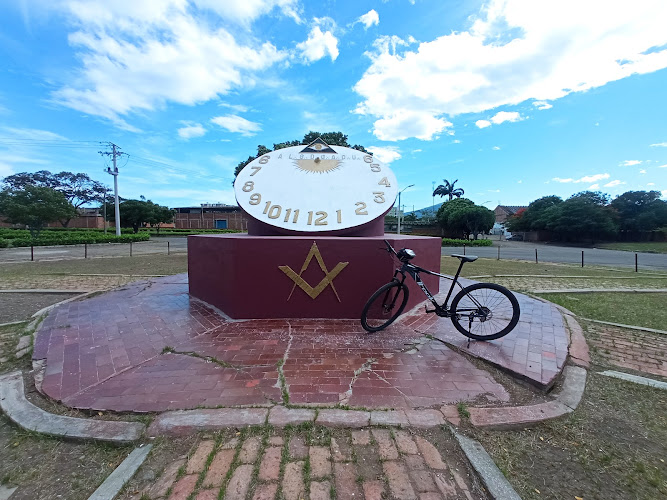
The Sundial in Cúcuta, North Santander, is one of those places that quietly commands your attention. It’s not a massive monument or a flashy tourist trap, but rather a historical landmark that whispers stories of time, science, and human curiosity. Standing in front of it, you can’t help but feel a strange sense of connection — not just to the city, but to the very rhythm of the sun itself. The way its shadow moves across the carved stone feels almost poetic, like watching time breathe.
Many travelers come here expecting a quick photo stop, but most end up lingering longer than planned. Maybe it’s the calm atmosphere, or the way locals gather nearby, chatting and laughing under the Colombian sun. The Sundial is both simple and profound — a reminder of how ancient civilizations once measured time long before clocks and smartphones ruled our days. It’s a spot that makes you pause and think, even if just for a moment, about how fast life moves.
The area around the Sundial is clean and well-kept, with easy access for both kids and visitors with mobility challenges. Families often stop by after exploring other attractions nearby, and it’s common to see children trying to “catch” the shadow as it moves. There’s something charmingly educational about it — science wrapped in a bit of wonder. And while it might not have the grandeur of a massive cathedral or the buzz of a city plaza, it has a quiet dignity that’s hard to forget.
Of course, not everyone finds it mind-blowing. Some visitors expect something bigger or more interactive. But that’s missing the point — the beauty of the Sundial lies in its simplicity. It’s not trying to impress; it’s just there, doing what it’s done for decades: marking time, faithfully and silently. For those who take a moment to truly look, it’s a surprisingly meaningful experience.
Key Features
- Historical landmark reflecting ancient timekeeping methods
- Accessible for visitors with wheelchairs
- Family-friendly environment with open space for children
- Peaceful atmosphere ideal for reflection and photography
- Located near other cultural and historical attractions in Cúcuta
- Free entry, making it a great stop for budget-conscious travelers
- Educational value for those interested in astronomy and history
Best Time to Visit
If you want to see the Sundial at its most striking, aim for late morning or early afternoon when the sun is high and the shadows are crisp. Around noon, the sunlight hits just right, and you can clearly watch the shadow slide across the dial’s surface. It’s oddly satisfying — kind of like watching a slow-motion clock.
Cúcuta’s weather is generally warm year-round, but the dry season (from December to March) offers the clearest skies. During this time, you’ll get the best lighting for photos and the most comfortable conditions for walking around. I once visited in February, and I remember sitting nearby with a cold drink, just watching the sunlight dance across the stone. It felt timeless, literally and figuratively.
If you prefer fewer crowds, go early in the morning or later in the afternoon. The golden hour light adds a soft glow to the Sundial, making it a dream for photographers. Plus, you’ll likely share the space with just a few locals, which gives the whole experience a more personal touch.
How to Get There
Reaching the Sundial in Cúcuta is fairly straightforward. The landmark sits within the city, so you won’t need to venture far from the main areas. Most travelers either take a short taxi ride or use local transportation, which is affordable and convenient. If you’re staying near the city center, you could even walk — it’s a pleasant stroll through streets that blend historical charm with modern life.
For those renting a car or using rideshare services, the roads are well-paved and easy to navigate. Parking is usually available nearby, though it can get a bit busy on weekends. If you’re the kind of traveler who enjoys exploring on foot, the route to the Sundial offers glimpses of local shops, cafes, and street vendors selling everything from fresh fruit to handmade crafts. It’s a nice way to soak in the local atmosphere before arriving.
Public buses also run close to the area, and locals are generally friendly and willing to point you in the right direction. Even if your Spanish isn’t perfect, a simple “¿Dónde está el reloj de sol?” will usually get you a smile and clear directions.
Tips for Visiting
A visit to the Sundial might seem straightforward, but a few small things can make your experience even better. First, bring a hat or some sunscreen — the Colombian sun doesn’t mess around, and there’s limited shade around the monument. I learned that the hard way on my first visit when I underestimated how intense the midday heat could be.
If you’re traveling with kids, turn it into a mini science lesson. Explain how sundials work and let them trace the shadow’s movement. It’s a fun, hands-on way to sneak in a bit of learning while they play. And if you’re into photography, bring a polarizing filter; it helps cut down glare and makes the stone details pop beautifully against the blue sky.
Another tip — take a few moments to just sit nearby. Don’t rush off after snapping a photo. The area has a calm energy, and you’ll often spot locals passing by, greeting each other, or simply resting in the shade. It’s a slice of daily life that gives you a deeper sense of what Cúcuta is really like.
For accessibility, the site is easy to navigate, with ramps and smooth pathways suitable for wheelchairs and strollers. If you’re visiting during the hotter months, consider coming in the morning or late afternoon to avoid the peak heat. Bring water, of course — hydration is key.
And maybe, before you leave, take one last look at the shadow on the stone. It’s a small reminder that time is always moving — quietly, steadily — whether we notice it or not. The Sundial doesn’t rush you. It just invites you to slow down for a moment and appreciate the simple magic of sunlight and stone.
Key Features
- Historical landmark reflecting ancient timekeeping methods
- Accessible for visitors with wheelchairs
- Family-friendly environment with open space for children
- Peaceful atmosphere ideal for reflection and photography
- Located near other cultural and historical attractions in Cúcuta
- Free entry, making it a great stop for budget-conscious travelers
- Educational value for those interested in astronomy and history
More Details
Updated November 7, 2025
Table of Contents
Description
The Sundial in Cúcuta, North Santander, is one of those places that quietly commands your attention. It’s not a massive monument or a flashy tourist trap, but rather a historical landmark that whispers stories of time, science, and human curiosity. Standing in front of it, you can’t help but feel a strange sense of connection — not just to the city, but to the very rhythm of the sun itself. The way its shadow moves across the carved stone feels almost poetic, like watching time breathe.
Many travelers come here expecting a quick photo stop, but most end up lingering longer than planned. Maybe it’s the calm atmosphere, or the way locals gather nearby, chatting and laughing under the Colombian sun. The Sundial is both simple and profound — a reminder of how ancient civilizations once measured time long before clocks and smartphones ruled our days. It’s a spot that makes you pause and think, even if just for a moment, about how fast life moves.
The area around the Sundial is clean and well-kept, with easy access for both kids and visitors with mobility challenges. Families often stop by after exploring other attractions nearby, and it’s common to see children trying to “catch” the shadow as it moves. There’s something charmingly educational about it — science wrapped in a bit of wonder. And while it might not have the grandeur of a massive cathedral or the buzz of a city plaza, it has a quiet dignity that’s hard to forget.
Of course, not everyone finds it mind-blowing. Some visitors expect something bigger or more interactive. But that’s missing the point — the beauty of the Sundial lies in its simplicity. It’s not trying to impress; it’s just there, doing what it’s done for decades: marking time, faithfully and silently. For those who take a moment to truly look, it’s a surprisingly meaningful experience.
Key Features
- Historical landmark reflecting ancient timekeeping methods
- Accessible for visitors with wheelchairs
- Family-friendly environment with open space for children
- Peaceful atmosphere ideal for reflection and photography
- Located near other cultural and historical attractions in Cúcuta
- Free entry, making it a great stop for budget-conscious travelers
- Educational value for those interested in astronomy and history
Best Time to Visit
If you want to see the Sundial at its most striking, aim for late morning or early afternoon when the sun is high and the shadows are crisp. Around noon, the sunlight hits just right, and you can clearly watch the shadow slide across the dial’s surface. It’s oddly satisfying — kind of like watching a slow-motion clock.
Cúcuta’s weather is generally warm year-round, but the dry season (from December to March) offers the clearest skies. During this time, you’ll get the best lighting for photos and the most comfortable conditions for walking around. I once visited in February, and I remember sitting nearby with a cold drink, just watching the sunlight dance across the stone. It felt timeless, literally and figuratively.
If you prefer fewer crowds, go early in the morning or later in the afternoon. The golden hour light adds a soft glow to the Sundial, making it a dream for photographers. Plus, you’ll likely share the space with just a few locals, which gives the whole experience a more personal touch.
How to Get There
Reaching the Sundial in Cúcuta is fairly straightforward. The landmark sits within the city, so you won’t need to venture far from the main areas. Most travelers either take a short taxi ride or use local transportation, which is affordable and convenient. If you’re staying near the city center, you could even walk — it’s a pleasant stroll through streets that blend historical charm with modern life.
For those renting a car or using rideshare services, the roads are well-paved and easy to navigate. Parking is usually available nearby, though it can get a bit busy on weekends. If you’re the kind of traveler who enjoys exploring on foot, the route to the Sundial offers glimpses of local shops, cafes, and street vendors selling everything from fresh fruit to handmade crafts. It’s a nice way to soak in the local atmosphere before arriving.
Public buses also run close to the area, and locals are generally friendly and willing to point you in the right direction. Even if your Spanish isn’t perfect, a simple “¿Dónde está el reloj de sol?” will usually get you a smile and clear directions.
Tips for Visiting
A visit to the Sundial might seem straightforward, but a few small things can make your experience even better. First, bring a hat or some sunscreen — the Colombian sun doesn’t mess around, and there’s limited shade around the monument. I learned that the hard way on my first visit when I underestimated how intense the midday heat could be.
If you’re traveling with kids, turn it into a mini science lesson. Explain how sundials work and let them trace the shadow’s movement. It’s a fun, hands-on way to sneak in a bit of learning while they play. And if you’re into photography, bring a polarizing filter; it helps cut down glare and makes the stone details pop beautifully against the blue sky.
Another tip — take a few moments to just sit nearby. Don’t rush off after snapping a photo. The area has a calm energy, and you’ll often spot locals passing by, greeting each other, or simply resting in the shade. It’s a slice of daily life that gives you a deeper sense of what Cúcuta is really like.
For accessibility, the site is easy to navigate, with ramps and smooth pathways suitable for wheelchairs and strollers. If you’re visiting during the hotter months, consider coming in the morning or late afternoon to avoid the peak heat. Bring water, of course — hydration is key.
And maybe, before you leave, take one last look at the shadow on the stone. It’s a small reminder that time is always moving — quietly, steadily — whether we notice it or not. The Sundial doesn’t rush you. It just invites you to slow down for a moment and appreciate the simple magic of sunlight and stone.
Key Highlights
- Historical landmark reflecting ancient timekeeping methods
- Accessible for visitors with wheelchairs
- Family-friendly environment with open space for children
- Peaceful atmosphere ideal for reflection and photography
- Located near other cultural and historical attractions in Cúcuta
- Free entry, making it a great stop for budget-conscious travelers
- Educational value for those interested in astronomy and history
Location
Places to Stay Near Sundial
Find and Book a Tour
Explore More Travel Guides
No reviews found! Be the first to review!
Traveler Reviews for Sundial
There are no reviews yet. Be the first one to write one.
Have you visited Sundial? Help other travelers by sharing your review.
You Might Also Like
Simón Bolívar Park
Museo Norte de Santander y ciudad de Cucuta.

Serankua Park
Find Accommodations Nearby
Recommended Tours & Activities
Visitor Reviews
There are no reviews yet. Be the first one to write one.
Share Your Experience
Have you visited Sundial? Help other travelers by leaving a review.