
Last modified May 18, 2025
Choosing between Crete and Rhodes for your Greek island getaway can be tough. These two stunning islands offer very different experiences for travelers.
Crete, Greece’s largest island (about eight times bigger than Rhodes), offers more variety in landscapes, activities, and authentic Greek experiences. It’s also the mythical birthplace of Zeus, giving it that extra touch of ancient wonder.
Rhodes may be smaller, but it packs a punch with its accessibility. Unlike Crete, you can explore most of its attractions within short driving distances, where you’ll need a car and more time to see everything. Rhodes also offers convenient links to Turkey and neighboring islands like Symi and Kos.
Timing matters, too. Rhodes operates primarily as a summer destination, with many businesses closing during off-season months. Chania in Crete seems to be a favorite among travelers looking for the perfect balance of beauty, culture, and authenticity in the Greek Islands.
Geographical Overview and Accessibility

Understanding Crete and Rhodes’ geographical features and accessibility options helps travelers make informed decisions. Both islands offer unique characteristics that affect everything from travel planning to day-to-day activities during your stay.
Location and Size
Crete is the largest Greek island, approximately eight times larger than Rhodes. Located in the southern part of the Aegean Sea, this massive island stretches about 160 miles from east to west. Its impressive size means you’ll find diverse landscapes along its extensive coastline, including mountains, valleys, and numerous beaches.
Rhodes, the fourth-largest Greek island, sits in the southeastern Aegean Sea near Turkey. At about 50 miles long and 25 miles wide, it’s considerably more compact than Crete. This smaller size makes it easier to explore thoroughly during a shorter visit.
The difference in scale significantly affects travel experiences. Crete requires more planning and potentially longer travel times between attractions. Being more condensed, Rhodes allows visitors to see most major sites without extensive travel time.
Climate and Best Time to Visit

Both islands enjoy the classic Mediterranean climate with hot, dry summers and mild, wetter winters. However, slight variations exist between them.
Crete’s southern position gives it one of the longest summer seasons in Greece, often extending from April through October. The island’s diverse topography creates microclimates – the south coast tends to be warmer than the north, while mountainous areas remain cooler.
Rhodes boasts 300+ days of sunshine annually and is known as one of Greece’s sunniest islands. The summer typically runs from May to September, with July and August bringing the hottest temperatures.
For both islands, the shoulder seasons (May-June and September-October) offer pleasant temperatures and fewer crowds. These months provide an ideal balance of good weather and more affordable flights and accommodations.
Transportation and Connectivity

Crete and Rhodes have international airports directly connecting to major European cities, especially during peak season. Crete has three airports: Heraklion (the busiest), Chania, and Sitia, while Rhodes operates one international airport.
Both islands maintain regular ferry connections to mainland Greece and neighboring islands for sea travel. Rhodes connects primarily with the Dodecanese islands and Athens, while Crete offers more extensive ferry networks to the Cyclades and beyond.
Once on the islands, transportation options differ based on size. Car rental is highly recommended in Crete due to its vast territory and scattered attractions. Public buses connect major towns, but schedules can be limited in rural areas.
Rhodes’ smaller size makes it more manageable with public transportation. The island has a reliable bus system connecting major towns and beaches. Many visitors can explore Rhodes comfortably without a rental car, though having one provides greater flexibility.
Historical Significance and Attractions

Both Greek islands boast incredible historical importance, shaping not just Greek history but European civilization. Their ancient ruins and well-preserved landmarks tell fascinating stories of different eras.
Crete’s Minoan Civilization and Rich History
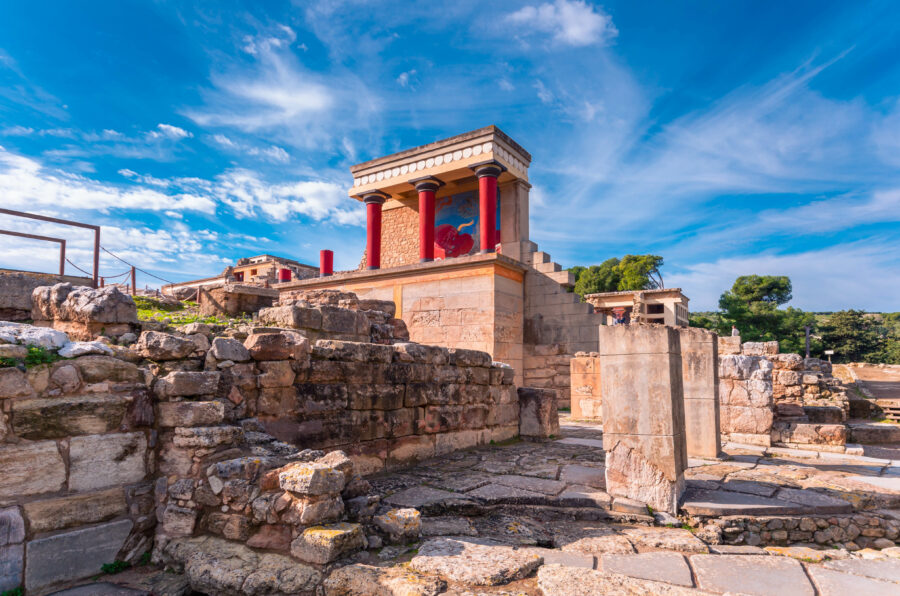
Crete is home to Europe’s oldest civilization, the Minoans. The island’s crown jewel is the Palace of Knossos, which dates back to 1900 BC. This massive complex was the center of Minoan culture and is linked to the famous myth of the Minotaur.
The Archaeological Museum in Heraklion houses the world’s best collection of Minoan artifacts. Here you’ll find the famous Bull-Leaping Fresco and the mysterious Phaistos Disc – objects that show how advanced this civilization was.
According to Greek mythology, Crete was also the birthplace of Zeus himself. You can hike to the Diktaeon Cave in the Lassithi Plateau, where legend says the king of the gods was born and hidden from his father, Kronos.
Rhodes’ Medieval Heritage and Landmarks

Rhodes offers a different historical experience, with its stunning medieval Old Town – a UNESCO World Heritage site. The Palace of the Grand Masters dominates the landscape, built by the Knights of St. John in the 14th century. Walking through its massive rooms and fortified walls feels like a medieval fairytale.
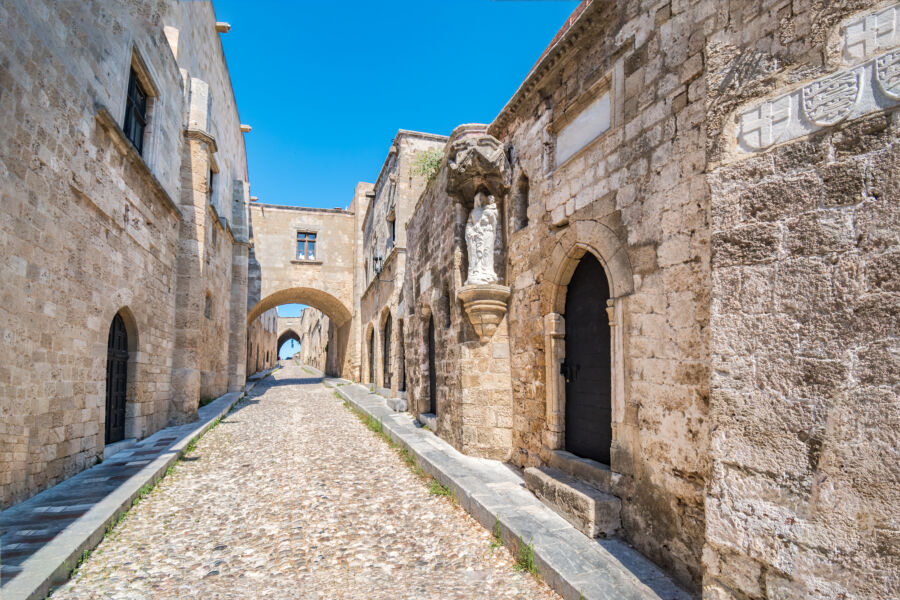
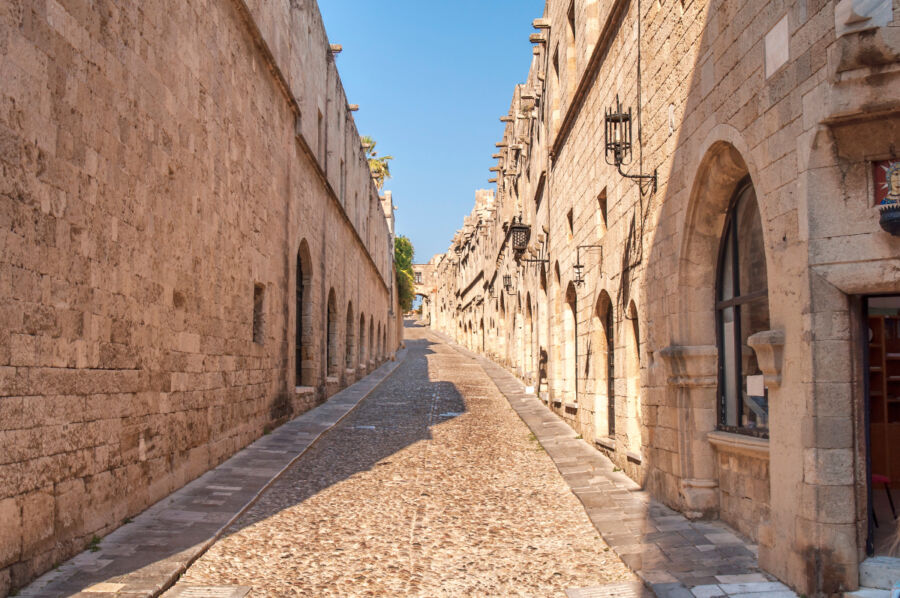
The Street of the Knights nearby is incredibly well-preserved. It is lined with inns where knights from different European countries once lived. Each building showcases distinctive architectural details.
Beyond the medieval center, Rhodes also holds ancient Greek treasures. The archaeological site of Kameiros (often called “the Pompeii of Greece”) and the stunning Acropolis of Lindos, perched on a cliff, are must-sees. The latter combines a 4th-century BC temple with medieval fortifications, creating a unique blend of historical periods that’s hard to find elsewhere.
See Related: Most Lavish Hotels in Greece: Unrivaled Luxury for Discerning Travelers
Beaches and Natural Landscapes

Both Greek islands offer stunning coastlines with crystal-clear waters, but each has unique charm regarding beaches and natural beauty. Crete boasts diverse landscapes with longer stretches of sand, while Rhodes shines with its picturesque bays perfect for snorkeling.
Sandy Shores and Coastal Beauty of Crete
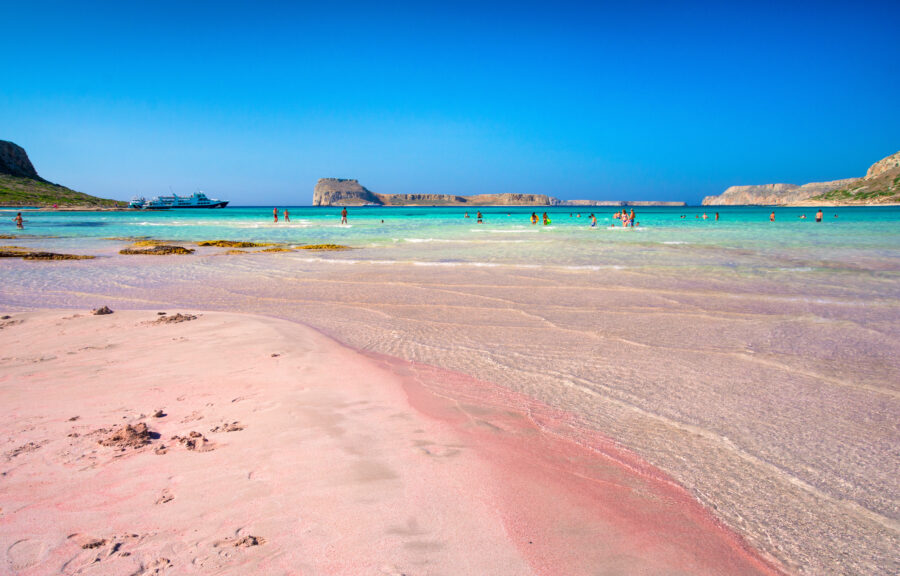
Crete’s coastline stretches hundreds of miles and features some of Greece’s most impressive beaches. The island’s southern shores, particularly around Koutsounari, offer the longest summer season for beach lovers. This 5km stretch provides ample space for visitors to spread out and enjoy the warm Mediterranean waters.
The famous pink sand beaches of Elafonisi on the western coast create a magical setting where visitors can wade through shallow, turquoise waters. For those seeking seclusion, Balos Lagoon presents a stunning vista of white sand meeting vibrant blue and turquoise waters in a pristine natural setting.
Crete’s beaches vary dramatically from north to south. The northern shores are more developed with amenities, while the southern coast offers wilder, less crowded spots for those wanting to escape the tourist hustle.
Picturesque Beaches and Scenic Vistas of Rhodes

Rhodes might be more petite than Crete, but it holds the title as Greece’s sunniest spot, making it ideal for beach enthusiasts. The island features
Local Culture and Gastronomy

Both Greek islands offer rich cultural experiences and mouthwatering cuisine that reflect their unique histories and traditions. Crete and Rhodes’s local way of life gives visitors an authentic taste of Greek hospitality through food, celebrations, and customs.
Culinary Delights and Traditional Cuisine

Cretan cuisine is world-famous for its simplicity and health benefits. The island’s diet relies heavily on olive oil (Cretans consume more olive oil per person than anyone else!), fresh vegetables, and mountain herbs.
Try “dakos” – barley rusks topped with grated tomato, feta, and olive oil. Cretan cheese varieties like graviera and mizithra offer unique flavors you won’t find elsewhere.
Rhodes offers its culinary treasures. The island’s cuisine blends Greek traditions with influences from its years under Italian rule. “Pitaroudia” (chickpea fritters) and “frivolous yahnisti” (snails in tomato sauce) showcase the island’s distinctive food personality.
Both islands produce excellent wines from local grape varieties. Cretan raki and Rhodian souma (similar strong spirits) are often served as digestifs after meals.
Festivals and Cultural Events

Crete’s cultural spirit comes alive during its many festivals. The island that inspired “Zorba the Greek” maintains strong connections to traditional music and dance.
Summer villages host “panigiria” (feast days), during which locals perform Cretan dances accompanied by Lyra musicians. These gatherings feature plenty of food, wine, and the chance to experience authentic Cretan hospitality firsthand.
Rhodes celebrates its medieval history with the Medieval Rose Festival each spring. Visitors can watch knights’ tournaments and artisan demonstrations in the Old Town. The island also honors its ancient Greek roots during the Ecofilms Festival, combining culture with environmental awareness.
Both islands observe Greek Orthodox religious holidays with processions and special foods. Easter is critical, with communities joining for lamb roasts and traditional games after church services.
Accommodation and Hospitality

Both islands offer excellent places to stay, from budget options to luxury resorts. The quality and price range vary widely, and each island has a unique charm regarding where you’ll rest your head.
Hotel Options and Stays in Crete

Crete boasts an impressive variety of accommodations to suit every budget and preference. The island’s size means you’ll find everything from family-run guesthouses to international hotel chains spread across different regions.
Elounda stands out as Crete’s premier luxury destination, home to some of Greece’s most exclusive five-star resorts. These upscale properties often feature private beaches, infinity pools, and spectacular sea views.
For travelers seeking authenticity, the converted stone houses in mountain villages offer a glimpse into traditional Cretan life. These charming accommodations typically cost less than coastal options while providing a more genuine cultural experience.
All-inclusive resorts are abundant along the northern coast, particularly near Heraklion and Chania. These provide excellent value for families and those who prefer having meals and activities included in one price.
Resorts and Lodging in Rhodes

Rhodes specializes in hospitality with its vast array of accommodation options. The medieval Old Town offers unique boutique hotels housed in historic buildings, allowing visitors to stay within the ancient walls.
Beach resorts dominate the eastern coast, particularly around Faliraki and Lindos. These properties range from budget-friendly to ultra-luxury, with many offering direct beach access and water sports facilities.
All-inclusive hotels are particularly popular in Rhodes, with some of the best quality options in Greece. These resorts often feature multiple restaurants, entertainment programs, and extensive facilities.
Family-run pensions and small hotels are found throughout the island. These smaller properties offer more personal service and often better prices than larger establishments.
These smaller properties frequently include a homemade breakfast with local products. Rhodes Town provides excellent accommodation options for those who want to combine nightlife, shopping, and historical sightseeing without renting a car.
Activities and Entertainment
Both islands offer amazing activities, but each has its special flavor. Whether seeking thrilling adventures or vibrant nightlife, Crete and Rhodes deliver unforgettable experiences catering to different travel styles.
Adventure Sports and Outdoor Pursuits
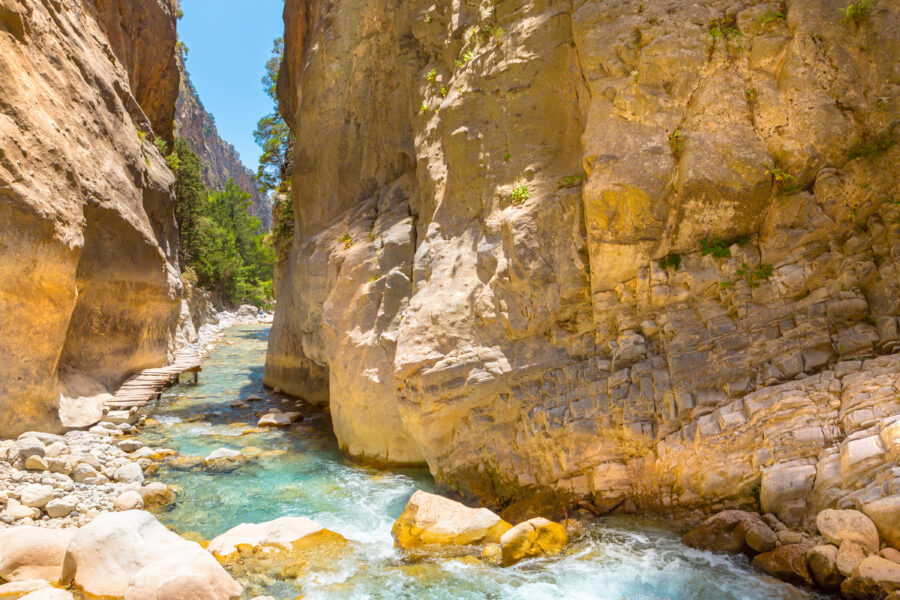
Crete is a hotspot for diverse outdoor activities thanks to its larger size. Hikers love the 16-km Samaria Gorge trek, one of Europe’s longest canyons. The island also offers excellent mountain biking tours through olive groves and traditional villages.
Water enthusiasts find plenty to do in Crete’s two coastlines. The southern beaches, especially around Palaiochora and Kouremenos, provide perfect conditions for windsurfing and kiteboarding.
Rhodes focuses more on water-based adventures. The consistent winds make it a paradise for windsurfers, particularly at Prasonisi beach where two seas meet. The island offers excellent diving experiences with visibility up to 30 meters in some spots.
Hikers on Rhodes can explore the Valley of Butterflies or climb Mount Attavyros’ summit for spectacular views. The compact size means you can try different activities without spending hours driving.
Nightlife and Social Scene
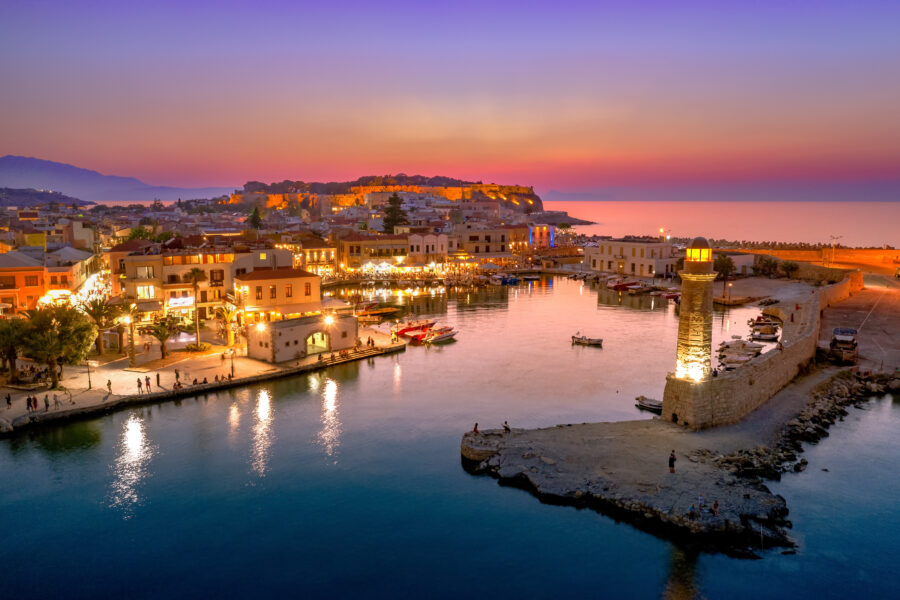
Crete boasts a vibrant and diverse nightlife scene. In Malia and Hersonissos, clubs stay open until sunrise. Meanwhile, Chania and Rethymno offer more sophisticated evenings with waterfront bars and traditional music venues.
Small villages host authentic Greek nights with local music, dancing, and plenty of raki (local spirit). These events give visitors a taste of true Cretan culture that many travelers miss.
Rhodes Town delivers the island’s most energetic nightlife around Bar Street and the New Town. The medieval Old Town transforms at night with atmospheric bars tucked into ancient buildings.
The Street of the Knights in Rhodes Old Town provides a unique backdrop for evening strolls before hitting the bars. Unlike Crete, Rhodes nightlife is concentrated in fewer areas, making bar-hopping easier without transportation.
Both islands offer beach clubs, but Rhodes tends to have more family-friendly evening entertainment options at its resorts than party-focused Crete.
See Related: Most Famous Villas in Greece for Exclusive Aegean Hideaways
Tips and Practical Information

Planning your Greek island getaway requires practical knowledge to ensure a smooth trip. Crete and Rhodes offer unique experiences, but knowing some basics about travel safety, local customs, and communication will enhance your visit.
Travel Tips for a Safe and Enjoyable Stay
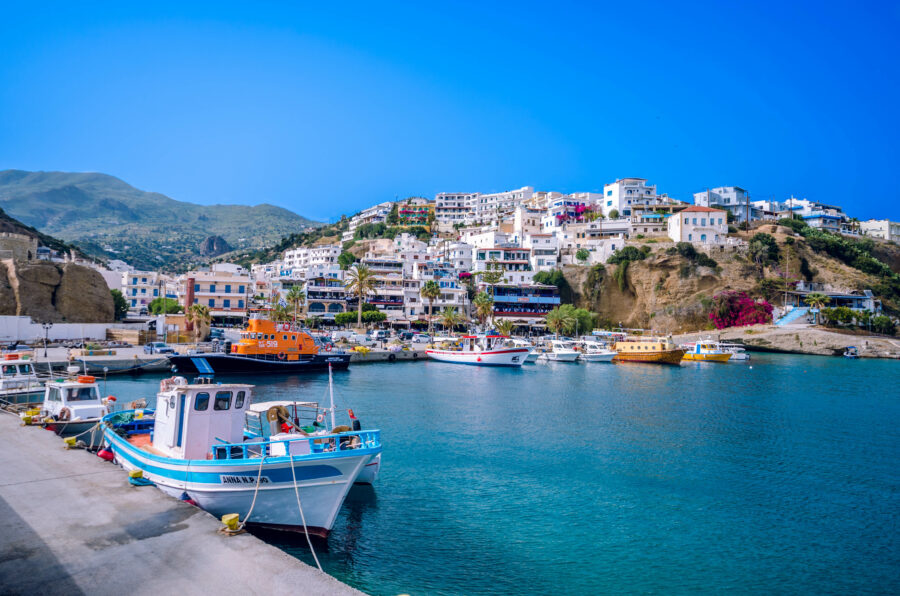
Both islands are generally safe for tourists, but taking precautions is always wise. In high season (June-August), book accommodations at least 3-4 months in advance for the best options and rates. This is especially important for Crete, which sprawls over a much larger area than Rhodes.
Rent a car to explore effectively. Rhodes can be circled daily, while Crete requires strategic planning due to its size. Many beaches on both islands have pebbles rather than sand, so pack water shoes!
Summers can be extremely hot, particularly in Rhodes, where temperatures reach 40°C (104°F). Plan outdoor activities for mornings or evenings, and carry water everywhere. The meltemi winds can affect Rhodes more severely than Crete, sometimes disrupting ferry services in the summer months.
Local Customs and Etiquette

Greeks are hospitable, and you’ll likely experience “filoxenia” (love of strangers) on both islands. Don’t be surprised if locals invite you for coffee or offer small gifts.
Dress modestly when visiting monasteries or churches. Women should cover their shoulders and knees, and men should avoid shorts. This is particularly important at the medieval sites in Rhodes Town and the monasteries of Crete.
Meal times run later than in many Western countries. Locals typically eat dinner after 9 pm, and restaurants stay open until midnight.
Tipping isn’t mandatory, but is appreciated. Rounding up the bill or leaving 5-10% for good service is common practice on both islands.
Language and Communication

While English is widely spoken in tourist areas of both islands, learning a few Greek phrases goes a long way. Simple greetings like “Kalimera” (good morning) and “Efharisto” (thank you) will earn smiles from locals.
With its extended history of mass tourism, Rhodes tends to have more multilingual residents than some rural parts of Crete. However, Crete’s larger cities like Heraklion and Chania also have excellent English coverage.
Wi-Fi is readily available in most accommodations and cafes, but the signal can be spotty in mountainous regions of Crete. If you need reliable internet access throughout your trip, consider buying a local SIM card. Road signs on both islands use Greek and Latin alphabets, making navigation easier for international visitors.
Comparison and Personalization

When deciding between Crete and Rhodes, travelers must consider their preferences and travel styles. Both islands offer unique experiences catering to vacationers, from history buffs to beach lovers.
Choosing Between Crete and Rhodes

As Greece’s largest island, Crete offers more diversity in landscapes and experiences. It’s about eight times larger than Rhodes, giving you more ground to explore. If you’re looking for variety, Crete delivers with its mix of stunning beaches, rugged mountains, and ancient historical sites.
Rhodes shines as a summer destination with excellent connections to Turkey and nearby islands like Symi and Kos. It’s more compact, making navigating easier on a shorter trip.
Key differences to consider:
- Season: Rhodes is primarily a summer island; many places close during the off-season. Crete offers more year-round options.
- Size: Crete requires more time to explore thoroughly due to its larger size.
- Attractions: Rhodes is known for museums and beautiful landscapes, while Crete boasts the legendary birthplace of Zeus and the Minotaur myths.
Personalized Itineraries and Travel Styles

Your ideal choice depends on your travel interests and style. History enthusiasts might prefer Rhodes for its well-preserved medieval town and museums. Nature lovers may lean toward Crete’s diverse landscapes and hiking opportunities.
Beach seekers will find gorgeous options on both islands, though Crete offers more variety. If nightlife is important, Crete typically has a more vibrant scene.
Rhodes makes an excellent island-hopper base with its good ferry connections to Kos and the charming Symi. I’ve found that families often appreciate Rhodes’ more manageable size and concentrated attractions.
Those seeking a deeper cultural experience might prefer Crete’s authentic villages and local traditions. The island feels less touristy in certain areas than Rhodes’s more developed parts.
See Related: Data-Driven Strategies to Optimize Your Greece Vacation (And Save Up to 60%)
Frequently Asked Questions

Travelers often have specific questions when choosing between Crete and Rhodes for their Greek island vacation. Each island offers distinct experiences that cater to different preferences and travel styles.
What are the key differences in attractions for families traveling to Crete versus Rhodes?
Crete offers families more diverse attractions spread across a larger area. The island features kid-friendly archaeological sites like Knossos Palace, which has a fascinating Minoan history and mythology about the Minotaur.
Meanwhile, Rhodes caters well to families with its compact size, making it easier to explore without long drives. The Medieval Old Town of Rhodes is like stepping into a fairy tale, and kids love exploring the Palace of the Grand Master and walking along the ancient walls.
Both islands have water parks, but Rhodes’ Faliraki Water Park is particularly popular with families. Crete’s beaches often have gentler slopes and calmer waters in certain areas, making them slightly better for younger swimmers.
Which island offers a better experience for couples seeking a romantic getaway, Crete or Rhodes?
Due to its larger size, Crete offers couples more secluded romantic spots. The island’s diverse landscapes allow for intimate experiences in mountain villages like Zaros or sunset dinners in charming harbors like Chania and Rethymno.
Meanwhile, Rhodes offers a more contained romantic experience. Its picturesque Old Town is illuminated at night, and couples enjoy evening strolls along the medieval streets and intimate dining in tucked-away courtyards.
For beach romance, Crete’s southern coast has more isolated beaches where couples can find privacy. Rhodes’ eastern shore has several luxury resorts designed explicitly for couples and honeymooners.
Considering a trip in October, should I choose Crete or Rhodes for ideal weather and activities?
Crete typically enjoys warmer temperatures into October, with average highs around 24°C (75°F). Its southernmost location means swimming is often pleasant well into autumn, especially along the southern coast.
Meanwhile, Rhodes also has favorable October weather, averaging 23°C (73°F), with slightly more predictable conditions. Both islands see fewer crowds in October, making exploring attractions without summer crowds an excellent time.
Crete offers excellent hiking opportunities in the cooler weather in October, particularly in the Samaria Gorge. Rhodes has more cultural sites and museums that are comfortable to visit year-round, making it slightly better if you encounter a rainy day.
How does the nightlife compare between Crete and Rhodes, and which is more vibrant for young travelers?
Rhodes has concentrated nightlife areas, particularly in Faliraki and Rhodes Town. The island is famous for its bar streets and beach parties that attract a younger international crowd, especially British and Scandinavian travelers.
On the other hand, Crete offers a more diverse nightlife that is spread across different towns. Malia and Hersonissos cater to the party crowd, while cities like Heraklion and Chania provide more sophisticated evening entertainment with local music and wine bars.
Young travelers often prefer Rhodes for its more accessible party scene, where venues are close together. Crete requires more planning and usually transportation between nightlife hotspots, but it offers a more authentic Greek nightlife experience in many locations.
Can travelers expect a significant cost difference when choosing between a vacation to Crete or Rhodes?
Crete generally offers better value for money, especially food and accommodation away from major tourist centers. Local tavernas in mountain villages can be surprisingly affordable, with 25-40% less meals than in heavily touristed areas.
Meanwhile, Rhodes tends to have higher prices in popular areas, particularly within the Old Town and beachfront properties. However, package deals to Rhodes can sometimes be more competitive due to the island’s popularity with tour operators.
Transportation costs differ significantly. Due to its size, Crete requires more budget for car rentals or buses. Rhodes can be explored more economically, with many visitors managing without renting a vehicle, using local buses, or staying near main attractions.
Which island, Crete or Rhodes, is recognized for having more stunning and picturesque landscapes?
Crete boasts more diverse and dramatic landscapes, including four mountain ranges, including the White Mountains. The island also features spectacular gorges, high plateaus, and undeveloped beaches that change character from the north to the south coasts.
The Samaria Gorge in Crete is Europe’s longest canyon and offers breathtaking scenery. Crete also features stunning agricultural landscapes with ancient olive groves and vineyards rolling across hillsides.
Rhodes offers more manicured and accessible beauty. The island has a perfectly preserved medieval town and a neatly organized coastline. The Valley of the Butterflies provides a unique landscape experience, while the island’s interior mountains offer scenic drives rather than challenging hikes.


