
Log Cabin Village
About Log Cabin Village
Description
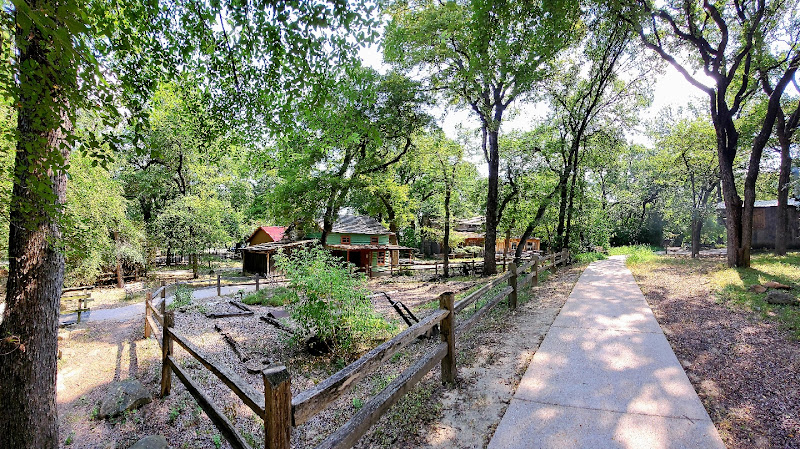
Log Cabin Village is the kind of place that makes you slow down and imagine life in Texas before smartphones, highways, and air conditioning. It’s a living history museum where costumed interpreters bring the mid-19th century to life in a way that feels both educational and surprisingly entertaining. Instead of just staring at artifacts behind glass, visitors can actually step inside authentic log cabins, see tools that were once essential for survival, and even hear the crackle of a blacksmith’s fire. It’s immersive without being overwhelming, and honestly, it’s the sort of spot where you leave with more appreciation for the grit and determination it took to live back then.
The museum is well cared for, and while some folks may find it smaller than expected, the attention to detail makes up for it. The cabins themselves were relocated from different parts of Texas and rebuilt here, so each one tells its own story. And the interpreters—dressed in period clothing—don’t just stand around; they actively demonstrate everything from candle dipping to weaving. For families, it’s a fantastic chance to show kids that history isn’t just words in a textbook. For adults, it’s a reminder of how much has changed in just a few generations.
It’s worth noting that the atmosphere is calm and family-friendly. You won’t find flashing screens or noisy crowds here, but instead a slower pace that feels refreshing. Some visitors might wish for more exhibits or a bigger property, but the charm of the place is in its intimacy. You can spend a couple of hours wandering, learning, and chatting with the interpreters without feeling rushed. And then, when you’re done, you’ll probably find yourself daydreaming about what it would’ve been like to live in a one-room cabin with no electricity or running water. Spoiler: it was tough, but fascinating.
Key Features
- Authentic 19th-century log cabins relocated from across Texas
- Costumed interpreters demonstrating pioneer skills and crafts
- Hands-on learning experiences like candle making and weaving
- Family-friendly environment with activities good for kids
- Guided tours available for deeper historical context
- Wheelchair accessible entrance, restrooms, and parking
- Gift shop offering unique, history-inspired souvenirs
- Free parking lot for visitors
Best Time to Visit
Spring and fall are arguably the best times to visit. The Texas summer heat can be a bit brutal, and while the cabins provide shade, walking around in the midday sun can be tiring. In the cooler months, the site feels more comfortable, and you can take your time exploring without constantly searching for a patch of shade. Weekdays tend to be quieter, which means more opportunities to have one-on-one conversations with the interpreters. If you’re traveling with kids, mornings are a good bet since little ones are more engaged and energetic before nap time hits.
That said, there’s no bad time to visit if you’re prepared. Even in summer, the museum’s slower pace makes it manageable. Just bring water, wear light clothing, and take breaks when needed. During the holiday season, special events sometimes add an extra layer of charm, with seasonal crafts or activities. If you’re the type who likes fewer crowds and more personal space, avoid weekends and school field trip days. But if you enjoy the buzz of excited kids discovering history, then you might actually prefer those busier times.
How to Get There
Log Cabin Village is located in Fort Worth, not far from other popular attractions like the zoo and cultural district. It’s pretty easy to reach by car, and the free parking lot makes the whole process stress-free. Public transportation is an option too, though it may take a bit of extra planning depending on where you’re coming from. If you’re staying in downtown Fort Worth, it’s only a short drive, and you can easily pair it with a visit to nearby museums or parks.
For road trippers, it’s a nice stop on a larger Texas adventure. The museum isn’t an all-day destination, so it works well as part of an itinerary alongside other Fort Worth highlights. And if you’re traveling with kids, the short drive means you don’t have to listen to hours of “Are we there yet?” before you arrive.
Tips for Visiting
First and foremost: give yourself enough time. While the village isn’t massive, rushing through it defeats the purpose. Plan for at least two hours so you can explore at a relaxed pace, chat with the interpreters, and maybe even watch a demonstration or two. If you’re the kind of person who loves asking questions, you’ll find the staff more than happy to share their knowledge. Honestly, the conversations are half the fun.
Bring water, especially in warmer months, and wear comfortable shoes since you’ll be walking on uneven paths between cabins. If you’re traveling with kids, prepare them for a different kind of “museum” experience—less about shiny displays and more about stepping back in time. It helps to frame it as an adventure, like “let’s see how people lived without electricity,” which usually sparks curiosity.
The gift shop is worth a peek. It’s not just your typical keychains and magnets; you’ll find handcrafted items and books that tie into the pioneer theme. I once picked up a handmade candle there, and every time I light it, I’m reminded of the smell of beeswax in the cabin where I watched it being made. Little things like that make the visit feel more personal.
If accessibility is a concern, you’ll be glad to know the site is wheelchair-friendly, with accessible entrances, restrooms, and parking. Families will also appreciate the family-friendly setup, from the restrooms to the open spaces where kids can move around without feeling confined. And yes, there’s free parking, which is always a win in my book.
One last tip: take your time to really look around. It’s easy to breeze through, but when you pause and imagine what life was like in those cabins, the experience becomes richer. Think about the families who once cooked over open fires, made their own clothes, and lived without the conveniences we take for granted. It’s humbling, and honestly, kind of inspiring.
Key Features
- Authentic 19th-century log cabins relocated from across Texas
- Costumed interpreters demonstrating pioneer skills and crafts
- Hands-on learning experiences like candle making and weaving
- Family-friendly environment with activities good for kids
- Guided tours available for deeper historical context
- Wheelchair accessible entrance, restrooms, and parking
- Gift shop offering unique, history-inspired souvenirs
- Free parking lot for visitors
More Details
Updated September 30, 2025
Table of Contents
Description
Log Cabin Village is the kind of place that makes you slow down and imagine life in Texas before smartphones, highways, and air conditioning. It’s a living history museum where costumed interpreters bring the mid-19th century to life in a way that feels both educational and surprisingly entertaining. Instead of just staring at artifacts behind glass, visitors can actually step inside authentic log cabins, see tools that were once essential for survival, and even hear the crackle of a blacksmith’s fire. It’s immersive without being overwhelming, and honestly, it’s the sort of spot where you leave with more appreciation for the grit and determination it took to live back then.
The museum is well cared for, and while some folks may find it smaller than expected, the attention to detail makes up for it. The cabins themselves were relocated from different parts of Texas and rebuilt here, so each one tells its own story. And the interpreters—dressed in period clothing—don’t just stand around; they actively demonstrate everything from candle dipping to weaving. For families, it’s a fantastic chance to show kids that history isn’t just words in a textbook. For adults, it’s a reminder of how much has changed in just a few generations.
It’s worth noting that the atmosphere is calm and family-friendly. You won’t find flashing screens or noisy crowds here, but instead a slower pace that feels refreshing. Some visitors might wish for more exhibits or a bigger property, but the charm of the place is in its intimacy. You can spend a couple of hours wandering, learning, and chatting with the interpreters without feeling rushed. And then, when you’re done, you’ll probably find yourself daydreaming about what it would’ve been like to live in a one-room cabin with no electricity or running water. Spoiler: it was tough, but fascinating.
Key Features
- Authentic 19th-century log cabins relocated from across Texas
- Costumed interpreters demonstrating pioneer skills and crafts
- Hands-on learning experiences like candle making and weaving
- Family-friendly environment with activities good for kids
- Guided tours available for deeper historical context
- Wheelchair accessible entrance, restrooms, and parking
- Gift shop offering unique, history-inspired souvenirs
- Free parking lot for visitors
Best Time to Visit
Spring and fall are arguably the best times to visit. The Texas summer heat can be a bit brutal, and while the cabins provide shade, walking around in the midday sun can be tiring. In the cooler months, the site feels more comfortable, and you can take your time exploring without constantly searching for a patch of shade. Weekdays tend to be quieter, which means more opportunities to have one-on-one conversations with the interpreters. If you’re traveling with kids, mornings are a good bet since little ones are more engaged and energetic before nap time hits.
That said, there’s no bad time to visit if you’re prepared. Even in summer, the museum’s slower pace makes it manageable. Just bring water, wear light clothing, and take breaks when needed. During the holiday season, special events sometimes add an extra layer of charm, with seasonal crafts or activities. If you’re the type who likes fewer crowds and more personal space, avoid weekends and school field trip days. But if you enjoy the buzz of excited kids discovering history, then you might actually prefer those busier times.
How to Get There
Log Cabin Village is located in Fort Worth, not far from other popular attractions like the zoo and cultural district. It’s pretty easy to reach by car, and the free parking lot makes the whole process stress-free. Public transportation is an option too, though it may take a bit of extra planning depending on where you’re coming from. If you’re staying in downtown Fort Worth, it’s only a short drive, and you can easily pair it with a visit to nearby museums or parks.
For road trippers, it’s a nice stop on a larger Texas adventure. The museum isn’t an all-day destination, so it works well as part of an itinerary alongside other Fort Worth highlights. And if you’re traveling with kids, the short drive means you don’t have to listen to hours of “Are we there yet?” before you arrive.
Tips for Visiting
First and foremost: give yourself enough time. While the village isn’t massive, rushing through it defeats the purpose. Plan for at least two hours so you can explore at a relaxed pace, chat with the interpreters, and maybe even watch a demonstration or two. If you’re the kind of person who loves asking questions, you’ll find the staff more than happy to share their knowledge. Honestly, the conversations are half the fun.
Bring water, especially in warmer months, and wear comfortable shoes since you’ll be walking on uneven paths between cabins. If you’re traveling with kids, prepare them for a different kind of “museum” experience—less about shiny displays and more about stepping back in time. It helps to frame it as an adventure, like “let’s see how people lived without electricity,” which usually sparks curiosity.
The gift shop is worth a peek. It’s not just your typical keychains and magnets; you’ll find handcrafted items and books that tie into the pioneer theme. I once picked up a handmade candle there, and every time I light it, I’m reminded of the smell of beeswax in the cabin where I watched it being made. Little things like that make the visit feel more personal.
If accessibility is a concern, you’ll be glad to know the site is wheelchair-friendly, with accessible entrances, restrooms, and parking. Families will also appreciate the family-friendly setup, from the restrooms to the open spaces where kids can move around without feeling confined. And yes, there’s free parking, which is always a win in my book.
One last tip: take your time to really look around. It’s easy to breeze through, but when you pause and imagine what life was like in those cabins, the experience becomes richer. Think about the families who once cooked over open fires, made their own clothes, and lived without the conveniences we take for granted. It’s humbling, and honestly, kind of inspiring.
Key Highlights
- Authentic 19th-century log cabins relocated from across Texas
- Costumed interpreters demonstrating pioneer skills and crafts
- Hands-on learning experiences like candle making and weaving
- Family-friendly environment with activities good for kids
- Guided tours available for deeper historical context
- Wheelchair accessible entrance, restrooms, and parking
- Gift shop offering unique, history-inspired souvenirs
- Free parking lot for visitors
Location
Places to Stay Near Log Cabin Village
Find and Book a Tour
Explore More Travel Guides
No reviews found! Be the first to review!
Traveler Reviews for Log Cabin Village
There are no reviews yet. Be the first one to write one.
Have you visited Log Cabin Village? Help other travelers by sharing your review.
You Might Also Like

Fort Worth Stockyards Station
Modern Art Museum of Fort Worth

Amon Carter Museum of American Art
Find Accommodations Nearby
Recommended Tours & Activities
Visitor Reviews
There are no reviews yet. Be the first one to write one.
Share Your Experience
Have you visited Log Cabin Village? Help other travelers by leaving a review.