
National Museum of Japanese History
About National Museum of Japanese History
Description
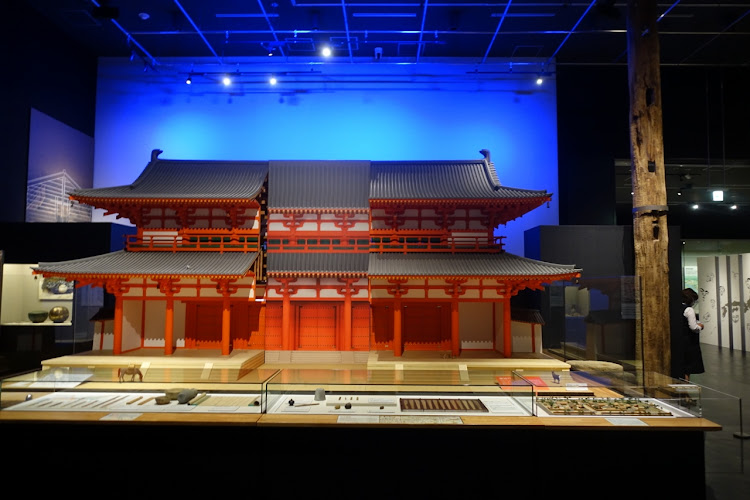
The National Museum of Japanese History, often called “Rekihaku” by locals, is one of those places that really makes you pause and think about just how far Japan has come through the centuries. It’s not your typical museum where you just shuffle past glass cases of artifacts. Instead, it feels like you’re stepping into a living timeline, stretching from Japan’s prehistoric beginnings all the way into the modern era. The museum is spread across a huge space, and honestly, the first time I walked through its halls, I was surprised by how immersive it felt. There are life-sized reconstructions, interactive displays, and even a botanical garden outside that ties in with the historical themes inside. It’s not just about seeing history—it’s about experiencing it.
What makes this museum stand out is how it balances academic depth with accessibility. Scholars can dive into detailed research, while families with kids can enjoy hands-on exhibits and wide open areas that don’t feel stuffy. And yes, it’s big. You’ll want to pace yourself because it’s easy to spend half a day here without realizing how much time has passed. Some people find it overwhelming, but for me, that’s part of the charm. It’s like opening a giant book of Japan’s story, one that doesn’t shy away from the details.
The atmosphere is calm and reflective, but not boring. You’ll see school groups buzzing with energy, locals who come back again and again, and travelers like yourself who are curious to piece together Japan’s cultural puzzle. It’s a museum that manages to feel both grand and approachable at the same time, which is not an easy balance to strike.
Key Features
- Six main exhibition halls covering ancient to contemporary Japanese history
- Life-sized reconstructions of historical scenes and artifacts
- Special exhibits that rotate throughout the year, often focusing on unique cultural themes
- A themed botanical garden that connects natural history with cultural traditions
- On-site restaurant serving Japanese meals and snacks
- Gift shop with books, crafts, and museum-exclusive souvenirs
- Wheelchair accessible facilities, parking, and restrooms
- Family-friendly amenities including changing tables and open spaces for children
- Large on-site parking area, making it convenient for those traveling by car
Best Time to Visit
Timing your visit can make a big difference. Weekdays are generally quieter, which means you can wander through the exhibits without feeling rushed. If you’re the type who likes to take your time reading every little panel (guilty as charged), then a weekday morning is perfect. Weekends, on the other hand, tend to be livelier with more families and tour groups. That’s not necessarily a bad thing—it adds energy to the place—but if you prefer a more contemplative experience, avoid the peak hours.
Season-wise, spring and autumn are particularly rewarding. The botanical garden bursts into life during cherry blossom season, and in autumn the foliage adds a beautiful backdrop to your museum day. Summer can be hot in Chiba, but the museum itself is air-conditioned, so it’s a nice escape from the heat. Winter is quieter, and there’s something cozy about spending a chilly day immersed in history indoors.
How to Get There
Reaching the museum is relatively straightforward, though it depends on how you like to travel. If you’re coming from Tokyo, the fastest route is usually by train. Sakura Station is the nearest major stop, and from there you can grab a bus or a short taxi ride to the museum. The ride itself is pleasant, giving you a glimpse of suburban Chiba with its slower pace compared to the capital.
Driving is also an option, especially if you’re traveling with family or planning to explore more of Chiba Prefecture. The museum has on-site parking, which is a big plus since not all cultural spots in Japan make it so easy for drivers. I’ve done both—train and car—and honestly, I prefer the train for the ease, but if you’ve got kids or luggage, driving might be the way to go.
Tips for Visiting
Here’s the thing: the museum is huge. Don’t try to see everything in one go unless you’re prepared to be on your feet for hours. My advice? Pick the sections that interest you most—maybe the prehistoric exhibits if you’re into archaeology, or the modern history halls if you’re curious about Japan’s rapid transformation in the 20th century. That way, you won’t burn out halfway through.
Bring comfortable shoes, because you’ll be walking a lot. And don’t skip the restaurant—it’s not just a cafeteria-style stop, but a nice little break where you can try Japanese dishes without leaving the grounds. The shop is worth a peek too, especially if you like thoughtful souvenirs. I once picked up a book there that I still flip through when I want a deeper dive into Japanese folklore.
If you’re traveling with kids, the museum is surprisingly family-friendly. There are open spaces where kids can stretch their legs, and interactive displays that keep them engaged. Just be mindful of pacing—kids might not have the stamina for a full day of history.
And here’s a little personal tip: don’t rush past the botanical garden. It’s easy to think of it as an “extra,” but it really ties the whole experience together. Walking among plants that have been part of Japan’s cultural story for centuries gives you a different perspective on how nature and history are intertwined.
All in all, the National Museum of Japanese History is one of those places that rewards curiosity. Whether you’re a history buff, a casual traveler, or just someone looking for a meaningful day trip outside Tokyo, it offers depth, variety, and a sense of connection to Japan’s past that you won’t easily forget.
Key Features
- Six main exhibition halls covering ancient to contemporary Japanese history
- Life-sized reconstructions of historical scenes and artifacts
- Special exhibits that rotate throughout the year, often focusing on unique cultural themes
- A themed botanical garden that connects natural history with cultural traditions
- On-site restaurant serving Japanese meals and snacks
- Gift shop with books, crafts, and museum-exclusive souvenirs
- Wheelchair accessible facilities, parking, and restrooms
- Family-friendly amenities including changing tables and open spaces for children
More Details
Updated October 1, 2025
Table of Contents
Description
The National Museum of Japanese History, often called “Rekihaku” by locals, is one of those places that really makes you pause and think about just how far Japan has come through the centuries. It’s not your typical museum where you just shuffle past glass cases of artifacts. Instead, it feels like you’re stepping into a living timeline, stretching from Japan’s prehistoric beginnings all the way into the modern era. The museum is spread across a huge space, and honestly, the first time I walked through its halls, I was surprised by how immersive it felt. There are life-sized reconstructions, interactive displays, and even a botanical garden outside that ties in with the historical themes inside. It’s not just about seeing history—it’s about experiencing it.
What makes this museum stand out is how it balances academic depth with accessibility. Scholars can dive into detailed research, while families with kids can enjoy hands-on exhibits and wide open areas that don’t feel stuffy. And yes, it’s big. You’ll want to pace yourself because it’s easy to spend half a day here without realizing how much time has passed. Some people find it overwhelming, but for me, that’s part of the charm. It’s like opening a giant book of Japan’s story, one that doesn’t shy away from the details.
The atmosphere is calm and reflective, but not boring. You’ll see school groups buzzing with energy, locals who come back again and again, and travelers like yourself who are curious to piece together Japan’s cultural puzzle. It’s a museum that manages to feel both grand and approachable at the same time, which is not an easy balance to strike.
Key Features
- Six main exhibition halls covering ancient to contemporary Japanese history
- Life-sized reconstructions of historical scenes and artifacts
- Special exhibits that rotate throughout the year, often focusing on unique cultural themes
- A themed botanical garden that connects natural history with cultural traditions
- On-site restaurant serving Japanese meals and snacks
- Gift shop with books, crafts, and museum-exclusive souvenirs
- Wheelchair accessible facilities, parking, and restrooms
- Family-friendly amenities including changing tables and open spaces for children
- Large on-site parking area, making it convenient for those traveling by car
Best Time to Visit
Timing your visit can make a big difference. Weekdays are generally quieter, which means you can wander through the exhibits without feeling rushed. If you’re the type who likes to take your time reading every little panel (guilty as charged), then a weekday morning is perfect. Weekends, on the other hand, tend to be livelier with more families and tour groups. That’s not necessarily a bad thing—it adds energy to the place—but if you prefer a more contemplative experience, avoid the peak hours.
Season-wise, spring and autumn are particularly rewarding. The botanical garden bursts into life during cherry blossom season, and in autumn the foliage adds a beautiful backdrop to your museum day. Summer can be hot in Chiba, but the museum itself is air-conditioned, so it’s a nice escape from the heat. Winter is quieter, and there’s something cozy about spending a chilly day immersed in history indoors.
How to Get There
Reaching the museum is relatively straightforward, though it depends on how you like to travel. If you’re coming from Tokyo, the fastest route is usually by train. Sakura Station is the nearest major stop, and from there you can grab a bus or a short taxi ride to the museum. The ride itself is pleasant, giving you a glimpse of suburban Chiba with its slower pace compared to the capital.
Driving is also an option, especially if you’re traveling with family or planning to explore more of Chiba Prefecture. The museum has on-site parking, which is a big plus since not all cultural spots in Japan make it so easy for drivers. I’ve done both—train and car—and honestly, I prefer the train for the ease, but if you’ve got kids or luggage, driving might be the way to go.
Tips for Visiting
Here’s the thing: the museum is huge. Don’t try to see everything in one go unless you’re prepared to be on your feet for hours. My advice? Pick the sections that interest you most—maybe the prehistoric exhibits if you’re into archaeology, or the modern history halls if you’re curious about Japan’s rapid transformation in the 20th century. That way, you won’t burn out halfway through.
Bring comfortable shoes, because you’ll be walking a lot. And don’t skip the restaurant—it’s not just a cafeteria-style stop, but a nice little break where you can try Japanese dishes without leaving the grounds. The shop is worth a peek too, especially if you like thoughtful souvenirs. I once picked up a book there that I still flip through when I want a deeper dive into Japanese folklore.
If you’re traveling with kids, the museum is surprisingly family-friendly. There are open spaces where kids can stretch their legs, and interactive displays that keep them engaged. Just be mindful of pacing—kids might not have the stamina for a full day of history.
And here’s a little personal tip: don’t rush past the botanical garden. It’s easy to think of it as an “extra,” but it really ties the whole experience together. Walking among plants that have been part of Japan’s cultural story for centuries gives you a different perspective on how nature and history are intertwined.
All in all, the National Museum of Japanese History is one of those places that rewards curiosity. Whether you’re a history buff, a casual traveler, or just someone looking for a meaningful day trip outside Tokyo, it offers depth, variety, and a sense of connection to Japan’s past that you won’t easily forget.
Key Highlights
- Six main exhibition halls covering ancient to contemporary Japanese history
- Life-sized reconstructions of historical scenes and artifacts
- Special exhibits that rotate throughout the year, often focusing on unique cultural themes
- A themed botanical garden that connects natural history with cultural traditions
- On-site restaurant serving Japanese meals and snacks
- Gift shop with books, crafts, and museum-exclusive souvenirs
- Wheelchair accessible facilities, parking, and restrooms
- Family-friendly amenities including changing tables and open spaces for children
Location
Places to Stay Near National Museum of Japanese History
Find and Book a Tour
Explore More Travel Guides
No reviews found! Be the first to review!
Traveler Reviews for National Museum of Japanese History
There are no reviews yet. Be the first one to write one.
Have you visited National Museum of Japanese History? Help other travelers by sharing your review.
Find Accommodations Nearby
Recommended Tours & Activities
Visitor Reviews
There are no reviews yet. Be the first one to write one.
Share Your Experience
Have you visited National Museum of Japanese History? Help other travelers by leaving a review.