
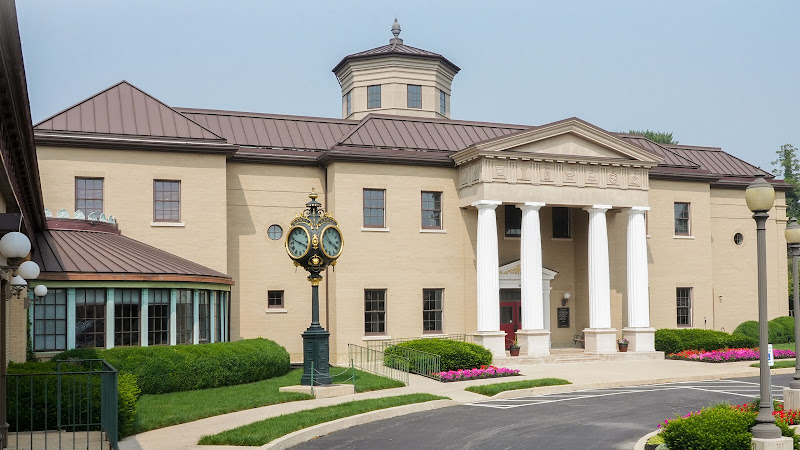
National Watch and Clock Museum
About National Watch and Clock Museum
Description
The National Watch and Clock Museum is one of those places that quietly surprises you. At first glance, you might think, “How much can there really be to say about clocks?” But once inside, you quickly realize it’s not just about ticking hands and gears—it’s about the entire story of how people across cultures and centuries have tried to measure time. The museum houses thousands of timepieces, from delicate pocket watches to massive tower clocks, each with its own backstory. It has grown into one of the largest collections of horological artifacts in North America, and honestly, it feels like walking through a living timeline of human ingenuity.
What makes it stand out is the way it blends science, art, and history. Some exhibits are jaw-dropping in their craftsmanship, while others are quirky or even a bit whimsical. You’ll see everything from ancient sundials to sleek modern wristwatches, with stops in between that showcase ornate European clocks, Japanese lantern clocks, and even some experimental pieces that never quite caught on. The museum doesn’t shy away from the technical side either—there are displays of the tools and machines used to craft these works of art, giving you a peek into the painstaking labor behind each piece.
It’s a family-friendly spot, but it’s also the kind of place where you’ll find enthusiasts lingering over the fine details. The vibe is welcoming, with staff and volunteers who genuinely love what they do. And while the majority of visitors leave impressed, it’s fair to say that if you’re not much into history or mechanics, you might not find every corner thrilling. Still, even casual travelers usually come away with at least one “wow” moment—whether it’s spotting a clock that’s been ticking for centuries or realizing just how much effort went into something as simple as telling time.
Key Features
- Over 13,000 timepieces from around the world, including clocks, watches, and rare artifacts
- Exhibits spanning from ancient sundials to modern digital innovations
- Interactive displays and educational programs for all ages
- Guided tours available for deeper insights into horology
- Wheelchair accessible entrances, restrooms, and even rentals for convenience
- Discounts for families, children, and active military members
- On-site gift shop stocked with unique horology-inspired items
- Free on-site parking, making it easy to plan a stress-free visit
Best Time to Visit
Timing your visit here can make a difference. Weekdays are usually quieter, so if you like to take your time without feeling rushed, that’s the way to go. Weekends tend to see more families and groups, which can make the museum feel a little more lively but also a bit busier around the most popular exhibits. If you’re the type who enjoys wandering without interruption, aim for a morning visit right when the doors open. The lighting in the galleries is also particularly nice at that time, making it easier to appreciate the fine details of the displays.
Seasonally, there’s really no bad time to come. The museum is indoors and climate-controlled, so you don’t have to worry about weather. That said, pairing a visit with the fall foliage in Lancaster County or a summer road trip through Pennsylvania Dutch Country can make the whole experience feel more memorable. Personally, I think autumn adds a certain charm—the ticking of old clocks just feels cozier when the air outside is crisp.
How to Get There
Reaching the museum isn’t complicated, though it does depend on where you’re starting from. If you’re coming from larger cities like Philadelphia or Baltimore, it’s about a 90-minute drive, mostly on highways with some scenic stretches once you get closer. From Harrisburg, the trip is shorter, around 30 minutes, making it an easy day trip option. Public transportation isn’t the most convenient here, so driving is definitely your best bet. The good news is that there’s free parking on-site, which takes the stress out of figuring out where to leave your car.
For those who like to mix travel with a little adventure, the museum is close to the Susquehanna River and other Lancaster County attractions. You could easily make it part of a longer itinerary—maybe spend the morning here, grab lunch nearby, and then explore some of the local shops or countryside. It’s one of those hidden gems that fits nicely into a broader travel plan.
Tips for Visiting
A few practical tips can make your visit smoother and more enjoyable. First, give yourself at least two hours. You might think you’ll breeze through, but the variety of exhibits has a way of pulling you in. If you’re traveling with kids, prepare for mixed reactions—some will be fascinated, others might lose interest quicker. The museum does try to keep younger visitors engaged with activities, but it’s worth knowing ahead of time.
Wear comfortable shoes because you’ll be doing a fair amount of walking, and bring a light sweater—galleries can sometimes feel a little cool. If you’re really into horology, consider joining one of the guided tours; they add a layer of storytelling that makes the artifacts come alive. And don’t skip the gift shop—it’s not just the usual souvenirs. You’ll find books, clock-themed gifts, and sometimes even handmade items that make for unique keepsakes.
One last piece of advice: slow down. It’s easy to rush from one display to the next, but the real magic is in the details. Some clocks have carvings so intricate you could stare at them for ten minutes and still notice something new. Take your time, listen to the ticking, and let yourself appreciate just how much effort humans have put into mastering time. After all, isn’t that what travel is really about—stepping outside the everyday rush and savoring the moment?
Key Features
- Over 13,000 timepieces from around the world, including clocks, watches, and rare artifacts
- Exhibits spanning from ancient sundials to modern digital innovations
- Interactive displays and educational programs for all ages
- Guided tours available for deeper insights into horology
- Wheelchair accessible entrances, restrooms, and even rentals for convenience
- Discounts for families, children, and active military members
- On-site gift shop stocked with unique horology-inspired items
- Free on-site parking, making it easy to plan a stress-free visit
More Details
Updated October 1, 2025
Table of Contents
Description
The National Watch and Clock Museum is one of those places that quietly surprises you. At first glance, you might think, “How much can there really be to say about clocks?” But once inside, you quickly realize it’s not just about ticking hands and gears—it’s about the entire story of how people across cultures and centuries have tried to measure time. The museum houses thousands of timepieces, from delicate pocket watches to massive tower clocks, each with its own backstory. It has grown into one of the largest collections of horological artifacts in North America, and honestly, it feels like walking through a living timeline of human ingenuity.
What makes it stand out is the way it blends science, art, and history. Some exhibits are jaw-dropping in their craftsmanship, while others are quirky or even a bit whimsical. You’ll see everything from ancient sundials to sleek modern wristwatches, with stops in between that showcase ornate European clocks, Japanese lantern clocks, and even some experimental pieces that never quite caught on. The museum doesn’t shy away from the technical side either—there are displays of the tools and machines used to craft these works of art, giving you a peek into the painstaking labor behind each piece.
It’s a family-friendly spot, but it’s also the kind of place where you’ll find enthusiasts lingering over the fine details. The vibe is welcoming, with staff and volunteers who genuinely love what they do. And while the majority of visitors leave impressed, it’s fair to say that if you’re not much into history or mechanics, you might not find every corner thrilling. Still, even casual travelers usually come away with at least one “wow” moment—whether it’s spotting a clock that’s been ticking for centuries or realizing just how much effort went into something as simple as telling time.
Key Features
- Over 13,000 timepieces from around the world, including clocks, watches, and rare artifacts
- Exhibits spanning from ancient sundials to modern digital innovations
- Interactive displays and educational programs for all ages
- Guided tours available for deeper insights into horology
- Wheelchair accessible entrances, restrooms, and even rentals for convenience
- Discounts for families, children, and active military members
- On-site gift shop stocked with unique horology-inspired items
- Free on-site parking, making it easy to plan a stress-free visit
Best Time to Visit
Timing your visit here can make a difference. Weekdays are usually quieter, so if you like to take your time without feeling rushed, that’s the way to go. Weekends tend to see more families and groups, which can make the museum feel a little more lively but also a bit busier around the most popular exhibits. If you’re the type who enjoys wandering without interruption, aim for a morning visit right when the doors open. The lighting in the galleries is also particularly nice at that time, making it easier to appreciate the fine details of the displays.
Seasonally, there’s really no bad time to come. The museum is indoors and climate-controlled, so you don’t have to worry about weather. That said, pairing a visit with the fall foliage in Lancaster County or a summer road trip through Pennsylvania Dutch Country can make the whole experience feel more memorable. Personally, I think autumn adds a certain charm—the ticking of old clocks just feels cozier when the air outside is crisp.
How to Get There
Reaching the museum isn’t complicated, though it does depend on where you’re starting from. If you’re coming from larger cities like Philadelphia or Baltimore, it’s about a 90-minute drive, mostly on highways with some scenic stretches once you get closer. From Harrisburg, the trip is shorter, around 30 minutes, making it an easy day trip option. Public transportation isn’t the most convenient here, so driving is definitely your best bet. The good news is that there’s free parking on-site, which takes the stress out of figuring out where to leave your car.
For those who like to mix travel with a little adventure, the museum is close to the Susquehanna River and other Lancaster County attractions. You could easily make it part of a longer itinerary—maybe spend the morning here, grab lunch nearby, and then explore some of the local shops or countryside. It’s one of those hidden gems that fits nicely into a broader travel plan.
Tips for Visiting
A few practical tips can make your visit smoother and more enjoyable. First, give yourself at least two hours. You might think you’ll breeze through, but the variety of exhibits has a way of pulling you in. If you’re traveling with kids, prepare for mixed reactions—some will be fascinated, others might lose interest quicker. The museum does try to keep younger visitors engaged with activities, but it’s worth knowing ahead of time.
Wear comfortable shoes because you’ll be doing a fair amount of walking, and bring a light sweater—galleries can sometimes feel a little cool. If you’re really into horology, consider joining one of the guided tours; they add a layer of storytelling that makes the artifacts come alive. And don’t skip the gift shop—it’s not just the usual souvenirs. You’ll find books, clock-themed gifts, and sometimes even handmade items that make for unique keepsakes.
One last piece of advice: slow down. It’s easy to rush from one display to the next, but the real magic is in the details. Some clocks have carvings so intricate you could stare at them for ten minutes and still notice something new. Take your time, listen to the ticking, and let yourself appreciate just how much effort humans have put into mastering time. After all, isn’t that what travel is really about—stepping outside the everyday rush and savoring the moment?
Key Highlights
- Over 13,000 timepieces from around the world, including clocks, watches, and rare artifacts
- Exhibits spanning from ancient sundials to modern digital innovations
- Interactive displays and educational programs for all ages
- Guided tours available for deeper insights into horology
- Wheelchair accessible entrances, restrooms, and even rentals for convenience
- Discounts for families, children, and active military members
- On-site gift shop stocked with unique horology-inspired items
- Free on-site parking, making it easy to plan a stress-free visit
Location
Places to Stay Near National Watch and Clock Museum
Find and Book a Tour
Explore More Travel Guides
No reviews found! Be the first to review!
Traveler Reviews for National Watch and Clock Museum
There are no reviews yet. Be the first one to write one.
Have you visited National Watch and Clock Museum? Help other travelers by sharing your review.
You Might Also Like
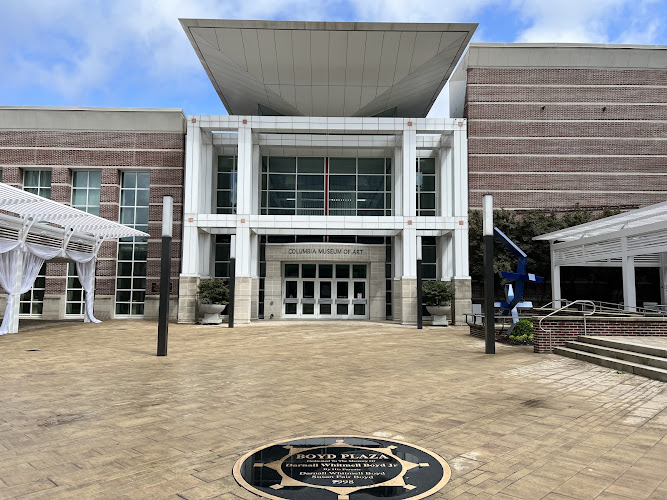
Columbia Museum of Art
Frankie’s Fun Park
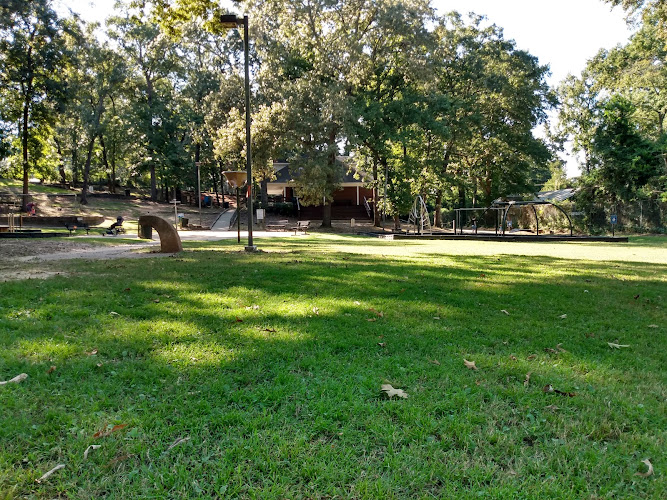
Emily Douglas Park
Find Accommodations Nearby
Recommended Tours & Activities
Visitor Reviews
There are no reviews yet. Be the first one to write one.
Share Your Experience
Have you visited National Watch and Clock Museum? Help other travelers by leaving a review.