
Chinar Tree
About Chinar Tree
Description
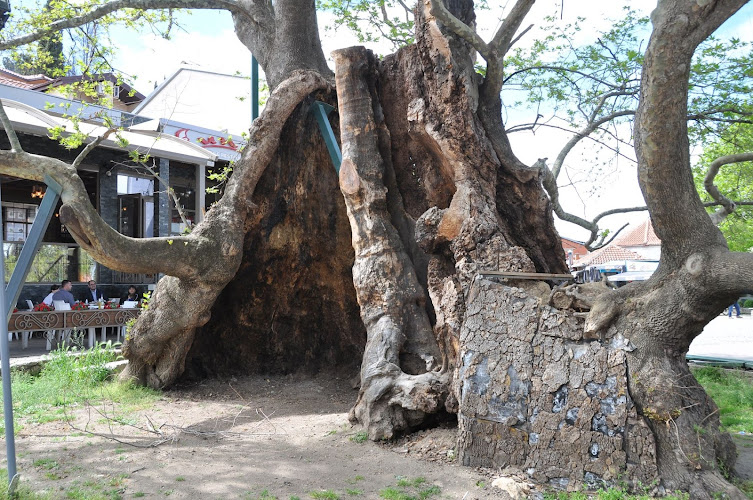
The majestic Chinar tree, also known as the Oriental Plane, stands as a living testament to Kashmir's natural heritage. These centuries-old giants, with their massive trunks and spreading canopies, have witnessed countless generations pass beneath their shade. I remember first encountering these remarkable trees during an autumn visit - their leaves had turned a spectacular crimson, creating a natural canopy that literally took my breath away. What really sets these trees apart is their sheer size - some reaching heights of over 150 feet! The bark naturally peels off in large flakes, revealing patches of white, olive, and yellow underneath, kinda like nature's own art installation. During summer, their broad maple-like leaves provide the perfect escape from the scorching sun, while autumn transforms them into blazing red and yellow beacons across the landscape.Key Features
• Massive spreading canopy that can span up to 100 feet wide • Distinctive maple-like leaves that change color dramatically with seasons • Deeply furrowed bark that peels naturally, creating unique patterns • Can live for several centuries, with some specimens over 600 years old • Hollow trunks in older trees often serve as natural shelters • Medicinal properties in bark and leaves used in traditional medicine • Natural air purifiers, removing significant amounts of pollutants • Crucial habitat for various bird species and small mammals • Distinctive reddish-brown fruit balls that hang during winter • Ability to withstand extreme temperature variationsBest Time to Visit
Look, if you're hoping to catch these magnificent trees in their full glory, you've gotta time it right. Fall is absolutely magical - usually from late October through November. That's when the leaves put on their most spectacular show, turning from green to brilliant shades of red and gold. But honestly? Each season offers something unique. Spring brings fresh, bright green leaves and new growth. Summer showcases their impressive shade-giving abilities (trust me, you'll appreciate this on hot days!). And winter? That's when you can really appreciate their architectural structure, with those beautiful bare branches against the sky. Just avoid visiting during heavy rain - the ground under these giants can get pretty slippery.How to Get There
Finding these remarkable trees isn't particularly challenging - they're scattered throughout Kashmir Valley, particularly in historic gardens and along major boulevards. You'll spot them in famous gardens like Shalimar and Nishat, where they're absolutely stunning. Many old neighborhoods and university campuses also feature impressive specimens. The trees are particularly concentrated in Srinagar, but you'll find notable examples throughout the region. Local buses and taxis can take you to most locations where these trees are found. And y'know what? Sometimes the best specimens are discovered just by wandering around the older parts of towns and villages.Tips for Visiting
First things first - bring your camera! These trees are incredibly photogenic, especially during sunrise and sunset when the light filters through the leaves. I learned this the hard way when I visited without one and regretted it immediately. Wear comfortable shoes with good grip, especially if you're planning to walk around the trees after rain. The fallen leaves can make the ground slippery. Early morning visits are best for photography and avoiding crowds, plus the light is simply gorgeous then. Consider bringing a picnic - many Chinar locations have perfect spots for spreading out a blanket. Just remember to respect these ancient beings - don't carve into the bark or climb the trees, as tempting as it might be. If you're interested in photography, autumn mornings often have a slight mist that creates amazing atmospheric shots. And don't forget to look up - the canopy view from directly underneath is spectacular, especially when sunlight filters through the leaves. Keep some distance from very old trees during strong winds - while they're generally stable, branches from ancient trees occasionally fall. Lastly, bring along a local guide if possible. They often know the best spots and can share fascinating historical stories about specific trees that you won't find in any guidebook.Key Features
- Key Features
- Best Time to Visit
- How to Get There
- Tips for Visiting
More Details
Updated May 16, 2025
Table of Contents
Description
The majestic Chinar tree, also known as the Oriental Plane, stands as a living testament to Kashmir’s natural heritage. These centuries-old giants, with their massive trunks and spreading canopies, have witnessed countless generations pass beneath their shade. I remember first encountering these remarkable trees during an autumn visit – their leaves had turned a spectacular crimson, creating a natural canopy that literally took my breath away.
What really sets these trees apart is their sheer size – some reaching heights of over 150 feet! The bark naturally peels off in large flakes, revealing patches of white, olive, and yellow underneath, kinda like nature’s own art installation. During summer, their broad maple-like leaves provide the perfect escape from the scorching sun, while autumn transforms them into blazing red and yellow beacons across the landscape.
Key Features
• Massive spreading canopy that can span up to 100 feet wide
• Distinctive maple-like leaves that change color dramatically with seasons
• Deeply furrowed bark that peels naturally, creating unique patterns
• Can live for several centuries, with some specimens over 600 years old
• Hollow trunks in older trees often serve as natural shelters
• Medicinal properties in bark and leaves used in traditional medicine
• Natural air purifiers, removing significant amounts of pollutants
• Crucial habitat for various bird species and small mammals
• Distinctive reddish-brown fruit balls that hang during winter
• Ability to withstand extreme temperature variations
Best Time to Visit
Look, if you’re hoping to catch these magnificent trees in their full glory, you’ve gotta time it right. Fall is absolutely magical – usually from late October through November. That’s when the leaves put on their most spectacular show, turning from green to brilliant shades of red and gold. But honestly? Each season offers something unique.
Spring brings fresh, bright green leaves and new growth. Summer showcases their impressive shade-giving abilities (trust me, you’ll appreciate this on hot days!). And winter? That’s when you can really appreciate their architectural structure, with those beautiful bare branches against the sky. Just avoid visiting during heavy rain – the ground under these giants can get pretty slippery.
How to Get There
Finding these remarkable trees isn’t particularly challenging – they’re scattered throughout Kashmir Valley, particularly in historic gardens and along major boulevards. You’ll spot them in famous gardens like Shalimar and Nishat, where they’re absolutely stunning. Many old neighborhoods and university campuses also feature impressive specimens.
The trees are particularly concentrated in Srinagar, but you’ll find notable examples throughout the region. Local buses and taxis can take you to most locations where these trees are found. And y’know what? Sometimes the best specimens are discovered just by wandering around the older parts of towns and villages.
Tips for Visiting
First things first – bring your camera! These trees are incredibly photogenic, especially during sunrise and sunset when the light filters through the leaves. I learned this the hard way when I visited without one and regretted it immediately.
Wear comfortable shoes with good grip, especially if you’re planning to walk around the trees after rain. The fallen leaves can make the ground slippery. Early morning visits are best for photography and avoiding crowds, plus the light is simply gorgeous then.
Consider bringing a picnic – many Chinar locations have perfect spots for spreading out a blanket. Just remember to respect these ancient beings – don’t carve into the bark or climb the trees, as tempting as it might be.
If you’re interested in photography, autumn mornings often have a slight mist that creates amazing atmospheric shots. And don’t forget to look up – the canopy view from directly underneath is spectacular, especially when sunlight filters through the leaves.
Keep some distance from very old trees during strong winds – while they’re generally stable, branches from ancient trees occasionally fall. Lastly, bring along a local guide if possible. They often know the best spots and can share fascinating historical stories about specific trees that you won’t find in any guidebook.
Key Highlights
- Key Features
- Best Time to Visit
- How to Get There
- Tips for Visiting
Location
Places to Stay Near Chinar Tree
Find and Book a Tour
Explore More Travel Guides
No reviews found! Be the first to review!
Traveler Reviews for Chinar Tree
There are no reviews yet. Be the first one to write one.
Have you visited Chinar Tree? Help other travelers by sharing your review.
You Might Also Like
Ohrid Old Fishing Boat

Kej Makedonija 10

Church of Saints Clement of Ohrid and Panteleimon
Find Accommodations Nearby
Recommended Tours & Activities
Visitor Reviews
There are no reviews yet. Be the first one to write one.
Share Your Experience
Have you visited Chinar Tree? Help other travelers by leaving a review.