
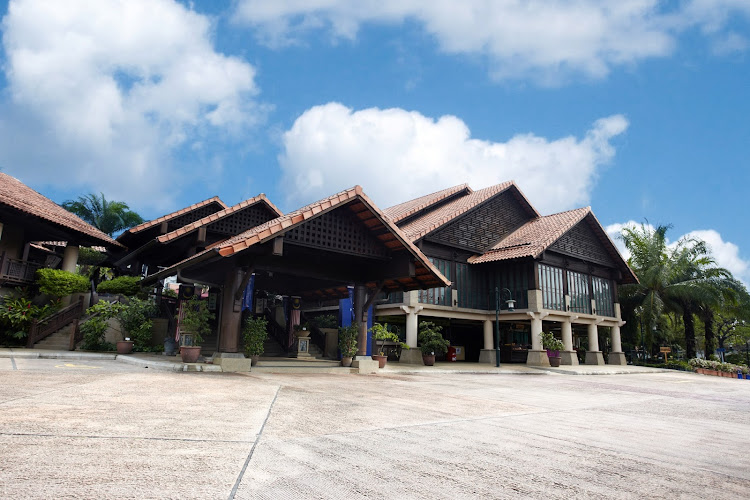
Taman Warisan Pertanian Putrajaya
About Taman Warisan Pertanian Putrajaya
Description
Taman Warisan Pertanian stands as Malaysia's tribute to its agricultural roots, offering visitors a fascinating glimpse into the country's farming heritage that shaped its economic foundation. This 9-acre educational park in Putrajaya's Presint 16 tells the story of Malaysia's transformation from an agriculture-based economy to the manufacturing powerhouse it is today.
Walking through these grounds feels like stepping back in time – and honestly, it's pretty remarkable how they've preserved pieces of the original Prang Besar Estates right here. The park houses authentic rubber plots alongside 1,500 mature rubber trees from 71 different clones, including the famous RRIM600 and PB260 varieties that once dominated Malaysian plantations.
What makes this place special isn't just the history though. It's how they've managed to create an interactive experience where families can actually touch, smell, and learn about crops that built modern Malaysia. The educational displays are surprisingly engaging, and you'll find yourself discovering plants and farming techniques you never knew existed.
The park combines learning with leisure perfectly – there's a food court serving local specialties and souvenir shops where you can pick up unique agricultural products. It's definitely more substantial than your typical tourist trap, offering genuine insights into traditional farming methods while keeping things accessible for kids and adults alike.
Key Features
Visitors to Taman Warisan Pertanian will discover an impressive array of agricultural exhibits and experiences that showcase Malaysia's farming diversity:
- Original Rubber Estate: Authentic rubber plots from the historic Prang Besar Estates with 1,500 adult rubber trees representing 71 different clones
- Tropical Fruit Orchards: Extensive collection of native Malaysian fruit trees including durian, rambutan, mangosteen, and lesser-known varieties
- Spice and Herb Gardens: Living displays of traditional Malaysian spices like lemongrass, galangal, turmeric, and aromatic herbs used in local cuisine
- Commercial Crop Sections: Educational areas featuring palm oil, tea, coffee, and other cash crops that drive Malaysia's agricultural economy
- Interactive Learning Stations: Hands-on exhibits explaining traditional farming techniques and agricultural processing methods
- Heritage Farming Equipment: Vintage tools and machinery that demonstrate how Malaysian farmers worked the land historically
- Picnic Areas: Shaded spots perfect for families to relax and enjoy packed meals or treats from the on-site food court
- Walking Trails: Well-maintained paths suitable for light hiking and wheelchair access throughout the park
- Gift Shop: Unique agricultural products, seeds, and locally-made souvenirs unavailable elsewhere
- Educational Programs: Scheduled tours and workshops that dive deeper into Malaysia's agricultural heritage
Best Time to Visit
The optimal time to experience Taman Warisan Pertanian is during Malaysia's dry season from March to October, when you can explore the outdoor exhibits comfortably without worrying about sudden downpours. But here's the thing – this park actually offers different experiences depending on when you visit.
Early morning visits between 8:00 AM and 10:00 AM provide the most pleasant weather conditions. The temperature stays manageable, and you'll catch the park when it's less crowded. Plus, many of the fruit trees and flowering plants look their best in the soft morning light.
Weekdays generally offer a more peaceful experience compared to weekends, especially if you're traveling with young children who might get overwhelmed by larger crowds. School holidays can get quite busy, so plan accordingly if you prefer a quieter visit.
The rainy season from November to February shouldn't completely deter you though. The vegetation appears more lush during this period, and the cooler temperatures actually make walking around more comfortable. Just bring an umbrella and check the weather forecast before heading out.
Fruit enthusiasts should time their visit with durian season (typically June to August) when many of the tropical fruit trees are bearing fruit. You might even get to taste fresh samples depending on what's in season during your visit.
Avoid visiting during major Malaysian holidays like Hari Raya or Chinese New Year when the park experiences peak visitor numbers and parking becomes challenging.
How to Get There
Getting to Taman Warisan Pertanian is straightforward once you know the route, though first-time visitors sometimes get turned around in Putrajaya's planned city layout.
By car, the park sits in Presint 16, and you'll want to follow signs toward the government administrative areas. The drive from Kuala Lumpur typically takes 45 minutes to an hour depending on traffic. Parking is available on-site and includes wheelchair-accessible spaces, though it can fill up during peak times.
Public transportation requires a bit more planning but is definitely doable. Take the KLIA Transit to Putrajaya & Cyberjaya Station, then catch bus route T1, T2, or T3 to reach Presint 16. The bus stops are well-marked, and the journey adds about 20 minutes to your total travel time.
Ride-sharing services like Grab work well for this destination, especially if you're staying in central Kuala Lumpur or nearby areas. The drivers are familiar with the location, and you won't need to worry about parking.
If you're combining your visit with other Putrajaya attractions, consider renting a bicycle from one of the many rental stations around the city. The cycling paths are well-maintained and offer a scenic route to the park, though this works best during cooler parts of the day.
For international visitors staying in hotels around KLIA or KLIA2, the park makes an excellent stopover before or after flights. It's roughly 30 minutes from either airport by taxi or rental car.
Tips for Visiting
Wear comfortable walking shoes – and I mean really comfortable ones. The park covers substantial ground, and you'll be doing more walking than you might expect. Sneakers or hiking sandals work better than flip-flops or dress shoes.
Bring insect repellent, especially during the warmer months. The lush vegetation attracts mosquitoes and other bugs, particularly in the rubber tree sections and near water features. You'll thank yourself later for this simple precaution.
Download offline maps or take screenshots of the park layout before your visit. While the main paths are well-marked, some of the specialty garden areas can be easy to miss if you don't know where to look.
The food court offers decent local options, but prices are slightly higher than what you'd find outside the park. If you're budget-conscious, consider bringing your own drinks and snacks for the picnic areas.
Plan at least 2-3 hours for a thorough visit. Rushing through defeats the educational purpose, and you'll miss some of the more interesting displays tucked away in quieter sections.
Ask the staff about seasonal activities and workshops. They often run special programs that aren't heavily advertised but add significant value to your visit. The staff members are generally knowledgeable and happy to share insights about the plants and agricultural practices.
Photography enthusiasts should bring a macro lens if possible. The variety of flowers, fruits, and insects provides excellent close-up opportunities that regular phone cameras might struggle with.
Visit the gift shop near the end of your stay rather than at the beginning. You'll have a better appreciation for the products after learning about the agricultural processes, and you won't need to carry purchases around during your walk.
Check if guided tours are available during your visit. While the park is perfectly enjoyable on your own, the guides often share stories and technical details that aren't included in the written displays.
Finally, manage your expectations appropriately. This isn't a high-tech theme park or a manicured botanical garden. It's an educational facility that prioritizes authentic agricultural heritage over flashy presentations, and that's exactly what makes it valuable for visitors genuinely interested in Malaysia's farming history.
Key Features
- Key Features
- Best Time to Visit
- How to Get There
- Tips for Visiting
More Details
Updated September 13, 2025
Table of Contents
Description
Taman Warisan Pertanian stands as Malaysia’s tribute to its agricultural roots, offering visitors a fascinating glimpse into the country’s farming heritage that shaped its economic foundation. This 9-acre educational park in Putrajaya’s Presint 16 tells the story of Malaysia’s transformation from an agriculture-based economy to the manufacturing powerhouse it is today.
Walking through these grounds feels like stepping back in time – and honestly, it’s pretty remarkable how they’ve preserved pieces of the original Prang Besar Estates right here. The park houses authentic rubber plots alongside 1,500 mature rubber trees from 71 different clones, including the famous RRIM600 and PB260 varieties that once dominated Malaysian plantations.
What makes this place special isn’t just the history though. It’s how they’ve managed to create an interactive experience where families can actually touch, smell, and learn about crops that built modern Malaysia. The educational displays are surprisingly engaging, and you’ll find yourself discovering plants and farming techniques you never knew existed.
The park combines learning with leisure perfectly – there’s a food court serving local specialties and souvenir shops where you can pick up unique agricultural products. It’s definitely more substantial than your typical tourist trap, offering genuine insights into traditional farming methods while keeping things accessible for kids and adults alike.
Key Features
Visitors to Taman Warisan Pertanian will discover an impressive array of agricultural exhibits and experiences that showcase Malaysia’s farming diversity:
- Original Rubber Estate: Authentic rubber plots from the historic Prang Besar Estates with 1,500 adult rubber trees representing 71 different clones
- Tropical Fruit Orchards: Extensive collection of native Malaysian fruit trees including durian, rambutan, mangosteen, and lesser-known varieties
- Spice and Herb Gardens: Living displays of traditional Malaysian spices like lemongrass, galangal, turmeric, and aromatic herbs used in local cuisine
- Commercial Crop Sections: Educational areas featuring palm oil, tea, coffee, and other cash crops that drive Malaysia’s agricultural economy
- Interactive Learning Stations: Hands-on exhibits explaining traditional farming techniques and agricultural processing methods
- Heritage Farming Equipment: Vintage tools and machinery that demonstrate how Malaysian farmers worked the land historically
- Picnic Areas: Shaded spots perfect for families to relax and enjoy packed meals or treats from the on-site food court
- Walking Trails: Well-maintained paths suitable for light hiking and wheelchair access throughout the park
- Gift Shop: Unique agricultural products, seeds, and locally-made souvenirs unavailable elsewhere
- Educational Programs: Scheduled tours and workshops that dive deeper into Malaysia’s agricultural heritage
Best Time to Visit
The optimal time to experience Taman Warisan Pertanian is during Malaysia’s dry season from March to October, when you can explore the outdoor exhibits comfortably without worrying about sudden downpours. But here’s the thing – this park actually offers different experiences depending on when you visit.
Early morning visits between 8:00 AM and 10:00 AM provide the most pleasant weather conditions. The temperature stays manageable, and you’ll catch the park when it’s less crowded. Plus, many of the fruit trees and flowering plants look their best in the soft morning light.
Weekdays generally offer a more peaceful experience compared to weekends, especially if you’re traveling with young children who might get overwhelmed by larger crowds. School holidays can get quite busy, so plan accordingly if you prefer a quieter visit.
The rainy season from November to February shouldn’t completely deter you though. The vegetation appears more lush during this period, and the cooler temperatures actually make walking around more comfortable. Just bring an umbrella and check the weather forecast before heading out.
Fruit enthusiasts should time their visit with durian season (typically June to August) when many of the tropical fruit trees are bearing fruit. You might even get to taste fresh samples depending on what’s in season during your visit.
Avoid visiting during major Malaysian holidays like Hari Raya or Chinese New Year when the park experiences peak visitor numbers and parking becomes challenging.
How to Get There
Getting to Taman Warisan Pertanian is straightforward once you know the route, though first-time visitors sometimes get turned around in Putrajaya’s planned city layout.
By car, the park sits in Presint 16, and you’ll want to follow signs toward the government administrative areas. The drive from Kuala Lumpur typically takes 45 minutes to an hour depending on traffic. Parking is available on-site and includes wheelchair-accessible spaces, though it can fill up during peak times.
Public transportation requires a bit more planning but is definitely doable. Take the KLIA Transit to Putrajaya & Cyberjaya Station, then catch bus route T1, T2, or T3 to reach Presint 16. The bus stops are well-marked, and the journey adds about 20 minutes to your total travel time.
Ride-sharing services like Grab work well for this destination, especially if you’re staying in central Kuala Lumpur or nearby areas. The drivers are familiar with the location, and you won’t need to worry about parking.
If you’re combining your visit with other Putrajaya attractions, consider renting a bicycle from one of the many rental stations around the city. The cycling paths are well-maintained and offer a scenic route to the park, though this works best during cooler parts of the day.
For international visitors staying in hotels around KLIA or KLIA2, the park makes an excellent stopover before or after flights. It’s roughly 30 minutes from either airport by taxi or rental car.
Tips for Visiting
Wear comfortable walking shoes – and I mean really comfortable ones. The park covers substantial ground, and you’ll be doing more walking than you might expect. Sneakers or hiking sandals work better than flip-flops or dress shoes.
Bring insect repellent, especially during the warmer months. The lush vegetation attracts mosquitoes and other bugs, particularly in the rubber tree sections and near water features. You’ll thank yourself later for this simple precaution.
Download offline maps or take screenshots of the park layout before your visit. While the main paths are well-marked, some of the specialty garden areas can be easy to miss if you don’t know where to look.
The food court offers decent local options, but prices are slightly higher than what you’d find outside the park. If you’re budget-conscious, consider bringing your own drinks and snacks for the picnic areas.
Plan at least 2-3 hours for a thorough visit. Rushing through defeats the educational purpose, and you’ll miss some of the more interesting displays tucked away in quieter sections.
Ask the staff about seasonal activities and workshops. They often run special programs that aren’t heavily advertised but add significant value to your visit. The staff members are generally knowledgeable and happy to share insights about the plants and agricultural practices.
Photography enthusiasts should bring a macro lens if possible. The variety of flowers, fruits, and insects provides excellent close-up opportunities that regular phone cameras might struggle with.
Visit the gift shop near the end of your stay rather than at the beginning. You’ll have a better appreciation for the products after learning about the agricultural processes, and you won’t need to carry purchases around during your walk.
Check if guided tours are available during your visit. While the park is perfectly enjoyable on your own, the guides often share stories and technical details that aren’t included in the written displays.
Finally, manage your expectations appropriately. This isn’t a high-tech theme park or a manicured botanical garden. It’s an educational facility that prioritizes authentic agricultural heritage over flashy presentations, and that’s exactly what makes it valuable for visitors genuinely interested in Malaysia’s farming history.
Key Highlights
- Key Features
- Best Time to Visit
- How to Get There
- Tips for Visiting
Location
Places to Stay Near Taman Warisan Pertanian Putrajaya
Find and Book a Tour
Explore More Travel Guides
No reviews found! Be the first to review!
Traveler Reviews for Taman Warisan Pertanian Putrajaya
There are no reviews yet. Be the first one to write one.
Have you visited Taman Warisan Pertanian Putrajaya? Help other travelers by sharing your review.
You Might Also Like
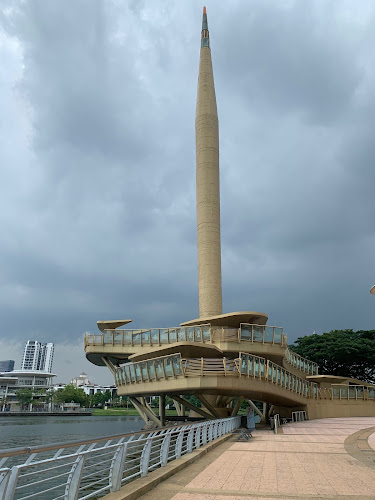
Millennium Monument
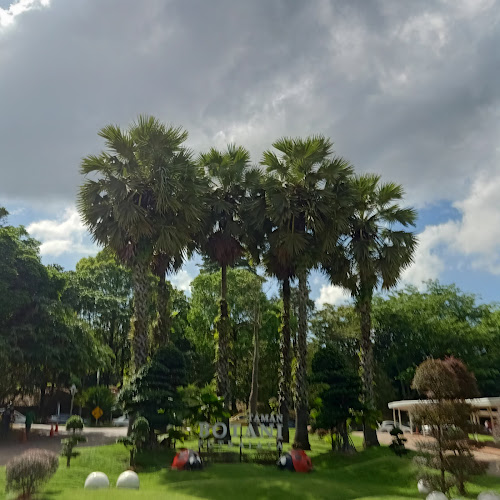
Taman Botani Putrajaya

Dataran Pahlawan Negara
Find Accommodations Nearby
Recommended Tours & Activities
Visitor Reviews
There are no reviews yet. Be the first one to write one.
Share Your Experience
Have you visited Taman Warisan Pertanian Putrajaya? Help other travelers by leaving a review.