
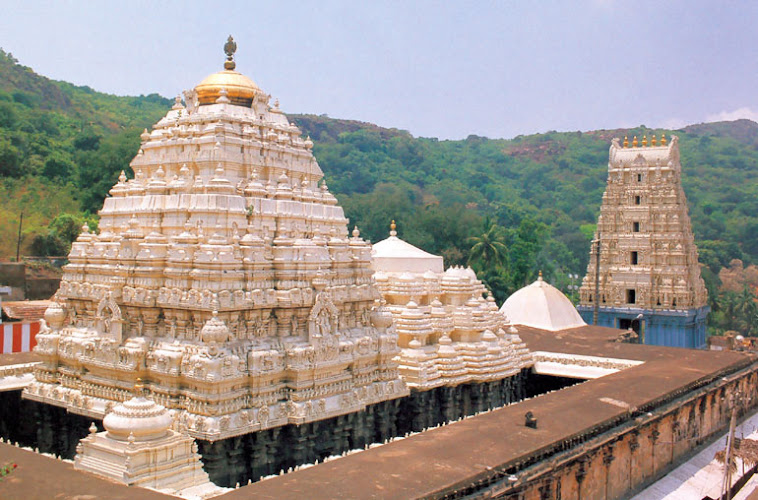
Shri Varahalakshmi Narasimha Swami Temple
About Shri Varahalakshmi Narasimha Swami Temple
Description
The Shri Varahalakshmi Narasimha Swami Temple, known locally as Simhachalam Devasthanam, stands as one of the most revered Hindu temples in Andhra Pradesh. Sitting proudly atop the Simhachalam Hill, it’s a serene blend of spirituality, heritage, and age-old devotion that captures every traveler’s imagination. Dedicated to Lord Narasimha, an incarnation of Lord Vishnu who took the form of a half-man, half-lion, this temple is no ordinary shrine—it carries centuries of stories, rituals, and architectural marvels that continue to inspire awe.
At first glance, the temple’s exterior showcases typical Kalinga architectural style, complete with intricately carved pillars, detailed stonework of mythological scenes, and a sanctum that gives off an air of deep sanctity. The temple’s name itself combines three divine figures—Varaha (the boar incarnation of Vishnu), Lakshmi (the goddess of wealth), and Narasimha (the fierce protector form of Vishnu)—reflecting the fusion of different Vishnu incarnations. This unique form of worship distinguishes the temple not just within Andhra Pradesh, but across India’s temple landscape.
Stepping inside, visitors often pause at the sanctum sanctorum, where the presiding deity is kept covered with sandalwood paste throughout the year. Only once a year, during the famed Chandanotsavam festival, the paste is removed, revealing the idol’s original form of Varaha Lakshmi Narasimha Swami to devotees. For many, this annual unveiling is an emotional experience—it represents purity, transformation, and a deep connection with the divine that words can hardly describe. Having personally attended this ceremony, I can say the collective chant of the devotees, the scent of sandalwood hanging thick in the air, and the grandeur of the event stay with you long after you’ve left the hill.
The temple’s history takes us back to the early 11th century, with inscriptions that date to the reign of Chola and Eastern Ganga dynasties. It’s said that King Narasingha Deva and later Emperor Krishnadeva Raya contributed generously to its construction and expansion. The temple architecture reflects their devotion and craftsmanship—each sculpture, each curve, and even the way light filters into the main shrine feels intentional and sacred. There’s even a legend that Lord Vishnu appeared here for his devotee Prahlada, who is said to have worshipped this form of the Lord. Whether or not one believes in legends, the palpable sense of spiritual energy on the hill is undeniable.
Today, the temple is well maintained by the Simhachalam Devasthanam board, with facilities that make the visit comfortable for travelers. It’s wheelchair accessible, and those arriving by car will find ample free parking available. Restrooms are maintained neatly, and the temple administration organizes crowd management effectively, especially during festival seasons when thousands of devotees make the uphill pilgrimage for darshan. With over thousands of visitors each week, the temple still manages to retain an atmosphere of peace—something that’s becoming rare in popular tourist sites these days.
Key Features
- Deity: The main deity, Varaha Lakshmi Narasimha Swami, represents the combination of two Vishnu incarnations—Varaha and Narasimha—with his image covered in sandalwood paste except for one day each year.
- Architectural style: Built in Kalinga style, featuring intricately sculpted pillars, stone carvings depicting scenes from the Puranas, and an elevated sanctum that echoes ancient craftsmanship.
- Annual Festival: The grand Chandanotsavam festival, held every year around May, draws massive crowds for the unveiling of the deity’s original form.
- Accessibility: Wheelchair-friendly entrance and parking make it accessible for all visitors.
- Peaceful Ambience: The serene setting atop Simhachalam Hill offers panoramic views of Visakhapatnam, adding a meditative calm to the spiritual experience.
- Rich History: Inscriptions dating back centuries tell stories of successive rulers who contributed to the temple’s construction, including Chola and Ganga kings.
- Darshan Experience: Well-organized queue systems ensure smooth darshan for devotees, even during high-traffic days.
- Cultural Importance: A major pilgrimage destination in Andhra Pradesh, often cited among the most significant Narasimha temples in India.
Best Time to Visit
While the Simhachalam Temple welcomes visitors year-round, the months between November and February are particularly lovely. The air is cool, the climb up the hill feels refreshing, and you can truly enjoy the views without sweating through your clothes. If you’re a spiritual traveler drawn to cultural events, plan your visit around May during the Chandanotsavam festival. That’s the only day of the year when the idol’s sandalwood covering is removed, allowing devotees a glimpse of the deity’s true form. But be warned—it’s crowded, and accommodations in Visakhapatnam fill up fast around this time. So book early if you plan to witness this spectacle.
For photographers and those who love quiet contemplation, early mornings and late evenings offer magical light and fewer crowds. Watching the sun rise behind the temple’s gopuram is one of those little moments that make travel worthwhile. And if you’ve got a thing for monsoon moods, visiting in August or September can be mesmerising—the hill turns lush green and the temple seems to emerge from a dreamlike mist. Just keep a rain jacket handy though; the hill’s pathways can get slippery after a downpour.
How to Get There
The temple is located about 16 kilometers from the heart of Visakhapatnam city. Travelers can reach the temple by multiple routes and modes of transport depending on their preferences and schedule. If you’re flying in, the nearest airport is Vishakhapatnam International Airport, well-connected with major Indian cities. From there, taxis and app-based cabs can take you straight to Simhachalam Hill, taking roughly 45 minutes depending on traffic.
For those arriving by train, Visakhapatnam Railway Station serves as a convenient hub, just a short drive from the temple. Buses also run regularly from Dwaraka Bus Station in Visakhapatnam to the Simhachalam foot of the hill. If you’re feeling adventurous or spiritually inclined, you can even walk up the well-laid steps from the base to the temple—it’s about 1,200 steps in total, offering small resting pavilions along the way for pilgrims to catch their breath. The climb might sound daunting, but the sense of accomplishment and the view from the top make every drop of sweat worth it. Visitors who prefer not to walk can take auto rickshaws or shared jeeps that operate up the hill.
Driving your own vehicle? Good choice. The road leading up to the temple is wide and well maintained. Plus, there’s free parking at the top near the temple complex, which takes away the usual stress of finding space. Just avoid peak festival hours, since traffic leading up to the hill can crawl at a snail’s pace.
Tips for Visiting
To make your trip to the Shri Varahalakshmi Narasimha Swami Temple as smooth and enjoyable as possible, here are a few practical—and a few personal—tips I’ve gathered from visiting multiple times:
- Arrive early: The temple gates open early in the morning, and that’s the best time for a peaceful darshan before the crowd builds up.
- Dress modestly: As with most Hindu temples in India, modest attire is expected. Comfortable cotton clothing works best for the humid Andhra coast.
- Respect rituals: Don’t miss the traditional Arati, even if you’re not deeply religious. The rhythmic chants and flickering lamps create a deeply spiritual experience.
- Stay hydrated: Carry a small bottle of water—walking through the temple complex under the southern sun can be tiring.
- Footwear: Temple rules require visitors to remove shoes before entering, so wear slippers that are easy to slip on and off.
- Avoid peak hours: Midday crowds can get overwhelming, so plan your visit during the early morning or late evening for a calmer experience.
- Photography: While photography is allowed in outer areas, avoid capturing images inside the sanctum as it’s considered disrespectful.
- Combine your visit: The surrounding region offers scenic viewpoints and small local markets selling prasadam and souvenirs—great spots for a post-darshan stroll.
- Festival days: If you’re visiting during Chandanotsavam, be prepared for long queues but also for an unforgettable atmosphere of devotion and festivity.
And one more thing—if you can spare a few hours, just sit quietly near the temple courtyard after darshan. Listen to the temple bells echoing through the hill, feel the breeze carrying the scent of sandalwood and incense, and watch the play of light over the stone carvings. There’s a certain stillness here that gently silences city noise inside you. Traveling to places like this isn’t just for sightseeing—it’s for moments that change how you see the world, even if just a little.
Whether you come as a devotee, a history buff, or a curious traveler exploring the cultural heart of Andhra Pradesh, the Shri Varahalakshmi Narasimha Swami Temple in Simhachalam offers a journey that is both spiritual and grounding. It’s not merely about reaching the top of a hill—it’s about connecting with something timeless that has drawn people here for over a thousand years. And that, no matter how many temples you’ve seen across India, is a feeling you’ll want to revisit again.
Key Features
- Deity: Unique Varaha Lakshmi Narasimha idol (lion-headed Vishnu) in tribal-style tribhanga posture
- Hilltop location on Simhachalam with panoramic views over Visakhapatnam
- Historic architecture and ornate pillars reflecting regional Andhra temple design
- Vibrant festivals and rituals, notably the annual Chandanotsavam and Brahmotsavams
- Active pilgrimage site with daily pujas, prasad distribution, and local temple customs
More Details
Updated October 20, 2025
Table of Contents
- Description
- Key Features
- Best Time to Visit
- How to Get There
- Tips for Visiting
- Key Highlights
- Location
- Places to Stay Near Shri Varahalakshmi Narasimha Swami Temple
- Find and Book a Tour
- Explore More Travel Guides
- Nearby Places You Might Like
- Traveler Reviews for Shri Varahalakshmi Narasimha Swami Temple
- Share Your Experience
Description
The Shri Varahalakshmi Narasimha Swami Temple, known locally as Simhachalam Devasthanam, stands as one of the most revered Hindu temples in Andhra Pradesh. Sitting proudly atop the Simhachalam Hill, it’s a serene blend of spirituality, heritage, and age-old devotion that captures every traveler’s imagination. Dedicated to Lord Narasimha, an incarnation of Lord Vishnu who took the form of a half-man, half-lion, this temple is no ordinary shrine—it carries centuries of stories, rituals, and architectural marvels that continue to inspire awe.
At first glance, the temple’s exterior showcases typical Kalinga architectural style, complete with intricately carved pillars, detailed stonework of mythological scenes, and a sanctum that gives off an air of deep sanctity. The temple’s name itself combines three divine figures—Varaha (the boar incarnation of Vishnu), Lakshmi (the goddess of wealth), and Narasimha (the fierce protector form of Vishnu)—reflecting the fusion of different Vishnu incarnations. This unique form of worship distinguishes the temple not just within Andhra Pradesh, but across India’s temple landscape.
Stepping inside, visitors often pause at the sanctum sanctorum, where the presiding deity is kept covered with sandalwood paste throughout the year. Only once a year, during the famed Chandanotsavam festival, the paste is removed, revealing the idol’s original form of Varaha Lakshmi Narasimha Swami to devotees. For many, this annual unveiling is an emotional experience—it represents purity, transformation, and a deep connection with the divine that words can hardly describe. Having personally attended this ceremony, I can say the collective chant of the devotees, the scent of sandalwood hanging thick in the air, and the grandeur of the event stay with you long after you’ve left the hill.
The temple’s history takes us back to the early 11th century, with inscriptions that date to the reign of Chola and Eastern Ganga dynasties. It’s said that King Narasingha Deva and later Emperor Krishnadeva Raya contributed generously to its construction and expansion. The temple architecture reflects their devotion and craftsmanship—each sculpture, each curve, and even the way light filters into the main shrine feels intentional and sacred. There’s even a legend that Lord Vishnu appeared here for his devotee Prahlada, who is said to have worshipped this form of the Lord. Whether or not one believes in legends, the palpable sense of spiritual energy on the hill is undeniable.
Today, the temple is well maintained by the Simhachalam Devasthanam board, with facilities that make the visit comfortable for travelers. It’s wheelchair accessible, and those arriving by car will find ample free parking available. Restrooms are maintained neatly, and the temple administration organizes crowd management effectively, especially during festival seasons when thousands of devotees make the uphill pilgrimage for darshan. With over thousands of visitors each week, the temple still manages to retain an atmosphere of peace—something that’s becoming rare in popular tourist sites these days.
Key Features
- Deity: The main deity, Varaha Lakshmi Narasimha Swami, represents the combination of two Vishnu incarnations—Varaha and Narasimha—with his image covered in sandalwood paste except for one day each year.
- Architectural style: Built in Kalinga style, featuring intricately sculpted pillars, stone carvings depicting scenes from the Puranas, and an elevated sanctum that echoes ancient craftsmanship.
- Annual Festival: The grand Chandanotsavam festival, held every year around May, draws massive crowds for the unveiling of the deity’s original form.
- Accessibility: Wheelchair-friendly entrance and parking make it accessible for all visitors.
- Peaceful Ambience: The serene setting atop Simhachalam Hill offers panoramic views of Visakhapatnam, adding a meditative calm to the spiritual experience.
- Rich History: Inscriptions dating back centuries tell stories of successive rulers who contributed to the temple’s construction, including Chola and Ganga kings.
- Darshan Experience: Well-organized queue systems ensure smooth darshan for devotees, even during high-traffic days.
- Cultural Importance: A major pilgrimage destination in Andhra Pradesh, often cited among the most significant Narasimha temples in India.
Best Time to Visit
While the Simhachalam Temple welcomes visitors year-round, the months between November and February are particularly lovely. The air is cool, the climb up the hill feels refreshing, and you can truly enjoy the views without sweating through your clothes. If you’re a spiritual traveler drawn to cultural events, plan your visit around May during the Chandanotsavam festival. That’s the only day of the year when the idol’s sandalwood covering is removed, allowing devotees a glimpse of the deity’s true form. But be warned—it’s crowded, and accommodations in Visakhapatnam fill up fast around this time. So book early if you plan to witness this spectacle.
For photographers and those who love quiet contemplation, early mornings and late evenings offer magical light and fewer crowds. Watching the sun rise behind the temple’s gopuram is one of those little moments that make travel worthwhile. And if you’ve got a thing for monsoon moods, visiting in August or September can be mesmerising—the hill turns lush green and the temple seems to emerge from a dreamlike mist. Just keep a rain jacket handy though; the hill’s pathways can get slippery after a downpour.
How to Get There
The temple is located about 16 kilometers from the heart of Visakhapatnam city. Travelers can reach the temple by multiple routes and modes of transport depending on their preferences and schedule. If you’re flying in, the nearest airport is Vishakhapatnam International Airport, well-connected with major Indian cities. From there, taxis and app-based cabs can take you straight to Simhachalam Hill, taking roughly 45 minutes depending on traffic.
For those arriving by train, Visakhapatnam Railway Station serves as a convenient hub, just a short drive from the temple. Buses also run regularly from Dwaraka Bus Station in Visakhapatnam to the Simhachalam foot of the hill. If you’re feeling adventurous or spiritually inclined, you can even walk up the well-laid steps from the base to the temple—it’s about 1,200 steps in total, offering small resting pavilions along the way for pilgrims to catch their breath. The climb might sound daunting, but the sense of accomplishment and the view from the top make every drop of sweat worth it. Visitors who prefer not to walk can take auto rickshaws or shared jeeps that operate up the hill.
Driving your own vehicle? Good choice. The road leading up to the temple is wide and well maintained. Plus, there’s free parking at the top near the temple complex, which takes away the usual stress of finding space. Just avoid peak festival hours, since traffic leading up to the hill can crawl at a snail’s pace.
Tips for Visiting
To make your trip to the Shri Varahalakshmi Narasimha Swami Temple as smooth and enjoyable as possible, here are a few practical—and a few personal—tips I’ve gathered from visiting multiple times:
- Arrive early: The temple gates open early in the morning, and that’s the best time for a peaceful darshan before the crowd builds up.
- Dress modestly: As with most Hindu temples in India, modest attire is expected. Comfortable cotton clothing works best for the humid Andhra coast.
- Respect rituals: Don’t miss the traditional Arati, even if you’re not deeply religious. The rhythmic chants and flickering lamps create a deeply spiritual experience.
- Stay hydrated: Carry a small bottle of water—walking through the temple complex under the southern sun can be tiring.
- Footwear: Temple rules require visitors to remove shoes before entering, so wear slippers that are easy to slip on and off.
- Avoid peak hours: Midday crowds can get overwhelming, so plan your visit during the early morning or late evening for a calmer experience.
- Photography: While photography is allowed in outer areas, avoid capturing images inside the sanctum as it’s considered disrespectful.
- Combine your visit: The surrounding region offers scenic viewpoints and small local markets selling prasadam and souvenirs—great spots for a post-darshan stroll.
- Festival days: If you’re visiting during Chandanotsavam, be prepared for long queues but also for an unforgettable atmosphere of devotion and festivity.
And one more thing—if you can spare a few hours, just sit quietly near the temple courtyard after darshan. Listen to the temple bells echoing through the hill, feel the breeze carrying the scent of sandalwood and incense, and watch the play of light over the stone carvings. There’s a certain stillness here that gently silences city noise inside you. Traveling to places like this isn’t just for sightseeing—it’s for moments that change how you see the world, even if just a little.
Whether you come as a devotee, a history buff, or a curious traveler exploring the cultural heart of Andhra Pradesh, the Shri Varahalakshmi Narasimha Swami Temple in Simhachalam offers a journey that is both spiritual and grounding. It’s not merely about reaching the top of a hill—it’s about connecting with something timeless that has drawn people here for over a thousand years. And that, no matter how many temples you’ve seen across India, is a feeling you’ll want to revisit again.
Key Highlights
- Deity: Unique Varaha Lakshmi Narasimha idol (lion-headed Vishnu) in tribal-style tribhanga posture
- Hilltop location on Simhachalam with panoramic views over Visakhapatnam
- Historic architecture and ornate pillars reflecting regional Andhra temple design
- Vibrant festivals and rituals, notably the annual Chandanotsavam and Brahmotsavams
- Active pilgrimage site with daily pujas, prasad distribution, and local temple customs
Location
Places to Stay Near Shri Varahalakshmi Narasimha Swami Temple
Find and Book a Tour
Explore More Travel Guides
No reviews found! Be the first to review!
Traveler Reviews for Shri Varahalakshmi Narasimha Swami Temple
There are no reviews yet. Be the first one to write one.
Have you visited Shri Varahalakshmi Narasimha Swami Temple? Help other travelers by sharing your review.
Nearby Attractions
You Might Also Like
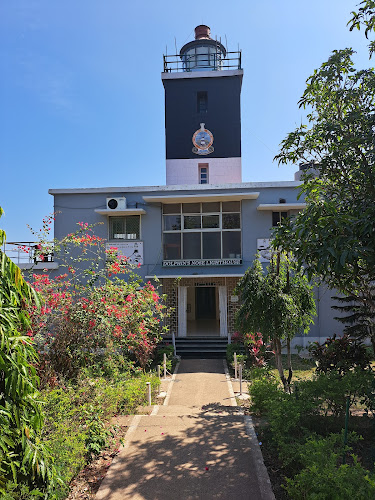
Dolphin
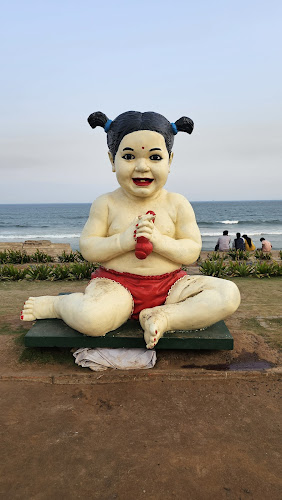
Indira Gandhi Children Park
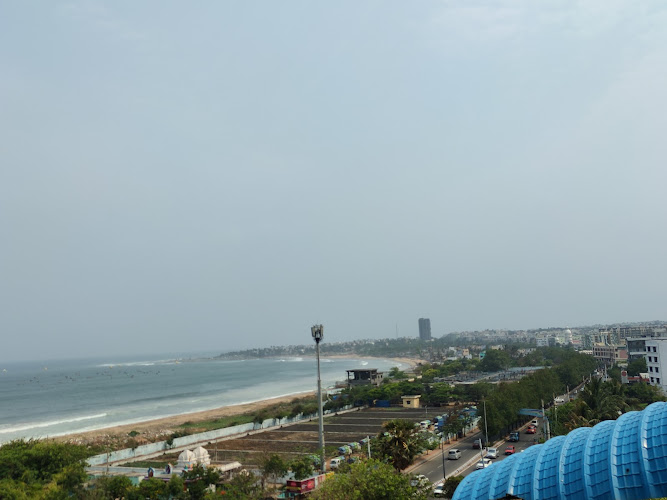
Ropeway Base Station
Find Accommodations Nearby
Recommended Tours & Activities
Visitor Reviews
There are no reviews yet. Be the first one to write one.
Share Your Experience
Have you visited Shri Varahalakshmi Narasimha Swami Temple? Help other travelers by leaving a review.