
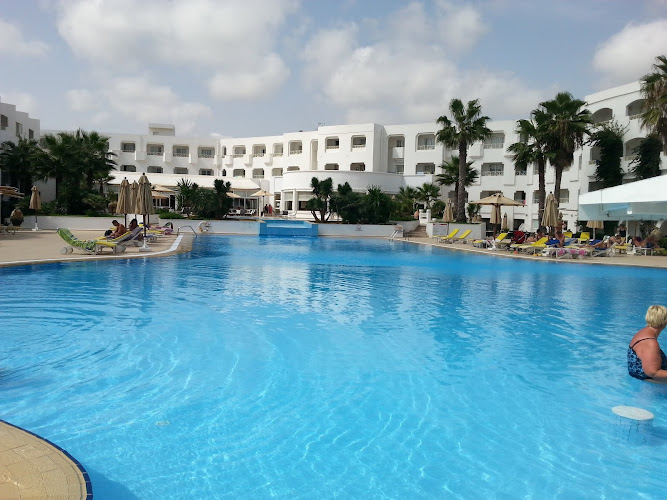
Mahdia
About Mahdia
Description
Let’s be brutally honest here—when you first hear about Mahdia, Tunisia, you might not get that same electric jolt you get from Paris or Barcelona. But that’s actually what caught my eye during my North African wanderings. Mahdia, home to around 76,000 souls (give or take a few stubborn fishermen or textile weavers), has this kind of secret, unhurried charm. You won’t find crowds flooding every alley, but you will find tangled streets that suddenly open to dazzling Mediterranean blue and locals whose warmth sneaks up on you.
The town’s roots stretch deep into Tunisia’s past, but there’s nothing dusty or forgotten about Mahdia. This city buzzes in its own way. Stroll through the old medina, and you’ll see weavers hunched over their looms, carrying on a tradition that feels as old as time. That legendary silk weaving? Still alive and kicking here, right under the arched stone gates. It’s one of those rare places where the main industry (fishing!) actually lines up with what ends up on your dinner plate. And the fish here? Unbelievable. If you’re into seafood, plop yourself in a mazy café and just go wild.
I’m not overselling when I say Mahdia’s coastal vibe is real. The sea air paints every wall with a salt-tinged patina, and the harbor is always humming. But it’s not a loud city—more like a gentle hum, the background music to a pot of mint tea or a walk along the craggy ramparts of Skifa Kahla, the old city gate. The city’s location—north of Sfax, southeast of Sousse and Monastir—means it stays out of the tourist crosshairs just enough to keep its edge.
Don’t get me wrong, there’s the occasional hiccup: some streets are rough around the edges, and if you’re craving constant action, you might need to look elsewhere. But the measured pace, the blend of ancient and present, the opportunity to snag a sunset shot over the old port with nearly zero crowd? Totally worth it, if you ask me.
Key Features
- Stunning Mediterranean Beaches – If you’re the sort whose idea of paradise is fine sand slipping through your toes and sparkling turquoise water, well, Mahdia’s got you. Less hectic and more pristine than the splashier neighbors. I personally found the beaches here to be outrageously photo-worthy and, dare I say it, cleaner than some of the crowded, overhyped spots further up the coast.
- Historical Medina & Skifa Kahla – The medieval city gate, Skifa Kahla, is like something out of a storybook. Inside, narrow alleys home to handcrafted textiles and savory street food. Great for just getting lost for an afternoon. Absolutely recommend bringing a camera—or at least a halfway decent phone.
- Lively Fish Market – Early riser? Wander to the market by the port (don’t worry, you’ll smell it before you see it). Watch the bargaining, sample “brik” or fresh-caught sardines if you’re brave. Kids seemed to genuinely enjoy watching fishermen haul in the day’s catch; there’s something awesome about that straightforward hustle.
- Traditional Weaving Workshops – Mahdia isn’t just about seeing, it’s about doing. The backrooms of the medina are often filled with weavers at work. Many will let you poke around, ask questions, or maybe even try your hand. Makes for a killer story on the ride home, trust me.
- Breathtaking Coastal Walks – The promenade along the old ramparts during golden hour is pure therapy—you can almost forget tomorrow’s flight or yesterday’s lost luggage.
- Local Culinary Scene – My advice? Get your hands on a plate of “seafood couscous” or “leblebi” from a local haunt. The food’s hearty, spicy, and fresh—don’t expect anything watered down.
- Calm, Friendly Atmosphere – Biggest surprise to me: locals genuinely seemed curious, not jaded by tourism. I’ve had more random, honest chats here than almost anywhere in Tunisia.
Best Time to Visit
Planning the perfect timing can be tricky. But—trust me—you’ll want to dodge the ultra-hot months if you can. Picture this: I once hit Mahdia in August and nearly melted into the pavement. Summer (June to August) is toasty, with temps sometimes pushing the high 30s (Celsius). If you're a sun chaser and love sea swims, go for it, but don’t say I didn’t warn you about the heat.
Personally, I think the sweet spot is spring (April to early June) or fall (late September into November). The sky’s clear, the water’s perfect, the markets are lively but not so jammed you’re elbowing your way through. Even better, hotel rates drop off-season. If you’re not big on crowds (and, who is, really?), avoid the Eid holidays, when local tourism peaks. I once visited during Ramadan—totally unique atmosphere, but a tad quieter in the day, with everything ramping up at sunset.
Winter (December through February) is mild, but you could get hit with a gray, rainy spell—great for moody photos, less spectacular for sunbathing.
How to Get There
This part’s more straightforward than you’d think. If you’re already in Tunisia, Mahdia isn’t as out-of-the-way as it might seem on a map. By train, the Sahel Metro (it’s a bit of a misnomer; think rickety more than futuristic) connects Mahdia with Sousse and Monastir. It takes over an hour from Monastir, a little longer from Sousse, and offers those postcard-worthy views of the sea as bonus. I actually kind of love local trains—gives you a real sense of place.
Driving? Roads are straightforward. Stick to route C82 from Monastir or Sfax. Car hire isn’t expensive and gives you the freedom to poke around little coastal villages (go off script—you’ll thank me!). Public buses do the job too, but schedules can get, well, creative, so double-check before relying on them. If you’re flying in, the closest airport is Monastir Habib Bourguiba International Airport, about 50 km away. From there, hop a taxi or arrange a transfer—super easy.
One last, kinda fun, option: If you’re already loitering around the medina, cycle rentals pop up here and there. Just don’t expect a fancy carbon-fiber ride.
Tips for Visiting
No matter your travel style—beach bum, culture nerd, photographer-in-training—Mahdia has a way of making you feel like you stumbled onto something authentic. Here are some tips from my totally not-always-prepared experience:
- Pack for the Sun: Even in spring and fall, the sun here is relentless. A good hat was my best friend, and I recommend you double down on high-SPF sunscreen. If you burn easily, long sleeves are smart. (I learned the hard way.)
- Dive into Local Eats: Skip the international chains. Head straight for tiny, family-run seafood places, especially near the port. Anchor your trip around mealtimes, honestly! I never thought I'd crave “m’loukhia” for breakfast, but Mahdia proved me wrong.
- Brush Up on French or Arabic: English is spoken here and there, but a few basic phrases go a long way. Even a bumbling “bonjour” or “shukran” will earn you smiles. You’ll feel less like just another tourist and more like a guest.
- Plan For Siestas: Shops often close around midday, especially in the hottest months. Use that time for a lazy nap or to just sit by the water—it’s the local way and honestly, it beats melting in the noon heat.
- Photograph Respectfully: Mahdia is photogenic—no debate. But always ask before snapping people in markets or workshops. I’ve had a few laugh off my request, but more often, they’ll invite you to hear the story behind what’s happening. That’s how you get memories, not just photos.
- Get Out Early: Sunrise on the ramparts is unreal. Catch fishermen heading out with their boats and the town just waking up. It’s quiet, it’s peaceful, and it’s the kind of travel experience you remember for years.
- Visit on Friday Morning: The weekly market (souq) buzzes most on Fridays. It’s a sensory overload and a solid place to find woven goods, spices, and knickknacks that won’t end up in every other shop window on the medina strip.
- Be Patient: Life moves a bit slower here,
Key Features
- Key Features
- Best Time to Visit
- How to Get There
- Tips for Visiting
More Details
Updated July 1, 2025
Table of Contents
Description
Let’s be brutally honest here—when you first hear about Mahdia, Tunisia, you might not get that same electric jolt you get from Paris or Barcelona. But that’s actually what caught my eye during my North African wanderings. Mahdia, home to around 76,000 souls (give or take a few stubborn fishermen or textile weavers), has this kind of secret, unhurried charm. You won’t find crowds flooding every alley, but you will find tangled streets that suddenly open to dazzling Mediterranean blue and locals whose warmth sneaks up on you.
The town’s roots stretch deep into Tunisia’s past, but there’s nothing dusty or forgotten about Mahdia. This city buzzes in its own way. Stroll through the old medina, and you’ll see weavers hunched over their looms, carrying on a tradition that feels as old as time. That legendary silk weaving? Still alive and kicking here, right under the arched stone gates. It’s one of those rare places where the main industry (fishing!) actually lines up with what ends up on your dinner plate. And the fish here? Unbelievable. If you’re into seafood, plop yourself in a mazy café and just go wild.
I’m not overselling when I say Mahdia’s coastal vibe is real. The sea air paints every wall with a salt-tinged patina, and the harbor is always humming. But it’s not a loud city—more like a gentle hum, the background music to a pot of mint tea or a walk along the craggy ramparts of Skifa Kahla, the old city gate. The city’s location—north of Sfax, southeast of Sousse and Monastir—means it stays out of the tourist crosshairs just enough to keep its edge.
Don’t get me wrong, there’s the occasional hiccup: some streets are rough around the edges, and if you’re craving constant action, you might need to look elsewhere. But the measured pace, the blend of ancient and present, the opportunity to snag a sunset shot over the old port with nearly zero crowd? Totally worth it, if you ask me.
Key Features
- Stunning Mediterranean Beaches – If you’re the sort whose idea of paradise is fine sand slipping through your toes and sparkling turquoise water, well, Mahdia’s got you. Less hectic and more pristine than the splashier neighbors. I personally found the beaches here to be outrageously photo-worthy and, dare I say it, cleaner than some of the crowded, overhyped spots further up the coast.
- Historical Medina & Skifa Kahla – The medieval city gate, Skifa Kahla, is like something out of a storybook. Inside, narrow alleys home to handcrafted textiles and savory street food. Great for just getting lost for an afternoon. Absolutely recommend bringing a camera—or at least a halfway decent phone.
- Lively Fish Market – Early riser? Wander to the market by the port (don’t worry, you’ll smell it before you see it). Watch the bargaining, sample “brik” or fresh-caught sardines if you’re brave. Kids seemed to genuinely enjoy watching fishermen haul in the day’s catch; there’s something awesome about that straightforward hustle.
- Traditional Weaving Workshops – Mahdia isn’t just about seeing, it’s about doing. The backrooms of the medina are often filled with weavers at work. Many will let you poke around, ask questions, or maybe even try your hand. Makes for a killer story on the ride home, trust me.
- Breathtaking Coastal Walks – The promenade along the old ramparts during golden hour is pure therapy—you can almost forget tomorrow’s flight or yesterday’s lost luggage.
- Local Culinary Scene – My advice? Get your hands on a plate of “seafood couscous” or “leblebi” from a local haunt. The food’s hearty, spicy, and fresh—don’t expect anything watered down.
- Calm, Friendly Atmosphere – Biggest surprise to me: locals genuinely seemed curious, not jaded by tourism. I’ve had more random, honest chats here than almost anywhere in Tunisia.
Best Time to Visit
Planning the perfect timing can be tricky. But—trust me—you’ll want to dodge the ultra-hot months if you can. Picture this: I once hit Mahdia in August and nearly melted into the pavement. Summer (June to August) is toasty, with temps sometimes pushing the high 30s (Celsius). If you’re a sun chaser and love sea swims, go for it, but don’t say I didn’t warn you about the heat.
Personally, I think the sweet spot is spring (April to early June) or fall (late September into November). The sky’s clear, the water’s perfect, the markets are lively but not so jammed you’re elbowing your way through. Even better, hotel rates drop off-season. If you’re not big on crowds (and, who is, really?), avoid the Eid holidays, when local tourism peaks. I once visited during Ramadan—totally unique atmosphere, but a tad quieter in the day, with everything ramping up at sunset.
Winter (December through February) is mild, but you could get hit with a gray, rainy spell—great for moody photos, less spectacular for sunbathing.
How to Get There
This part’s more straightforward than you’d think. If you’re already in Tunisia, Mahdia isn’t as out-of-the-way as it might seem on a map. By train, the Sahel Metro (it’s a bit of a misnomer; think rickety more than futuristic) connects Mahdia with Sousse and Monastir. It takes over an hour from Monastir, a little longer from Sousse, and offers those postcard-worthy views of the sea as bonus. I actually kind of love local trains—gives you a real sense of place.
Driving? Roads are straightforward. Stick to route C82 from Monastir or Sfax. Car hire isn’t expensive and gives you the freedom to poke around little coastal villages (go off script—you’ll thank me!). Public buses do the job too, but schedules can get, well, creative, so double-check before relying on them. If you’re flying in, the closest airport is Monastir Habib Bourguiba International Airport, about 50 km away. From there, hop a taxi or arrange a transfer—super easy.
One last, kinda fun, option: If you’re already loitering around the medina, cycle rentals pop up here and there. Just don’t expect a fancy carbon-fiber ride.
Tips for Visiting
No matter your travel style—beach bum, culture nerd, photographer-in-training—Mahdia has a way of making you feel like you stumbled onto something authentic. Here are some tips from my totally not-always-prepared experience:
- Pack for the Sun: Even in spring and fall, the sun here is relentless. A good hat was my best friend, and I recommend you double down on high-SPF sunscreen. If you burn easily, long sleeves are smart. (I learned the hard way.)
- Dive into Local Eats: Skip the international chains. Head straight for tiny, family-run seafood places, especially near the port. Anchor your trip around mealtimes, honestly! I never thought I’d crave “m’loukhia” for breakfast, but Mahdia proved me wrong.
- Brush Up on French or Arabic: English is spoken here and there, but a few basic phrases go a long way. Even a bumbling “bonjour” or “shukran” will earn you smiles. You’ll feel less like just another tourist and more like a guest.
- Plan For Siestas: Shops often close around midday, especially in the hottest months. Use that time for a lazy nap or to just sit by the water—it’s the local way and honestly, it beats melting in the noon heat.
- Photograph Respectfully: Mahdia is photogenic—no debate. But always ask before snapping people in markets or workshops. I’ve had a few laugh off my request, but more often, they’ll invite you to hear the story behind what’s happening. That’s how you get memories, not just photos.
- Get Out Early: Sunrise on the ramparts is unreal. Catch fishermen heading out with their boats and the town just waking up. It’s quiet, it’s peaceful, and it’s the kind of travel experience you remember for years.
- Visit on Friday Morning: The weekly market (souq) buzzes most on Fridays. It’s a sensory overload and a solid place to find woven goods, spices, and knickknacks that won’t end up in every other shop window on the medina strip.
- Be Patient: Life moves a bit slower here,
Key Highlights
- Key Features
- Best Time to Visit
- How to Get There
- Tips for Visiting
Location
Places to Stay Near Mahdia
Find and Book a Tour
Explore More Travel Guides
No reviews found! Be the first to review!
Traveler Reviews for Mahdia
There are no reviews yet. Be the first one to write one.
Have you visited Mahdia? Help other travelers by sharing your review.
You Might Also Like
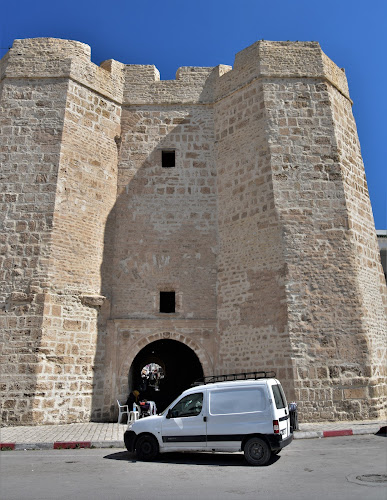
Skifa el Kahla
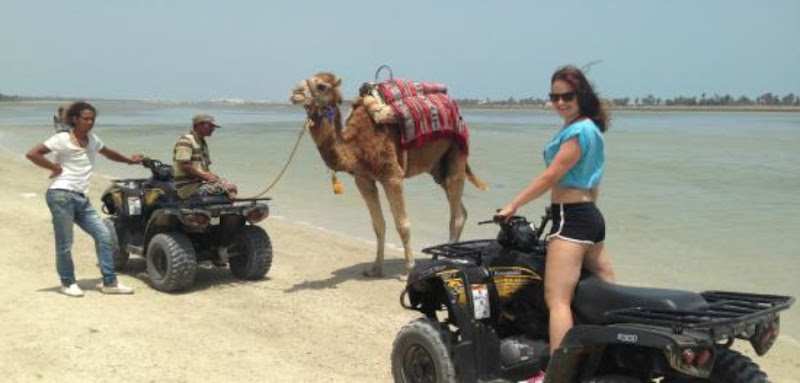
Quad Mahdia
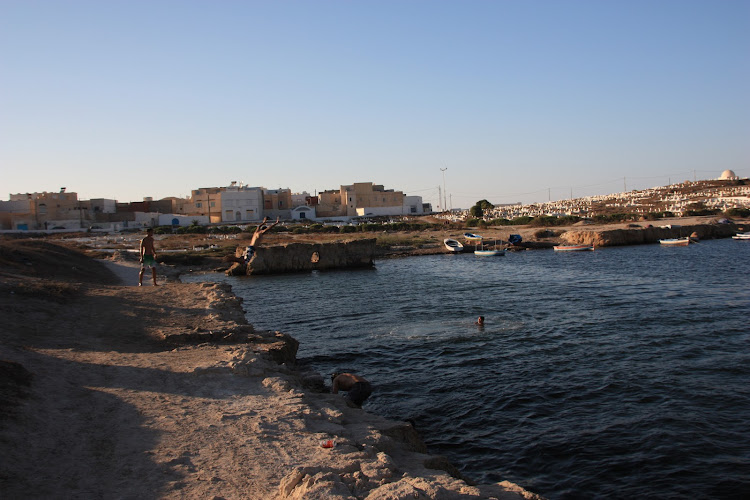
Ancient Punic Harbor
Find Accommodations Nearby
Recommended Tours & Activities
Visitor Reviews
There are no reviews yet. Be the first one to write one.
Share Your Experience
Have you visited Mahdia? Help other travelers by leaving a review.