
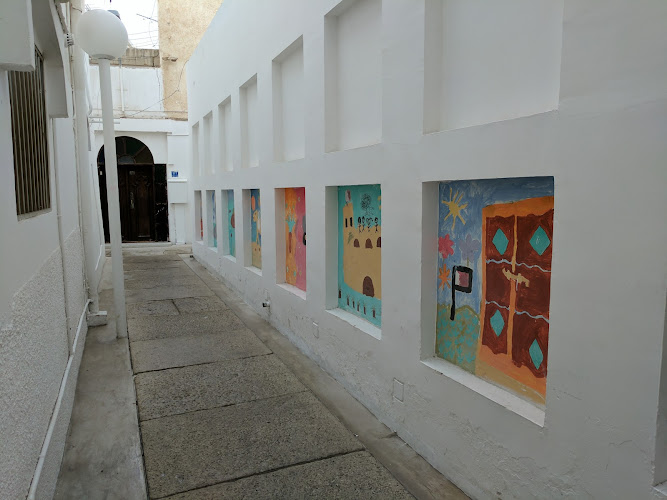
Kurar House
About Kurar House
Description
Let’s face it, if you’re flipping through countless “things to do in Muharraq” lists, Kurar House doesn’t always snag the top spot at first glance—but that, in a way, is its secret sauce. This is one of those places that genuinely rewards curiosity. Here’s the deal: Kurar House isn’t your run-of-the-mill museum—nothing about it is stuck behind velvet ropes or glass cases. Instead, it’s where Bahrain’s age-old, almost meditative kurar embroidery is not just displayed but actually kept alive in real time. The women here, hands moving with muscle memory earned over decades, pass on the golden thread—literally and figuratively—to the next generation.
For those uninitiated in kurar, picture this: thin, shimmering threads—mostly gold, sometimes silver or sparkling colors—woven painstakingly into traditional Bahraini dresses. This textile art could easily have slipped away into the footnotes of history as modern fabric techniques took over, but Kurar House said “absolutely not.” That’s one of the main reasons I think this place is worth a detour, especially if you’ve ever felt drawn to those smaller human stories in travel that skip the glossy tourist brochure.
Stepping inside, you’ll notice the airiness—sunlight pours in, brightening the intricate tapestries and highlighting the warmth of real human connection. It’s not stuffy or overly formal, which is honestly a relief in the thick Bahraini heat. And it’s all focused on experience: you’ll see, smell, maybe even touch the fabrics, depending on what’s happening that day. If you’re someone who travels not for souvenirs but for stories, Kurar House is going to speak to you.
Key Features
- Live kurar embroidery demonstrations: Take a seat and actually watch the masters at work. The daily hum of conversation and laughter is as much a part of the fabric as the threads themselves.
- Hands-on workshops: You might luck into a session where visitors, kids included, can try kurar embroidery under gentle guidance. Word of advice: steady hands help, but patience is even better.
- Family-friendly learning: The space is kid-friendly—children seem genuinely welcomed, and there’s a tangible sense of tradition being handed down before your eyes.
- Restroom availability: Practical but vital, especially if you’re exploring with little ones or planning to spend an hour or two here.
- Airy, well-lit display areas: Natural light streams through, making everything pop (and, confession: much better for photos).
- Heritage storytelling: You’re likely to hear stories from the women themselves about the history, significance, and future of kurar art.
- Genuine cultural immersion: No synthetic tourist experiences here—just community, tradition, and open arms, more often than not.
Best Time to Visit
So, let’s talk logistics. In my (somewhat biased) opinion, Kurar House is one of those spots that feels different depending on when you visit. If you’re angling for a quieter, more reflective vibe, slipping in earlier in the day is golden. You get to wander a bit, soak up the space, and maybe have a one-on-one chat with one of the embroiderers—those unscripted moments can really stick with you.
That being said, if you’re someone who loves a little buzz and energy, swinging by when there are more visitors (especially around special cultural festivals or on weekends) means you might see multi-generational groups weaving, laughing, sharing stories. It’s honestly heartwarming. Bahrain’s weather is something you’ll want to factor in, though: the cooler months between November and March are hands-down the most pleasant. Trust me, a breezy winter afternoon beats a sweltering August every time, especially when you want to linger and really absorb the experience without feeling the heat chase you out.
How to Get There
I’ll admit, the first time I looked up Kurar House, I assumed it’d be tricky to find. Luckily, I was wrong. Muharraq is compact enough that most major heritage sites are within a modest stroll—or a quick car ride—of each other. If you’re already exploring the historic district, tacking on Kurar House as a stop makes perfect sense. There’s a certain satisfaction in meandering down old alleyways with their sun-faded signs, knowing you’re right on track for a deep dive into local tradition.
Taxis are plentiful throughout Muharraq, and drivers are usually familiar with all the heritage stops (although, it never hurts to have the location pulled up on your mobile). Public buses are reliable if you’re feeling adventurous, and walking is genuinely doable for those who don’t mind a bit of time on foot—and you’ll see more of the everyday city that way. Parking is sometimes tight during weekends or holidays, so if you’re driving, a bit of patience pays off. (If you’ve ever parallel parked in the Middle East, you’ll know what I mean.)
Tips for Visiting
There’s a knack to making the most out of your Kurar House trip, and it doesn’t involve rushing in and snapping a couple of Instagram pics before heading out. (Honestly, I’ve done that at other museums, but here? Do yourself a favor and resist the urge.)
- Take your time: Watch the artisans at work. It’s remarkably soothing—and you’ll pick up subtle techniques even if you’re not crafty yourself.
- Chat with the artists: Many of the women love sharing their stories (and a few jokes). If you speak even a smidge of Arabic, now is your moment, but English is often understood too.
- Respect the creative space: These women are masters at their craft. While photos are generally welcome, always, always ask first. A smile and a gesture go a long way.
- Bring the whole family: Kids are genuinely welcomed here—they might even get invited to try a few stitches. Seeing little ones concentrate, tongue poking out in focus, always makes me grin.
- Check for events or workshops ahead of time: Sometimes, special events revolve around Bahraini festivals or school groups. Going during these times can add a bit of sparkle to the whole experience.
- Dress comfortably: You’ll be inside most of the time, but remember to dress modestly—this is still a community-driven spot, and tradition matters.
- Plan for about an hour: This isn’t a marathon museum—more of a slow stroll. You might find yourself hanging out a little longer if you’re swept up in the process (happens to the best of us).
- Restrooms available: A small but much-appreciated detail, especially if you’re out exploring all day.
Last note: do yourself a favor and go with an open mind. Kurar House probably won’t be the most hyped spot on your Bahrain itinerary, but it does have this gentle, lasting impact. It’s the kind of place you mention to friends when they ask, “What should I do that’s a little off the beaten path?” And between you and me—I think those are always the most rewarding finds.
Key Features
- Key Features
- Best Time to Visit
- How to Get There
- Tips for Visiting
More Details
Updated July 9, 2025
Table of Contents
Description
Let’s face it, if you’re flipping through countless “things to do in Muharraq” lists, Kurar House doesn’t always snag the top spot at first glance—but that, in a way, is its secret sauce. This is one of those places that genuinely rewards curiosity. Here’s the deal: Kurar House isn’t your run-of-the-mill museum—nothing about it is stuck behind velvet ropes or glass cases. Instead, it’s where Bahrain’s age-old, almost meditative kurar embroidery is not just displayed but actually kept alive in real time. The women here, hands moving with muscle memory earned over decades, pass on the golden thread—literally and figuratively—to the next generation.
For those uninitiated in kurar, picture this: thin, shimmering threads—mostly gold, sometimes silver or sparkling colors—woven painstakingly into traditional Bahraini dresses. This textile art could easily have slipped away into the footnotes of history as modern fabric techniques took over, but Kurar House said “absolutely not.” That’s one of the main reasons I think this place is worth a detour, especially if you’ve ever felt drawn to those smaller human stories in travel that skip the glossy tourist brochure.
Stepping inside, you’ll notice the airiness—sunlight pours in, brightening the intricate tapestries and highlighting the warmth of real human connection. It’s not stuffy or overly formal, which is honestly a relief in the thick Bahraini heat. And it’s all focused on experience: you’ll see, smell, maybe even touch the fabrics, depending on what’s happening that day. If you’re someone who travels not for souvenirs but for stories, Kurar House is going to speak to you.
Key Features
- Live kurar embroidery demonstrations: Take a seat and actually watch the masters at work. The daily hum of conversation and laughter is as much a part of the fabric as the threads themselves.
- Hands-on workshops: You might luck into a session where visitors, kids included, can try kurar embroidery under gentle guidance. Word of advice: steady hands help, but patience is even better.
- Family-friendly learning: The space is kid-friendly—children seem genuinely welcomed, and there’s a tangible sense of tradition being handed down before your eyes.
- Restroom availability: Practical but vital, especially if you’re exploring with little ones or planning to spend an hour or two here.
- Airy, well-lit display areas: Natural light streams through, making everything pop (and, confession: much better for photos).
- Heritage storytelling: You’re likely to hear stories from the women themselves about the history, significance, and future of kurar art.
- Genuine cultural immersion: No synthetic tourist experiences here—just community, tradition, and open arms, more often than not.
Best Time to Visit
So, let’s talk logistics. In my (somewhat biased) opinion, Kurar House is one of those spots that feels different depending on when you visit. If you’re angling for a quieter, more reflective vibe, slipping in earlier in the day is golden. You get to wander a bit, soak up the space, and maybe have a one-on-one chat with one of the embroiderers—those unscripted moments can really stick with you.
That being said, if you’re someone who loves a little buzz and energy, swinging by when there are more visitors (especially around special cultural festivals or on weekends) means you might see multi-generational groups weaving, laughing, sharing stories. It’s honestly heartwarming. Bahrain’s weather is something you’ll want to factor in, though: the cooler months between November and March are hands-down the most pleasant. Trust me, a breezy winter afternoon beats a sweltering August every time, especially when you want to linger and really absorb the experience without feeling the heat chase you out.
How to Get There
I’ll admit, the first time I looked up Kurar House, I assumed it’d be tricky to find. Luckily, I was wrong. Muharraq is compact enough that most major heritage sites are within a modest stroll—or a quick car ride—of each other. If you’re already exploring the historic district, tacking on Kurar House as a stop makes perfect sense. There’s a certain satisfaction in meandering down old alleyways with their sun-faded signs, knowing you’re right on track for a deep dive into local tradition.
Taxis are plentiful throughout Muharraq, and drivers are usually familiar with all the heritage stops (although, it never hurts to have the location pulled up on your mobile). Public buses are reliable if you’re feeling adventurous, and walking is genuinely doable for those who don’t mind a bit of time on foot—and you’ll see more of the everyday city that way. Parking is sometimes tight during weekends or holidays, so if you’re driving, a bit of patience pays off. (If you’ve ever parallel parked in the Middle East, you’ll know what I mean.)
Tips for Visiting
There’s a knack to making the most out of your Kurar House trip, and it doesn’t involve rushing in and snapping a couple of Instagram pics before heading out. (Honestly, I’ve done that at other museums, but here? Do yourself a favor and resist the urge.)
- Take your time: Watch the artisans at work. It’s remarkably soothing—and you’ll pick up subtle techniques even if you’re not crafty yourself.
- Chat with the artists: Many of the women love sharing their stories (and a few jokes). If you speak even a smidge of Arabic, now is your moment, but English is often understood too.
- Respect the creative space: These women are masters at their craft. While photos are generally welcome, always, always ask first. A smile and a gesture go a long way.
- Bring the whole family: Kids are genuinely welcomed here—they might even get invited to try a few stitches. Seeing little ones concentrate, tongue poking out in focus, always makes me grin.
- Check for events or workshops ahead of time: Sometimes, special events revolve around Bahraini festivals or school groups. Going during these times can add a bit of sparkle to the whole experience.
- Dress comfortably: You’ll be inside most of the time, but remember to dress modestly—this is still a community-driven spot, and tradition matters.
- Plan for about an hour: This isn’t a marathon museum—more of a slow stroll. You might find yourself hanging out a little longer if you’re swept up in the process (happens to the best of us).
- Restrooms available: A small but much-appreciated detail, especially if you’re out exploring all day.
Last note: do yourself a favor and go with an open mind. Kurar House probably won’t be the most hyped spot on your Bahrain itinerary, but it does have this gentle, lasting impact. It’s the kind of place you mention to friends when they ask, “What should I do that’s a little off the beaten path?” And between you and me—I think those are always the most rewarding finds.
Key Highlights
- Key Features
- Best Time to Visit
- How to Get There
- Tips for Visiting
Location
Places to Stay Near Kurar House
Find and Book a Tour
Explore More Travel Guides
No reviews found! Be the first to review!
Traveler Reviews for Kurar House
There are no reviews yet. Be the first one to write one.
Have you visited Kurar House? Help other travelers by sharing your review.
You Might Also Like

Vertical Garden

Dohat Arad Park
Bin Matar House
Find Accommodations Nearby
Recommended Tours & Activities
Visitor Reviews
There are no reviews yet. Be the first one to write one.
Share Your Experience
Have you visited Kurar House? Help other travelers by leaving a review.