
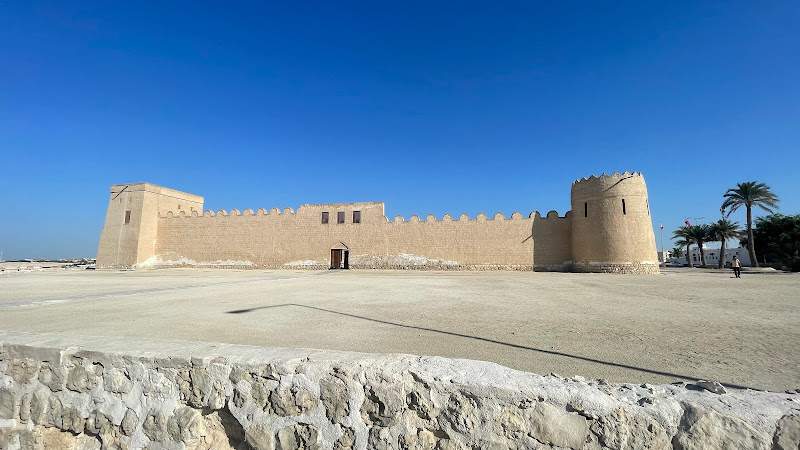
Sheikh Salman bin Ahmed Fort
About Sheikh Salman bin Ahmed Fort
Description
There’s something quietly magical about the way Sheikh Salman bin Ahmed Fort sits atop the breezy high plain in old Riffa, watching over the city’s gentle sprawl. It isn’t some blindingly gold, ostentatious monument, yet in person, it makes you pause and go “wow, they built this… by hand?” I still remember the first time I visited—it was surprisingly calm and, dare I say, felt more “lived-in” than most historic tourist spots. Some places wear their age like a tired old coat, but this fortress? It holds on to stories and manages to keep the past close enough to almost reach out and touch.
Originally built in the early 19th century, Sheikh Salman bin Ahmed Fort was more than brick and stone; it was the literal home of Sheikh Salman bin Ahmed Al-Fateh and once a seat of power for the Al Khalifa ruling family. You walk through roomy courtyards that once echoed with conversations between powerful men (and probably the occasional squabbling child). Now, the fort invites travelers, history buffs, families, and anyone with a little curiosity in their bones to wander halls that feel both sturdy and beautifully faded. And it isn’t just a visual treat—there’s actually a museum on-site that’s given fresh life to the place, letting you peek at artifacts, tools, and household objects used hundreds of years ago. Even the color of the building—a sort of soft saffron—reminds you you’re in the Gulf, not in some generic castle plucked from a European fairy tale.
This isn’t one of those hush-hush spots where you feel like you need a Ph.D. in history to get it. Even if you’re just here to see something cool for Instagram, you’ll end up picking up more than a few fun facts about Bahrain’s past. Kids clamber up weathered stairs; elderly locals trade stories under archways. The fort feels approachable, not stuffy. And best of all, the view from the ramparts over the city and desert beyond? It deserves a place on your highlights reel.
Key Features
- Architectural Blending of Old and New: The fort cleverly combines original Islamic architectural motifs with modern conservation efforts—think wind towers, narrow passageways, and surprisingly sharp lines. Definitely a dream for shutterbugs and fans of clever design.
- Museum Exhibits: The on-site museum displays centuries-old coins, pottery shards, and antique household objects—genuine pieces straight from Bahraini daily life, not just royal treasures. Even if you aren’t a history nerd, seeing their everyday tools makes you realize just how resourceful the old residents were.
- Panoramic Views: Climb onto the ramparts for a wide-open, greet-the-horizon view across Riffa. Early morning or just before sunset, the desert light is almost theatre-like in its drama. I’ve personally lost track of time watching the light change here.
- Restoration and Storytelling: Interactive boards and simple guides (sometimes you even get a chatty local guide!) share the fort’s transformation over the years. You come away feeling like you understand more than just the “what,” but also the “why.”
- Family-Friendly Atmosphere: Flat, open courtyards let little ones roam under watchful eyes, and there are spots to sit and rest without feeling rushed out. Even grandparents get a kick out of the tactile quality of the stone.
- Photographer’s Delight: The soft saffron walls, intricate doorways, and dramatic shadow-play offer distinct photo ops, whether you’re toting a fancy camera or just snapping with your phone. Pro tip: catch the interplay of sunlight on the southern face for truly golden shots.
- Cultural Events: Occasionally, the fort becomes a backdrop for cultural nights and festivals. If you’re in town when something’s on, don’t miss it—local music, small food stalls, and genuine Bahraini hospitality.
Best Time to Visit
Here’s the straight talk: visit between November and March if you can. Why? The Bahraini sun can be a force to be reckoned with, especially from May through September. Winters are pleasantly cool, with daytime temperatures hovering between 20–25°C (68–77°F). The light in the mornings and late afternoons is just perfect for photos—and walking the sandy stone paths is actually, dare I say, pleasant without being roasted to a crisp.
While the fort is beautiful all year round, those quieter, cooler months mean you can linger longer, sit in the courtyards, and enjoy the occasional breeze. Fridays see more local families, often picnicking in nearby parks, and during school holidays, it’s busier but lively in a good way.
Quick story: I visited one sticky June afternoon, because I was stubborn and refused to change my plans—regret! Even the stones seemed to radiate heat. Take it from me, avoid midday in summertime unless you enjoy the “baked potato” method of sightseeing.
How to Get There
Sheikh Salman bin Ahmed Fort is perched conveniently near the heart of Riffa, which is roughly in the center of Bahrain island. If you’re coming from Manama or the airport, expect a half-hour drive (give or take, depending on Bahrain’s famously unpredictable traffic). Taxis and local ride-hailing apps know their way here, and there’s basic parking if you’re driving yourself. Bahrain has a small but sufficient public transport network—if you’re relying on a bus, you’ll get dropped at a main road and have a short walk up the gentle slope to the fortress.
And if you’re the type who likes to get around on their own terms, renting a car is straightforward in Bahrain, and the roads are generally good (just keep a map or navigation app handy, as signposting can sometimes be… well, a local adventure). I always like to recommend grabbing a bottle of water and perhaps some local snacks before heading up—there’s not always a refreshments kiosk open at the fort itself.
Once on-site, access is easy, though note there are a handful of stairways and slightly uneven stone paths. Those with mobility concerns may want to check ahead or bring a friend or family member who can help navigate the trickier bits.
Tips for Visiting
- Dress the Part: You don’t have to go full traditional, but light cotton and modest clothes are respectful. A hat and sunglasses will make your stroll much happier, especially if the sun is cranking up. Trust me, those sunburns are never as glamorous as you’d think.
- Time Your Visit: Arrive early or in late afternoon for the best light, fewer crowds, and cooler air. Plus, those shadows are simply fantastic in photos—nature’s own Instagram filter.
- Ask Questions: Even if you don’t catch a formal guided tour, the staff and sometimes local visitors are happy to chat. My last trip, one elderly gentleman explained a bit about the old water collection systems—they really had to work with the land and climate to survive.
- Plan for the Museum: Don’t just breeze through the exhibits—spend a moment to soak up the context behind the displays. Kids and grown-ups alike often get a spark of “wow, someone actually used this!” feeling from seeing the ancient domestic tools and crafts.
- Hydration Is Key: Especially in warmer months, make sure you bring enough water—and maybe a light snack. There’s not always a café or vending machine open at the fort, so better safe than sorry.
- Bring Your Curiosity: Approach the site with a sense of wonder, rather than just ticking off another “castle” on your travel list. The more questions you ask, the more the place comes alive.
- Watch Your Step: The ancient stones and stairs are part of the character, but also a little uneven in spots. Sensible shoes win the day here—I’ve seen more than one fancy flip-flop meet its doom on those staircases.
- Combine Activities: The fort is near several other attractions, so it works well as part of a day exploring old Riffa, especially if you love discovering markets, mosques, or just watching daily Bahraini life unfold around you.
- Pause, Reflect, Enjoy: It’s easy to rush from room to room, but the charm of this place is in the details—a carved arch here, a weathered door there, the sound of your own footsteps echoing history. Give yourself permission to slow down.
Wrapping up, Sheikh Salman bin Ahmed Fort isn’t just another dusty relic—it’s a living, breathing glimpse into Bahrain
Key Features
- Key Features
- Best Time to Visit
- How to Get There
- Tips for Visiting
More Details
Updated July 9, 2025
Table of Contents
Description
There’s something quietly magical about the way Sheikh Salman bin Ahmed Fort sits atop the breezy high plain in old Riffa, watching over the city’s gentle sprawl. It isn’t some blindingly gold, ostentatious monument, yet in person, it makes you pause and go “wow, they built this… by hand?” I still remember the first time I visited—it was surprisingly calm and, dare I say, felt more “lived-in” than most historic tourist spots. Some places wear their age like a tired old coat, but this fortress? It holds on to stories and manages to keep the past close enough to almost reach out and touch.
Originally built in the early 19th century, Sheikh Salman bin Ahmed Fort was more than brick and stone; it was the literal home of Sheikh Salman bin Ahmed Al-Fateh and once a seat of power for the Al Khalifa ruling family. You walk through roomy courtyards that once echoed with conversations between powerful men (and probably the occasional squabbling child). Now, the fort invites travelers, history buffs, families, and anyone with a little curiosity in their bones to wander halls that feel both sturdy and beautifully faded. And it isn’t just a visual treat—there’s actually a museum on-site that’s given fresh life to the place, letting you peek at artifacts, tools, and household objects used hundreds of years ago. Even the color of the building—a sort of soft saffron—reminds you you’re in the Gulf, not in some generic castle plucked from a European fairy tale.
This isn’t one of those hush-hush spots where you feel like you need a Ph.D. in history to get it. Even if you’re just here to see something cool for Instagram, you’ll end up picking up more than a few fun facts about Bahrain’s past. Kids clamber up weathered stairs; elderly locals trade stories under archways. The fort feels approachable, not stuffy. And best of all, the view from the ramparts over the city and desert beyond? It deserves a place on your highlights reel.
Key Features
- Architectural Blending of Old and New: The fort cleverly combines original Islamic architectural motifs with modern conservation efforts—think wind towers, narrow passageways, and surprisingly sharp lines. Definitely a dream for shutterbugs and fans of clever design.
- Museum Exhibits: The on-site museum displays centuries-old coins, pottery shards, and antique household objects—genuine pieces straight from Bahraini daily life, not just royal treasures. Even if you aren’t a history nerd, seeing their everyday tools makes you realize just how resourceful the old residents were.
- Panoramic Views: Climb onto the ramparts for a wide-open, greet-the-horizon view across Riffa. Early morning or just before sunset, the desert light is almost theatre-like in its drama. I’ve personally lost track of time watching the light change here.
- Restoration and Storytelling: Interactive boards and simple guides (sometimes you even get a chatty local guide!) share the fort’s transformation over the years. You come away feeling like you understand more than just the “what,” but also the “why.”
- Family-Friendly Atmosphere: Flat, open courtyards let little ones roam under watchful eyes, and there are spots to sit and rest without feeling rushed out. Even grandparents get a kick out of the tactile quality of the stone.
- Photographer’s Delight: The soft saffron walls, intricate doorways, and dramatic shadow-play offer distinct photo ops, whether you’re toting a fancy camera or just snapping with your phone. Pro tip: catch the interplay of sunlight on the southern face for truly golden shots.
- Cultural Events: Occasionally, the fort becomes a backdrop for cultural nights and festivals. If you’re in town when something’s on, don’t miss it—local music, small food stalls, and genuine Bahraini hospitality.
Best Time to Visit
Here’s the straight talk: visit between November and March if you can. Why? The Bahraini sun can be a force to be reckoned with, especially from May through September. Winters are pleasantly cool, with daytime temperatures hovering between 20–25°C (68–77°F). The light in the mornings and late afternoons is just perfect for photos—and walking the sandy stone paths is actually, dare I say, pleasant without being roasted to a crisp.
While the fort is beautiful all year round, those quieter, cooler months mean you can linger longer, sit in the courtyards, and enjoy the occasional breeze. Fridays see more local families, often picnicking in nearby parks, and during school holidays, it’s busier but lively in a good way.
Quick story: I visited one sticky June afternoon, because I was stubborn and refused to change my plans—regret! Even the stones seemed to radiate heat. Take it from me, avoid midday in summertime unless you enjoy the “baked potato” method of sightseeing.
How to Get There
Sheikh Salman bin Ahmed Fort is perched conveniently near the heart of Riffa, which is roughly in the center of Bahrain island. If you’re coming from Manama or the airport, expect a half-hour drive (give or take, depending on Bahrain’s famously unpredictable traffic). Taxis and local ride-hailing apps know their way here, and there’s basic parking if you’re driving yourself. Bahrain has a small but sufficient public transport network—if you’re relying on a bus, you’ll get dropped at a main road and have a short walk up the gentle slope to the fortress.
And if you’re the type who likes to get around on their own terms, renting a car is straightforward in Bahrain, and the roads are generally good (just keep a map or navigation app handy, as signposting can sometimes be… well, a local adventure). I always like to recommend grabbing a bottle of water and perhaps some local snacks before heading up—there’s not always a refreshments kiosk open at the fort itself.
Once on-site, access is easy, though note there are a handful of stairways and slightly uneven stone paths. Those with mobility concerns may want to check ahead or bring a friend or family member who can help navigate the trickier bits.
Tips for Visiting
- Dress the Part: You don’t have to go full traditional, but light cotton and modest clothes are respectful. A hat and sunglasses will make your stroll much happier, especially if the sun is cranking up. Trust me, those sunburns are never as glamorous as you’d think.
- Time Your Visit: Arrive early or in late afternoon for the best light, fewer crowds, and cooler air. Plus, those shadows are simply fantastic in photos—nature’s own Instagram filter.
- Ask Questions: Even if you don’t catch a formal guided tour, the staff and sometimes local visitors are happy to chat. My last trip, one elderly gentleman explained a bit about the old water collection systems—they really had to work with the land and climate to survive.
- Plan for the Museum: Don’t just breeze through the exhibits—spend a moment to soak up the context behind the displays. Kids and grown-ups alike often get a spark of “wow, someone actually used this!” feeling from seeing the ancient domestic tools and crafts.
- Hydration Is Key: Especially in warmer months, make sure you bring enough water—and maybe a light snack. There’s not always a café or vending machine open at the fort, so better safe than sorry.
- Bring Your Curiosity: Approach the site with a sense of wonder, rather than just ticking off another “castle” on your travel list. The more questions you ask, the more the place comes alive.
- Watch Your Step: The ancient stones and stairs are part of the character, but also a little uneven in spots. Sensible shoes win the day here—I’ve seen more than one fancy flip-flop meet its doom on those staircases.
- Combine Activities: The fort is near several other attractions, so it works well as part of a day exploring old Riffa, especially if you love discovering markets, mosques, or just watching daily Bahraini life unfold around you.
- Pause, Reflect, Enjoy: It’s easy to rush from room to room, but the charm of this place is in the details—a carved arch here, a weathered door there, the sound of your own footsteps echoing history. Give yourself permission to slow down.
Wrapping up, Sheikh Salman bin Ahmed Fort isn’t just another dusty relic—it’s a living, breathing glimpse into Bahrain
Key Highlights
- Key Features
- Best Time to Visit
- How to Get There
- Tips for Visiting
Location
Places to Stay Near Sheikh Salman bin Ahmed Fort
Find and Book a Tour
Explore More Travel Guides
No reviews found! Be the first to review!
Traveler Reviews for Sheikh Salman bin Ahmed Fort
There are no reviews yet. Be the first one to write one.
Have you visited Sheikh Salman bin Ahmed Fort? Help other travelers by sharing your review.
You Might Also Like
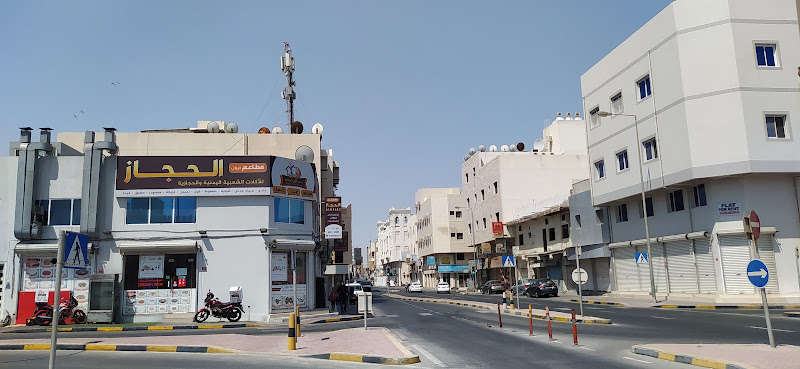
Muharraq

ZUHOOR AL MUHARRAQ SWEETS
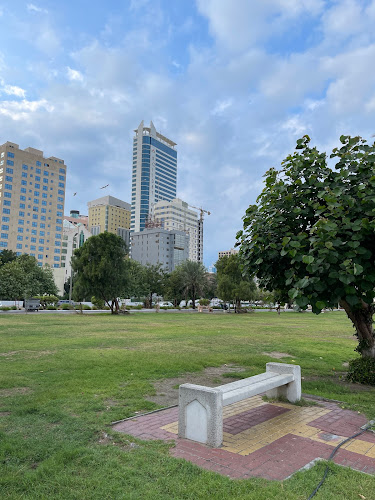
Marina Beach Garden Park
Find Accommodations Nearby
Recommended Tours & Activities
Visitor Reviews
There are no reviews yet. Be the first one to write one.
Share Your Experience
Have you visited Sheikh Salman bin Ahmed Fort? Help other travelers by leaving a review.