

Ennejma Ezzahra Palace
About Ennejma Ezzahra Palace
Description
Ennejma Ezzahra Palace is one of those rare gems where history, art, and music collide in the most unexpected way. Built between 1912 and 1922 by Baron Rodolphe d’Erlanger, a fascinating figure who was not only a passionate art lover but also a devoted scholar of Arabic music, this palace is more than just a pretty facade. It’s a living museum of cultural heritage tucked away in Sidi Bou Said, northern Tunisia.
Walking through its halls, you get this vivid sense of stepping back into a time when East met West with a curious and respectful handshake. The architecture itself is a beautiful blend of Arab-Andalusian style with Mediterranean influences—think intricate tile work, carved wooden ceilings, and lush gardens that seem to whisper stories of the past. And don’t get me started on the interiors! The palace houses an impressive collection of musical instruments, manuscripts, and artwork that reflect the Baron’s lifelong obsession with preserving and celebrating Arabic and Mediterranean music traditions.
What really sets Ennejma Ezzahra apart, though, is its role today as the headquarters of the Center for Arabic and Mediterranean Music. This isn’t just a static monument; it’s a vibrant cultural hub where music still breathes and evolves. You might catch an exhibit, a concert, or even hear the faint echoes of traditional tunes wafting through the corridors. It’s a place that invites you to pause, listen, and appreciate the rich tapestry of sounds that have shaped this region.
And hey, if you’re traveling with kids, don’t worry. The palace is surprisingly kid-friendly, offering a unique educational experience that can spark a little one’s curiosity about history and music in a way that’s far from boring. Plus, the gardens are a lovely spot for a breather after exploring the detailed rooms.
Sure, it’s not perfect—some visitors find the guided tours a bit rushed or wish for more interactive displays—but honestly, the charm and depth of the place more than make up for it. If you’re into history with a side of culture and a pinch of mystery, Ennejma Ezzahra Palace is a must-see that will linger in your memory long after you leave.
Key Features
- Stunning Arab-Andalusian and Mediterranean architectural fusion with detailed tilework and carved wood ceilings
- A rich collection of traditional Arabic and Mediterranean musical instruments and manuscripts
- Home to the Center for Arabic and Mediterranean Music, fostering cultural preservation and live events
- Beautifully maintained gardens offering a peaceful retreat within the palace grounds
- Educational and engaging for children, making it a family-friendly destination
- Audio-guided tours available, enhancing the visitor experience with historical context and musical soundtracks
- Historical significance as the residence of Baron Rodolphe d’Erlanger, a key figure in documenting Arabic music
- Occasional exhibitions and concerts that bring the palace’s musical heritage to life
Best Time to Visit
Timing your visit to Ennejma Ezzahra Palace can really make a difference. Spring and autumn are the sweet spots—think mild temperatures and fewer crowds, which means you can soak in the atmosphere without feeling rushed or squeezed. Summers in Tunisia can get pretty intense heat-wise, and the palace’s gardens, while lovely, might not be the best place to linger under a blazing sun.
Also, keep an eye out for special cultural events or concerts hosted at the palace during these shoulder seasons. It’s a bit like catching lightning in a bottle—getting to experience the place not just as a museum but as a living, breathing cultural hub. Winter visits are quieter, but if you’re not a fan of chilly weather, you might want to plan accordingly.
How to Get There
Getting to Ennejma Ezzahra Palace is pretty straightforward if you’re making your way from Tunis, the capital. Sidi Bou Said, where the palace is located, is just a short trip away—about 20 minutes by car or taxi. If you’re feeling adventurous and want to soak in local vibes, hop on the suburban train from Tunis to Sidi Bou Said; it’s an affordable and scenic route that offers glimpses of the Mediterranean coastline.
Once you arrive in Sidi Bou Said, the palace is well-signposted and within walking distance from the town center. The narrow, winding streets of this charming village are part of the experience, so take your time and enjoy the stroll. Parking can be a bit tricky if you’re driving, especially during peak tourist season, so plan ahead or consider public transport.
Tips for Visiting
Alright, here’s the deal—if you want to get the most out of your visit to Ennejma Ezzahra Palace, a little planning goes a long way. First off, grab the audio guide. For a small fee, it’s totally worth it. The narration not only fills in the historical blanks but also weaves in a musical soundtrack that really brings the whole experience alive. Trust me, it’s like having a local friend whispering secrets in your ear.
Wear comfortable shoes. The palace is sprawling, with uneven floors and lots of stairs, so you’ll want to be ready to move around without hobbling by midday. Also, allocate at least 1.5 to 2 hours for your visit—rushing through this place is a crime against culture.
If you’re a photography buff, heads up: the palace allows photos but without flash. The lighting inside is a bit dim to protect the artifacts, so you might want to tweak your camera settings beforehand.
Finally, don’t hesitate to chat with the staff or guides if you get the chance. They’re often passionate folks who can share little anecdotes or point out hidden details that you’d miss otherwise. And if you’re lucky, you might catch a live music session or an impromptu performance that turns a regular visit into something truly magical.
So yeah, Ennejma Ezzahra Palace isn’t just a place to check off your Tunisia itinerary. It’s a place that invites curiosity, rewards patience, and leaves you humming tunes long after you’ve walked out the door. Go on, give it a shot—you’ll thank yourself later.
Key Features
- Stunning Arab-Andalusian and Mediterranean architectural fusion with detailed tilework and carved wood ceilings
- A rich collection of traditional Arabic and Mediterranean musical instruments and manuscripts
- Home to the Center for Arabic and Mediterranean Music, fostering cultural preservation and live events
- Beautifully maintained gardens offering a peaceful retreat within the palace grounds
- Educational and engaging for children, making it a family-friendly destination
- Audio-guided tours available, enhancing the visitor experience with historical context and musical soundtracks
- Historical significance as the residence of Baron Rodolphe d’Erlanger, a key figure in documenting Arabic music
- Occasional exhibitions and concerts that bring the palace’s musical heritage to life
More Details
Updated July 17, 2025
Table of Contents
Description
Ennejma Ezzahra Palace is one of those rare gems where history, art, and music collide in the most unexpected way. Built between 1912 and 1922 by Baron Rodolphe d’Erlanger, a fascinating figure who was not only a passionate art lover but also a devoted scholar of Arabic music, this palace is more than just a pretty facade. It’s a living museum of cultural heritage tucked away in Sidi Bou Said, northern Tunisia.
Walking through its halls, you get this vivid sense of stepping back into a time when East met West with a curious and respectful handshake. The architecture itself is a beautiful blend of Arab-Andalusian style with Mediterranean influences—think intricate tile work, carved wooden ceilings, and lush gardens that seem to whisper stories of the past. And don’t get me started on the interiors! The palace houses an impressive collection of musical instruments, manuscripts, and artwork that reflect the Baron’s lifelong obsession with preserving and celebrating Arabic and Mediterranean music traditions.
What really sets Ennejma Ezzahra apart, though, is its role today as the headquarters of the Center for Arabic and Mediterranean Music. This isn’t just a static monument; it’s a vibrant cultural hub where music still breathes and evolves. You might catch an exhibit, a concert, or even hear the faint echoes of traditional tunes wafting through the corridors. It’s a place that invites you to pause, listen, and appreciate the rich tapestry of sounds that have shaped this region.
And hey, if you’re traveling with kids, don’t worry. The palace is surprisingly kid-friendly, offering a unique educational experience that can spark a little one’s curiosity about history and music in a way that’s far from boring. Plus, the gardens are a lovely spot for a breather after exploring the detailed rooms.
Sure, it’s not perfect—some visitors find the guided tours a bit rushed or wish for more interactive displays—but honestly, the charm and depth of the place more than make up for it. If you’re into history with a side of culture and a pinch of mystery, Ennejma Ezzahra Palace is a must-see that will linger in your memory long after you leave.
Key Features
- Stunning Arab-Andalusian and Mediterranean architectural fusion with detailed tilework and carved wood ceilings
- A rich collection of traditional Arabic and Mediterranean musical instruments and manuscripts
- Home to the Center for Arabic and Mediterranean Music, fostering cultural preservation and live events
- Beautifully maintained gardens offering a peaceful retreat within the palace grounds
- Educational and engaging for children, making it a family-friendly destination
- Audio-guided tours available, enhancing the visitor experience with historical context and musical soundtracks
- Historical significance as the residence of Baron Rodolphe d’Erlanger, a key figure in documenting Arabic music
- Occasional exhibitions and concerts that bring the palace’s musical heritage to life
Best Time to Visit
Timing your visit to Ennejma Ezzahra Palace can really make a difference. Spring and autumn are the sweet spots—think mild temperatures and fewer crowds, which means you can soak in the atmosphere without feeling rushed or squeezed. Summers in Tunisia can get pretty intense heat-wise, and the palace’s gardens, while lovely, might not be the best place to linger under a blazing sun.
Also, keep an eye out for special cultural events or concerts hosted at the palace during these shoulder seasons. It’s a bit like catching lightning in a bottle—getting to experience the place not just as a museum but as a living, breathing cultural hub. Winter visits are quieter, but if you’re not a fan of chilly weather, you might want to plan accordingly.
How to Get There
Getting to Ennejma Ezzahra Palace is pretty straightforward if you’re making your way from Tunis, the capital. Sidi Bou Said, where the palace is located, is just a short trip away—about 20 minutes by car or taxi. If you’re feeling adventurous and want to soak in local vibes, hop on the suburban train from Tunis to Sidi Bou Said; it’s an affordable and scenic route that offers glimpses of the Mediterranean coastline.
Once you arrive in Sidi Bou Said, the palace is well-signposted and within walking distance from the town center. The narrow, winding streets of this charming village are part of the experience, so take your time and enjoy the stroll. Parking can be a bit tricky if you’re driving, especially during peak tourist season, so plan ahead or consider public transport.
Tips for Visiting
Alright, here’s the deal—if you want to get the most out of your visit to Ennejma Ezzahra Palace, a little planning goes a long way. First off, grab the audio guide. For a small fee, it’s totally worth it. The narration not only fills in the historical blanks but also weaves in a musical soundtrack that really brings the whole experience alive. Trust me, it’s like having a local friend whispering secrets in your ear.
Wear comfortable shoes. The palace is sprawling, with uneven floors and lots of stairs, so you’ll want to be ready to move around without hobbling by midday. Also, allocate at least 1.5 to 2 hours for your visit—rushing through this place is a crime against culture.
If you’re a photography buff, heads up: the palace allows photos but without flash. The lighting inside is a bit dim to protect the artifacts, so you might want to tweak your camera settings beforehand.
Finally, don’t hesitate to chat with the staff or guides if you get the chance. They’re often passionate folks who can share little anecdotes or point out hidden details that you’d miss otherwise. And if you’re lucky, you might catch a live music session or an impromptu performance that turns a regular visit into something truly magical.
So yeah, Ennejma Ezzahra Palace isn’t just a place to check off your Tunisia itinerary. It’s a place that invites curiosity, rewards patience, and leaves you humming tunes long after you’ve walked out the door. Go on, give it a shot—you’ll thank yourself later.
Key Highlights
- Stunning Arab-Andalusian and Mediterranean architectural fusion with detailed tilework and carved wood ceilings
- A rich collection of traditional Arabic and Mediterranean musical instruments and manuscripts
- Home to the Center for Arabic and Mediterranean Music, fostering cultural preservation and live events
- Beautifully maintained gardens offering a peaceful retreat within the palace grounds
- Educational and engaging for children, making it a family-friendly destination
- Audio-guided tours available, enhancing the visitor experience with historical context and musical soundtracks
- Historical significance as the residence of Baron Rodolphe d’Erlanger, a key figure in documenting Arabic music
- Occasional exhibitions and concerts that bring the palace’s musical heritage to life
Location
Places to Stay Near Ennejma Ezzahra Palace
Find and Book a Tour
Explore More Travel Guides
No reviews found! Be the first to review!
Traveler Reviews for Ennejma Ezzahra Palace
There are no reviews yet. Be the first one to write one.
Have you visited Ennejma Ezzahra Palace? Help other travelers by sharing your review.
You Might Also Like
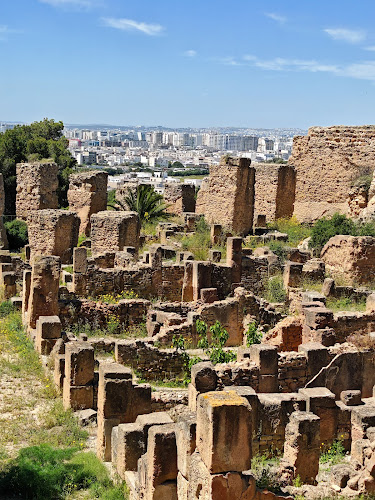
Quartier Punique de Byrsa
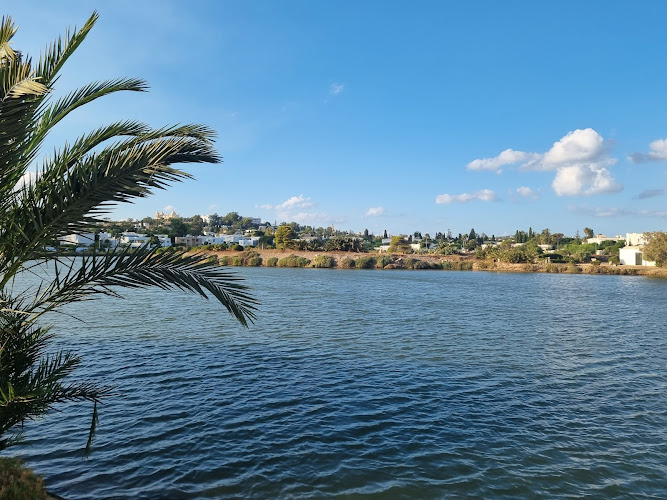
Punic Ports of Carthage
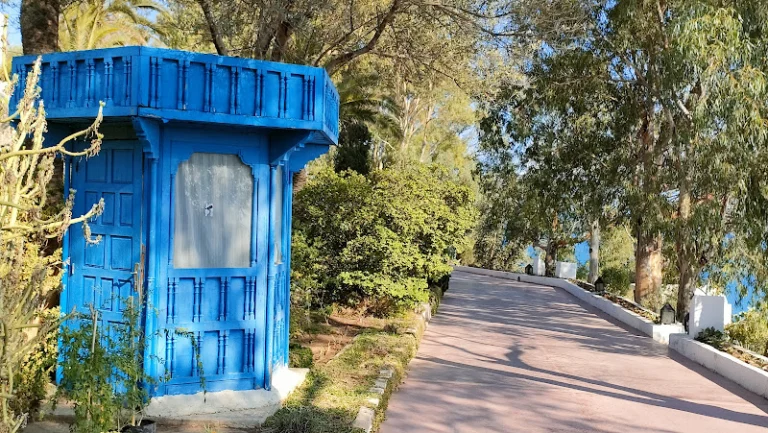
Ennejma Ezzahra
Find Accommodations Nearby
Recommended Tours & Activities
Visitor Reviews
There are no reviews yet. Be the first one to write one.
Share Your Experience
Have you visited Ennejma Ezzahra Palace? Help other travelers by leaving a review.