
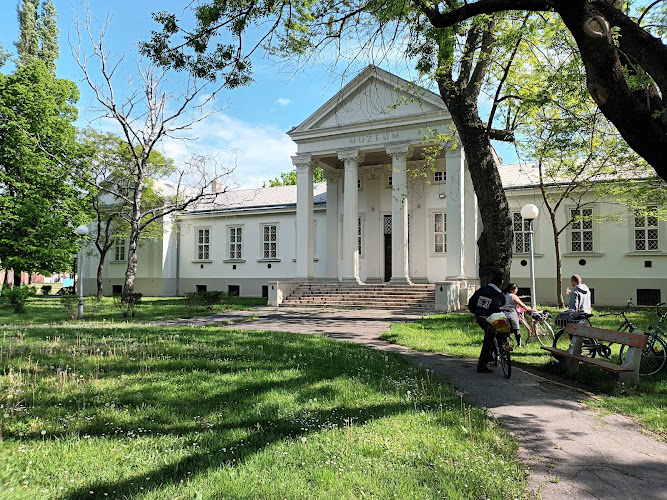
Katona József Museum
About Katona József Museum
Description
The Katona József Museum is one of those places that quietly surprises you. At first glance, you might think it’s just another regional museum, but the longer you stay, the more layers start to reveal themselves. It’s not just about dusty artifacts behind glass cases—there’s a real sense of storytelling here, a connection to Hungarian culture and history that feels alive rather than static. The museum manages to balance traditional exhibits with a thoughtful, modern presentation that makes history approachable. I’ve been to plenty of museums where you walk out more tired than inspired, but this one actually leaves you curious, wanting to dig deeper into the stories you just learned.
What I personally love is the way the museum feels welcoming. Families show up with kids, and you can see the little ones actually enjoying themselves, which isn’t always the case in museums. Accessibility has clearly been considered too—wheelchair-friendly entrances, restrooms, and parking make it easier for everyone to explore without stress. It’s not flawless, of course. Some exhibits could use a refresh, and a few sections feel a bit dated compared to the rest. But the charm outweighs the shortcomings, and the staff’s enthusiasm really shines through. They’re approachable, ready to answer questions, and you get the sense they genuinely care about the place.
For travelers, this museum offers a chance to slow down and connect with a side of Hungary that isn’t always in the guidebooks. It’s not a flashy, blockbuster attraction, but that’s exactly why it feels so authentic. You walk away with a richer sense of the region’s cultural fabric, and honestly, that’s the kind of memory that sticks.
Key Features
- Extensive exhibits showcasing Hungarian history and local heritage
- Wheelchair accessible entrance, parking, and restrooms
- Family-friendly environment with exhibits that engage children
- Clean and well-maintained restroom facilities
- Knowledgeable and approachable staff ready to assist visitors
- Quiet, less-crowded atmosphere compared to big city museums
Best Time to Visit
If you’re like me and prefer to avoid crowds, weekdays are the sweet spot. Mornings tend to be calm, giving you the space to wander at your own pace without feeling rushed. Spring and autumn are particularly pleasant times because the weather outside is mild, and you can combine your museum visit with a relaxing stroll around the town. Summer can get a bit busier with families on holiday, though it never feels overwhelming. Winter visits have their own charm too—the cozy indoor exhibits make for a perfect escape from the chill outside.
One tip I learned the hard way: check ahead for local events. Sometimes the museum hosts temporary exhibitions or cultural programs, and those can really add an extra layer to your visit.
How to Get There
Reaching the Katona József Museum is fairly straightforward. If you’re traveling by car, the museum provides accessible parking, which is a big relief if you’re not a fan of hunting for a spot in unfamiliar streets. For those using public transport, local buses and regional trains connect conveniently to the town center, from where the museum is just a short walk. Honestly, I enjoy walking through the area—it gives you a chance to soak up the slower pace of life here before stepping into the museum itself.
If you’re staying nearby, biking is also a fun option. The roads are manageable, and it’s a nice way to see more of the surrounding scenery. Just remember to bring a water bottle if you’re pedaling during the warmer months.
Tips for Visiting
Here are a few things I’ve picked up from my visits that might make yours smoother and more enjoyable:
- Take your time: Don’t rush through the exhibits. Some of the smaller details, like old photographs or handwritten documents, are easy to miss but worth pausing over.
- Bring snacks: There isn’t a restaurant on-site, so plan to eat before or after. A small café nearby makes for a nice stop once you’re done exploring.
- Ask questions: The staff are genuinely knowledgeable. A quick chat can give you insights you won’t find on the display boards.
- Keep kids engaged: If you’re visiting with children, encourage them to pick their favorite object or story from the exhibits. It keeps them involved and makes the visit more interactive.
- Plan for about 1–2 hours: That’s usually enough to see everything without feeling rushed, though history buffs (like me) might linger longer.
- Check for temporary exhibits: These can change the whole feel of your visit and often highlight unique aspects of Hungarian culture.
And maybe the most important tip of all: go in with an open mind. It’s easy to underestimate smaller museums, but this one has a way of surprising you if you let it. You’ll walk out with stories and impressions that feel personal, not just another tick on your travel checklist.
Key Features
- Extensive exhibits showcasing Hungarian history and local heritage
- Wheelchair accessible entrance, parking, and restrooms
- Family-friendly environment with exhibits that engage children
- Clean and well-maintained restroom facilities
- Knowledgeable and approachable staff ready to assist visitors
- Quiet, less-crowded atmosphere compared to big city museums
More Details
Updated September 10, 2025
Table of Contents
Description
The Katona József Museum is one of those places that quietly surprises you. At first glance, you might think it’s just another regional museum, but the longer you stay, the more layers start to reveal themselves. It’s not just about dusty artifacts behind glass cases—there’s a real sense of storytelling here, a connection to Hungarian culture and history that feels alive rather than static. The museum manages to balance traditional exhibits with a thoughtful, modern presentation that makes history approachable. I’ve been to plenty of museums where you walk out more tired than inspired, but this one actually leaves you curious, wanting to dig deeper into the stories you just learned.
What I personally love is the way the museum feels welcoming. Families show up with kids, and you can see the little ones actually enjoying themselves, which isn’t always the case in museums. Accessibility has clearly been considered too—wheelchair-friendly entrances, restrooms, and parking make it easier for everyone to explore without stress. It’s not flawless, of course. Some exhibits could use a refresh, and a few sections feel a bit dated compared to the rest. But the charm outweighs the shortcomings, and the staff’s enthusiasm really shines through. They’re approachable, ready to answer questions, and you get the sense they genuinely care about the place.
For travelers, this museum offers a chance to slow down and connect with a side of Hungary that isn’t always in the guidebooks. It’s not a flashy, blockbuster attraction, but that’s exactly why it feels so authentic. You walk away with a richer sense of the region’s cultural fabric, and honestly, that’s the kind of memory that sticks.
Key Features
- Extensive exhibits showcasing Hungarian history and local heritage
- Wheelchair accessible entrance, parking, and restrooms
- Family-friendly environment with exhibits that engage children
- Clean and well-maintained restroom facilities
- Knowledgeable and approachable staff ready to assist visitors
- Quiet, less-crowded atmosphere compared to big city museums
Best Time to Visit
If you’re like me and prefer to avoid crowds, weekdays are the sweet spot. Mornings tend to be calm, giving you the space to wander at your own pace without feeling rushed. Spring and autumn are particularly pleasant times because the weather outside is mild, and you can combine your museum visit with a relaxing stroll around the town. Summer can get a bit busier with families on holiday, though it never feels overwhelming. Winter visits have their own charm too—the cozy indoor exhibits make for a perfect escape from the chill outside.
One tip I learned the hard way: check ahead for local events. Sometimes the museum hosts temporary exhibitions or cultural programs, and those can really add an extra layer to your visit.
How to Get There
Reaching the Katona József Museum is fairly straightforward. If you’re traveling by car, the museum provides accessible parking, which is a big relief if you’re not a fan of hunting for a spot in unfamiliar streets. For those using public transport, local buses and regional trains connect conveniently to the town center, from where the museum is just a short walk. Honestly, I enjoy walking through the area—it gives you a chance to soak up the slower pace of life here before stepping into the museum itself.
If you’re staying nearby, biking is also a fun option. The roads are manageable, and it’s a nice way to see more of the surrounding scenery. Just remember to bring a water bottle if you’re pedaling during the warmer months.
Tips for Visiting
Here are a few things I’ve picked up from my visits that might make yours smoother and more enjoyable:
- Take your time: Don’t rush through the exhibits. Some of the smaller details, like old photographs or handwritten documents, are easy to miss but worth pausing over.
- Bring snacks: There isn’t a restaurant on-site, so plan to eat before or after. A small café nearby makes for a nice stop once you’re done exploring.
- Ask questions: The staff are genuinely knowledgeable. A quick chat can give you insights you won’t find on the display boards.
- Keep kids engaged: If you’re visiting with children, encourage them to pick their favorite object or story from the exhibits. It keeps them involved and makes the visit more interactive.
- Plan for about 1–2 hours: That’s usually enough to see everything without feeling rushed, though history buffs (like me) might linger longer.
- Check for temporary exhibits: These can change the whole feel of your visit and often highlight unique aspects of Hungarian culture.
And maybe the most important tip of all: go in with an open mind. It’s easy to underestimate smaller museums, but this one has a way of surprising you if you let it. You’ll walk out with stories and impressions that feel personal, not just another tick on your travel checklist.
Key Highlights
- Extensive exhibits showcasing Hungarian history and local heritage
- Wheelchair accessible entrance, parking, and restrooms
- Family-friendly environment with exhibits that engage children
- Clean and well-maintained restroom facilities
- Knowledgeable and approachable staff ready to assist visitors
- Quiet, less-crowded atmosphere compared to big city museums
Location
Places to Stay Near Katona József Museum
Find and Book a Tour
Explore More Travel Guides
No reviews found! Be the first to review!
Traveler Reviews for Katona József Museum
There are no reviews yet. Be the first one to write one.
Have you visited Katona József Museum? Help other travelers by sharing your review.
You Might Also Like
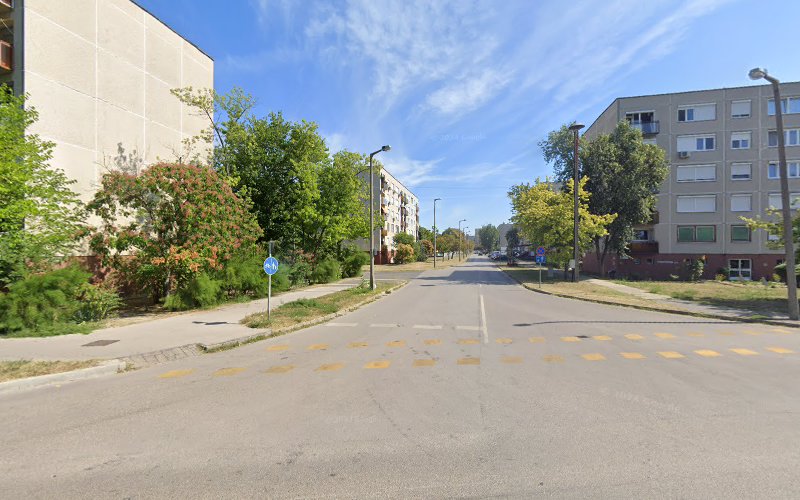
Nyíri út 48-6000
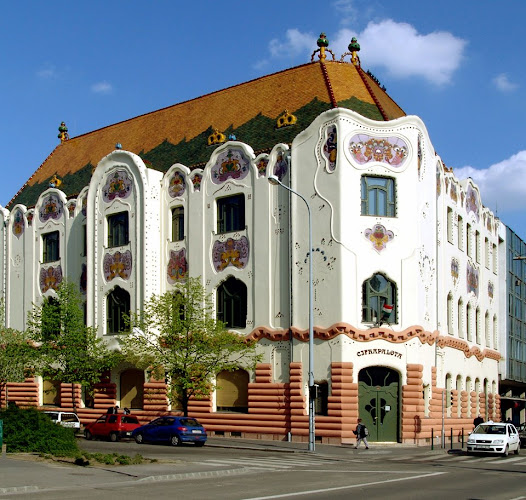
Cifra Palace
Co-Cathedral of the Ascension of the Lord, Kecskemét
Find Accommodations Nearby
Recommended Tours & Activities
Visitor Reviews
There are no reviews yet. Be the first one to write one.
Share Your Experience
Have you visited Katona József Museum? Help other travelers by leaving a review.