
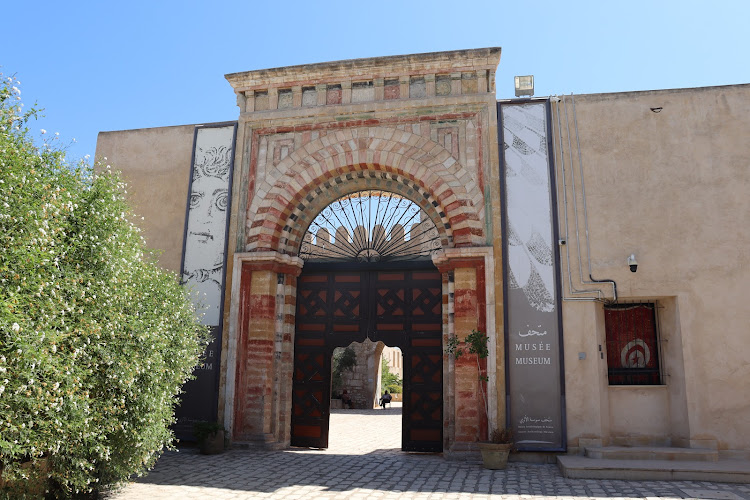
Sousse Archaeological Museum
About Sousse Archaeological Museum
The Sousse Archaeological Museum, tucked inside the historic Kasbah of Sousse, is one of those places that quietly surprises you. At first glance, it looks modest compared to the grand Bardo Museum in Tunis, but once you step inside, the sheer artistry of the mosaics leaves you speechless. It houses what’s considered the second largest collection of Roman mosaics in the world, and they’re not just fragments—they’re sprawling, colorful works that tell stories of gods, myths, and everyday life. The museum doesn’t overwhelm you with endless halls; instead, it feels approachable, almost like you’re being invited into a carefully curated treasure chest of Tunisia’s past.
What makes the experience even more special is the setting. The museum sits within the Kasbah walls, a fortress that dates back centuries, so you get this double-layered history: the Roman and Byzantine artifacts inside, and the medieval Islamic architecture outside. It’s a cultural two-for-one that feels authentic rather than staged. Sure, some visitors might say it’s not as flashy or high-tech as other museums, but honestly, that’s part of the charm. You can wander slowly, take in the artistry, and not feel rushed. And if you’re like me, you’ll probably find yourself staring at one mosaic for way too long, trying to imagine the hands that pieced it together nearly two thousand years ago.
The museum is also family-friendly, with enough space and accessible facilities to keep things comfortable. Kids often find the animal mosaics amusing (who doesn’t love a Roman-era lion frozen mid-pounce?), and the layout makes it easy to explore without getting lost. It’s not perfect—some displays could use more context in English, and on quieter days it can feel a little too quiet—but overall, it’s a gem for anyone curious about Tunisia’s layered history.
Key Features
- Home to the second largest collection of Roman mosaics in the world
- Located inside the historic Kasbah of Sousse, combining Roman and medieval heritage
- Collections include Roman, Byzantine, Punic, and early Christian artifacts
- Catacomb relics and funerary objects from ancient Hadrumetum
- Wheelchair accessible entrance, restrooms, and parking available
- Good for families with children, with engaging artwork and manageable size
- Compact design makes it easy to explore in one visit without feeling rushed
Best Time to Visit
If you’re planning a trip, mornings are usually the sweet spot. The light filtering into the courtyard is softer, which makes the mosaics glow in a way that afternoon sun just can’t replicate. Plus, you’ll likely avoid the tour groups that roll in later in the day. Spring and autumn are ideal seasons overall—pleasant weather for wandering the Medina before or after your museum stop. Summer can be hot, and while the museum is cooler inside the Kasbah walls, the walk to get there under the midday sun can be draining. Personally, I’d skip a late afternoon visit unless you’re chasing that golden-hour light for photos.
How to Get There
Reaching the museum is part of the adventure. It’s located right in the heart of the Medina of Sousse, inside the old Kasbah walls. If you’re staying nearby, you can easily walk through the winding streets, which is half the fun—you’ll pass market stalls, old doorways, and maybe get a little lost (don’t worry, everyone does at least once). For those coming from further out, taxis are straightforward and affordable, and drivers usually know the Kasbah well. Public transport is an option, but honestly, unless you’re comfortable navigating the local system, a taxi or guided tour might save you some stress. Just be ready for a bit of uphill walking once you’re near the Kasbah gate.
Tips for Visiting
Here are a few things I’ve learned from visiting and chatting with other travelers. First, bring a bottle of water—it’s not a huge museum, but the Medina outside can be a maze, and staying hydrated is key. Second, don’t rush through the mosaics. At first they all seem similar, but the more you look, the more details you notice: tiny tesserae, playful animals, even little imperfections that make them feel alive. Third, wear comfortable shoes. The Medina’s cobblestones and the Kasbah’s steps aren’t exactly flip-flop friendly.
Photography is allowed, and you’ll want your camera ready, but try to balance snapping photos with actually looking. I once spent ten minutes trying to get the perfect shot of a Poseidon mosaic, only to realize later I barely looked at it with my own eyes. Also, don’t skip the smaller rooms—they often hold quirky finds like oil lamps or inscriptions that give context to the grander mosaics. And if you’re traveling with kids, turn it into a treasure hunt: challenge them to spot animals or mythological figures in the mosaics. It keeps them engaged and makes the visit fun for everyone.
Lastly, give yourself time to linger in the courtyard. The view over the Medina from the Kasbah is worth a pause, and it’s one of those moments where you really feel connected to the layers of history beneath your feet. Even if you’re not a “museum person,” the Sousse Archaeological Museum has a way of pulling you in—it’s less about reading plaques and more about feeling the weight of centuries in a place that’s still very much alive today.
Key Features
- Home to the second largest collection of Roman mosaics in the world
- Located inside the historic Kasbah of Sousse, combining Roman and medieval heritage
- Collections include Roman, Byzantine, Punic, and early Christian artifacts
- Catacomb relics and funerary objects from ancient Hadrumetum
- Wheelchair accessible entrance, restrooms, and parking available
- Good for families with children, with engaging artwork and manageable size
- Compact design makes it easy to explore in one visit without feeling rushed
You Might Also Like
88 La Goulette Rd

Abdelliya Palace
Acqua Palace
Tours & Activities
GetYourGuide provides this tour inventory. We may earn a commission if you book through it; verify current availability, prices, and terms with the provider.
Visitor Reviews
There are no reviews yet. Be the first one to write one.
Share Your Experience
Have you visited Sousse Archaeological Museum? Help other travelers by leaving a review.