
Museum of Folk Architecture and Rural Life
About Museum of Folk Architecture and Rural Life
Description
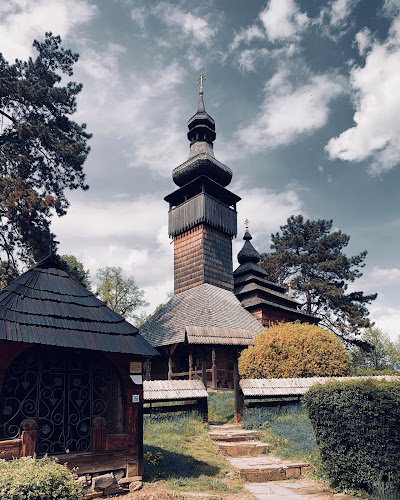
The Museum of Folk Architecture and Rural Life is one of those places that makes you feel like you’ve stepped straight out of the modern world and into a living history book. Spread out under the open sky, this museum is not your typical collection of glass cases and dusty artifacts—it’s a whole recreated village. Visitors wander through original wooden farmhouses, rustic barns, and even a wooden church with a beautiful onion dome, all carefully relocated from villages across the region. It’s the kind of place where you don’t just look at history—you walk through it, breathe it in, and maybe even imagine yourself living it.
What makes it particularly special is its authenticity. The structures aren’t replicas; they’re real homes and buildings that once sheltered families, livestock, and traditions. You can peek inside kitchens, see everyday tools, and get a sense of how people lived, worked, and celebrated life in rural Ukraine over the centuries. It’s not pristine or polished in a theme-park way, but that’s exactly the charm. The museum feels lived-in, almost like the families just stepped out for the day. And if you’re lucky enough to visit during one of the summer festivals, you’ll find the air buzzing with folk music, dancing, and the smell of traditional food cooking nearby.
Most visitors leave with a deep appreciation for the simplicity and resilience of rural life. Sure, a handful of people might find it a bit quiet if they’re expecting flashy exhibits, but those who enjoy history, architecture, and cultural immersion usually come away glowing. It’s family-friendly, kids can run around freely, and there’s enough space to explore without feeling crowded. Plus, the grounds are accessible, with thoughtful amenities like restrooms and a small restaurant, making it a comfortable stop for travelers of all ages.
Key Features
- Over 30 authentic wooden structures, including farmhouses, mills, and barns
- A striking wooden church with a traditional onion dome
- Seasonal folk festivals featuring music, dance, and crafts
- Hands-on exhibits that showcase daily rural life, from tools to textiles
- Family-friendly environment with open spaces for kids to explore
- On-site amenities such as restrooms and a restaurant
- Wheelchair-accessible entrance for inclusive visiting
Best Time to Visit
If you ask me, the museum really comes alive in the warmer months. Spring and summer are the sweet spots—lush greenery frames the wooden houses, and you’ll often stumble upon festivals or live demonstrations. I once visited in July, and the sound of fiddles and laughter carried across the fields; it felt like stepping into a celebration frozen in time. Autumn is also magical, with golden leaves making the backdrop even more photogenic. Winter, though quieter, has its own charm if you don’t mind the cold. The snow-covered roofs and frosty paths can feel like a scene from a fairytale, but keep in mind that outdoor exploring is less comfortable in freezing temperatures.
How to Get There
Reaching the museum is straightforward if you’re already in the city. It’s located within easy reach of the main town center, so you won’t need to spend hours traveling. Public transport and taxis are both options, but honestly, I prefer walking if the weather’s nice—it gives you a chance to soak in the local atmosphere on the way. For those driving, parking is usually manageable, though weekends and festival days can get a little busier. If you’re the type who enjoys planning ahead, checking local schedules for events is worth it, since arriving on a festival day can completely transform the experience.
Tips for Visiting
First off, wear comfortable shoes. The museum grounds are spread out, and you’ll be walking on uneven paths and grassy areas. I learned that the hard way when I wore sandals once and ended up with sore feet by the end of the day. Bring a bottle of water, especially in summer, because while there’s a restaurant, you’ll definitely want to stay hydrated as you explore.
If you’re traveling with kids, let them roam a little—it’s a safe environment, and they’ll love discovering the quirky corners of old houses and barns. For photographers, mornings and late afternoons are golden hours; the light filtering through the trees makes the wooden buildings glow. And don’t rush. The magic of this place is in the details: the carvings on a doorway, the smell of wood, the way the church bell looks against the sky.
One last tip: check the festival calendar. Visiting during a cultural event adds a whole new layer of energy and connection. You’ll get to see traditional crafts being made right in front of you, taste local dishes, and maybe even join in a dance or two. It’s those moments that stick with you long after you’ve left.
Key Features
- Over 30 authentic wooden structures, including farmhouses, mills, and barns
- A striking wooden church with a traditional onion dome
- Seasonal folk festivals featuring music, dance, and crafts
- Hands-on exhibits that showcase daily rural life, from tools to textiles
- Family-friendly environment with open spaces for kids to explore
- On-site amenities such as restrooms and a restaurant
- Wheelchair-accessible entrance for inclusive visiting
More Details
Updated September 10, 2025
Table of Contents
- Description
- Key Features
- Best Time to Visit
- How to Get There
- Tips for Visiting
- Key Highlights
- Location
- Places to Stay Near Museum of Folk Architecture and Rural Life
- Find and Book a Tour
- Explore More Travel Guides
- Nearby Places You Might Like
- Traveler Reviews for Museum of Folk Architecture and Rural Life
- Share Your Experience
Description
The Museum of Folk Architecture and Rural Life is one of those places that makes you feel like you’ve stepped straight out of the modern world and into a living history book. Spread out under the open sky, this museum is not your typical collection of glass cases and dusty artifacts—it’s a whole recreated village. Visitors wander through original wooden farmhouses, rustic barns, and even a wooden church with a beautiful onion dome, all carefully relocated from villages across the region. It’s the kind of place where you don’t just look at history—you walk through it, breathe it in, and maybe even imagine yourself living it.
What makes it particularly special is its authenticity. The structures aren’t replicas; they’re real homes and buildings that once sheltered families, livestock, and traditions. You can peek inside kitchens, see everyday tools, and get a sense of how people lived, worked, and celebrated life in rural Ukraine over the centuries. It’s not pristine or polished in a theme-park way, but that’s exactly the charm. The museum feels lived-in, almost like the families just stepped out for the day. And if you’re lucky enough to visit during one of the summer festivals, you’ll find the air buzzing with folk music, dancing, and the smell of traditional food cooking nearby.
Most visitors leave with a deep appreciation for the simplicity and resilience of rural life. Sure, a handful of people might find it a bit quiet if they’re expecting flashy exhibits, but those who enjoy history, architecture, and cultural immersion usually come away glowing. It’s family-friendly, kids can run around freely, and there’s enough space to explore without feeling crowded. Plus, the grounds are accessible, with thoughtful amenities like restrooms and a small restaurant, making it a comfortable stop for travelers of all ages.
Key Features
- Over 30 authentic wooden structures, including farmhouses, mills, and barns
- A striking wooden church with a traditional onion dome
- Seasonal folk festivals featuring music, dance, and crafts
- Hands-on exhibits that showcase daily rural life, from tools to textiles
- Family-friendly environment with open spaces for kids to explore
- On-site amenities such as restrooms and a restaurant
- Wheelchair-accessible entrance for inclusive visiting
Best Time to Visit
If you ask me, the museum really comes alive in the warmer months. Spring and summer are the sweet spots—lush greenery frames the wooden houses, and you’ll often stumble upon festivals or live demonstrations. I once visited in July, and the sound of fiddles and laughter carried across the fields; it felt like stepping into a celebration frozen in time. Autumn is also magical, with golden leaves making the backdrop even more photogenic. Winter, though quieter, has its own charm if you don’t mind the cold. The snow-covered roofs and frosty paths can feel like a scene from a fairytale, but keep in mind that outdoor exploring is less comfortable in freezing temperatures.
How to Get There
Reaching the museum is straightforward if you’re already in the city. It’s located within easy reach of the main town center, so you won’t need to spend hours traveling. Public transport and taxis are both options, but honestly, I prefer walking if the weather’s nice—it gives you a chance to soak in the local atmosphere on the way. For those driving, parking is usually manageable, though weekends and festival days can get a little busier. If you’re the type who enjoys planning ahead, checking local schedules for events is worth it, since arriving on a festival day can completely transform the experience.
Tips for Visiting
First off, wear comfortable shoes. The museum grounds are spread out, and you’ll be walking on uneven paths and grassy areas. I learned that the hard way when I wore sandals once and ended up with sore feet by the end of the day. Bring a bottle of water, especially in summer, because while there’s a restaurant, you’ll definitely want to stay hydrated as you explore.
If you’re traveling with kids, let them roam a little—it’s a safe environment, and they’ll love discovering the quirky corners of old houses and barns. For photographers, mornings and late afternoons are golden hours; the light filtering through the trees makes the wooden buildings glow. And don’t rush. The magic of this place is in the details: the carvings on a doorway, the smell of wood, the way the church bell looks against the sky.
One last tip: check the festival calendar. Visiting during a cultural event adds a whole new layer of energy and connection. You’ll get to see traditional crafts being made right in front of you, taste local dishes, and maybe even join in a dance or two. It’s those moments that stick with you long after you’ve left.
Key Highlights
- Over 30 authentic wooden structures, including farmhouses, mills, and barns
- A striking wooden church with a traditional onion dome
- Seasonal folk festivals featuring music, dance, and crafts
- Hands-on exhibits that showcase daily rural life, from tools to textiles
- Family-friendly environment with open spaces for kids to explore
- On-site amenities such as restrooms and a restaurant
- Wheelchair-accessible entrance for inclusive visiting
Location
Places to Stay Near Museum of Folk Architecture and Rural Life
Find and Book a Tour
Explore More Travel Guides
No reviews found! Be the first to review!
Traveler Reviews for Museum of Folk Architecture and Rural Life
There are no reviews yet. Be the first one to write one.
Have you visited Museum of Folk Architecture and Rural Life? Help other travelers by sharing your review.
You Might Also Like

Tubing park Ужгород
Jon Lord
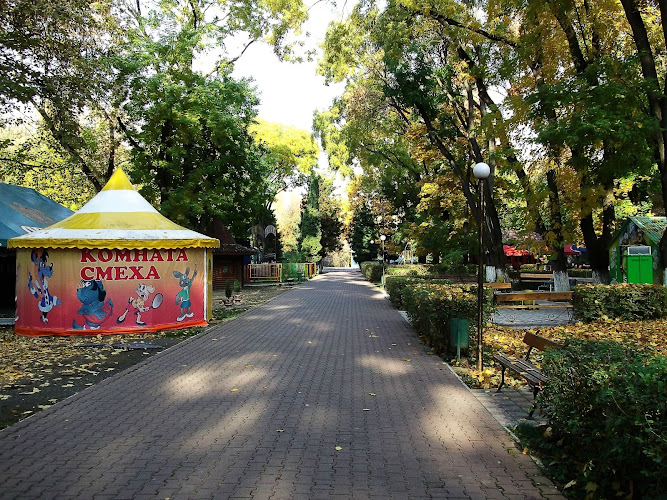
Bozdosh Park
Find Accommodations Nearby
Recommended Tours & Activities
Visitor Reviews
There are no reviews yet. Be the first one to write one.
Share Your Experience
Have you visited Museum of Folk Architecture and Rural Life? Help other travelers by leaving a review.