
Central Luzon
About Central Luzon
Key Features
More Details
Updated April 16, 2024
## Central Luzon (Region III) Travel Guide: Using Pampanga as Your Gateway
Central Luzon (Region III) is often the part of Luzon travelers cut through on the way to “big name” destinations – yet it’s one of the most rewarding regions to actually base yourself in and explore.
Your dataset pin (15.1685006, 120.5978166) drops you in Pampanga, in the Balibago/Angeles area north of Manila, within the broader Central Luzon region. Elevation Map Finder That location works well as a starting point for exploring volcano landscapes, surf towns, heritage villages, and some of the country’s most influential food culture.
Quick internal jumps (for on-page links):
– Jump to province-by-province highlights
– Skip to practical planning tips
> Note on the “rating 1” in the dataset: there is no evidence that “Central Luzon” as a whole is rated “1” as a tourist attraction in reputable travel resources. The region is widely described as a significant tourism and economic hub, not a low-rated sight. Central Luzon The rating in your row is best treated as a placeholder, not an assessment of travel quality.
—
## Where Exactly Is Central Luzon?
Central Luzon sits immediately north of Metro Manila. Official tourism and government sources define it as Region III, made up of seven provinces: Aurora, Bataan, Bulacan, Nueva Ecija, Pampanga, Tarlac, and Zambales. Central Luzon
Key geographic facts you can safely rely on:
– The region has a land area of about 21,470 square kilometers. Central Luzon
– It’s the only Philippine region that reaches both the western and eastern seas: the South China Sea to the west and the Philippine Sea to the east, with Manila Bay to the south. Central Luzon
– It’s a major access corridor to the northern regions (Ilocos, Cordilleras, Cagayan Valley). Central Luzon
From a traveler’s perspective, Central Luzon is:
– The grain basket of the country – huge plains used for rice and other crops. Traveler
– A region of volcanoes, rivers, surfable coasts, and heritage towns. Pinatubo
– Exceptionally accessible via expressways like NLEX and SCTEX, and through Clark International Airport (CRK) in Pampanga. Province PH
—
## Why Base Yourself Around Magalang / Angeles in Pampanga?
Your coordinates and city label point to Pampanga, particularly the Angeles/Balibago area, with Magalang municipality and Mount Arayat just to the northeast. Elevation Map Finder
That cluster has a few concrete advantages:
– Proximity to Clark International Airport (CRK)
– CRK sits in the Clark Freeport Zone, about 80 km northwest of Manila, and serves Central and Northern Luzon with domestic and international flights.
– Central position inside the region
– From Clark/Angeles you can move outward to Bataan, Zambales, Tarlac, and Nueva Ecija via expressways and main highways described in official travel guides. Province PH
– Access to local nature and recreation
– Magalang sits at the foothills of Mount Arayat, with eco-parks, resorts, and coffee shops being actively promoted by the municipal tourism office as part of a growing recreational and heritage destination.
For a practical itinerary, that means you can:
– Land at CRK instead of dealing with Manila Airport, when flight options allow. Airport
– Use Angeles / Clark / Magalang as a hub: day-trip to volcano treks, surf beaches, heritage complexes, and farmland landscapes, then return to the same base at night.
—
## Highlights by Province: What Central Luzon Is Known For
Recent regional tourism write-ups consistently summarize Central Luzon as being known for: Pampanga’s culinary heritage, Zambales’ beach towns, and Aurora’s surf scene, combined with heritage churches, farmlands, and volcano landscapes. Pinatubo
Here’s how that breaks down by province.
### Pampanga: Culinary Heartland and Clark Gateway
Pampanga is repeatedly described as a culinary heartland or “food capital” of the Philippines in media and reference sources, thanks to its layered Kapampangan cuisine and concentration of influential chefs. Life
Key points to anchor in your content:
– Food focus
– Dishes like sisig and bringhe are regularly cited as emblematic of Pampanga’s cuisine. Life
– There is an ongoing debate – a 2025 presidential veto rejected a bill to formally declare Pampanga the official “Culinary Capital,” even as the Senate has used that language symbolically. News Agency
– You can safely frame Pampanga as historically significant in Philippine food culture, while flagging that the “culinary capital” label is politically and culturally debated.
– Clark Freeport and Airport
– Clark International Airport’s new terminal (opened 2022) is described as a key hub with a design capacity of around 12 million passengers annually, and has even been recognized on lists of the “World’s Most Beautiful Airports.”
– Nearby attractions from your coordinate hub
– Mount Arayat National Park (Arayat, near Magalang) appears in regional and local attraction lists as a natural-scenery and hiking destination.
– Clark leisure area (waterparks, entertainment complexes, shopping malls) is documented as a tourism cluster around the airport and Freeport.
### Zambales: Beach Towns and Surf Spots
Zambales, on the region’s western seaboard, is described in recent travel pieces as home to beach towns and surf breaks that are relatively close to Manila.
Concrete, verifiable elements:
– Beach destinations like those around Subic and farther north are repeatedly recommended in Central Luzon “best of” lists. Poor Traveler® Itinerary Blog
– Zambales surf guides confirm a mix of beginner-friendly spots and more advanced river-mouth breaks. Atlas
If you’re writing for first-time visitors, it’s accurate to present Zambales as Central Luzon’s go-to coastal belt for weekend beach trips and surf lessons, as long as you avoid ranking it above other Philippine surf areas without evidence.
### Aurora: Baler and the Birth of Philippine Surf Culture
On the eastern side of the region along the Pacific, Aurora is strongly associated with surfing, especially the town of Baler:
– Baler is legally recognized as the “Birthplace of Philippine Surfing” under a 2023 national law.
– Tourism and surf sources describe Sabang Beach in Baler as a key beginner-friendly surf spot with numerous surf camps. Tourism USA
– Provincial tourism materials for Aurora list surfing, snorkeling, scuba diving, mountain climbing, and trekking as core activities. Central Luzon
You can confidently position Aurora as Central Luzon’s Pacific-facing surf and adventure province, while noting that conditions and the range of active operators can change seasonally.
### Bataan: Heritage Waterfront and Las Casas Filipinas de Acuzar
On the western side, Bataan mixes World War II history with coastal landscapes. One standout, highly documented site is:
– Las Casas Filipinas de Acuzar, a heritage resort and beach complex in Bagac that relocates and restores Spanish-Filipino colonial houses (bahay na bato).
Accurate, nuanced framing:
– It’s recognized internationally as a historic hotel and heritage resort, with almost 40 transplanted colonial structures.
– Heritage experts debate the ethics of transplanting buildings; both criticism and the owner’s “rescue” narrative are documented in conservation discussions.
For readers, that makes Bataan a good case study in heritage tourism – worthy of a visit, but also of reflection about conservation approaches.
### Nueva Ecija: Inland Rivers and Minalungao National Park
Nueva Ecija lies inland, but it is increasingly on ecotourism maps thanks to:
– Minalungao National Park, described in reputable travel pieces as a river-gorge destination offering hiking, rock-climbing, simple zip-line setups, rafting, and swimming.
Important caveat: several base articles on Minalungao are a few years old. Before publishing current details on entrance fees, activity availability, and safety infrastructure, it’s worth checking the latest local tourism advisories or recent reviews, because infrastructure and management of Philippine nature parks can change quickly.
### Bulacan & Tarlac: Heritage Towns and Volcanic Landscapes
Two other provinces that pair naturally with a Pampanga base:
– Bulacan
– Known in regional guides for heritage churches and ancestral houses (for example, Malolos heritage tours show up in Central Luzon tourist-spot roundups). Poor Traveler® Itinerary Blog
– Tarlac
– Forms part of the access route to Mount Pinatubo, with tour operators using the Capas trail via 4×4 jeeps and guided treks to the crater. Pinatubo
– Government and commercial sites frame Pinatubo as a standout volcano trekking experience in Central Luzon, with lahar canyons and crater-lake views. Pinatubo
Again, many first-person blog accounts of Pinatubo hikes are several years old. Tour regulations, maximum group sizes, and seasonal closures are subject to change, so modern readers should be reminded to verify current operating status and safety rules with licensed operators.
—
## Practical Planning Tips for Central Luzon
### Getting In and Around
– Air access: Central Luzon is unusually well-served, with sources noting it’s the only region accessible via three international gateways – Clark, Subic, and Ninoy Aquino International Airport (NAIA) in nearby Metro Manila.
– Road network:
– NLEX (North Luzon Expressway) and SCTEX (Subic–Clark–Tarlac Expressway) connect Manila directly to Pampanga, Bulacan, Tarlac and onward to Subic and Zambales. Province PH
For your article, it’s accurate to describe Central Luzon as one of the easiest parts of the Philippines to reach overland from Manila, with multiple expressways and airports backing that claim.
### When to Go
Central Luzon shares the broader Luzon climate pattern:
Table of Contents
Key Highlights
Central Luzon
Location
Places to Stay Near Central Luzon
Find and Book a Tour
Explore More Travel Guides
No reviews found! Be the first to review!
Traveler Reviews for Central Luzon
There are no reviews yet. Be the first one to write one.
Have you visited Central Luzon? Help other travelers by sharing your review.
You Might Also Like
farmD
LFCCIM Farm & Camp Site
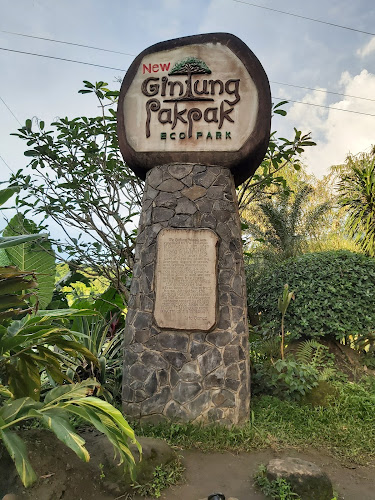
Gintung Pakpak Eco Park
Find Accommodations Nearby
Recommended Tours & Activities
Visitor Reviews
There are no reviews yet. Be the first one to write one.
Share Your Experience
Have you visited Central Luzon? Help other travelers by leaving a review.