
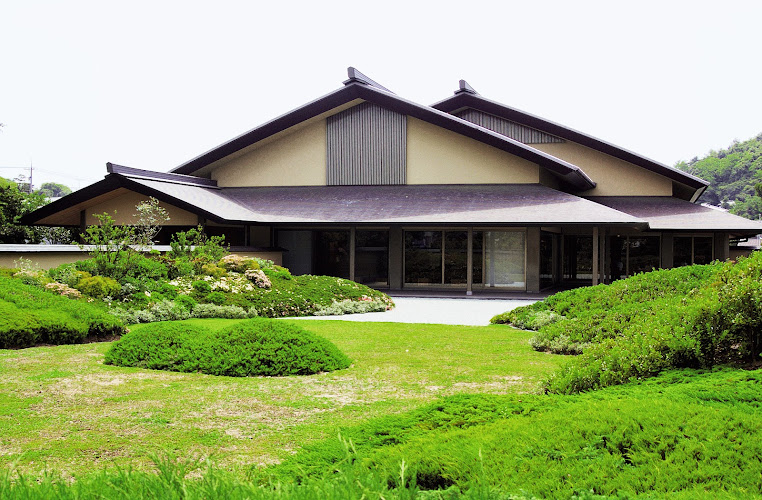
Hirayama Ikuo Museum of Art
About Hirayama Ikuo Museum of Art
Description
The Hirayama Ikuo Museum of Art is a peaceful retreat that feels like stepping into the mind of one of Japan’s most beloved modern painters. Dedicated entirely to Ikuo Hirayama, the museum showcases his evocative works inspired by the Silk Road, Buddhism, and his deep fascination with cultural exchange. The atmosphere is calm, almost meditative, which makes it a great place to slow down and reflect. It’s not the kind of museum that overwhelms you with endless galleries; instead, it gives you space to breathe and really sit with the art. Some visitors walk away deeply moved, while others might find the collection smaller than expected. But for those who take the time to engage, the experience can be surprisingly powerful.
I remember the first time I wandered into the museum—honestly, I wasn’t sure what to expect. I had only vaguely heard of Hirayama before, yet standing in front of his sweeping Silk Road landscapes, I felt this strange pull, like I was being invited into a story much bigger than myself. That’s the kind of effect this place can have if you let it. And it’s not just about the paintings; the architecture itself, with its clean lines and thoughtful layout, adds to the serene vibe. You’ll find yourself slowing your pace without even realizing it.
Key Features
- Original paintings and sketches by Ikuo Hirayama, many inspired by the Silk Road and Buddhist themes
- A tranquil and contemplative atmosphere, designed to encourage reflection rather than rushing
- Wheelchair accessible entrance, restrooms, parking lot, and even wheelchair rentals available
- On-site amenities such as Wi-Fi and clean restrooms (though no restaurant, so plan ahead if you get hungry)
- Rotating exhibitions that occasionally highlight Hirayama’s travels and cultural exchanges
- Gift shop with art books and prints that make thoughtful souvenirs
One thing I personally love is how the museum doesn’t try to be flashy. It’s not about gimmicks or interactive screens—it’s about the art, plain and simple. And that honesty feels refreshing in a world where so many attractions are trying to compete for your attention with bells and whistles.
Best Time to Visit
If you’re someone who enjoys quiet spaces, weekdays in the late morning are ideal. You’ll often find fewer crowds then, which means you can stand in front of a painting for as long as you like without feeling rushed. Spring and autumn are particularly lovely, since the surrounding scenery adds another layer to the visit. The crisp air of autumn pairs beautifully with Hirayama’s desert-inspired works, while spring brings a softness that complements his more spiritual pieces. Summer can be a bit busier with travelers, but the museum’s air-conditioned interiors make it a comfortable stop even on hot days.
Personally, I think winter has its charm too. There’s something about walking into a warm, quiet gallery while the world outside feels hushed that makes the art resonate differently. It’s like the paintings themselves take on a new kind of stillness.
How to Get There
Reaching the Hirayama Ikuo Museum of Art is fairly straightforward, though you’ll want to plan ahead. The museum is accessible by public transportation, with buses running from nearby train stations, and taxis are always an option if you prefer convenience. For those driving, the museum provides wheelchair accessible parking, which is a thoughtful touch for travelers who need it. The journey itself can feel like part of the adventure—passing through small towns and scenic landscapes before arriving at this cultural gem. I’d recommend giving yourself a little extra time, not just for the commute but also to ease into the slower pace the museum seems to encourage.
Tips for Visiting
Here are a few things I’ve learned from my visits (and from swapping stories with other travelers):
- Bring a snack or eat beforehand since there’s no restaurant inside the museum.
- Take advantage of the free Wi-Fi if you want to look up more about Hirayama’s life while you’re there.
- Allow at least 1–2 hours for your visit. Even though the collection isn’t massive, rushing through would miss the point.
- If you’re traveling with someone who uses a wheelchair, rest assured—the museum has excellent accessibility features.
- Don’t skip the gift shop. The selection of books and prints is carefully curated and makes for meaningful souvenirs.
And here’s a little personal tip: don’t be afraid to just sit on one of the benches and do nothing for a while. Let the art wash over you. I once spent nearly twenty minutes in front of a single painting, and it ended up being the highlight of my day. Sometimes the best travel memories aren’t about how much you see, but how deeply you feel what you do see.
In the end, the Hirayama Ikuo Museum of Art is not about checking another spot off your list—it’s about slowing down, connecting with an artist’s vision, and maybe even with yourself. If you’re the kind of traveler who values reflection as much as sightseeing, this museum will likely stay with you long after you’ve left.
Key Features
- Original paintings and sketches by Ikuo Hirayama, many inspired by the Silk Road and Buddhist themes
- A tranquil and contemplative atmosphere, designed to encourage reflection rather than rushing
- Wheelchair accessible entrance, restrooms, parking lot, and even wheelchair rentals available
- On-site amenities such as Wi-Fi and clean restrooms (though no restaurant, so plan ahead if you get hungry)
- Rotating exhibitions that occasionally highlight Hirayama’s travels and cultural exchanges
- Gift shop with art books and prints that make thoughtful souvenirs
- Bring a snack or eat beforehand since there’s no restaurant inside the museum.
- Take advantage of the free Wi-Fi if you want to look up more about Hirayama’s life while you’re there.
More Details
Updated September 9, 2025
Table of Contents
Description
The Hirayama Ikuo Museum of Art is a peaceful retreat that feels like stepping into the mind of one of Japan’s most beloved modern painters. Dedicated entirely to Ikuo Hirayama, the museum showcases his evocative works inspired by the Silk Road, Buddhism, and his deep fascination with cultural exchange. The atmosphere is calm, almost meditative, which makes it a great place to slow down and reflect. It’s not the kind of museum that overwhelms you with endless galleries; instead, it gives you space to breathe and really sit with the art. Some visitors walk away deeply moved, while others might find the collection smaller than expected. But for those who take the time to engage, the experience can be surprisingly powerful.
I remember the first time I wandered into the museum—honestly, I wasn’t sure what to expect. I had only vaguely heard of Hirayama before, yet standing in front of his sweeping Silk Road landscapes, I felt this strange pull, like I was being invited into a story much bigger than myself. That’s the kind of effect this place can have if you let it. And it’s not just about the paintings; the architecture itself, with its clean lines and thoughtful layout, adds to the serene vibe. You’ll find yourself slowing your pace without even realizing it.
Key Features
- Original paintings and sketches by Ikuo Hirayama, many inspired by the Silk Road and Buddhist themes
- A tranquil and contemplative atmosphere, designed to encourage reflection rather than rushing
- Wheelchair accessible entrance, restrooms, parking lot, and even wheelchair rentals available
- On-site amenities such as Wi-Fi and clean restrooms (though no restaurant, so plan ahead if you get hungry)
- Rotating exhibitions that occasionally highlight Hirayama’s travels and cultural exchanges
- Gift shop with art books and prints that make thoughtful souvenirs
One thing I personally love is how the museum doesn’t try to be flashy. It’s not about gimmicks or interactive screens—it’s about the art, plain and simple. And that honesty feels refreshing in a world where so many attractions are trying to compete for your attention with bells and whistles.
Best Time to Visit
If you’re someone who enjoys quiet spaces, weekdays in the late morning are ideal. You’ll often find fewer crowds then, which means you can stand in front of a painting for as long as you like without feeling rushed. Spring and autumn are particularly lovely, since the surrounding scenery adds another layer to the visit. The crisp air of autumn pairs beautifully with Hirayama’s desert-inspired works, while spring brings a softness that complements his more spiritual pieces. Summer can be a bit busier with travelers, but the museum’s air-conditioned interiors make it a comfortable stop even on hot days.
Personally, I think winter has its charm too. There’s something about walking into a warm, quiet gallery while the world outside feels hushed that makes the art resonate differently. It’s like the paintings themselves take on a new kind of stillness.
How to Get There
Reaching the Hirayama Ikuo Museum of Art is fairly straightforward, though you’ll want to plan ahead. The museum is accessible by public transportation, with buses running from nearby train stations, and taxis are always an option if you prefer convenience. For those driving, the museum provides wheelchair accessible parking, which is a thoughtful touch for travelers who need it. The journey itself can feel like part of the adventure—passing through small towns and scenic landscapes before arriving at this cultural gem. I’d recommend giving yourself a little extra time, not just for the commute but also to ease into the slower pace the museum seems to encourage.
Tips for Visiting
Here are a few things I’ve learned from my visits (and from swapping stories with other travelers):
- Bring a snack or eat beforehand since there’s no restaurant inside the museum.
- Take advantage of the free Wi-Fi if you want to look up more about Hirayama’s life while you’re there.
- Allow at least 1–2 hours for your visit. Even though the collection isn’t massive, rushing through would miss the point.
- If you’re traveling with someone who uses a wheelchair, rest assured—the museum has excellent accessibility features.
- Don’t skip the gift shop. The selection of books and prints is carefully curated and makes for meaningful souvenirs.
And here’s a little personal tip: don’t be afraid to just sit on one of the benches and do nothing for a while. Let the art wash over you. I once spent nearly twenty minutes in front of a single painting, and it ended up being the highlight of my day. Sometimes the best travel memories aren’t about how much you see, but how deeply you feel what you do see.
In the end, the Hirayama Ikuo Museum of Art is not about checking another spot off your list—it’s about slowing down, connecting with an artist’s vision, and maybe even with yourself. If you’re the kind of traveler who values reflection as much as sightseeing, this museum will likely stay with you long after you’ve left.
Key Highlights
- Original paintings and sketches by Ikuo Hirayama, many inspired by the Silk Road and Buddhist themes
- A tranquil and contemplative atmosphere, designed to encourage reflection rather than rushing
- Wheelchair accessible entrance, restrooms, parking lot, and even wheelchair rentals available
- On-site amenities such as Wi-Fi and clean restrooms (though no restaurant, so plan ahead if you get hungry)
- Rotating exhibitions that occasionally highlight Hirayama’s travels and cultural exchanges
- Gift shop with art books and prints that make thoughtful souvenirs
- Bring a snack or eat beforehand since there’s no restaurant inside the museum.
- Take advantage of the free Wi-Fi if you want to look up more about Hirayama’s life while you’re there.
Location
Places to Stay Near Hirayama Ikuo Museum of Art
Find and Book a Tour
Explore More Travel Guides
No reviews found! Be the first to review!
Traveler Reviews for Hirayama Ikuo Museum of Art
There are no reviews yet. Be the first one to write one.
Have you visited Hirayama Ikuo Museum of Art? Help other travelers by sharing your review.
You Might Also Like
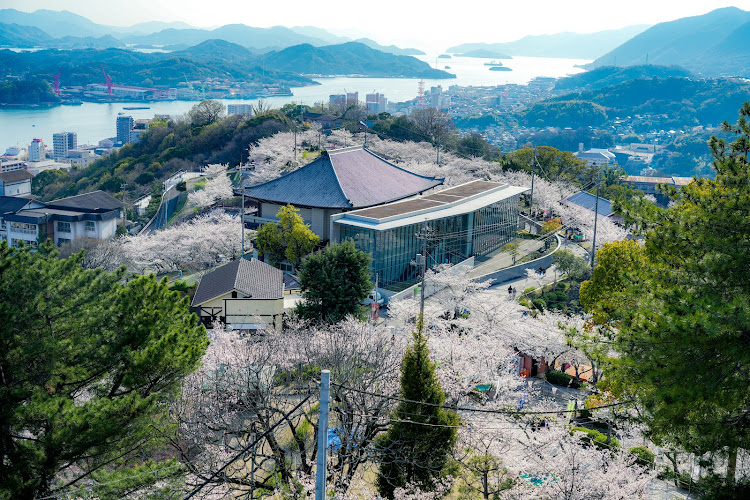
Senkoji Park
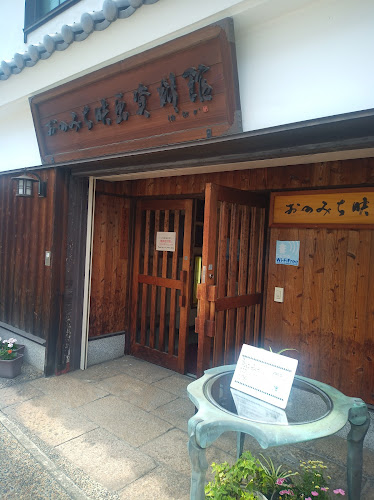
Onomichi Motion Picture Museum
Cat Alley (Neko no Hosomichi)
Find Accommodations Nearby
Recommended Tours & Activities
Visitor Reviews
There are no reviews yet. Be the first one to write one.
Share Your Experience
Have you visited Hirayama Ikuo Museum of Art? Help other travelers by leaving a review.