

Yumeji Art Museum
About Yumeji Art Museum
Description
The Yumeji Art Museum in Okayama is one of those places that quietly stays with you long after you’ve left. Dedicated to the early 20th-century artist and poet Takehisa Yumeji, the museum captures the dreamy, melancholic charm that defined his work and the Taisho Romantic period he helped shape. It’s not a grand, imposing building like some major museums in Tokyo or Kyoto—quite the opposite. It feels intimate, almost personal, as if you’ve stepped into Yumeji’s own world, where wistful women in flowing kimonos, black cats, and soft watercolor tones seem to float between nostalgia and longing.
Walking through the museum, you’ll find a collection that goes beyond paintings. There are magazine illustrations, woodblock prints, and even advertising designs that show how Yumeji blurred the line between fine art and everyday life. He was one of Japan’s first true “designers,” long before the term became fashionable. His style—delicate, emotional, and distinctly modern for his time—still feels surprisingly fresh. The museum also includes a reconstruction of Yumeji’s studio, which gives you a peek into his creative process. It’s a small detail, but standing there, surrounded by brushes and sketches, you can almost imagine him pausing mid-stroke, lost in thought.
Now, to be fair, not everyone is swept away by the museum. Some visitors find it small compared to other art institutions, or wish for more English explanations. But for those who appreciate subtlety and atmosphere, it’s pure magic. You don’t rush through this place; you linger. You let the quiet rooms and gentle colors do their work. And when you step outside, with Korakuen Garden just across the way, it feels like the perfect continuation of that same poetic calm.
Key Features
- Dedicated entirely to Takehisa Yumeji, a pioneer of the Taisho Romantic movement and one of Japan’s most beloved artists.
- Exhibits include original paintings, illustrations, woodblock prints, and design works that blend Japanese and Western influences.
- Features a reconstructed version of Yumeji’s studio, offering a personal glimpse into his artistic life.
- Located conveniently near Okayama’s Korakuen Garden, making it easy to combine both visits in a single day.
- Wheelchair-accessible throughout, with accessible restrooms, parking, and even wheelchair rentals available.
- On-site amenities include a small restaurant and restrooms for visitor comfort.
- Rotating exhibitions throughout the year showcase lesser-known works and seasonal themes related to Yumeji’s art.
One of my favorite things about this museum is how it balances accessibility with intimacy. You don’t need to be an art historian to enjoy it. Whether you’re a casual traveler or a serious art lover, there’s something quietly powerful in the way Yumeji’s art speaks to universal emotions—love, loneliness, nostalgia. And maybe that’s why people keep returning. It’s not about seeing something new; it’s about feeling something old in a new way.
Best Time to Visit
If you’re planning a trip, spring and autumn are the sweet spots. In spring, the cherry blossoms around Okayama are in full bloom, and the soft pink petals outside the museum create a backdrop straight out of one of Yumeji’s paintings. Autumn, on the other hand, brings crisp air and golden leaves, which somehow make his works feel even more poignant.
Summer can be quite warm, and while the museum is air-conditioned, walking from nearby attractions might feel a bit sticky. Winter has its own charm though—fewer crowds and a peaceful stillness that suits the reflective tone of Yumeji’s art perfectly. Personally, I visited in late November, and the way the light filtered through the windows that afternoon made the whole place glow. It’s those small, unexpected moments that make travel worthwhile, isn’t it?
How to Get There
The Yumeji Art Museum is easy to reach if you’re already exploring Okayama. From Okayama Station, you can hop on a local bus heading toward Korakuen Garden and get off just a few minutes away from the museum. It’s also a pleasant walk if you’re up for it—about 25 minutes through the city’s quieter streets.
If you’re driving, there’s parking available nearby, and the area is well-signposted. Many travelers pair their visit with a stroll through Korakuen or a stop at Okayama Castle, both just across the river. It’s one of those ideal sightseeing clusters where everything feels connected, and you can easily spend half a day without ever feeling rushed.
For those coming from outside Okayama, the city itself is well-linked by the Shinkansen, making it a convenient day trip from Osaka, Hiroshima, or even Kyoto. Honestly, that’s one of the best things about Okayama—it’s big enough to have great culture and food, but small enough that you never feel lost in a crowd.
Tips for Visiting
A few tips from someone who’s been there (and maybe made a few mistakes along the way). First, take your time. This isn’t a museum you breeze through in twenty minutes. The exhibits are subtle, and the more you linger, the more you notice—the delicate brushwork, the faint pencil lines, the way Yumeji captured emotion with just a few strokes.
Second, if you can, visit on a weekday morning. It’s quieter, and you might find yourself almost alone in some rooms, which honestly makes the experience feel more personal. If you’re visiting during a special exhibition, check the schedule ahead of time—some of Yumeji’s more famous works rotate in and out depending on the season.
Photography is usually limited, so don’t expect to snap endless pictures. Instead, bring a small notebook or just sit for a while. There’s something oddly meditative about being surrounded by art that was made over a century ago but still feels alive. And when you’re done, grab a coffee at the museum’s small café or the nearby tea shops. It’s a great way to let it all sink in.
Accessibility-wise, the museum is well-equipped. There are ramps, accessible restrooms, and even wheelchair rentals available. The staff are friendly and helpful, even if English isn’t their first language—they genuinely care about making your visit comfortable. That warmth, I think, reflects the spirit of Yumeji’s own art: gentle, human, and quietly beautiful.
If you’re traveling with kids, it can also be an unexpectedly good stop. While the art might seem delicate or introspective, children often respond to the bright colors and expressive faces in Yumeji’s work. And for couples—well, there’s something undeniably romantic about it all. Maybe it’s the wistful eyes of his painted women or the way the museum seems frozen in time, but it’s definitely a place that stirs emotion.
One last thing: don’t skip the small gift shop. It’s full of beautifully designed postcards, stationery, and prints inspired by Yumeji’s art. I picked up a tiny notebook there, and every time I use it, I’m reminded of that quiet afternoon in Okayama. It’s funny how small souvenirs can carry so much memory, isn’t it?
In the end, the Yumeji Art Museum isn’t about grandeur or spectacle. It’s about connection—between past and present, artist and viewer, beauty and melancholy. It’s the kind of place that doesn’t shout for your attention but whispers, and somehow that whisper stays with you long after you’ve walked out the door. For travelers who crave something authentic, personal, and quietly moving, this little museum in Okayama is absolutely worth the stop.
Key Features
- Dedicated entirely to Takehisa Yumeji, a pioneer of the Taisho Romantic movement and one of Japan’s most beloved artists.
- Exhibits include original paintings, illustrations, woodblock prints, and design works that blend Japanese and Western influences.
- Features a reconstructed version of Yumeji’s studio, offering a personal glimpse into his artistic life.
- Located conveniently near Okayama’s Korakuen Garden, making it easy to combine both visits in a single day.
- Wheelchair-accessible throughout, with accessible restrooms, parking, and even wheelchair rentals available.
- On-site amenities include a small restaurant and restrooms for visitor comfort.
- Rotating exhibitions throughout the year showcase lesser-known works and seasonal themes related to Yumeji’s art.
More Details
Updated November 7, 2025
Table of Contents
Description
The Yumeji Art Museum in Okayama is one of those places that quietly stays with you long after you’ve left. Dedicated to the early 20th-century artist and poet Takehisa Yumeji, the museum captures the dreamy, melancholic charm that defined his work and the Taisho Romantic period he helped shape. It’s not a grand, imposing building like some major museums in Tokyo or Kyoto—quite the opposite. It feels intimate, almost personal, as if you’ve stepped into Yumeji’s own world, where wistful women in flowing kimonos, black cats, and soft watercolor tones seem to float between nostalgia and longing.
Walking through the museum, you’ll find a collection that goes beyond paintings. There are magazine illustrations, woodblock prints, and even advertising designs that show how Yumeji blurred the line between fine art and everyday life. He was one of Japan’s first true “designers,” long before the term became fashionable. His style—delicate, emotional, and distinctly modern for his time—still feels surprisingly fresh. The museum also includes a reconstruction of Yumeji’s studio, which gives you a peek into his creative process. It’s a small detail, but standing there, surrounded by brushes and sketches, you can almost imagine him pausing mid-stroke, lost in thought.
Now, to be fair, not everyone is swept away by the museum. Some visitors find it small compared to other art institutions, or wish for more English explanations. But for those who appreciate subtlety and atmosphere, it’s pure magic. You don’t rush through this place; you linger. You let the quiet rooms and gentle colors do their work. And when you step outside, with Korakuen Garden just across the way, it feels like the perfect continuation of that same poetic calm.
Key Features
- Dedicated entirely to Takehisa Yumeji, a pioneer of the Taisho Romantic movement and one of Japan’s most beloved artists.
- Exhibits include original paintings, illustrations, woodblock prints, and design works that blend Japanese and Western influences.
- Features a reconstructed version of Yumeji’s studio, offering a personal glimpse into his artistic life.
- Located conveniently near Okayama’s Korakuen Garden, making it easy to combine both visits in a single day.
- Wheelchair-accessible throughout, with accessible restrooms, parking, and even wheelchair rentals available.
- On-site amenities include a small restaurant and restrooms for visitor comfort.
- Rotating exhibitions throughout the year showcase lesser-known works and seasonal themes related to Yumeji’s art.
One of my favorite things about this museum is how it balances accessibility with intimacy. You don’t need to be an art historian to enjoy it. Whether you’re a casual traveler or a serious art lover, there’s something quietly powerful in the way Yumeji’s art speaks to universal emotions—love, loneliness, nostalgia. And maybe that’s why people keep returning. It’s not about seeing something new; it’s about feeling something old in a new way.
Best Time to Visit
If you’re planning a trip, spring and autumn are the sweet spots. In spring, the cherry blossoms around Okayama are in full bloom, and the soft pink petals outside the museum create a backdrop straight out of one of Yumeji’s paintings. Autumn, on the other hand, brings crisp air and golden leaves, which somehow make his works feel even more poignant.
Summer can be quite warm, and while the museum is air-conditioned, walking from nearby attractions might feel a bit sticky. Winter has its own charm though—fewer crowds and a peaceful stillness that suits the reflective tone of Yumeji’s art perfectly. Personally, I visited in late November, and the way the light filtered through the windows that afternoon made the whole place glow. It’s those small, unexpected moments that make travel worthwhile, isn’t it?
How to Get There
The Yumeji Art Museum is easy to reach if you’re already exploring Okayama. From Okayama Station, you can hop on a local bus heading toward Korakuen Garden and get off just a few minutes away from the museum. It’s also a pleasant walk if you’re up for it—about 25 minutes through the city’s quieter streets.
If you’re driving, there’s parking available nearby, and the area is well-signposted. Many travelers pair their visit with a stroll through Korakuen or a stop at Okayama Castle, both just across the river. It’s one of those ideal sightseeing clusters where everything feels connected, and you can easily spend half a day without ever feeling rushed.
For those coming from outside Okayama, the city itself is well-linked by the Shinkansen, making it a convenient day trip from Osaka, Hiroshima, or even Kyoto. Honestly, that’s one of the best things about Okayama—it’s big enough to have great culture and food, but small enough that you never feel lost in a crowd.
Tips for Visiting
A few tips from someone who’s been there (and maybe made a few mistakes along the way). First, take your time. This isn’t a museum you breeze through in twenty minutes. The exhibits are subtle, and the more you linger, the more you notice—the delicate brushwork, the faint pencil lines, the way Yumeji captured emotion with just a few strokes.
Second, if you can, visit on a weekday morning. It’s quieter, and you might find yourself almost alone in some rooms, which honestly makes the experience feel more personal. If you’re visiting during a special exhibition, check the schedule ahead of time—some of Yumeji’s more famous works rotate in and out depending on the season.
Photography is usually limited, so don’t expect to snap endless pictures. Instead, bring a small notebook or just sit for a while. There’s something oddly meditative about being surrounded by art that was made over a century ago but still feels alive. And when you’re done, grab a coffee at the museum’s small café or the nearby tea shops. It’s a great way to let it all sink in.
Accessibility-wise, the museum is well-equipped. There are ramps, accessible restrooms, and even wheelchair rentals available. The staff are friendly and helpful, even if English isn’t their first language—they genuinely care about making your visit comfortable. That warmth, I think, reflects the spirit of Yumeji’s own art: gentle, human, and quietly beautiful.
If you’re traveling with kids, it can also be an unexpectedly good stop. While the art might seem delicate or introspective, children often respond to the bright colors and expressive faces in Yumeji’s work. And for couples—well, there’s something undeniably romantic about it all. Maybe it’s the wistful eyes of his painted women or the way the museum seems frozen in time, but it’s definitely a place that stirs emotion.
One last thing: don’t skip the small gift shop. It’s full of beautifully designed postcards, stationery, and prints inspired by Yumeji’s art. I picked up a tiny notebook there, and every time I use it, I’m reminded of that quiet afternoon in Okayama. It’s funny how small souvenirs can carry so much memory, isn’t it?
In the end, the Yumeji Art Museum isn’t about grandeur or spectacle. It’s about connection—between past and present, artist and viewer, beauty and melancholy. It’s the kind of place that doesn’t shout for your attention but whispers, and somehow that whisper stays with you long after you’ve walked out the door. For travelers who crave something authentic, personal, and quietly moving, this little museum in Okayama is absolutely worth the stop.
Key Highlights
- Dedicated entirely to Takehisa Yumeji, a pioneer of the Taisho Romantic movement and one of Japan’s most beloved artists.
- Exhibits include original paintings, illustrations, woodblock prints, and design works that blend Japanese and Western influences.
- Features a reconstructed version of Yumeji’s studio, offering a personal glimpse into his artistic life.
- Located conveniently near Okayama’s Korakuen Garden, making it easy to combine both visits in a single day.
- Wheelchair-accessible throughout, with accessible restrooms, parking, and even wheelchair rentals available.
- On-site amenities include a small restaurant and restrooms for visitor comfort.
- Rotating exhibitions throughout the year showcase lesser-known works and seasonal themes related to Yumeji’s art.
Location
Places to Stay Near Yumeji Art Museum
Find and Book a Tour
Explore More Travel Guides
No reviews found! Be the first to review!
Traveler Reviews for Yumeji Art Museum
There are no reviews yet. Be the first one to write one.
Have you visited Yumeji Art Museum? Help other travelers by sharing your review.
You Might Also Like
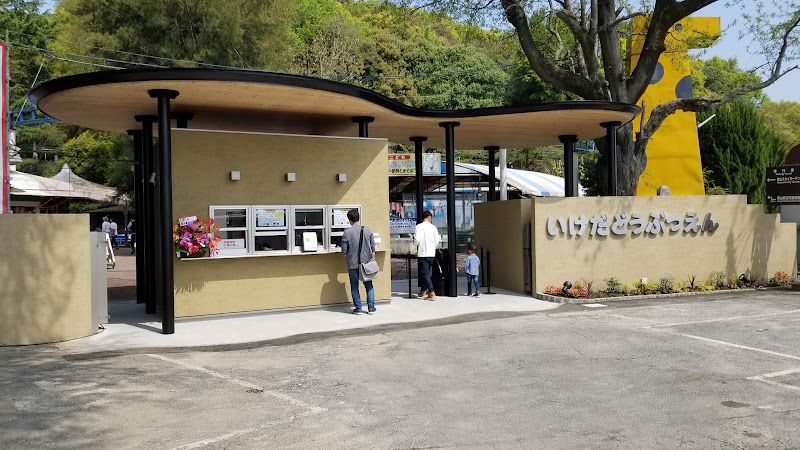
Ikeda Zoo
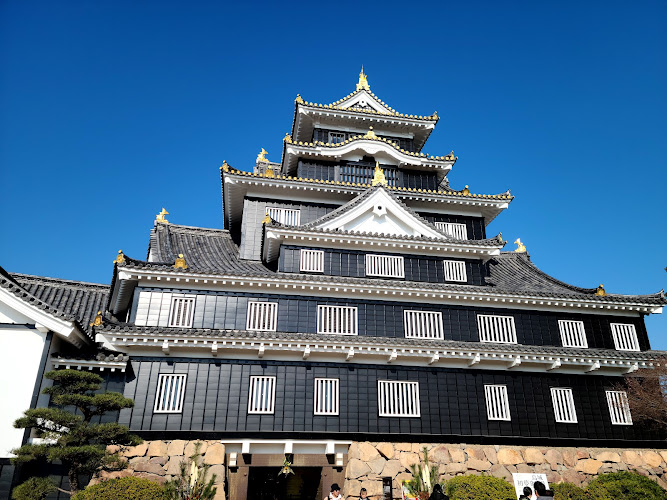
Ujo Park
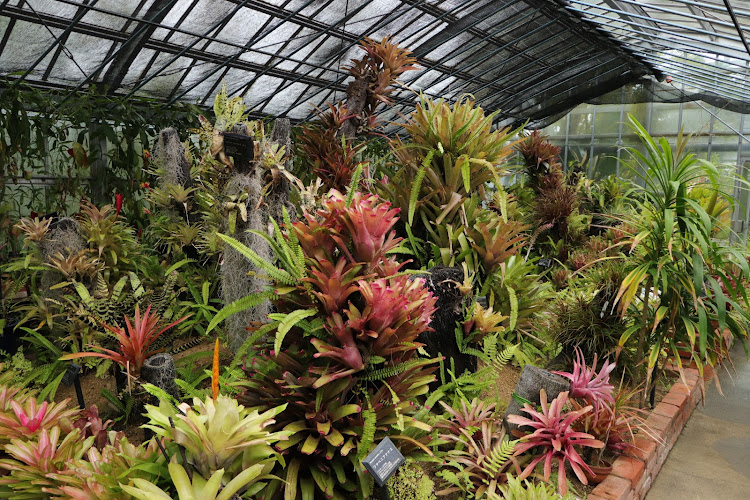
Okayama City Handayama Botanical Gardens
Find Accommodations Nearby
Recommended Tours & Activities
Visitor Reviews
There are no reviews yet. Be the first one to write one.
Share Your Experience
Have you visited Yumeji Art Museum? Help other travelers by leaving a review.