About Inujima Seirensho Art Museum

Description

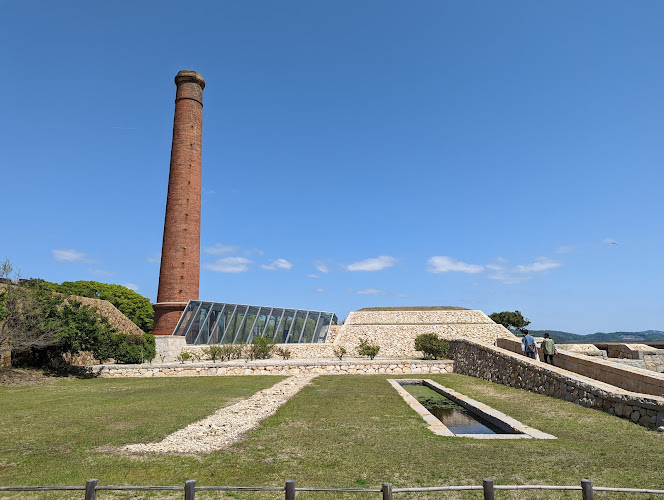
There’s something quietly haunting about the Inujima Seirensho Art Museum. It’s not your typical white-walled gallery with polished floors and hushed whispers. No, this place has grit, history, and a kind of raw beauty that sticks with you long after you’ve left. Built within the remains of a former copper refinery, the museum feels like a conversation between the past and the future—between industrial decay and creative rebirth. The whole concept revolves around the idea of “using what exists to create what is to be,” and honestly, it’s one of those rare places where that philosophy isn’t just a tagline—it’s visible in every brick, every shadow, every breeze that moves through the ruins.

The museum opened in 2008 as part of the Benesse Art Site Naoshima project, a network of art destinations across the Seto Inland Sea that focus on blending contemporary art, architecture, and the environment. What makes Inujima Seirensho stand out is its setting. The island of Inujima itself is tiny, home to only a handful of residents, and the museum is built into the shell of the old refinery that once powered the local economy. Instead of erasing that industrial past, the architects and artists let it breathe. You walk through tunnels made of slag bricks, past towering chimneys that have seen a century of weather, and into dimly lit spaces where art installations play with light, reflection, and sound. It’s eerie, poetic, and strangely grounding all at once.

What I personally love most about this museum is that it doesn’t shout for your attention—it whispers. It invites you to slow down, to listen. The air smells faintly of the sea, and the sound of the wind weaving through the old structures adds its own kind of music. It’s the kind of place where time feels suspended, where art and architecture merge seamlessly with nature. And while not everyone comes away with the same reaction—some find it too quiet, too conceptual—there’s no denying the power of the experience.

Key Features

  • Architectural Integration: The museum is built directly into the ruins of a Meiji-era copper refinery, preserving the original brickwork, chimneys, and tunnels.
  • Sustainability at Its Core: Designed to operate using natural energy sources such as sunlight and wind, with minimal environmental impact.
  • Artistic Concept: The installations explore themes of human progress, environmental responsibility, and the relationship between nature and industry.
  • Underground Design: Much of the museum lies below ground, creating a cool, immersive atmosphere that contrasts with the bright island light outside.
  • Local Materials: Reused granite and slag bricks from the original refinery give the space an authentic texture and sense of continuity.
  • Curated Experience: Only a limited number of artworks are displayed, emphasizing quality and contemplation over quantity.
  • Part of Benesse Art Site Naoshima: The museum is connected to a broader network of art projects across nearby islands like Naoshima and Teshima.
  • Minimal Amenities: While restrooms are available, there are no restaurants on-site, which preserves the tranquil, uncommercial atmosphere.

One of the most fascinating aspects is how the museum uses natural ventilation and lighting instead of relying heavily on electricity. It’s a living example of sustainable design, where art and architecture quietly demonstrate how human creativity can coexist with the environment rather than dominate it. It’s subtle but powerful—like a visual meditation on what progress really means.

Best Time to Visit

Spring and autumn are arguably the best seasons to visit the Inujima Seirensho Art Museum. The weather is mild, the Seto Inland Sea sparkles under gentle sunlight, and the air feels crisp enough to make wandering through the ruins comfortable. During summer, the island can get quite hot and humid—trust me, walking through stone tunnels in that heat isn’t for everyone. But if you’re okay with a bit of sweat, the summer light does lend the place a golden glow that photographers adore. Winter, on the other hand, has its own quiet charm. The crowds thin out, and the island feels almost deserted, which adds to the museum’s introspective atmosphere.

Personally, I’d say go in late April or early November. The ferry rides are pleasant, the sea breeze is just right, and you’ll have enough daylight to explore both the museum and the small art installations scattered around the island. Plus, the soft light during those months makes the old refinery bricks look almost alive—like they’re breathing history.

How to Get There

Getting to Inujima Seirensho Art Museum is part of the adventure. The island is accessible only by ferry, which adds to its sense of isolation and mystery. Most travelers start from Okayama City or Uno Port. From Uno, you can take a short ferry ride to Inujima—it usually takes about 10 minutes, give or take. If you’re coming from Naoshima or Teshima, there are seasonal ferry routes connecting the islands, though schedules can vary, so it’s wise to check ahead of time.

Once you arrive on Inujima, the museum is just a short walk from the port. You’ll pass small houses, quiet lanes, and maybe a few friendly cats lounging in the sun. The island is tiny enough that you won’t need a car or even a bike—your feet will do just fine. Just remember that there’s no large parking area or wheelchair-accessible parking lot, so plan accordingly if mobility is a concern.

One tip from experience: buy your tickets in advance. The museum limits the number of visitors per day to keep the experience intimate and preserve the site. It’s not uncommon for tickets to sell out, especially during weekends or art festival periods. And because the island doesn’t have many amenities, it’s best to bring water and maybe a light snack before you board the ferry.

Tips for Visiting

Visiting the Inujima Seirensho Art Museum isn’t just about seeing art—it’s about feeling it. Here are a few tips to make the most of your trip:

  • Plan ahead: Check ferry schedules and ticket availability before you go. The island’s access is limited, and missing the last ferry back can be a bit of a headache.
  • Wear comfortable shoes: You’ll be walking on uneven ground, through tunnels, and across stone paths. Sneakers or sturdy sandals are your best bet.
  • Bring essentials: There’s no restaurant on-site, so pack a bottle of water and maybe a snack. There are restrooms, though, which is always a relief after the ferry ride.
  • Take your time: Don’t rush through. The museum is small but layered with meaning. Spend a few minutes in each space—let the light and sound sink in.
  • Respect the silence: One of the most profound parts of the experience is the quiet. You’ll notice how even your footsteps echo differently in each room.
  • Explore beyond the museum: After your visit, wander around the island. There are a few other art installations and local homes that give you a glimpse into island life.
  • Photography: While you might be tempted to take endless photos, some areas restrict photography. Honestly, though, some moments are better kept in memory than on your phone screen.

On my first visit, I remember walking into one of the underground chambers and feeling this sudden drop in temperature. The air was still, and the only sound was the faint hum of the sea outside. It was one of those rare moments where you forget about time, about your to-do list, about everything. That’s what this museum does—it slows you down. It makes you see beauty in decay, in the forgotten, in the quiet spaces between things.

Inujima Seirensho Art Museum isn’t flashy. It doesn’t have the crowds of Tokyo’s big museums or the selfie spots of Kyoto’s temples. But it offers something more lasting—a sense of reflection, a reminder that art can emerge from ruins, and that even the remnants of industry can be reborn into something deeply human. For travelers looking for meaning rather than spectacle, this little island museum might just be one of Japan’s best-kept secrets.

Key Features

  • Key Features
  • Best Time to Visit
  • How to Get There
  • Tips for Visiting

More Details

Updated November 7, 2025

Description

There’s something quietly haunting about the Inujima Seirensho Art Museum. It’s not your typical white-walled gallery with polished floors and hushed whispers. No, this place has grit, history, and a kind of raw beauty that sticks with you long after you’ve left. Built within the remains of a former copper refinery, the museum feels like a conversation between the past and the future—between industrial decay and creative rebirth. The whole concept revolves around the idea of “using what exists to create what is to be,” and honestly, it’s one of those rare places where that philosophy isn’t just a tagline—it’s visible in every brick, every shadow, every breeze that moves through the ruins.

The museum opened in 2008 as part of the Benesse Art Site Naoshima project, a network of art destinations across the Seto Inland Sea that focus on blending contemporary art, architecture, and the environment. What makes Inujima Seirensho stand out is its setting. The island of Inujima itself is tiny, home to only a handful of residents, and the museum is built into the shell of the old refinery that once powered the local economy. Instead of erasing that industrial past, the architects and artists let it breathe. You walk through tunnels made of slag bricks, past towering chimneys that have seen a century of weather, and into dimly lit spaces where art installations play with light, reflection, and sound. It’s eerie, poetic, and strangely grounding all at once.

What I personally love most about this museum is that it doesn’t shout for your attention—it whispers. It invites you to slow down, to listen. The air smells faintly of the sea, and the sound of the wind weaving through the old structures adds its own kind of music. It’s the kind of place where time feels suspended, where art and architecture merge seamlessly with nature. And while not everyone comes away with the same reaction—some find it too quiet, too conceptual—there’s no denying the power of the experience.

Key Features

  • Architectural Integration: The museum is built directly into the ruins of a Meiji-era copper refinery, preserving the original brickwork, chimneys, and tunnels.
  • Sustainability at Its Core: Designed to operate using natural energy sources such as sunlight and wind, with minimal environmental impact.
  • Artistic Concept: The installations explore themes of human progress, environmental responsibility, and the relationship between nature and industry.
  • Underground Design: Much of the museum lies below ground, creating a cool, immersive atmosphere that contrasts with the bright island light outside.
  • Local Materials: Reused granite and slag bricks from the original refinery give the space an authentic texture and sense of continuity.
  • Curated Experience: Only a limited number of artworks are displayed, emphasizing quality and contemplation over quantity.
  • Part of Benesse Art Site Naoshima: The museum is connected to a broader network of art projects across nearby islands like Naoshima and Teshima.
  • Minimal Amenities: While restrooms are available, there are no restaurants on-site, which preserves the tranquil, uncommercial atmosphere.

One of the most fascinating aspects is how the museum uses natural ventilation and lighting instead of relying heavily on electricity. It’s a living example of sustainable design, where art and architecture quietly demonstrate how human creativity can coexist with the environment rather than dominate it. It’s subtle but powerful—like a visual meditation on what progress really means.

Best Time to Visit

Spring and autumn are arguably the best seasons to visit the Inujima Seirensho Art Museum. The weather is mild, the Seto Inland Sea sparkles under gentle sunlight, and the air feels crisp enough to make wandering through the ruins comfortable. During summer, the island can get quite hot and humid—trust me, walking through stone tunnels in that heat isn’t for everyone. But if you’re okay with a bit of sweat, the summer light does lend the place a golden glow that photographers adore. Winter, on the other hand, has its own quiet charm. The crowds thin out, and the island feels almost deserted, which adds to the museum’s introspective atmosphere.

Personally, I’d say go in late April or early November. The ferry rides are pleasant, the sea breeze is just right, and you’ll have enough daylight to explore both the museum and the small art installations scattered around the island. Plus, the soft light during those months makes the old refinery bricks look almost alive—like they’re breathing history.

How to Get There

Getting to Inujima Seirensho Art Museum is part of the adventure. The island is accessible only by ferry, which adds to its sense of isolation and mystery. Most travelers start from Okayama City or Uno Port. From Uno, you can take a short ferry ride to Inujima—it usually takes about 10 minutes, give or take. If you’re coming from Naoshima or Teshima, there are seasonal ferry routes connecting the islands, though schedules can vary, so it’s wise to check ahead of time.

Once you arrive on Inujima, the museum is just a short walk from the port. You’ll pass small houses, quiet lanes, and maybe a few friendly cats lounging in the sun. The island is tiny enough that you won’t need a car or even a bike—your feet will do just fine. Just remember that there’s no large parking area or wheelchair-accessible parking lot, so plan accordingly if mobility is a concern.

One tip from experience: buy your tickets in advance. The museum limits the number of visitors per day to keep the experience intimate and preserve the site. It’s not uncommon for tickets to sell out, especially during weekends or art festival periods. And because the island doesn’t have many amenities, it’s best to bring water and maybe a light snack before you board the ferry.

Tips for Visiting

Visiting the Inujima Seirensho Art Museum isn’t just about seeing art—it’s about feeling it. Here are a few tips to make the most of your trip:

  • Plan ahead: Check ferry schedules and ticket availability before you go. The island’s access is limited, and missing the last ferry back can be a bit of a headache.
  • Wear comfortable shoes: You’ll be walking on uneven ground, through tunnels, and across stone paths. Sneakers or sturdy sandals are your best bet.
  • Bring essentials: There’s no restaurant on-site, so pack a bottle of water and maybe a snack. There are restrooms, though, which is always a relief after the ferry ride.
  • Take your time: Don’t rush through. The museum is small but layered with meaning. Spend a few minutes in each space—let the light and sound sink in.
  • Respect the silence: One of the most profound parts of the experience is the quiet. You’ll notice how even your footsteps echo differently in each room.
  • Explore beyond the museum: After your visit, wander around the island. There are a few other art installations and local homes that give you a glimpse into island life.
  • Photography: While you might be tempted to take endless photos, some areas restrict photography. Honestly, though, some moments are better kept in memory than on your phone screen.

On my first visit, I remember walking into one of the underground chambers and feeling this sudden drop in temperature. The air was still, and the only sound was the faint hum of the sea outside. It was one of those rare moments where you forget about time, about your to-do list, about everything. That’s what this museum does—it slows you down. It makes you see beauty in decay, in the forgotten, in the quiet spaces between things.

Inujima Seirensho Art Museum isn’t flashy. It doesn’t have the crowds of Tokyo’s big museums or the selfie spots of Kyoto’s temples. But it offers something more lasting—a sense of reflection, a reminder that art can emerge from ruins, and that even the remnants of industry can be reborn into something deeply human. For travelers looking for meaning rather than spectacle, this little island museum might just be one of Japan’s best-kept secrets.

Key Highlights

  • Key Features
  • Best Time to Visit
  • How to Get There
  • Tips for Visiting

Location

Places to Stay Near Inujima Seirensho Art Museum

Find and Book a Tour

Explore More Travel Guides

No reviews found! Be the first to review!

Traveler Reviews for Inujima Seirensho Art Museum

There are no reviews yet. Be the first one to write one.

Share Your Experience

Have you visited Inujima Seirensho Art Museum? Help other travelers by sharing your review.

Find Accommodations Nearby

Recommended Tours & Activities

Visitor Reviews

There are no reviews yet. Be the first one to write one.

Share Your Experience

Have you visited Inujima Seirensho Art Museum? Help other travelers by leaving a review.