
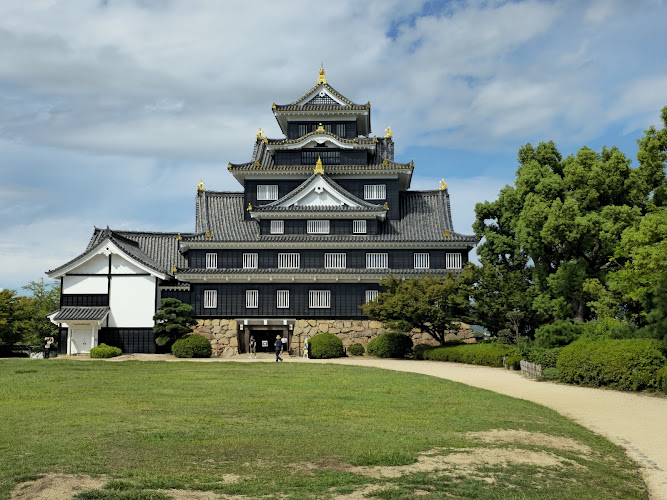
Okayama Castle
About Okayama Castle
Description
Okayama Castle, affectionately nicknamed “Crow Castle” for its striking black exterior, stands as a proud reminder of Japan’s feudal past and resilient spirit. Originally completed in 1597 under the rule of Ukita Hideie, the castle was tragically destroyed during World War II and later reconstructed in 1966. The modern-day version, while built in concrete, still captures the grandeur and elegance of the original structure, offering visitors a glimpse into the architectural brilliance of the Azuchi-Momoyama period.
When you first approach the castle, it’s hard not to pause for a moment. The reflection of its dark façade shimmering on the Asahi River feels almost poetic—like time itself has slowed down. I remember standing there, camera in hand, feeling a mix of awe and calm. There’s something about Okayama Castle that feels both majestic and approachable, like it knows you’re there to learn, not just to look.
Inside, the six-story keep houses a museum filled with fascinating exhibits that tell stories of the castle’s evolution, the samurai who once ruled from its halls, and the city’s post-war rebirth. The displays are thoughtfully curated—some interactive, others deeply historical. You’ll find suits of armor, ancient scrolls, and even hands-on activities like dressing in traditional kimono or trying your hand at Bizen-yaki pottery, a craft unique to the region. It’s not a stuffy museum; it’s a place that feels alive, where history breathes through every artifact.
Surrounding the castle is Korakuen Garden, one of Japan’s three most celebrated landscape gardens. The contrast between the garden’s serene greenery and the castle’s dark silhouette is breathtaking, especially in late autumn when the leaves turn fiery shades of red and gold. And if you visit in spring, the cherry blossoms framing the castle make for postcard-perfect views that are almost too beautiful to be real.
Key Features
- Historical Exhibits: The interior museum showcases artifacts from the Sengoku and Edo periods, including samurai armor, weapons, and documents detailing Okayama’s feudal history.
- Architectural Beauty: The reconstructed six-story tenshu (main keep) mirrors the original design but includes modern touches like elevators for easier access.
- Bizen-yaki Pottery Studio: Visitors can try making their own pottery, guided by local artisans who carry on centuries-old traditions.
- Panoramic Views: The top floor observation deck offers sweeping views of Okayama City and the Asahi River—especially magical at sunset.
- Seasonal Events: Throughout the year, the castle hosts festivals, tea ceremonies, and samurai reenactments, bringing the past vividly to life.
- Family-Friendly: The castle grounds are open and safe for children, and there are interactive displays that keep younger visitors engaged.
- Modern Amenities: Contactless payments like PayPay and Rakuten Pay are accepted, making it easy for international travelers to enjoy a hassle-free visit.
What I personally love most is that Okayama Castle doesn’t try too hard to impress—it just does. It’s not as massive as Himeji or as famous as Osaka Castle, but it has a quiet confidence. You can feel the pride of the local community in the way the castle is cared for, restored, and celebrated. It’s the kind of place that rewards curiosity; the more you explore, the more you uncover.
Best Time to Visit
While Okayama Castle is open year-round, some seasons truly bring out its character. Spring (March to May) is spectacular, with cherry blossoms framing the castle in soft pink hues. It’s a favorite time for photographers and couples alike. Summer can be quite warm, but the castle grounds host lively festivals, including traditional dance performances and night illuminations that make the black walls glow like polished obsidian.
If you’re after a more peaceful experience, autumn (October to November) is ideal. The crisp air, the rustle of falling leaves, and the reflection of gold and crimson in the Asahi River make it feel almost cinematic. Winter, on the other hand, offers a quieter charm. The crowds thin out, and if you’re lucky enough to catch a dusting of snow on the rooftops, it’s nothing short of magical.
Personally, I’d say late November is the sweet spot. The weather’s cool but not freezing, the foliage is at its peak, and the light has that golden quality that makes every photo look like a painting. Plus, local food stalls often pop up nearby, selling warm sweet potatoes and matcha treats—perfect after a long stroll through the grounds.
How to Get There
Reaching Okayama Castle is straightforward, even for first-time visitors to Japan. From Okayama Station, it’s about a 20-minute walk through the city’s scenic streets, or you can hop on a tram bound for Shiroshita Station, which drops you just a short walk away from the castle entrance. Taxis are also available and relatively affordable if you’re traveling with luggage or family.
For those arriving from major cities, Okayama is a key stop on the Sanyo Shinkansen line—just under an hour from Osaka and about 35 minutes from Hiroshima. Once in Okayama, you’ll find clear English signage pointing toward the castle area, so getting lost is pretty unlikely (though wandering a bit is half the fun, honestly).
If you’re the type who enjoys cycling, Okayama’s flat terrain makes it perfect for bike travel. Several rental shops near the station offer bicycles for the day, and the ride to the castle along the Asahi River is both refreshing and scenic. Just remember to park your bike in designated areas near the entrance.
Tips for Visiting
One thing I’ve learned from multiple visits: take your time. Okayama Castle isn’t the kind of place you rush through. Start early in the morning if you can—the light is softer, the air cooler, and the crowds fewer. The castle opens around 9 a.m., and being one of the first inside gives you a sense of calm that’s hard to find later in the day.
Wear comfortable shoes. The paths around the castle grounds and nearby Korakuen Garden are mostly paved, but you’ll still be walking quite a bit. And if you’re planning to climb to the top of the keep, expect a few narrow staircases (though there’s an elevator for those who prefer it).
Photography enthusiasts will want to bring a wide-angle lens for capturing the full scale of the castle, especially from across the river. The best spot for photos, in my opinion, is from the Asahi Bridge—it gives you that perfect postcard shot with the castle’s reflection shimmering in the water.
For families, Okayama Castle is surprisingly kid-friendly. The museum has interactive displays, and the open grounds are perfect for a picnic or a quick rest under the shade of the trees. There’s also a small café inside the castle tower where you can enjoy matcha and sweets while gazing out over the city.
Accessibility is improving, though not perfect. While the castle itself has an elevator, some areas of the grounds have uneven surfaces. Wheelchair users may find parts of the site challenging, but staff are friendly and often go out of their way to assist where possible.
If you’re visiting during a festival or event, arrive early. The castle hosts seasonal light-ups and cultural performances that draw large crowds. The nighttime illuminations, especially during the Okayama Momotaro Festival, are stunning—the castle glows against the night sky, and the atmosphere feels almost otherworldly.
Lastly, don’t skip Korakuen Garden just across the river. It’s one of the most exquisite gardens in Japan, and the combined ticket for both attractions is well worth it. I still remember sitting by the pond there, watching koi fish ripple the water while the castle loomed in the distance. It’s one of those rare places where history, nature, and serenity coexist in perfect balance.
Okayama Castle may not have the fame of Japan’s larger fortresses, but that’s precisely what makes it special. It’s a place that invites you to slow down, to listen to the whispers of the past, and to find beauty in the details—the curve of a roof tile, the scent of the river, the quiet pride of a city that rebuilt its heart from ashes. If you’re looking for a castle experience that feels personal, authentic, and deeply human, Okayama Castle will not disappoint.
Key Features
- Key Features
- Best Time to Visit
- How to Get There
- Tips for Visiting
More Details
Updated November 7, 2025
Table of Contents
Description
Okayama Castle, affectionately nicknamed “Crow Castle” for its striking black exterior, stands as a proud reminder of Japan’s feudal past and resilient spirit. Originally completed in 1597 under the rule of Ukita Hideie, the castle was tragically destroyed during World War II and later reconstructed in 1966. The modern-day version, while built in concrete, still captures the grandeur and elegance of the original structure, offering visitors a glimpse into the architectural brilliance of the Azuchi-Momoyama period.
When you first approach the castle, it’s hard not to pause for a moment. The reflection of its dark façade shimmering on the Asahi River feels almost poetic—like time itself has slowed down. I remember standing there, camera in hand, feeling a mix of awe and calm. There’s something about Okayama Castle that feels both majestic and approachable, like it knows you’re there to learn, not just to look.
Inside, the six-story keep houses a museum filled with fascinating exhibits that tell stories of the castle’s evolution, the samurai who once ruled from its halls, and the city’s post-war rebirth. The displays are thoughtfully curated—some interactive, others deeply historical. You’ll find suits of armor, ancient scrolls, and even hands-on activities like dressing in traditional kimono or trying your hand at Bizen-yaki pottery, a craft unique to the region. It’s not a stuffy museum; it’s a place that feels alive, where history breathes through every artifact.
Surrounding the castle is Korakuen Garden, one of Japan’s three most celebrated landscape gardens. The contrast between the garden’s serene greenery and the castle’s dark silhouette is breathtaking, especially in late autumn when the leaves turn fiery shades of red and gold. And if you visit in spring, the cherry blossoms framing the castle make for postcard-perfect views that are almost too beautiful to be real.
Key Features
- Historical Exhibits: The interior museum showcases artifacts from the Sengoku and Edo periods, including samurai armor, weapons, and documents detailing Okayama’s feudal history.
- Architectural Beauty: The reconstructed six-story tenshu (main keep) mirrors the original design but includes modern touches like elevators for easier access.
- Bizen-yaki Pottery Studio: Visitors can try making their own pottery, guided by local artisans who carry on centuries-old traditions.
- Panoramic Views: The top floor observation deck offers sweeping views of Okayama City and the Asahi River—especially magical at sunset.
- Seasonal Events: Throughout the year, the castle hosts festivals, tea ceremonies, and samurai reenactments, bringing the past vividly to life.
- Family-Friendly: The castle grounds are open and safe for children, and there are interactive displays that keep younger visitors engaged.
- Modern Amenities: Contactless payments like PayPay and Rakuten Pay are accepted, making it easy for international travelers to enjoy a hassle-free visit.
What I personally love most is that Okayama Castle doesn’t try too hard to impress—it just does. It’s not as massive as Himeji or as famous as Osaka Castle, but it has a quiet confidence. You can feel the pride of the local community in the way the castle is cared for, restored, and celebrated. It’s the kind of place that rewards curiosity; the more you explore, the more you uncover.
Best Time to Visit
While Okayama Castle is open year-round, some seasons truly bring out its character. Spring (March to May) is spectacular, with cherry blossoms framing the castle in soft pink hues. It’s a favorite time for photographers and couples alike. Summer can be quite warm, but the castle grounds host lively festivals, including traditional dance performances and night illuminations that make the black walls glow like polished obsidian.
If you’re after a more peaceful experience, autumn (October to November) is ideal. The crisp air, the rustle of falling leaves, and the reflection of gold and crimson in the Asahi River make it feel almost cinematic. Winter, on the other hand, offers a quieter charm. The crowds thin out, and if you’re lucky enough to catch a dusting of snow on the rooftops, it’s nothing short of magical.
Personally, I’d say late November is the sweet spot. The weather’s cool but not freezing, the foliage is at its peak, and the light has that golden quality that makes every photo look like a painting. Plus, local food stalls often pop up nearby, selling warm sweet potatoes and matcha treats—perfect after a long stroll through the grounds.
How to Get There
Reaching Okayama Castle is straightforward, even for first-time visitors to Japan. From Okayama Station, it’s about a 20-minute walk through the city’s scenic streets, or you can hop on a tram bound for Shiroshita Station, which drops you just a short walk away from the castle entrance. Taxis are also available and relatively affordable if you’re traveling with luggage or family.
For those arriving from major cities, Okayama is a key stop on the Sanyo Shinkansen line—just under an hour from Osaka and about 35 minutes from Hiroshima. Once in Okayama, you’ll find clear English signage pointing toward the castle area, so getting lost is pretty unlikely (though wandering a bit is half the fun, honestly).
If you’re the type who enjoys cycling, Okayama’s flat terrain makes it perfect for bike travel. Several rental shops near the station offer bicycles for the day, and the ride to the castle along the Asahi River is both refreshing and scenic. Just remember to park your bike in designated areas near the entrance.
Tips for Visiting
One thing I’ve learned from multiple visits: take your time. Okayama Castle isn’t the kind of place you rush through. Start early in the morning if you can—the light is softer, the air cooler, and the crowds fewer. The castle opens around 9 a.m., and being one of the first inside gives you a sense of calm that’s hard to find later in the day.
Wear comfortable shoes. The paths around the castle grounds and nearby Korakuen Garden are mostly paved, but you’ll still be walking quite a bit. And if you’re planning to climb to the top of the keep, expect a few narrow staircases (though there’s an elevator for those who prefer it).
Photography enthusiasts will want to bring a wide-angle lens for capturing the full scale of the castle, especially from across the river. The best spot for photos, in my opinion, is from the Asahi Bridge—it gives you that perfect postcard shot with the castle’s reflection shimmering in the water.
For families, Okayama Castle is surprisingly kid-friendly. The museum has interactive displays, and the open grounds are perfect for a picnic or a quick rest under the shade of the trees. There’s also a small café inside the castle tower where you can enjoy matcha and sweets while gazing out over the city.
Accessibility is improving, though not perfect. While the castle itself has an elevator, some areas of the grounds have uneven surfaces. Wheelchair users may find parts of the site challenging, but staff are friendly and often go out of their way to assist where possible.
If you’re visiting during a festival or event, arrive early. The castle hosts seasonal light-ups and cultural performances that draw large crowds. The nighttime illuminations, especially during the Okayama Momotaro Festival, are stunning—the castle glows against the night sky, and the atmosphere feels almost otherworldly.
Lastly, don’t skip Korakuen Garden just across the river. It’s one of the most exquisite gardens in Japan, and the combined ticket for both attractions is well worth it. I still remember sitting by the pond there, watching koi fish ripple the water while the castle loomed in the distance. It’s one of those rare places where history, nature, and serenity coexist in perfect balance.
Okayama Castle may not have the fame of Japan’s larger fortresses, but that’s precisely what makes it special. It’s a place that invites you to slow down, to listen to the whispers of the past, and to find beauty in the details—the curve of a roof tile, the scent of the river, the quiet pride of a city that rebuilt its heart from ashes. If you’re looking for a castle experience that feels personal, authentic, and deeply human, Okayama Castle will not disappoint.
Key Highlights
- Key Features
- Best Time to Visit
- How to Get There
- Tips for Visiting
Location
Places to Stay Near Okayama Castle
Find and Book a Tour
Explore More Travel Guides
No reviews found! Be the first to review!
Traveler Reviews for Okayama Castle
There are no reviews yet. Be the first one to write one.
Have you visited Okayama Castle? Help other travelers by sharing your review.
You Might Also Like
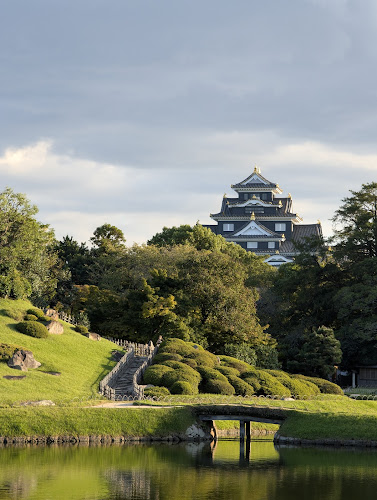
Okayama Korakuen
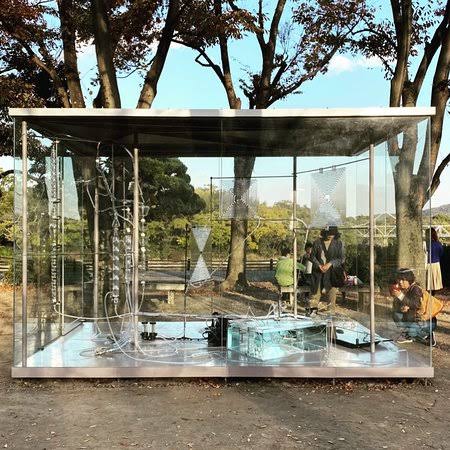
Ishiyama Park
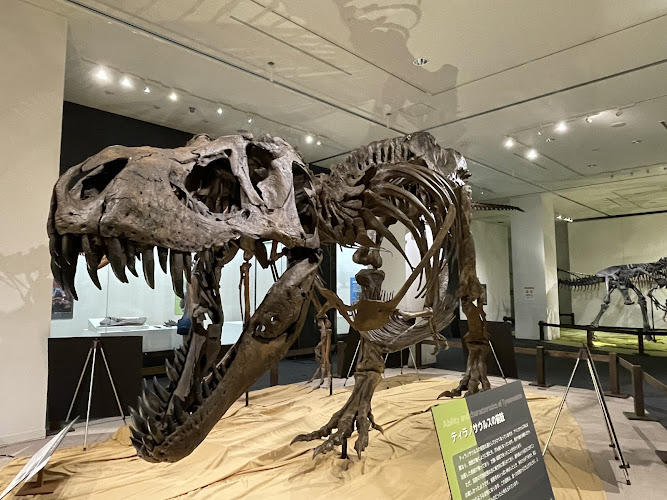
Okayama City Museum
Find Accommodations Nearby
Recommended Tours & Activities
Visitor Reviews
There are no reviews yet. Be the first one to write one.
Share Your Experience
Have you visited Okayama Castle? Help other travelers by leaving a review.