About Okayama Korakuen

Description

Okayama Korakuen is one of those places that quietly steals your heart before you even realize it. Built over 300 years ago during the Edo period by Lord Tsunamasa Ikeda, this garden was never meant to be flashy—it was designed for relaxation, reflection, and those moments when you just need to breathe. It’s one of Japan’s “Three Great Gardens,” standing proudly alongside Kenrokuen in Kanazawa and Kairakuen in Mito. And honestly, it earns that title every single day.

The garden spreads across more than 144,000 square meters of perfectly balanced beauty. You’ll find wide lawns, winding streams, gentle ponds, and teahouses tucked under the shade of ancient trees. It’s not the kind of garden that overwhelms you with color or noise; instead, it whispers stories of the Edo samurai who once strolled its paths. There’s a calmness here, a sense of timelessness that makes you slow down without even trying.

I still remember my first visit—it was during early autumn, and the air smelled faintly of pine and damp earth. The cranes, those elegant symbols of longevity, were walking gracefully near the pond, and for a moment, it felt like stepping back in time. The garden isn’t just beautiful—it’s alive. Every season paints it differently: cherry blossoms in spring, lush greenery in summer, fiery maples in autumn, and a soft dusting of snow in winter. It’s like nature’s own art gallery, constantly changing, never repeating itself.

What makes Korakuen special isn’t just its history or its aesthetics—it’s the feeling it gives you. It’s peaceful but not silent, grand but not intimidating. You’ll see locals having quiet picnics, children chasing dragonflies, and travelers like you pausing to take it all in. It’s a place that welcomes everyone, whether you’re a photographer, a history buff, or just someone who wants to escape the rush for a while.

Key Features

  • Historic Edo-era design: Originally built in 1687 as a retreat for the feudal lord of Okayama, preserving authentic Japanese garden architecture.
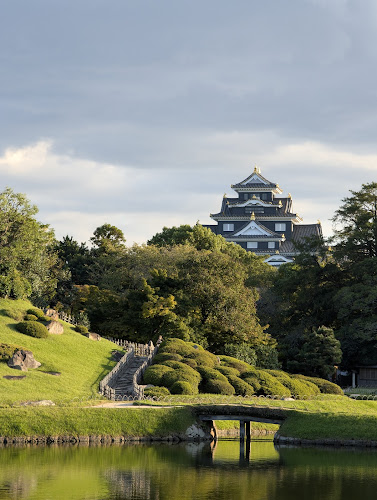
  • Expansive landscape: Over 144,000 square meters of open lawns, ponds, streams, and walking paths with views of Okayama Castle as borrowed scenery.
  • Seasonal beauty: Cherry blossoms, irises, and maples transform the garden throughout the year, each season offering a new experience.
  • Resident cranes: A rare and graceful sight—symbolizing peace and longevity, often spotted near the ponds.
  • Cultural heritage: Tea houses, shrines, and traditional structures that reflect Edo-period elegance.
  • Accessibility: Wheelchair-accessible paths, restrooms, and parking make it welcoming for all visitors.
  • Convenient amenities: Public restrooms, picnic areas, and multiple payment options including cashless methods.
  • Light-up events: Seasonal illuminations that transform the garden into a dreamlike wonderland after sunset.

Best Time to Visit

There’s really no wrong time to visit Korakuen, but each season has its own personality. Spring is probably the most photographed—when the cherry blossoms frame the ponds like something out of a painting. If you’re lucky enough to visit in late March or early April, you’ll catch that perfect pink haze that makes everyone stop and stare.

Summer brings a different kind of charm. The garden feels lush and full of life, with dragonflies hovering over the water and the sound of cicadas filling the air. It can get hot, sure, but the shade from the old pines and tea houses offers plenty of cool spots to rest. Autumn, though—autumn might be my favorite. The maples turn deep red and gold, and the reflections in the pond look almost unreal. And then there’s winter, quiet and contemplative, when the snow softens every line and the garden feels like a painting in black and white.

If you’re into photography, early morning is magic. The light hits the mist rising from the pond, and the castle in the background looks almost ethereal. Evenings are special too, especially during the light-up events when lanterns line the paths and the whole place glows softly. It’s romantic, peaceful, and just a little bit surreal.

How to Get There

Reaching Okayama Korakuen is surprisingly easy. If you’re coming from Okayama Station, it’s about a 25-minute walk—or a quick 10-minute ride by tram or bus. Many travelers prefer to rent a bicycle, which is honestly a great idea. The route takes you along the Asahi River, and the view of Okayama Castle as you approach the garden is worth every pedal.

If you’re traveling from other cities like Osaka or Hiroshima, the Shinkansen (bullet train) will get you to Okayama Station in about 45 minutes to an hour. From there, local transport options are straightforward. There’s also paid parking nearby if you’re driving, though it’s usually best to arrive early on weekends or holidays since it can fill up fast.

And here’s a small piece of advice: bring some coins or a transit IC card for local buses if you’re not using mobile payments. While the garden accepts all kinds of modern payment methods, public transport in Japan can still surprise you with a “cash only” moment now and then.

Tips for Visiting

First off, take your time. Korakuen isn’t a place to rush through. Walk slowly, listen to the sound of the water, and let yourself get lost a little. The garden’s layout was designed for strolling, not sightseeing—each turn reveals a new perspective, a fresh angle that makes you appreciate the artistry behind it.

If you’re visiting with kids, you’ll be happy to know it’s family-friendly. The open lawns are perfect for small picnics, and the gentle paths make it easy to push strollers. The cranes are always a hit with children, too. And for those with mobility needs, the garden’s accessibility features—like wheelchair-friendly paths and restrooms—make it comfortable for everyone.

Try to stop by one of the teahouses for a quiet break. Even if you’re not a tea enthusiast, the experience of sitting on tatami mats, sipping matcha while looking out over a centuries-old landscape, is something you’ll remember. It’s simple, but deeply grounding.

Photography lovers should bring a wide-angle lens. The scale of the garden is huge, and capturing the sweeping lawns and ponds in one frame can be tricky otherwise. Also, don’t skip the small details—the moss-covered stones, the ripples in the pond, or the way the light filters through the bamboo. Those are the moments that make your photos feel alive.

If you can, plan your visit around one of the special events. The night illuminations are breathtaking, and the seasonal festivals often include traditional performances or tea ceremonies. Just remember, these events can get crowded—so arriving early gives you the best chance to enjoy the atmosphere without too much noise.

Lastly, respect the space. It’s more than just a tourist attraction—it’s a living piece of Japanese history. Don’t step on the lawns unless permitted, and keep your voice low near the teahouses. The whole point of Korakuen is to experience harmony with nature, and that’s something worth preserving.

Okayama Korakuen isn’t just a garden—it’s a reminder of how beauty and simplicity can coexist. Whether you’re there for an hour or an entire afternoon, it leaves a quiet mark on you. And when you finally step back out into the city, you’ll probably find yourself walking a little slower, breathing a little deeper, and already planning your next visit.

Key Features

  • Key Features
  • Best Time to Visit
  • How to Get There
  • Tips for Visiting

More Details

Updated November 7, 2025


Description

Okayama Korakuen is one of those places that quietly steals your heart before you even realize it. Built over 300 years ago during the Edo period by Lord Tsunamasa Ikeda, this garden was never meant to be flashy—it was designed for relaxation, reflection, and those moments when you just need to breathe. It’s one of Japan’s “Three Great Gardens,” standing proudly alongside Kenrokuen in Kanazawa and Kairakuen in Mito. And honestly, it earns that title every single day.

The garden spreads across more than 144,000 square meters of perfectly balanced beauty. You’ll find wide lawns, winding streams, gentle ponds, and teahouses tucked under the shade of ancient trees. It’s not the kind of garden that overwhelms you with color or noise; instead, it whispers stories of the Edo samurai who once strolled its paths. There’s a calmness here, a sense of timelessness that makes you slow down without even trying.

I still remember my first visit—it was during early autumn, and the air smelled faintly of pine and damp earth. The cranes, those elegant symbols of longevity, were walking gracefully near the pond, and for a moment, it felt like stepping back in time. The garden isn’t just beautiful—it’s alive. Every season paints it differently: cherry blossoms in spring, lush greenery in summer, fiery maples in autumn, and a soft dusting of snow in winter. It’s like nature’s own art gallery, constantly changing, never repeating itself.

What makes Korakuen special isn’t just its history or its aesthetics—it’s the feeling it gives you. It’s peaceful but not silent, grand but not intimidating. You’ll see locals having quiet picnics, children chasing dragonflies, and travelers like you pausing to take it all in. It’s a place that welcomes everyone, whether you’re a photographer, a history buff, or just someone who wants to escape the rush for a while.

Key Features

  • Historic Edo-era design: Originally built in 1687 as a retreat for the feudal lord of Okayama, preserving authentic Japanese garden architecture.
  • Expansive landscape: Over 144,000 square meters of open lawns, ponds, streams, and walking paths with views of Okayama Castle as borrowed scenery.
  • Seasonal beauty: Cherry blossoms, irises, and maples transform the garden throughout the year, each season offering a new experience.
  • Resident cranes: A rare and graceful sight—symbolizing peace and longevity, often spotted near the ponds.
  • Cultural heritage: Tea houses, shrines, and traditional structures that reflect Edo-period elegance.
  • Accessibility: Wheelchair-accessible paths, restrooms, and parking make it welcoming for all visitors.
  • Convenient amenities: Public restrooms, picnic areas, and multiple payment options including cashless methods.
  • Light-up events: Seasonal illuminations that transform the garden into a dreamlike wonderland after sunset.

Best Time to Visit

There’s really no wrong time to visit Korakuen, but each season has its own personality. Spring is probably the most photographed—when the cherry blossoms frame the ponds like something out of a painting. If you’re lucky enough to visit in late March or early April, you’ll catch that perfect pink haze that makes everyone stop and stare.

Summer brings a different kind of charm. The garden feels lush and full of life, with dragonflies hovering over the water and the sound of cicadas filling the air. It can get hot, sure, but the shade from the old pines and tea houses offers plenty of cool spots to rest. Autumn, though—autumn might be my favorite. The maples turn deep red and gold, and the reflections in the pond look almost unreal. And then there’s winter, quiet and contemplative, when the snow softens every line and the garden feels like a painting in black and white.

If you’re into photography, early morning is magic. The light hits the mist rising from the pond, and the castle in the background looks almost ethereal. Evenings are special too, especially during the light-up events when lanterns line the paths and the whole place glows softly. It’s romantic, peaceful, and just a little bit surreal.

How to Get There

Reaching Okayama Korakuen is surprisingly easy. If you’re coming from Okayama Station, it’s about a 25-minute walk—or a quick 10-minute ride by tram or bus. Many travelers prefer to rent a bicycle, which is honestly a great idea. The route takes you along the Asahi River, and the view of Okayama Castle as you approach the garden is worth every pedal.

If you’re traveling from other cities like Osaka or Hiroshima, the Shinkansen (bullet train) will get you to Okayama Station in about 45 minutes to an hour. From there, local transport options are straightforward. There’s also paid parking nearby if you’re driving, though it’s usually best to arrive early on weekends or holidays since it can fill up fast.

And here’s a small piece of advice: bring some coins or a transit IC card for local buses if you’re not using mobile payments. While the garden accepts all kinds of modern payment methods, public transport in Japan can still surprise you with a “cash only” moment now and then.

Tips for Visiting

First off, take your time. Korakuen isn’t a place to rush through. Walk slowly, listen to the sound of the water, and let yourself get lost a little. The garden’s layout was designed for strolling, not sightseeing—each turn reveals a new perspective, a fresh angle that makes you appreciate the artistry behind it.

If you’re visiting with kids, you’ll be happy to know it’s family-friendly. The open lawns are perfect for small picnics, and the gentle paths make it easy to push strollers. The cranes are always a hit with children, too. And for those with mobility needs, the garden’s accessibility features—like wheelchair-friendly paths and restrooms—make it comfortable for everyone.

Try to stop by one of the teahouses for a quiet break. Even if you’re not a tea enthusiast, the experience of sitting on tatami mats, sipping matcha while looking out over a centuries-old landscape, is something you’ll remember. It’s simple, but deeply grounding.

Photography lovers should bring a wide-angle lens. The scale of the garden is huge, and capturing the sweeping lawns and ponds in one frame can be tricky otherwise. Also, don’t skip the small details—the moss-covered stones, the ripples in the pond, or the way the light filters through the bamboo. Those are the moments that make your photos feel alive.

If you can, plan your visit around one of the special events. The night illuminations are breathtaking, and the seasonal festivals often include traditional performances or tea ceremonies. Just remember, these events can get crowded—so arriving early gives you the best chance to enjoy the atmosphere without too much noise.

Lastly, respect the space. It’s more than just a tourist attraction—it’s a living piece of Japanese history. Don’t step on the lawns unless permitted, and keep your voice low near the teahouses. The whole point of Korakuen is to experience harmony with nature, and that’s something worth preserving.

Okayama Korakuen isn’t just a garden—it’s a reminder of how beauty and simplicity can coexist. Whether you’re there for an hour or an entire afternoon, it leaves a quiet mark on you. And when you finally step back out into the city, you’ll probably find yourself walking a little slower, breathing a little deeper, and already planning your next visit.

Key Highlights

  • Key Features
  • Best Time to Visit
  • How to Get There
  • Tips for Visiting

Location

Places to Stay Near Okayama Korakuen

Find and Book a Tour

Explore More Travel Guides

No reviews found! Be the first to review!

Traveler Reviews for Okayama Korakuen

There are no reviews yet. Be the first one to write one.

Share Your Experience

Have you visited Okayama Korakuen? Help other travelers by sharing your review.

Find Accommodations Nearby

Recommended Tours & Activities

Visitor Reviews

There are no reviews yet. Be the first one to write one.

Share Your Experience

Have you visited Okayama Korakuen? Help other travelers by leaving a review.