Kibitsu Jinja (Sanbi Ichinomiya)
About Kibitsu Jinja (Sanbi Ichinomiya)
Description
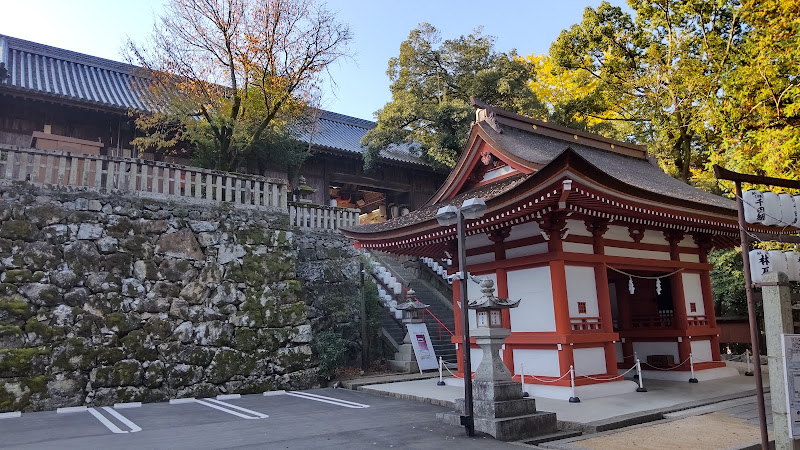
Kibitsu Jinja, also known as Sanbi Ichinomiya, is one of those places that quietly takes your breath away before you even realize it. Standing in the northwestern part of Okayama, this Shinto shrine is more than just an architectural marvel—it’s a living piece of Japan’s soul. The main hall, built in the rare Kibitsu-zukuri style, is the only one of its kind in the entire country. When you see it for the first time, with its twin gabled roofs stretching elegantly across the sky, you understand why it’s been designated a National Treasure. It’s not just beautiful—it’s historically and spiritually significant in ways that are hard to put into words.
There’s something deeply grounding about walking through its long wooden corridors, hearing the faint creak of the floorboards under your feet, and catching the scent of cedar and incense in the air. The shrine is dedicated to Kibitsuhiko-no-Mikoto, the legendary deity who inspired the folk hero Momotaro—the Peach Boy. If you’ve ever heard that story as a kid (I did, and it stuck with me), being here feels like stepping into the pages of that myth. The legends and rituals still practiced today give the place a timeless rhythm, one that blurs the line between history and the present.
What I love most about Kibitsu Jinja is that it doesn’t try too hard. It’s not flashy or overly commercialized like some tourist-heavy spots. Sure, you’ll see visitors with cameras and maybe a few tour groups, but the shrine keeps its calm dignity. The locals come here to pray, to find quiet, or to just breathe—and that’s what makes it special. You can feel centuries of devotion in the air. And while some people might say it’s “just another shrine,” those who take the time to wander its grounds, especially early in the morning or just before sunset, will tell you it’s anything but ordinary.
Key Features
- Kibitsu-zukuri Architecture: The shrine’s main hall and worship hall are connected in a unique double-roof style found nowhere else in Japan.
- National Treasure Designation: Recognized for its cultural and historical importance, the shrine has stood for over six centuries in its current form.
- Narukama Ritual: A traditional ceremony where fortunes are told by the sound of a boiling kettle—an experience that feels both mystical and oddly comforting.
- Connection to the Momotaro Legend: The shrine honors the deity said to have inspired Japan’s beloved Peach Boy hero, adding a layer of folklore to its sacred atmosphere.
- Long Covered Corridor: A 360-meter wooden walkway that winds through the grounds, perfect for quiet reflection and photography.
- Accessibility: Wheelchair-accessible parking and restrooms make it easier for all visitors to enjoy the site comfortably.
Each of these features tells a story, and honestly, that’s what travel should be about—stories that stay with you long after you’ve gone home. The shrine’s design, rituals, and legends all weave together in a way that feels deeply human, even if you’re not particularly spiritual. It’s one of those places where you can just slow down, listen, and feel connected to something bigger.
Best Time to Visit
If you ask me, Kibitsu Jinja is beautiful year-round, but each season paints it differently. Spring brings cherry blossoms that drift softly over the shrine roofs like confetti from the gods. It’s a photographer’s dream, though you’ll need to share the moment with plenty of others. Summer can be hot and humid, but the surrounding greenery is lush and alive, and the shade along the corridor offers a welcome respite. Autumn, though—that’s my favorite. The maples turn deep shades of crimson and gold, and the contrast against the shrine’s wooden structures is just stunning. Winter is quieter, almost solemn, but there’s a certain peace in that stillness. The crisp air and fewer crowds make it a perfect time if you’re after solitude.
If you prefer fewer people, aim for early mornings or weekdays. The shrine opens early, and catching the first rays of sunlight filtering through the trees is worth setting your alarm for. Avoid major holidays if possible—especially New Year’s—unless you’re specifically looking to experience the energy of Japanese shrine visits during that time. It’s lively, but definitely not serene.
How to Get There
Getting to Kibitsu Jinja is surprisingly straightforward, even if you’re not a local. From Okayama Station, you can hop on the JR Kibi Line and get off at Kibitsu Station. The shrine is just a short walk from there—maybe ten minutes or so, depending on your pace. I’ve done it in light rain once, and honestly, it added to the atmosphere. The walk takes you past quiet neighborhoods and glimpses of rural life that feel a world away from the bustle of the city.
If you’re driving, there’s parking available, including spaces for those who need wheelchair access. Public buses also run routes that stop nearby, though the train is the easiest and most scenic route for most travelers. And if you’re into cycling, the Kibi Plain cycling route passes not far from the shrine, which makes for a lovely detour if you’re exploring Okayama by bike.
Tips for Visiting
A few things I’ve learned from my own visits (and from watching others fumble through theirs):
- Take your time. This isn’t a place to rush. Walk slowly through the corridors, listen to the sounds, and let the atmosphere sink in.
- Respect the rituals. Even if you’re not participating, observe quietly when ceremonies are happening. The Narukama Ritual, especially, deserves your full attention—it’s hauntingly beautiful.
- Bring comfortable shoes. The shrine grounds are large, and you’ll be walking quite a bit. Wooden floors can be slippery when wet, so tread carefully.
- Photography etiquette matters. Photos are fine in most areas, but avoid snapping pictures during rituals or inside sacred spaces unless clearly allowed.
- Visit the corridor. The long, covered walkway is one of the highlights. It’s easy to miss if you don’t know it’s there, but it’s a must-see.
- Plan for the weather. Bring an umbrella or hat depending on the season. The open areas can get hot in summer and chilly in winter.
- Stay nearby. If you can, spend a night in Okayama. The area has great local food and other attractions, and you’ll appreciate the shrine more when you’re not rushing back to catch a train.
One last thing—don’t be afraid to wander a bit. Some of the smaller sub-shrines and side paths are easy to overlook, but they often end up being the most memorable parts of the visit. I once stumbled upon a tiny moss-covered statue tucked behind a tree, and for a few minutes, it felt like I had the whole world to myself. That’s the kind of quiet magic Kibitsu Jinja offers—if you’re open to finding it.
Whether you’re drawn by its architecture, its legends, or just the promise of peace, Kibitsu Jinja has a way of staying with you. It’s not loud or showy—it’s subtle, patient, and deeply rooted in the land and its people. And maybe that’s why so many visitors walk away feeling lighter, calmer, and oddly inspired. It’s a place that doesn’t just show you Japan’s history—it lets you feel it.
Key Features
- Key Features
- Best Time to Visit
- How to Get There
- Tips for Visiting
More Details
Updated November 7, 2025
Table of Contents
Description
Kibitsu Jinja, also known as Sanbi Ichinomiya, is one of those places that quietly takes your breath away before you even realize it. Standing in the northwestern part of Okayama, this Shinto shrine is more than just an architectural marvel—it’s a living piece of Japan’s soul. The main hall, built in the rare Kibitsu-zukuri style, is the only one of its kind in the entire country. When you see it for the first time, with its twin gabled roofs stretching elegantly across the sky, you understand why it’s been designated a National Treasure. It’s not just beautiful—it’s historically and spiritually significant in ways that are hard to put into words.
There’s something deeply grounding about walking through its long wooden corridors, hearing the faint creak of the floorboards under your feet, and catching the scent of cedar and incense in the air. The shrine is dedicated to Kibitsuhiko-no-Mikoto, the legendary deity who inspired the folk hero Momotaro—the Peach Boy. If you’ve ever heard that story as a kid (I did, and it stuck with me), being here feels like stepping into the pages of that myth. The legends and rituals still practiced today give the place a timeless rhythm, one that blurs the line between history and the present.
What I love most about Kibitsu Jinja is that it doesn’t try too hard. It’s not flashy or overly commercialized like some tourist-heavy spots. Sure, you’ll see visitors with cameras and maybe a few tour groups, but the shrine keeps its calm dignity. The locals come here to pray, to find quiet, or to just breathe—and that’s what makes it special. You can feel centuries of devotion in the air. And while some people might say it’s “just another shrine,” those who take the time to wander its grounds, especially early in the morning or just before sunset, will tell you it’s anything but ordinary.
Key Features
- Kibitsu-zukuri Architecture: The shrine’s main hall and worship hall are connected in a unique double-roof style found nowhere else in Japan.
- National Treasure Designation: Recognized for its cultural and historical importance, the shrine has stood for over six centuries in its current form.
- Narukama Ritual: A traditional ceremony where fortunes are told by the sound of a boiling kettle—an experience that feels both mystical and oddly comforting.
- Connection to the Momotaro Legend: The shrine honors the deity said to have inspired Japan’s beloved Peach Boy hero, adding a layer of folklore to its sacred atmosphere.
- Long Covered Corridor: A 360-meter wooden walkway that winds through the grounds, perfect for quiet reflection and photography.
- Accessibility: Wheelchair-accessible parking and restrooms make it easier for all visitors to enjoy the site comfortably.
Each of these features tells a story, and honestly, that’s what travel should be about—stories that stay with you long after you’ve gone home. The shrine’s design, rituals, and legends all weave together in a way that feels deeply human, even if you’re not particularly spiritual. It’s one of those places where you can just slow down, listen, and feel connected to something bigger.
Best Time to Visit
If you ask me, Kibitsu Jinja is beautiful year-round, but each season paints it differently. Spring brings cherry blossoms that drift softly over the shrine roofs like confetti from the gods. It’s a photographer’s dream, though you’ll need to share the moment with plenty of others. Summer can be hot and humid, but the surrounding greenery is lush and alive, and the shade along the corridor offers a welcome respite. Autumn, though—that’s my favorite. The maples turn deep shades of crimson and gold, and the contrast against the shrine’s wooden structures is just stunning. Winter is quieter, almost solemn, but there’s a certain peace in that stillness. The crisp air and fewer crowds make it a perfect time if you’re after solitude.
If you prefer fewer people, aim for early mornings or weekdays. The shrine opens early, and catching the first rays of sunlight filtering through the trees is worth setting your alarm for. Avoid major holidays if possible—especially New Year’s—unless you’re specifically looking to experience the energy of Japanese shrine visits during that time. It’s lively, but definitely not serene.
How to Get There
Getting to Kibitsu Jinja is surprisingly straightforward, even if you’re not a local. From Okayama Station, you can hop on the JR Kibi Line and get off at Kibitsu Station. The shrine is just a short walk from there—maybe ten minutes or so, depending on your pace. I’ve done it in light rain once, and honestly, it added to the atmosphere. The walk takes you past quiet neighborhoods and glimpses of rural life that feel a world away from the bustle of the city.
If you’re driving, there’s parking available, including spaces for those who need wheelchair access. Public buses also run routes that stop nearby, though the train is the easiest and most scenic route for most travelers. And if you’re into cycling, the Kibi Plain cycling route passes not far from the shrine, which makes for a lovely detour if you’re exploring Okayama by bike.
Tips for Visiting
A few things I’ve learned from my own visits (and from watching others fumble through theirs):
- Take your time. This isn’t a place to rush. Walk slowly through the corridors, listen to the sounds, and let the atmosphere sink in.
- Respect the rituals. Even if you’re not participating, observe quietly when ceremonies are happening. The Narukama Ritual, especially, deserves your full attention—it’s hauntingly beautiful.
- Bring comfortable shoes. The shrine grounds are large, and you’ll be walking quite a bit. Wooden floors can be slippery when wet, so tread carefully.
- Photography etiquette matters. Photos are fine in most areas, but avoid snapping pictures during rituals or inside sacred spaces unless clearly allowed.
- Visit the corridor. The long, covered walkway is one of the highlights. It’s easy to miss if you don’t know it’s there, but it’s a must-see.
- Plan for the weather. Bring an umbrella or hat depending on the season. The open areas can get hot in summer and chilly in winter.
- Stay nearby. If you can, spend a night in Okayama. The area has great local food and other attractions, and you’ll appreciate the shrine more when you’re not rushing back to catch a train.
One last thing—don’t be afraid to wander a bit. Some of the smaller sub-shrines and side paths are easy to overlook, but they often end up being the most memorable parts of the visit. I once stumbled upon a tiny moss-covered statue tucked behind a tree, and for a few minutes, it felt like I had the whole world to myself. That’s the kind of quiet magic Kibitsu Jinja offers—if you’re open to finding it.
Whether you’re drawn by its architecture, its legends, or just the promise of peace, Kibitsu Jinja has a way of staying with you. It’s not loud or showy—it’s subtle, patient, and deeply rooted in the land and its people. And maybe that’s why so many visitors walk away feeling lighter, calmer, and oddly inspired. It’s a place that doesn’t just show you Japan’s history—it lets you feel it.

Key Highlights
- Key Features
- Best Time to Visit
- How to Get There
- Tips for Visiting
Location
Places to Stay Near Kibitsu Jinja (Sanbi Ichinomiya)
Find and Book a Tour
Explore More Travel Guides
No reviews found! Be the first to review!
Traveler Reviews for Kibitsu Jinja (Sanbi Ichinomiya)
There are no reviews yet. Be the first one to write one.
Have you visited Kibitsu Jinja (Sanbi Ichinomiya)? Help other travelers by sharing your review.
Find Accommodations Nearby
Recommended Tours & Activities
Visitor Reviews
There are no reviews yet. Be the first one to write one.
Share Your Experience
Have you visited Kibitsu Jinja (Sanbi Ichinomiya)? Help other travelers by leaving a review.