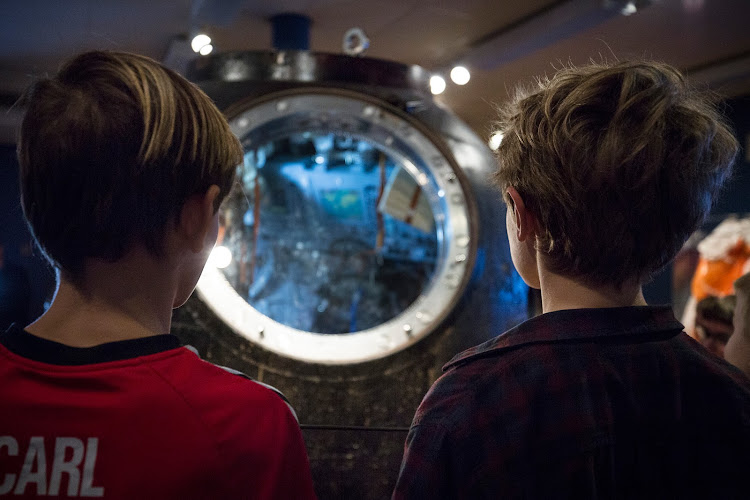
It focuses on the stories behind science, medicine and the natural world, and arranges permanent exhibitions so that both children and adults come away with something tangible — a question they didn’t have before, or a small experiment remembered days later. The tone is informal on purpose: exhibits invite interaction, and the museum’s approach mirrors that — approachable, practical, occasionally cheeky.
Located close to university grounds, the museum has a quietly scholarly feel without the lectern-and-slide-show stiffness some places give off. Exhibits trace the development of scientific ideas and medical practice in ways that matter to a traveler: understanding how people in Denmark — and Europe more widely — thought about health, the body and the environment. There is an emphasis on historical instruments and the human stories behind them, which means visitors who enjoy the material culture of science (glassware, precision instruments, faded diagrams) will find a lot to admire.
Interactivity is a central feature. Instead of being a place where one only looks, the Steno Museum expects a bit of play. Buttons to press, levers to pull, simple experiments where a child can make something move or change color — these are woven into exhibits aimed at explaining principles rather than merely showing artifacts. That said, adults who think they won’t be amused will likely be surprised; the explanations are smart and often quick to the point. Teachers and families tend to appreciate that the underlying science is never dumbed down, even when the presentation is playful.
There’s a small medicinal herb garden that many guidebooks miss, and yet it’s quietly one of the museum’s best features. It links botanical knowledge to historical medical practice and gives a sensory pause: smell the thyme, see the leaves that helped shape folk remedies. It’s not a sprawling park — it’s a compact, well-curated plot that rewards a slow walk and a curious nose. The herb garden sits well with the museum’s medical history displays; together they sketch an arc from plants to prescriptions to modern clinical thinking.
For visitors who love the sky, the museum sometimes highlights astronomy-themed material and has connections to local observatory traditions. While it is not primarily a full-scale planetarium for blockbuster shows, the museum does host astronomy-related exhibitions and educational programs that make the night sky feel less remote. Expect a focus on method — how people measured and observed — as much as on the spectacular. That measure-of-things mentality is a recurring motif: science as process rather than only outcome.
Accessibility and practical details are thoughtfully handled. There are wheelchair-accessible entrances, restrooms designed for accessibility, and on-site parking as well as free street parking nearby, which helps for families or travelers with wider day plans. Facilities are straightforward; the museum does not pretend to be a palace of visitor luxuries — no big restaurant inside — but there are clean restrooms and changing tables for parents. That lack of an on-site restaurant means planning a snack or a stop afterwards is wise, but it also keeps the atmosphere focused on exhibits rather than café crowds.
One of the things visitors often highlight in memory (this writer’s niece included) is how the museum stages the human side of science. Rather than presenting discoveries as inevitable leaps, Steno shows the missteps, the dead ends, the small triumphs. The narrative style can be quietly humorous at times. And yes, sometimes a display will make a visitor laugh aloud because the human drama of science is unexpectedly relatable — a scientist who had a stubborn microscope, or a physician with eccentric theories that later fell out of favor. Those moments make the museum linger in the mind long after the visit.
The Steno Museum also has a slightly academic feel because of its proximity to research and the university community. That’s a strength: the content is informed and current without being aloof. Visitors who enjoy learning about scientific instrumentation and the evolution of medical ideas will find concise, carefully curated displays. People who prefer immersive multimedia spectacles might want to temper expectations; Steno leans into tangible objects and clear explanations rather than flashy immersive tech, though there are well-crafted interactive stations and rotating exhibitions that bring contemporary scientific questions to the fore.
Practicality again: exhibitions are generally laid out to encourage movement and exploration rather than a rigid route. That’s great if you like to wander; less great if you want a guided, linear experience. Audio guides and occasional docent-led tours pop up, especially during high season or school holidays, and if one of those is available the visit can take on a richer, more contextual feel. Children respond especially well to the hands-on corners, and the museum makes an effort to present material in layered ways so that adults gain new insights while kids play.
Visitors should also know that Steno quietly caters to curiosity in different registers. There are sections that focus on medical history and public health that are surprisingly current — they connect historical practices to contemporary debates about medicine and science, which often provokes conversations among families or small groups wandering the galleries. The tone here is balanced and measured: it suggests questions rather than handing out verdicts.
All museums have critics, and Steno is no different. Some guests note that certain galleries feel compact or that signage could be clearer in English for non-Danish speakers. Others praise the staff’s friendliness and the fact that the museum doesn’t try to oversell itself. The overall impression is of a place that aims to be useful to travelers: not a tourist trap, but a thoughtful stop for anyone interested in how science and medicine shaped, and continue to shape, everyday life.
In short, the Steno Museum in Aarhus offers a clean, curious and quietly intellectual visitor experience. It’s especially rewarding for families with children, students of history of science, and travelers who prefer substance over spectacle. Visitors who like to touch things, ask questions, and walk away with a new fact or two — plus a deeper sense of how people once tried to understand the body and the world — are the ones who will enjoy it most. If one seeks a museum that respects both children’s wonder and adults’ skepticism, this one fits the bill — and yes, you will probably catch yourself smiling at the small stories tucked between the glass cases.
 Real Journey Travels