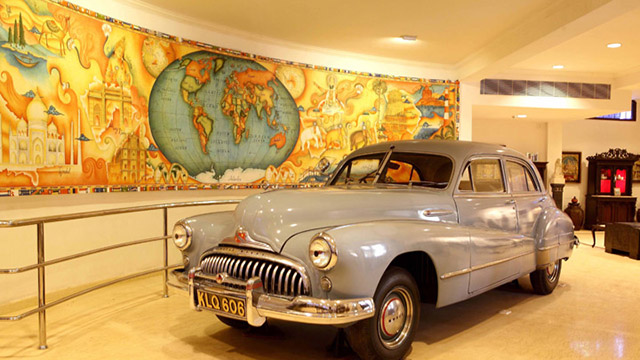
It showcases a wide-ranging assortment of antiques and religious artwork assembled over generations. Visitors quickly notice that this is not a stuffy, academically-staged collection — it still carries the feel of a family home that loved its objects and wanted to share them. The displays include carved wood, painted panels, ritual objects, small icons and ornate furniture pieces that speak to the region’s complex trade links, devotional practices, and aesthetic shifts over centuries.
What sets this museum apart are the personal touches. Items are grouped to tell short stories about faith, craftsmanship, and everyday ritual life rather than only cataloguing dates or provenance. Labels tend to be direct and readable, with just enough context to spark curiosity without drowning a casual visitor in dense scholarship. The layout encourages slow walking and lingering; many people find themselves returning to the same cabinet twice because they noticed something new on the second pass. It’s the kind of place where light and shadow play through a carved screen at certain times of day, and that little moment makes the whole visit feel memorable.
Architecturally, the museum keeps things restrained and refined — mellow walls, focused lighting, and enough space between cases that crowds rarely feel claustrophobic. The atmosphere suits the objects: reverent but not reverential. It also doubles as a cultural portrait: through religious artwork and devotional icons the museum offers insights into how faith and material culture have interwoven in Kerala and beyond. One can see influences from European tradesmen, local artisans, and neighboring Asian motifs, reflecting Alappuzha’s long history as a mercantile hub.
Practical features are thoughtfully provided. The site is accessible with a wheelchair-friendly entrance and restroom facilities, which is worth celebrating since many smaller museums in the region forget such details. There is a public restroom on site and a free parking lot for cars, which makes visiting with family or an older group considerably easier. Onsite staff offer basic guidance and are usually willing to point out lesser-known gems; they’re not museum robots — they’ll actually talk to you about their favourite pieces if you ask, and sometimes those little chats lead to delightful detours through the collection.
Overall, the museum makes a strong case for why private collections can be put to public use. It’s cozy but curated, intimate but informative, and it gives visitors a concrete way to connect with a layered history of belief and craft. Not every object comes with a blockbuster backstory, and that’s okay; part of the charm is finding small, curious things that spark a question and send a visitor looking up more information later that night.
Key Features
- A tranquil setting that works well for photography of certain objects (respectful, non-flash photography usually allowed in specified areas)
- Shopping and dining options nearby in Alappuzha town, though visitors should note there is no restaurant inside the museum
Best Time to Visit
Timing makes a real difference. The museum is pleasant year-round, but the most comfortable window is during the cooler, dryer months when humidity is lower and walking around Alappuzha feels less sticky. Early mornings right when the doors open are golden — fewer visitors, softer light in the galleries, and a calmer staff who have time to chat. Late afternoons are also nice for lighting effects on carved pieces and painted panels, though the place can be busier then.
Weekdays are generally quieter than weekends; if someone wants to look slowly and ask a lot of questions, visiting on a weekday is recommended. But if a visitor prefers a livelier atmosphere — perhaps to see school groups or local guides in action — then weekends can be more animated. Festival seasons in Kerala will shift patterns: nearby religious or cultural events can swell local visitor numbers, so plan accordingly if crowds are a concern.
And because this is a local favourite for some, it can be unexpectedly busy on public holidays. If peace and quiet are part of the plan, avoid the big regional holidays. Pack a light jacket for the galleries, because climate control can make interior spaces cooler than the outside climate, and that small comfort lets people linger longer without feeling rushed.
How to Get There
The museum sits in Alappuzha, which is well-connected by road and rail. Most travelers arrive via Alappuzha railway station — a short taxi or auto-rickshaw ride from central points. For visitors coming from Kochi or Thiruvananthapuram, regular trains and buses make Alappuzha an easy day trip or overnight stay. Driving is straightforward for anyone with a car; the free parking lot on site is an unexpectedly helpful convenience and saves time hunting for street parking.
From the major airports, travelers can take a combination of trains, inter-city buses, or taxis. Kochi (Cochin) International Airport tends to be the most common gateway for international and domestic travelers heading to Alappuzha. Rental cars and private taxis all operate on familiar routes and are a practical choice for visitors who want flexibility to explore backwaters, beaches, and local markets in the same day.
Local transport — auto-rickshaws and tuk-tuks — are plentiful and inexpensive for those making short hops from the town center. One small tip: agree a fare before the ride when possible, or ask the driver to use the meter. Navigation apps work fairly well in the region, but for the last few hundred meters it’s nice to have a local give directions since alleys and smaller streets can be deceptively twisty.
Tips for Visiting
Plan for about 60 to 90 minutes inside if someone wants to see the museum at a relaxed pace. That allows time to read labels, photograph a few objects where permitted, and talk with staff. If the visitor loves antiques or religious art, they might easily spend longer — a few visitors have been known to return the same day after a brief lunch in town just to see favorite pieces again.
- Arrive early to avoid crowds and to catch the best natural light on certain exhibits.
- Carry small change for parking attendants or donations; staff appreciate succinct questions about specific pieces and are happy to point out details one might miss.
- Respect gallery rules. Some objects may be behind glass or have no-touch policies. Flash photography may be restricted; pocketsize cameras and phones are fine in most areas but always check signage.
- There is no on-site restaurant — bring a water bottle and plan a meal in nearby Alappuzha afterwards. The town offers many local eateries with seafood and Kerala staples that make a good follow-up to a morning of museum browsing.
- Children are welcome, and many displays are approachable for younger audiences. Still, keep an eye on active kids near fragile items; the museum staff are friendly but fragile glass cases are, well, fragile.
- Accessibility is strong here compared to many similar attractions: there is a wheelchair-accessible entrance and restroom. If special assistance is required, contacting the museum in advance can smooth the day.
- If someone is driving, take advantage of the free parking; it’s sometimes the easiest way to manage a group with varied mobility needs.
- Ask about guided highlights. Even a short 10-minute chat with staff about standout objects can transform a visit from pleasant to memorable.
- Make time to stroll nearby streets. Alappuzha’s quays, markets, and small shops are great for complementing the museum experience with local flavor and crafts.
Lastly, bring curiosity and a little patience. The Revi Karunakaran Memorial Museum rewards a slower pace and a willingness to notice small details: the chisel marks on a wooden panel, the faded pigments in a painting, the personal stories behind an object’s journey into the family collection. Those are the moments that turn a visit into a memory — and they’re worth making time for.
 Real Journey Travels