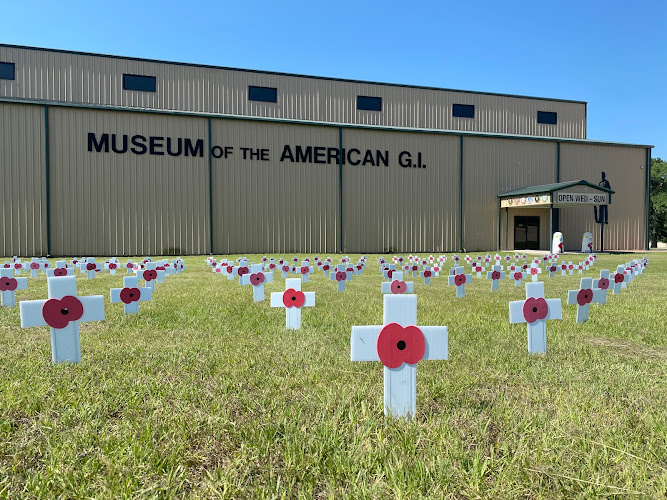
It focuses squarely on the hardware and the human stories behind it — think tanks and jeeps displayed alongside letters, photos and oral histories that give context to metal and rivets. The tone is respectful but practical: these are tools of war and tools of survival, preserved by a largely volunteer staff that identifies as veteran-owned and women-owned.
Visitors will notice a different feel compared with large metropolitan museums. The campus has an almost workshop-like atmosphere — dusty tracks, grease-smudged boots, volunteers tinkering on engines in the background — and sometimes that gets described as charming. It’s not polished to a shine, and that’s part of its appeal: authenticity over gloss. The institution puts emphasis on restoration and operation of historic military vehicles, so on the right day you might see engines cranking and vehicles moving for demonstrations. Living-history reenactments and staged performances bring mid-20th-century uniforms and tactics to life; those events can make the past feel oddly immediate.
Educational programming is geared toward families and students, and the museum actively offers tours and onsite services for groups. It is accessible — wheelchair ramps, designated parking and an accessible restroom are in place — and it welcomes visitors of all ages. There’s a small gift shop for souvenirs and reference materials. Admission is fee-based, which funds preservation and programming. Visitors should expect a candid, sometimes gritty presentation of American military history rather than a glossy narrative. That frankness is appreciated by many who visit, though some come with different expectations; overall, the experience skews positive, especially for folks who love vehicles, living history and a strong local-heritage vibe.
One anecdote often shared by volunteers: during a living-history weekend a young kid climbed up the ladder of a restored tank and, eyes wide, asked if it was like the ones in movies. A veteran volunteer sat down beside him and talked about the day-to-day life in the field — not heroics, but the small, human pieces. That kind of anecdote captures why the museum exists: to preserve equipment, yes, but more importantly to preserve stories.
Key Features
- Admission fee required; proceeds support preservation, restoration and public programming.
Best Time to Visit
Timing a visit can make a big difference. Spring and fall offer the most comfortable weather in Brazos County — cooler mornings and milder afternoons — so they’re ideal if walking around the outdoor vehicle displays sounds appealing. Summers in College Station can be brutally hot and humid, so plan indoor exhibits early in the day or aim for an early-morning arrival to beat the heat. Winters are generally mild; fewer crowds then, though fewer special events are scheduled.
For the fullest experience, attend during a living-history weekend or a scheduled special event. Those weekends showcase live demonstrations, vehicles in motion and costumed interpreters who explain everyday life in uniform. But a gentle caveat: these weekends are also the busiest times, and parking or lines can form. If someone in the group prefers quieter exploration — say, a veteran who wants a contemplative hour with exhibits — weekday mornings or early afternoons are recommended.
How to Get There
The Museum of the American GI sits just off Highway 6 in the College Station area, easily reachable by car. Most visitors drive; onsite parking means it’s straightforward to arrive with a family, a classroom group, or a convoy of friends who share an interest in military vehicles. Public transportation options are limited in this part of Texas, so if you rely on buses or ride-shares, plan extra time for pick-up and drop-off. A rental car or personal vehicle is by far the easiest option for getting there and for exploring nearby attractions in the Brazos Valley.
If arriving from the interstate or downtown College Station, GPS navigation gets you within a short drive of the entrance — again, bring a printed or downloaded map if cell coverage is spotty, because sometimes the rural roads confuse even the best GPS. Parking is on site; larger group visits should contact the museum in advance to arrange guided tours or bus parking. And one practical tip: because the museum is vehicle-focused, it’s a popular stop for military-history clubs and car groups; weekends can get crowded, so early arrival helps you find a good spot and a shady place to start your visit.
Tips for Visiting
Plan for 1.5 to 3 hours depending on how deep you want to go. The museum’s collection is hands-on enough to reward lingering — detailed vehicle plaques, uniforms with provenance notes, and volunteers who will happily answer questions. Expect to walk across gravel and uneven surfaces outdoors; comfortable shoes are a must. Sunscreen and a hat will be your friends in summer. Also, bring patience: this is a working museum with volunteers who juggle restoration, events and tours, so lines at the gift shop or for demonstrations may move at volunteer-pace rather than corporate speed.
Families should note that the site is child-friendly and educational programs are on offer, but parts of the collection are heavy in technical detail that may bore very young kids. That said, many exhibits — tanks, jeeps, the smell of oil and canvas — capture imaginations. If traveling with small children, bring snacks; there’s no restaurant on site, and while there are picnic-friendly spots, food options nearby are limited.
Accessibility matters here. The museum has made clear efforts to be welcoming, with wheelchair-accessible entrances, parking and restrooms. Still, some outdoor terrain is uneven; if mobility is a concern, contact the museum ahead of time to confirm the best routes and any special accommodations for tours.
Money matters: the museum charges admission — it’s a key revenue stream for conservation and events. Bring a mix of payment methods, because while credit cards are often accepted, smaller vendor transactions in the gift shop or for event extras sometimes run on cash. Check ahead for discounts for students, veterans, seniors and group rates if applicable; those are common but may vary by event.
Hello, gearheads and history buffs: photography is usually allowed in public spaces but be mindful during staged performances or when volunteers are speaking with visitors — sometimes they ask no flash or limited photography during sensitive demonstrations. Also, please respect the artifacts: many are restored, fragile and irreplaceable.
One last personal aside — and yes, it’s a tiny ramble: if the visitor happens to meet a volunteer who’s worked on a particular tank for years, linger. Those conversations are unexpectedly moving. The volunteers’ stories, the stubbornness to bring engines back to life, the small victories of sourcing a rare part — they’re the museum’s heartbeat. The machines draw people in, but the people who preserve them keep visitors coming back.
In short, the Museum of the American GI is an authentic, educational stop for travelers curious about American military history, vehicle restoration and living-history interpretation. It rewards curiosity, questions, and a bit of patience. If those sound like things you enjoy, add it to your College Station itinerary and set aside enough time to let the exhibits — and the stories — sink in.
 Real Journey Travels