
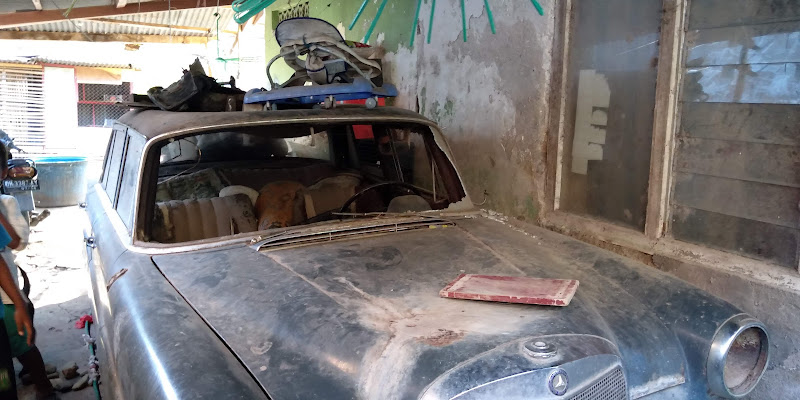
Museum El Tari
About Museum El Tari
Description
Museum El Tari stands as a cultural repository that offers travelers a genuine glimpse into the heritage and history of the region. This museum houses collections that tell stories spanning generations, making it an intriguing stop for those who appreciate understanding the places they visit beyond the usual tourist spots. The facility itself represents a commitment to preserving local identity and sharing it with visitors who take the time to explore its halls. Walking through Museum El Tari feels like flipping through the pages of a history book that actually makes sense, you know? Instead of dry facts and dates that make your eyes glaze over, the exhibits here present artifacts and displays in a way that connects you to the real human experiences behind them. I've always believed that the best museums are the ones that make you forget you're in a museum at all, and this place manages to do that reasonably well. The museum's collection focuses primarily on regional artifacts and cultural items that might not make headlines in international publications but are absolutely essential for understanding the local context. You'll find traditional textiles, historical photographs, everyday objects from different eras, and displays that chronicle the development of the area over time. And honestly, that's what makes it special – it's not trying to compete with the Louvre or the Smithsonian. It's doing its own thing and doing it with a certain authenticity that larger institutions sometimes lose. Most visitors find the museum to be a pleasant experience, though it's worth noting that it won't necessarily blow your mind if you're expecting elaborate interactive displays or cutting-edge museum technology. But that's kind of missing the point. The value here lies in the content itself and the opportunity to learn about aspects of local culture that you simply won't encounter anywhere else on your travels.Key Features
The museum offers several notable aspects that make it worth including in your itinerary:- Collections of traditional textiles and handicrafts that showcase local artisan skills passed down through generations
- Historical photographs documenting the region's transformation over the decades
- Ethnographic displays featuring tools, instruments, and everyday objects from various cultural groups
- Exhibits related to natural history specific to the surrounding environment
- Artifacts that illuminate pre-colonial and colonial periods of local history
- Restroom facilities available on-site for visitor convenience
- Kid-friendly environment suitable for families traveling with children
- Relatively compact size that allows for a complete visit without requiring an entire day
- Opportunities to see items rarely displayed elsewhere or documented in mainstream historical accounts
- Quiet, contemplative atmosphere perfect for those seeking a break from busier tourist attractions
Best Time to Visit
Timing your visit to Museum El Tari can significantly impact your experience. The museum typically sees fewer crowds during weekday mornings, particularly on Tuesdays and Wednesdays. If you're someone who prefers exploring at your own pace without dodging tour groups or navigating around clusters of visitors, these time slots work best. The regional climate plays a role in planning too. Since the museum doesn't have elaborate climate control throughout (at least not what you'd expect from major metropolitan museums), visiting during the cooler parts of the day makes the experience more comfortable. Early morning visits around opening time or late afternoon sessions work particularly well, especially if you're traveling during warmer months. School holidays and local festival periods tend to bring more families with children, which isn't necessarily a bad thing – it actually adds a certain energy to the place – but it does mean you'll need more patience if you want to read every placard and examine every display case carefully. I've visited museums during both quiet periods and busy times, and honestly, both have their merits. The quiet times offer contemplation; the busier periods remind you that these cultural spaces are living, breathing parts of the community. Weekend afternoons generally attract moderate crowds, making them a reasonable compromise if your travel schedule doesn't allow for weekday visits. Just be prepared to share the space with locals as well as tourists, which actually can be a positive aspect since you'll get to observe how residents engage with their own cultural heritage. Seasonal considerations matter less for Museum El Tari than they would for outdoor attractions, but the dry season generally makes getting to and from the museum more straightforward, particularly if you're relying on local transportation or walking any distance.How to Get There
Reaching Museum El Tari requires a bit of planning, but it's certainly manageable even for travelers unfamiliar with the area. The museum's location means you'll need to consider transportation options in advance rather than just assuming you can wander over on a whim. Local taxis and ride-sharing services where available represent the most straightforward option for most travelers. The drivers generally know the museum, though having the name written down in the local language can help avoid confusion. Expect the journey from central accommodation areas to take anywhere from fifteen to thirty minutes depending on traffic conditions and your exact starting point. Public transportation exists as an option, though it requires more patience and a willingness to navigate systems that might not have extensive English signage or announcements. But that's part of the adventure, right? I've always found that figuring out local bus or minibus routes teaches you more about a place than any guidebook could. If you choose this route, ask locals for help – most people are remarkably generous with directions and assistance when they see you're making an effort. Some hotels and guesthouses can arrange transportation to the museum, either as part of a broader city tour or as a dedicated trip. This costs more than independent travel but eliminates uncertainty and saves time if you're on a tight schedule. For the more adventurous travelers, renting a scooter or motorcycle provides flexibility and independence, though you'll want to familiarize yourself with local traffic patterns and driving customs before setting out. The parking situation isn't elaborate, and the facility doesn't offer dedicated wheelchair-accessible parking, which is something to keep in mind for visitors with mobility considerations. Walking to the museum is theoretically possible depending on where you're staying, but the distances involved and the climate make this impractical for most visitors. Better to save your energy for exploring the museum itself and other attractions.Tips for Visiting
Making the most of your Museum El Tari experience involves some practical preparation and realistic expectations. First off, bring water with you. While the museum has restrooms, it doesn't have a restaurant or cafe on-site, so plan accordingly if you get thirsty or hungry during your visit. Photography policies vary in different sections of the museum, so pay attention to signage and ask staff if you're uncertain. Some exhibits prohibit flash photography to preserve delicate artifacts, which makes perfect sense when you think about it. Those textiles and photographs have survived decades or even centuries – they don't need your camera flash accelerating their deterioration. The museum works well for families traveling with kids, but you'll want to prepare younger children for what museum behavior looks like. There aren't elaborate play areas or highly interactive exhibits that will keep a fidgety six-year-old entertained for hours. However, many children do find the artifacts genuinely interesting, especially items like traditional tools or musical instruments that they can relate to tangible uses. Accessibility represents a real consideration here. The museum lacks wheelchair-accessible parking and may have limitations in terms of navigating certain exhibit areas. If you or someone in your travel party has mobility challenges, contact the museum ahead of time to discuss specific accommodations and limitations. It's better to know what you're working with before you arrive. Budget time wisely – most visitors spend between one and two hours exploring the complete collection. That's enough time to read the available descriptions, examine the artifacts with some attention, and perhaps linger over items that particularly interest you. Rushing through in thirty minutes means you'll miss the nuances; spending more than two and a half hours might test your museum stamina unless you're a serious enthusiast. The museum staff can be valuable resources, though English proficiency varies. A translation app on your phone can bridge communication gaps and help you get answers to specific questions about exhibits or artifacts that catch your attention. Dress comfortably and practically. You'll be on your feet, the temperature inside may vary from outside conditions, and you're not attending a fashion show. Comfortable walking shoes make sense, and having a light layer you can add or remove helps with comfort. Consider combining your museum visit with other nearby attractions to make the most of your transportation time and effort getting to this location. Planning your day efficiently means you'll feel more satisfied with your time investment. Finally, manage your expectations appropriately. Museum El Tari serves an important cultural function and offers genuine insights into local heritage, but it operates on a different scale and with different resources than major international museums. Approaching it with curiosity and openness rather than comparing it to institutions with vastly larger budgets and collections will help you appreciate what it does offer rather than focusing on what it doesn't.Key Features
- Collections of ikat textiles and traditional garments from Timorese groups
- Ethnographic displays of ritual objects and ceremony-related artifacts
- Maritime and fishing implements illustrating coastal livelihoods
- Photographs and documents charting colonial and regional history
- Compact, walkable layout ideal for a focused cultural visit
More Details
Updated January 17, 2026
Table of Contents
Description
Museum El Tari stands as a cultural repository that offers travelers a genuine glimpse into the heritage and history of the region. This museum houses collections that tell stories spanning generations, making it an intriguing stop for those who appreciate understanding the places they visit beyond the usual tourist spots. The facility itself represents a commitment to preserving local identity and sharing it with visitors who take the time to explore its halls.
Walking through Museum El Tari feels like flipping through the pages of a history book that actually makes sense, you know? Instead of dry facts and dates that make your eyes glaze over, the exhibits here present artifacts and displays in a way that connects you to the real human experiences behind them. I’ve always believed that the best museums are the ones that make you forget you’re in a museum at all, and this place manages to do that reasonably well.
The museum’s collection focuses primarily on regional artifacts and cultural items that might not make headlines in international publications but are absolutely essential for understanding the local context. You’ll find traditional textiles, historical photographs, everyday objects from different eras, and displays that chronicle the development of the area over time. And honestly, that’s what makes it special – it’s not trying to compete with the Louvre or the Smithsonian. It’s doing its own thing and doing it with a certain authenticity that larger institutions sometimes lose.
Most visitors find the museum to be a pleasant experience, though it’s worth noting that it won’t necessarily blow your mind if you’re expecting elaborate interactive displays or cutting-edge museum technology. But that’s kind of missing the point. The value here lies in the content itself and the opportunity to learn about aspects of local culture that you simply won’t encounter anywhere else on your travels.
Key Features
The museum offers several notable aspects that make it worth including in your itinerary:
- Collections of traditional textiles and handicrafts that showcase local artisan skills passed down through generations
- Historical photographs documenting the region’s transformation over the decades
- Ethnographic displays featuring tools, instruments, and everyday objects from various cultural groups
- Exhibits related to natural history specific to the surrounding environment
- Artifacts that illuminate pre-colonial and colonial periods of local history
- Restroom facilities available on-site for visitor convenience
- Kid-friendly environment suitable for families traveling with children
- Relatively compact size that allows for a complete visit without requiring an entire day
- Opportunities to see items rarely displayed elsewhere or documented in mainstream historical accounts
- Quiet, contemplative atmosphere perfect for those seeking a break from busier tourist attractions
Best Time to Visit
Timing your visit to Museum El Tari can significantly impact your experience. The museum typically sees fewer crowds during weekday mornings, particularly on Tuesdays and Wednesdays. If you’re someone who prefers exploring at your own pace without dodging tour groups or navigating around clusters of visitors, these time slots work best.
The regional climate plays a role in planning too. Since the museum doesn’t have elaborate climate control throughout (at least not what you’d expect from major metropolitan museums), visiting during the cooler parts of the day makes the experience more comfortable. Early morning visits around opening time or late afternoon sessions work particularly well, especially if you’re traveling during warmer months.
School holidays and local festival periods tend to bring more families with children, which isn’t necessarily a bad thing – it actually adds a certain energy to the place – but it does mean you’ll need more patience if you want to read every placard and examine every display case carefully. I’ve visited museums during both quiet periods and busy times, and honestly, both have their merits. The quiet times offer contemplation; the busier periods remind you that these cultural spaces are living, breathing parts of the community.
Weekend afternoons generally attract moderate crowds, making them a reasonable compromise if your travel schedule doesn’t allow for weekday visits. Just be prepared to share the space with locals as well as tourists, which actually can be a positive aspect since you’ll get to observe how residents engage with their own cultural heritage.
Seasonal considerations matter less for Museum El Tari than they would for outdoor attractions, but the dry season generally makes getting to and from the museum more straightforward, particularly if you’re relying on local transportation or walking any distance.
How to Get There
Reaching Museum El Tari requires a bit of planning, but it’s certainly manageable even for travelers unfamiliar with the area. The museum’s location means you’ll need to consider transportation options in advance rather than just assuming you can wander over on a whim.
Local taxis and ride-sharing services where available represent the most straightforward option for most travelers. The drivers generally know the museum, though having the name written down in the local language can help avoid confusion. Expect the journey from central accommodation areas to take anywhere from fifteen to thirty minutes depending on traffic conditions and your exact starting point.
Public transportation exists as an option, though it requires more patience and a willingness to navigate systems that might not have extensive English signage or announcements. But that’s part of the adventure, right? I’ve always found that figuring out local bus or minibus routes teaches you more about a place than any guidebook could. If you choose this route, ask locals for help – most people are remarkably generous with directions and assistance when they see you’re making an effort.
Some hotels and guesthouses can arrange transportation to the museum, either as part of a broader city tour or as a dedicated trip. This costs more than independent travel but eliminates uncertainty and saves time if you’re on a tight schedule.
For the more adventurous travelers, renting a scooter or motorcycle provides flexibility and independence, though you’ll want to familiarize yourself with local traffic patterns and driving customs before setting out. The parking situation isn’t elaborate, and the facility doesn’t offer dedicated wheelchair-accessible parking, which is something to keep in mind for visitors with mobility considerations.
Walking to the museum is theoretically possible depending on where you’re staying, but the distances involved and the climate make this impractical for most visitors. Better to save your energy for exploring the museum itself and other attractions.
Tips for Visiting
Making the most of your Museum El Tari experience involves some practical preparation and realistic expectations. First off, bring water with you. While the museum has restrooms, it doesn’t have a restaurant or cafe on-site, so plan accordingly if you get thirsty or hungry during your visit.
Photography policies vary in different sections of the museum, so pay attention to signage and ask staff if you’re uncertain. Some exhibits prohibit flash photography to preserve delicate artifacts, which makes perfect sense when you think about it. Those textiles and photographs have survived decades or even centuries – they don’t need your camera flash accelerating their deterioration.
The museum works well for families traveling with kids, but you’ll want to prepare younger children for what museum behavior looks like. There aren’t elaborate play areas or highly interactive exhibits that will keep a fidgety six-year-old entertained for hours. However, many children do find the artifacts genuinely interesting, especially items like traditional tools or musical instruments that they can relate to tangible uses.
Accessibility represents a real consideration here. The museum lacks wheelchair-accessible parking and may have limitations in terms of navigating certain exhibit areas. If you or someone in your travel party has mobility challenges, contact the museum ahead of time to discuss specific accommodations and limitations. It’s better to know what you’re working with before you arrive.
Budget time wisely – most visitors spend between one and two hours exploring the complete collection. That’s enough time to read the available descriptions, examine the artifacts with some attention, and perhaps linger over items that particularly interest you. Rushing through in thirty minutes means you’ll miss the nuances; spending more than two and a half hours might test your museum stamina unless you’re a serious enthusiast.
The museum staff can be valuable resources, though English proficiency varies. A translation app on your phone can bridge communication gaps and help you get answers to specific questions about exhibits or artifacts that catch your attention.
Dress comfortably and practically. You’ll be on your feet, the temperature inside may vary from outside conditions, and you’re not attending a fashion show. Comfortable walking shoes make sense, and having a light layer you can add or remove helps with comfort.
Consider combining your museum visit with other nearby attractions to make the most of your transportation time and effort getting to this location. Planning your day efficiently means you’ll feel more satisfied with your time investment.
Finally, manage your expectations appropriately. Museum El Tari serves an important cultural function and offers genuine insights into local heritage, but it operates on a different scale and with different resources than major international museums. Approaching it with curiosity and openness rather than comparing it to institutions with vastly larger budgets and collections will help you appreciate what it does offer rather than focusing on what it doesn’t.
Key Highlights
- Collections of ikat textiles and traditional garments from Timorese groups
- Ethnographic displays of ritual objects and ceremony-related artifacts
- Maritime and fishing implements illustrating coastal livelihoods
- Photographs and documents charting colonial and regional history
- Compact, walkable layout ideal for a focused cultural visit
Location
Places to Stay Near Museum El Tari
Find and Book a Tour
Explore More Travel Guides
No reviews found! Be the first to review!
Traveler Reviews for Museum El Tari
There are no reviews yet. Be the first one to write one.
Have you visited Museum El Tari? Help other travelers by sharing your review.
Nearby Attractions
You Might Also Like
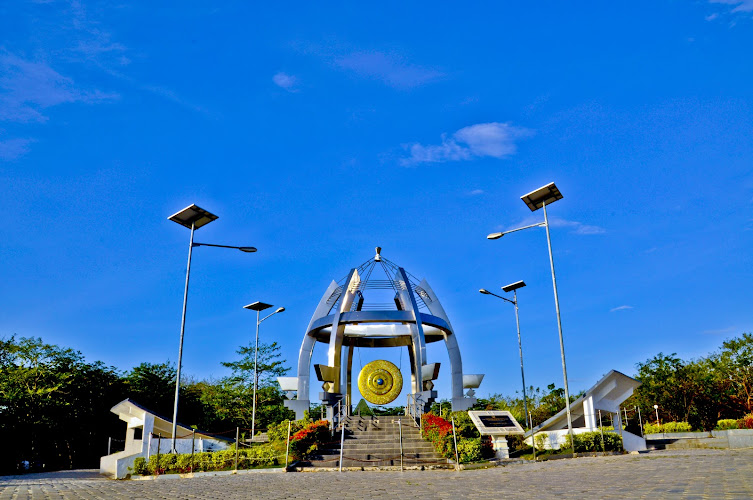
Nostalgia Park

Pantai Koepan LLBK

Pasir Panjang Beach
Find Accommodations Nearby
Recommended Tours & Activities
Visitor Reviews
There are no reviews yet. Be the first one to write one.
Share Your Experience
Have you visited Museum El Tari? Help other travelers by leaving a review.