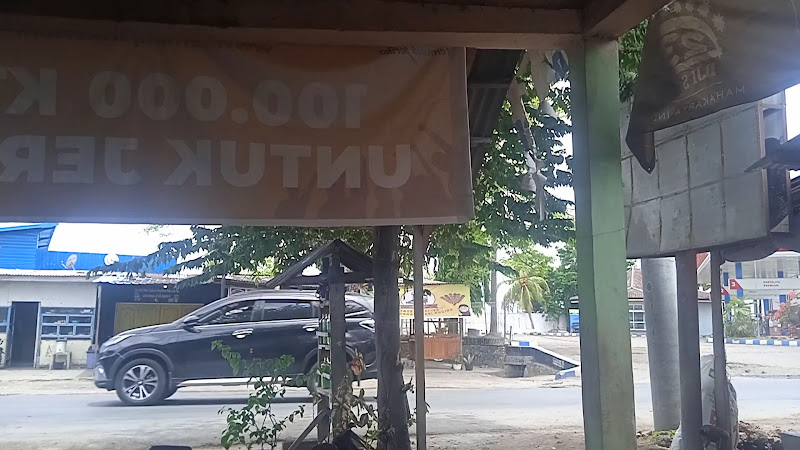
The name itself translates to “Heroes Street,” and there’s something deeply meaningful about wandering down a road that pays homage to those who’ve shaped the nation’s history.
I remember the first time I stumbled upon a Jl. Pahlawan during my travels through Indonesia – actually, there are several streets bearing this name across different cities, which makes sense given the reverence Indonesians hold for their freedom fighters. What struck me most wasn’t just the name, but how these streets serve as living, breathing arteries of community life rather than static monuments.
Walking along Jl. Pahlawan, you’ll find yourself immersed in the daily routines of locals going about their business. The street pulses with activity throughout the day, and honestly, it’s this unfiltered authenticity that makes it worth experiencing. Unlike sanitized tourist attractions that feel staged, this is real Indonesia unfolding right before your eyes.
The atmosphere shifts depending on which Jl. Pahlawan you’re visiting – some are commercial hubs lined with shops and eateries, while others maintain a more residential character. But what they all share is that unmistakable Indonesian energy, where motorbikes zip past, street vendors call out their offerings, and the aroma of fresh cooking drifts from nearby warungs.
Key Features
When exploring Jl. Pahlawan, travelers will discover several distinctive elements that define the experience:
Best Time to Visit
Timing your visit to Jl. Pahlawan really depends on what kind of experience you’re after, and I’ve learned this through trial and error – sometimes literally getting caught in downpours because I didn’t plan properly.
Early morning, around 6 to 8 AM, brings out a completely different character. The street awakens gradually, and you’ll witness locals heading to work, children making their way to school, and vendors setting up their stalls. The air feels fresher then, before the tropical heat settles in. This is when you’ll find the best breakfast options too – fresh nasi goreng, bubur ayam, and other Indonesian breakfast staples prepared by vendors who’ve been perfecting their recipes for decades.
Mid-morning through early afternoon can get intensely hot, especially during the dry season from April through October. The sun beats down mercilessly, and honestly, unless you’re particularly heat-tolerant, you might want to retreat to air-conditioned spaces during these hours. But if you do brave it, the streets are typically bustling with maximum activity.
Late afternoon, from around 4 PM onwards, is absolutely prime time. The oppressive heat breaks, people emerge from their midday rest, and the street comes alive again with renewed energy. This is when I personally prefer to explore – the light is beautiful for photography, the temperature becomes manageable, and you can seamlessly transition into evening activities.
Evenings on Jl. Pahlawan transform the street yet again. Night markets might appear, food vendors multiply, and locals come out to socialize. The atmosphere shifts to something more relaxed and social, with families strolling and friends gathering at small eateries.
Regarding seasons, the dry months from May through September generally offer the most comfortable conditions. You won’t have to dodge sudden tropical downpours, though you’ll still contend with heat. The wet season from November through March brings afternoon rains that can be dramatic but also refreshing – just carry an umbrella and embrace the occasional need to duck under an awning while rain pounds the pavement.
Weekdays versus weekends make a difference too. Weekdays show you the working rhythm of the community, while weekends might bring more leisure activities and family outings.
How to Get There
Getting to Jl. Pahlawan typically proves straightforward once you’re already in whichever Indonesian city you’re visiting, since these streets usually integrate into the central fabric of urban areas rather than sitting in remote locations.
Most travelers will find that ride-hailing apps like Gojek and Grab work exceptionally well throughout Indonesia. Simply enter “Jl. Pahlawan” along with the specific city name into the app, and a driver will pick you up from wherever you’re staying. The fares are remarkably affordable compared to Western standards – often just a couple of dollars for trips within the same city. I’ve found these apps invaluable because they eliminate language barriers and pricing negotiations.
For the more adventurous, local transportation options abound. Angkot (minivans that run set routes) and ojek (motorcycle taxis) offer even cheaper alternatives, though they require more local knowledge to navigate effectively. If you’re comfortable asking locals for help or have a basic grasp of Bahasa Indonesia, these options immerse you deeper into local culture.
Walking might be feasible if your accommodation sits relatively close to Jl. Pahlawan. Indonesian cities aren’t always the most pedestrian-friendly – sidewalks can disappear without warning, and you’ll need to stay alert for motorbikes – but walking does let you notice details you’d miss from inside a vehicle.
Some cities have decent public bus systems that service major streets. The buses are incredibly cheap but can be confusing for first-time visitors. Route maps aren’t always available in English, and stops might not be clearly marked.
If you’re planning to visit multiple locations throughout the day, consider negotiating with a taxi or Grab driver for a longer hire. This gives you flexibility to explore at your own pace without constantly booking new rides.
Tips for Visiting
After spending considerable time exploring various streets throughout Indonesia, I’ve gathered some practical wisdom that’ll enhance your Jl. Pahlawan experience.
First things first – dress appropriately for both the weather and cultural context. Lightweight, breathable clothing is essential in Indonesia’s tropical climate, but remember you’re walking through a local neighborhood, not a beach resort. Modest clothing shows respect, especially if you’re planning to duck into any religious sites you might encounter. And comfortable walking shoes are non-negotiable; flip-flops might seem tempting, but uneven sidewalks and long distances make proper footwear worthwhile.
Bring small denominations of Indonesian Rupiah. Many vendors and small shops can’t break large bills, and you’ll miss out on impulse purchases of delicious street food if you’re only carrying 100,000 Rupiah notes. ATMs are usually accessible nearby, but having cash ready prevents frustration.
Learn a few basic Indonesian phrases. Even butchering “Terima kasih” (thank you) or “Berapa harga?” (how much?) creates goodwill with locals who appreciate the effort. I’ve had countless positive interactions simply because I attempted to speak Bahasa Indonesia, however poorly.
Stay alert to your surroundings, not because Jl. Pahlawan is particularly dangerous, but because you’re navigating busy streets with unpredictable traffic patterns. Motorbikes might mount sidewalks, cars might not yield to pedestrians, and street vendors might approach you enthusiastically. Keep valuables secure and maintain general travel awareness.
Embrace the food scene, but use common sense. Choose vendors with high turnover – lots of customers means fresh ingredients. Watch what locals are eating and follow their lead. I’ve had some of my most memorable meals from humble street carts, but I also pay attention to basic hygiene indicators.
Don’t be afraid to explore side streets branching off from Jl. Pahlawan. These smaller lanes often harbor hidden gems – tiny warungs serving incredible food, workshops where craftspeople practice traditional skills, or quiet residential areas where kids play in the street. Some of my best travel memories come from wandering down random alleys that looked interesting.
Respect local customs and social norms. Indonesia is predominantly Muslim, and while cities tend to be quite tolerant, showing cultural awareness demonstrates respect. This means modest dress, asking permission before photographing people, and being mindful of prayer times when businesses might temporarily close.
Bring a reusable water bottle. Indonesia’s heat demands constant hydration, but buying bottled water repeatedly gets expensive and creates plastic waste. Many accommodations provide filtered water for refilling.
Consider hiring a local guide for your first exploration, particularly if you’re interested in understanding the historical or cultural significance of the area. A knowledgeable guide transforms a simple walk into an educational experience, providing context you’d never gain on your own.
Be patient and flexible. Indonesian time operates differently than Western schedules. Things might take longer than expected, plans might change, and that’s okay. The beauty of exploring Jl. Pahlawan lies partly in surrendering to the flow of local life rather than rigidly adhering to a tourist itinerary.
Finally, engage with people. Indonesians are generally warm and curious about foreign visitors. A smile goes a long way, and you’ll find that many people speak at least some English. Don’t just observe life on Jl. Pahlawan – participate in it, even if just through small interactions at shops or friendly nods to neighbors sitting outside their homes.
 Real Journey Travels