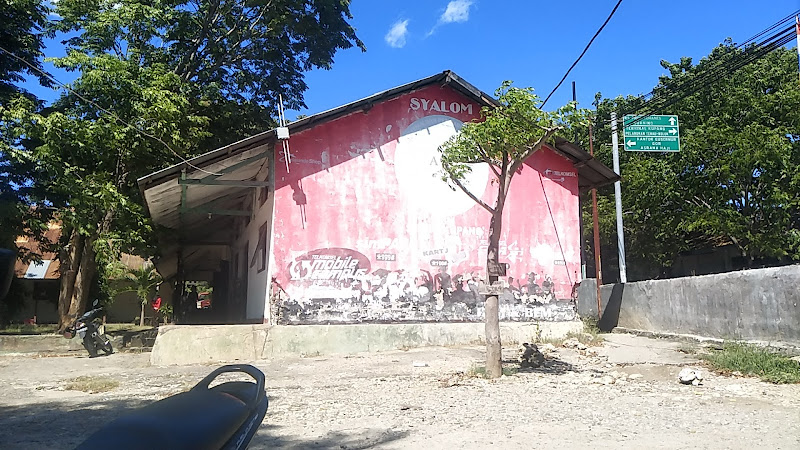
STAKN Kupang stands as one of East Nusa Tenggara’s important educational institutions, serving as a hub for religious and theological studies in the heart of Kupang. For travelers making their way through this corner of Indonesia, this college represents more than just an academic facility—it’s actually a window into the educational landscape of eastern Indonesia and the role faith-based learning plays in this predominantly Christian region of the archipelago.
The campus itself reflects the practical architectural approach you’ll find throughout Kupang, where buildings prioritize function in the tropical climate rather than ornate design. But there’s something genuine about visiting educational institutions when you’re traveling. You get to see where local knowledge is passed down, where future community leaders spend their formative years, and honestly, it gives you a perspective on a place that tourist attractions just can’t provide.
What makes STAKN Kupang particularly interesting for culturally-minded travelers is its focus on Christian theology and religious education in a country where such institutions are less common than their Islamic counterparts. The campus has been shaping religious leaders, educators, and community workers for years now, and you can feel that sense of purpose when you walk around the grounds during term time.
I’ll be honest though—this isn’t a place with extensive facilities for visitors with mobility challenges. The campus lacks wheelchair-accessible parking, which is unfortunately common for many educational facilities in this part of Indonesia. It’s something to keep in mind if you’re planning your visit and have specific accessibility needs.
Key Features
The distinctive characteristics that define STAKN Kupang include:
• A specialized focus on Protestant theology and religious studies that’s relatively unique in this region of Indonesia
• Campus grounds that provide an authentic look at higher education in eastern Indonesian provinces, far from the more developed facilities of Java or Bali
• Student population that draws from across Nusa Tenggara Timur and neighboring islands, creating a diverse academic community
• Library resources dedicated to theological texts and religious studies that might interest researchers or those with academic interests in Indonesian Christianity
• Regular academic and religious events that sometimes welcome community participation, offering cultural insights for observant travelers
• Architecture that blends practical tropical design with modest institutional styling typical of Indonesian provincial colleges
• Location within Kupang that makes it accessible for those already exploring the city’s educational and cultural institutions
• Opportunity to interact with students and faculty who often appreciate respectful international visitors interested in their work
• A quieter, more contemplative atmosphere compared to the busier commercial areas of Kupang—perfect for those seeking a break from typical tourist circuits
• Representation of the important role religious education plays in Timorese and broader NTT culture and society
Best Time to Visit
Timing your visit to STAKN Kupang really depends on what you want to experience. The academic calendar follows Indonesia’s standard schedule, with terms typically running from September through January and then February through June. If you want to see the campus at its most active—with students milling about between classes, discussions happening under trees, and that general buzz of academic life—you’ll want to visit during these periods.
And honestly? There’s something special about visiting during the regular semester. You get conversations with students, you see the campus actually functioning as it’s meant to, and you can sometimes attend public lectures or events if you ask around politely.
The dry season from May through October offers the most comfortable weather for walking around campus. Kupang gets seriously hot, but at least during these months you won’t be dealing with the heavy rains that can make outdoor exploration less pleasant. The wet season from November through March brings relief from the heat but also occasional downpours that might cut your campus walk short.
But here’s a tip from experience—mid-morning on weekdays during term time is probably your sweet spot. You’ll avoid the early morning rush when everyone’s heading to first classes, the campus is fully awake, and you still have most of the day ahead of you. Late afternoons can work too, when the heat breaks a bit and students gather for study groups or activities.
Academic break periods (roughly July-August and December-January) mean a much quieter campus. Some travelers might prefer this for photography or peaceful reflection, though you’ll miss out on the human element that really brings the place to life. Religious holidays also affect campus activity, so checking the academic calendar beforehand makes sense if you’re planning a specific visit.
How to Get There
Getting to STAKN Kupang is straightforward enough if you’re already in the city, though navigating Kupang itself can take some getting used to. Most travelers arrive in Kupang through El Tari International Airport, which serves as the main gateway to East Nusa Tenggara. From there, you’re looking at various ground transportation options to reach the campus.
Ojek (motorcycle taxis) remain the most flexible and quickest option for getting around Kupang, and drivers generally know major institutions like STAKN. The ride-sharing apps that dominate Jakarta and Bali have limited presence here, so you’ll likely be negotiating with conventional ojek drivers. Just make sure to agree on the price before you hop on—it’s not about being suspicious, it’s just how things work here.
Bemos—those colorful minivans that serve as shared public transport—run routes throughout Kupang, though the system takes some figuring out if you’re not familiar with it. They’re incredibly cheap and give you a genuine slice of local life, but be prepared for indirect routes and multiple stops. Ask locals which bemo route passes near the campus, and don’t be shy about asking fellow passengers to let you know when to get off.
Renting a motorbike gives you independence if you’re comfortable with Indonesian traffic patterns, which can feel chaotic to newcomers. Several rental places operate near the airport and in central Kupang. The campus shouldn’t be too difficult to find with basic navigation apps, though addresses in Kupang don’t always work perfectly with GPS.
Taxis exist but are less common than in larger Indonesian cities. Your hotel or guesthouse can usually arrange one if you prefer this option, though expect to pay significantly more than public transport alternatives.
Walking might be feasible depending on where you’re staying in Kupang, but remember that the tropical heat makes longer walks pretty exhausting. Early morning walks are your friend if you’re determined to go on foot.
Tips for Visiting
Visiting an active educational institution requires a different mindset than hitting up tourist attractions, and a little cultural awareness goes a long way at STAKN Kupang. First things first—dress modestly. This is a religious institution, after all, and showing respect through appropriate clothing isn’t just polite, it’s expected. Covered shoulders and knees are the minimum, and avoid anything too flashy or revealing.
Always check in with security or administration when you arrive. Indonesian institutions appreciate proper protocol, and wandering around without announcing yourself can cause confusion or concern. Most staff are friendly and helpful once they understand you’re a respectful visitor with genuine interest in the campus. Your basic Indonesian phrases will serve you well here—even a simple “Permisi, saya boleh lihat kampus?” (Excuse me, may I look around campus?) opens doors.
Photography deserves special mention because not everyone appreciates having cameras pointed at them, especially students who are just trying to get through their day. Always ask permission before photographing people, and be prepared for some to decline. Buildings and general campus scenes are usually fine, but use common sense and discretion.
Timing matters more than you might think. Avoid visiting during prayer times if religious services are happening, and don’t interrupt classes or exams periods. The administrative offices can give you a sense of what’s happening on any given day if you ask.
Bringing a local contact or guide can really enhance the experience, particularly if your Indonesian is limited. Some guesthouses in Kupang can arrange cultural guides who understand both the institution and how to bridge cultural gaps for international visitors.
Water and sun protection are practical essentials—there’s not always abundant shade, and Kupang’s sun doesn’t mess around. A small water bottle and hat will make your visit much more comfortable.
If you’re genuinely interested in academic aspects—maybe you’re researching Indonesian Christianity or comparative religious education—reaching out beforehand via email can open opportunities for more structured visits or conversations with faculty. Indonesian academics often appreciate international interest in their work, though response times can vary.
Be flexible with your expectations. This isn’t a tourist site with set visiting hours and brochures in multiple languages. It’s a working educational institution where your visit depends on the goodwill and availability of the people there. Some days you might have wonderful interactions and insights; other days might be quieter and more observational. Both have value if you approach them with the right attitude.
And here’s something I learned the hard way in Indonesia—bring small bills. If you’re making any donations or purchases at campus cafeterias or bookstores, vendors rarely have change for large notes, and it saves everyone awkwardness.
Finally, remember that you’re a guest in someone’s educational and spiritual space. The curiosity that drives travel should always be balanced with respect for local customs, schedules, and boundaries. STAKN Kupang offers travelers something different from beaches and komodo dragons—it offers insight into how faith, education, and community intersect in this unique corner of Indonesia.
 Real Journey Travels