
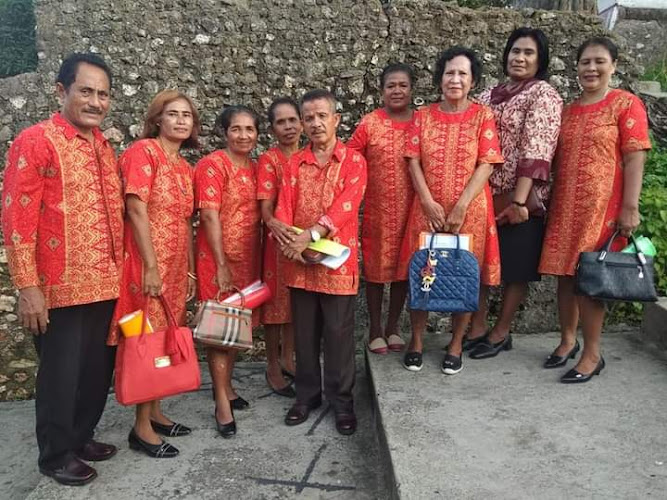
Fatufeto
About Fatufeto
Description
Fatufeto represents one of those lesser-traveled districts in Dili, Timor-Leste that most guidebooks barely mention, and that's precisely what makes it worth your attention. Located in the eastern part of the capital city, this residential area gives travelers an authentic glimpse into everyday Timorese life that you simply won't find in more touristy spots. I remember my first visit here – wandering through the neighborhood streets with no real agenda, just absorbing the rhythm of local life as families went about their daily routines. The district serves as a genuine residential community where you'll encounter the real heartbeat of Dili away from the waterfront promenade and the handful of expat-frequented cafes. It's the kind of place where kids play soccer in the streets until sunset, where neighbors actually know each other's names, and where the smell of cooking fires and traditional Timorese food drifts through the air in the early evening. Not every traveler will appreciate Fatufeto's understated character, but if you're the type who gets more excited about local markets than five-star hotels, you'll find something genuinely special here. What strikes most visitors is how the area seamlessly blends Portuguese colonial influences with traditional Timorese architecture and modern Southeast Asian development. The streets tell stories of a complex history – you'll see everything from weathered colonial-era buildings to contemporary concrete structures, all coexisting in that uniquely Timorese way.Key Features
- Authentic residential neighborhoods showcasing genuine daily life in Timor-Leste's capital without tourist infrastructure or commercialization
- Traditional family compounds where multiple generations live together, offering insights into Timorese social structures and family dynamics
- Small local markets and street vendors selling fresh produce, prepared foods, and household goods where transactions happen in Tetum or Portuguese
- Community gathering spaces including basketball courts and informal meeting areas where locals socialize in the cooler evening hours
- Examples of varied architectural styles representing different periods of Timorese history from Portuguese colonization through Indonesian occupation to independence
- Access to elevated viewpoints offering panoramic perspectives of Dili's urban landscape and the Timor Sea beyond
- Proximity to educational institutions and health facilities that serve as important community hubs for local residents
- Street food vendors and small warungs serving authentic Timorese cuisine at local prices rather than tourist-inflated rates
- Opportunities to observe and participate in daily rituals including morning market trips, afternoon rest periods, and evening social gatherings
- Limited but meaningful interaction possibilities with residents who are generally welcoming to respectful visitors showing genuine interest
Best Time to Visit
Timing your visit to Fatufeto really depends on what kind of experience you're after, though honestly, this isn't the kind of destination where seasonality matters as much as it might elsewhere in Southeast Asia. The dry season running from May through November offers the most comfortable conditions for walking around the neighborhood streets. Temperatures hover in the mid-80s Fahrenheit during these months, and you won't have to dodge sudden downpours that can turn unpaved areas into muddy challenges. But here's the thing – the wet season from December through April has its own appeal if you don't mind getting a bit damp. The landscape becomes greener, the air feels fresher, and there's something authentic about experiencing how locals actually live through all weather conditions. I've walked through Fatufeto during light afternoon rains and found it surprisingly peaceful, with fewer people on the streets and a quieter atmosphere overall. For daily timing, early mornings between 6 and 8 AM are magical. That's when you'll see the neighborhood truly come alive – people heading to work, students in their uniforms walking to school, vendors setting up their wares. The light is softer too, perfect for photography if that's your thing. Late afternoon from around 4 PM onward is another prime window, especially as temperatures cool down and families emerge for evening activities. Weekdays offer a more authentic experience than weekends when the usual work and school routines are disrupted. And if you can time your visit during a local religious celebration or community event, you'll witness Fatufeto at its most communal and spirited. The feast of São Pedro (Saint Peter) and other Catholic celebrations see increased activity since Timor-Leste remains predominantly Catholic. Avoid visiting during the absolute hottest part of the day between noon and 3 PM – not only is it uncomfortable for walking around, but many residents retreat indoors during these hours, so the streets become rather empty and you'll miss the human element that makes Fatufeto worthwhile.How to Get There
Getting to Fatufeto is straightforward enough, though it requires accepting that public transportation in Dili operates on a somewhat flexible schedule. From the city center or waterfront area, you're looking at roughly a 10-15 minute drive depending on traffic conditions and your exact starting point. Mikrolets – those colorful minibuses that serve as Dili's primary public transport – run routes that pass through or near Fatufeto. They're incredibly cheap, usually costing less than a dollar, but be prepared for a slightly chaotic experience. The vehicles depart when full rather than on a fixed schedule, and routes aren't always clearly marked. You'll need to ask around or rely on helpful locals to point you toward the right mikrolet. Most drivers and passengers are patient with confused foreigners, so don't stress too much about it. Taxis are another option and remain affordable by international standards. Expect to pay around $5-7 for a ride from central Dili to Fatufeto. Many taxis don't use meters, so agreeing on the fare before departing is essential. Having your accommodation call a trusted driver is usually smarter than hailing random vehicles on the street. For the adventurous and reasonably fit, walking from central Dili is entirely feasible. The distance is maybe 3-4 kilometers depending on your specific destination within the district. I've done this walk several times and found it rewarding – you see neighborhoods transition gradually and get a better sense of Dili's geography. Just bring water, wear sun protection, and give yourself plenty of time. Renting a motorbike is popular among travelers staying in Dili for more than a few days. Daily rental rates are reasonable, roads to Fatufeto are in decent condition, and having your own transport gives you freedom to explore at your own pace. Traffic isn't nearly as intense as in other Southeast Asian capitals, making it less intimidating for nervous riders. If you're coming from outside Dili, you'll first need to reach the capital city. The Presidente Nicolau Lobato International Airport sits just west of the city center, and from there, any of the above transportation options will get you to Fatufeto within 20-30 minutes.Tips for Visiting
First and most importantly – respect that Fatufeto is fundamentally a residential neighborhood where people live their everyday lives. You're essentially a guest in someone's community rather than a customer in a tourist attraction. That means being mindful about photography, especially of people and homes. Always ask permission before taking photos of individuals, and accept gracefully if someone declines. I've found that showing people their photo on your camera screen afterward and offering to send copies creates positive connections. Dress modestly and appropriately. Timor-Leste is a conservative, predominantly Catholic country, and while Dili is more relaxed than rural areas, you'll earn more respect and feel more comfortable in clothing that covers shoulders and knees. This matters especially if you happen to pass by churches or religious sites. Learn a few basic Tetum phrases before visiting. Even just "bondia" (good morning), "obrigadu/obrigada" (thank you), and "deskulpa" (excuse me) will generate smiles and open doors. Portuguese works too since it's an official language, but Tetum is what most locals speak at home. English proficiency varies widely – younger people and those with more education might speak some, but don't assume everyone will. Bring small denominations of US dollars, which is the official currency alongside the centavo coins. Many small vendors and street food sellers won't have change for large bills. Having exact change makes transactions smoother and shows you're not expecting special treatment. Don't expect tourist infrastructure because there basically isn't any. There are no information centers, English signage is rare, and you won't find souvenir shops or tour groups. Bring your own water, snacks if you're particular about food, and anything else you might need. The lack of commercial tourism development is precisely what makes Fatufeto interesting, but it requires more self-sufficiency. Safety is generally good, but standard precautions apply. Don't flash expensive jewelry or electronics unnecessarily. Keep awareness of your surroundings. Travel during daylight hours if you're unfamiliar with the area. That said, Dili remains one of Southeast Asia's safer capitals, and most travelers encounter nothing but friendliness. Consider hiring a local guide or asking your accommodation to arrange an introduction to someone from the area. Having a local connection transforms the experience from observation to participation. You'll learn stories and context you'd never discover alone, and you'll support the community economically in a direct, meaningful way. Be patient and flexible. Things might not go according to plan – that mikrolet might take longer than expected, that small warung might be closed despite appearing open, language barriers might complicate simple interactions. That's all part of the authentic experience. The travelers who enjoy Fatufeto most are those who embrace uncertainty rather than fighting against it. Finally, consider what you can contribute beyond just your presence. Supporting local vendors, treating everyone with respect regardless of language barriers, and sharing positive impressions of Timor-Leste when you return home all matter. This young nation still struggles for international recognition and tourism remains underdeveloped. Every respectful, engaged visitor helps build connections and understanding.Key Features
- Short, gentle ridgelines with coastal views
- Local village paths and agricultural scenery
- Good sunrise/sunset vantage points over Kupang Bay
- Accessible from central Kupang (short drive)
- Suitable for families and casual hikers
More Details
Updated January 17, 2026
Table of Contents
Description
Fatufeto represents one of those lesser-traveled districts in Dili, Timor-Leste that most guidebooks barely mention, and that’s precisely what makes it worth your attention. Located in the eastern part of the capital city, this residential area gives travelers an authentic glimpse into everyday Timorese life that you simply won’t find in more touristy spots. I remember my first visit here – wandering through the neighborhood streets with no real agenda, just absorbing the rhythm of local life as families went about their daily routines.
The district serves as a genuine residential community where you’ll encounter the real heartbeat of Dili away from the waterfront promenade and the handful of expat-frequented cafes. It’s the kind of place where kids play soccer in the streets until sunset, where neighbors actually know each other’s names, and where the smell of cooking fires and traditional Timorese food drifts through the air in the early evening. Not every traveler will appreciate Fatufeto’s understated character, but if you’re the type who gets more excited about local markets than five-star hotels, you’ll find something genuinely special here.
What strikes most visitors is how the area seamlessly blends Portuguese colonial influences with traditional Timorese architecture and modern Southeast Asian development. The streets tell stories of a complex history – you’ll see everything from weathered colonial-era buildings to contemporary concrete structures, all coexisting in that uniquely Timorese way.
Key Features
- Authentic residential neighborhoods showcasing genuine daily life in Timor-Leste’s capital without tourist infrastructure or commercialization
- Traditional family compounds where multiple generations live together, offering insights into Timorese social structures and family dynamics
- Small local markets and street vendors selling fresh produce, prepared foods, and household goods where transactions happen in Tetum or Portuguese
- Community gathering spaces including basketball courts and informal meeting areas where locals socialize in the cooler evening hours
- Examples of varied architectural styles representing different periods of Timorese history from Portuguese colonization through Indonesian occupation to independence
- Access to elevated viewpoints offering panoramic perspectives of Dili’s urban landscape and the Timor Sea beyond
- Proximity to educational institutions and health facilities that serve as important community hubs for local residents
- Street food vendors and small warungs serving authentic Timorese cuisine at local prices rather than tourist-inflated rates
- Opportunities to observe and participate in daily rituals including morning market trips, afternoon rest periods, and evening social gatherings
- Limited but meaningful interaction possibilities with residents who are generally welcoming to respectful visitors showing genuine interest
Best Time to Visit
Timing your visit to Fatufeto really depends on what kind of experience you’re after, though honestly, this isn’t the kind of destination where seasonality matters as much as it might elsewhere in Southeast Asia. The dry season running from May through November offers the most comfortable conditions for walking around the neighborhood streets. Temperatures hover in the mid-80s Fahrenheit during these months, and you won’t have to dodge sudden downpours that can turn unpaved areas into muddy challenges.
But here’s the thing – the wet season from December through April has its own appeal if you don’t mind getting a bit damp. The landscape becomes greener, the air feels fresher, and there’s something authentic about experiencing how locals actually live through all weather conditions. I’ve walked through Fatufeto during light afternoon rains and found it surprisingly peaceful, with fewer people on the streets and a quieter atmosphere overall.
For daily timing, early mornings between 6 and 8 AM are magical. That’s when you’ll see the neighborhood truly come alive – people heading to work, students in their uniforms walking to school, vendors setting up their wares. The light is softer too, perfect for photography if that’s your thing. Late afternoon from around 4 PM onward is another prime window, especially as temperatures cool down and families emerge for evening activities.
Weekdays offer a more authentic experience than weekends when the usual work and school routines are disrupted. And if you can time your visit during a local religious celebration or community event, you’ll witness Fatufeto at its most communal and spirited. The feast of São Pedro (Saint Peter) and other Catholic celebrations see increased activity since Timor-Leste remains predominantly Catholic.
Avoid visiting during the absolute hottest part of the day between noon and 3 PM – not only is it uncomfortable for walking around, but many residents retreat indoors during these hours, so the streets become rather empty and you’ll miss the human element that makes Fatufeto worthwhile.
How to Get There
Getting to Fatufeto is straightforward enough, though it requires accepting that public transportation in Dili operates on a somewhat flexible schedule. From the city center or waterfront area, you’re looking at roughly a 10-15 minute drive depending on traffic conditions and your exact starting point.
Mikrolets – those colorful minibuses that serve as Dili’s primary public transport – run routes that pass through or near Fatufeto. They’re incredibly cheap, usually costing less than a dollar, but be prepared for a slightly chaotic experience. The vehicles depart when full rather than on a fixed schedule, and routes aren’t always clearly marked. You’ll need to ask around or rely on helpful locals to point you toward the right mikrolet. Most drivers and passengers are patient with confused foreigners, so don’t stress too much about it.
Taxis are another option and remain affordable by international standards. Expect to pay around $5-7 for a ride from central Dili to Fatufeto. Many taxis don’t use meters, so agreeing on the fare before departing is essential. Having your accommodation call a trusted driver is usually smarter than hailing random vehicles on the street.
For the adventurous and reasonably fit, walking from central Dili is entirely feasible. The distance is maybe 3-4 kilometers depending on your specific destination within the district. I’ve done this walk several times and found it rewarding – you see neighborhoods transition gradually and get a better sense of Dili’s geography. Just bring water, wear sun protection, and give yourself plenty of time.
Renting a motorbike is popular among travelers staying in Dili for more than a few days. Daily rental rates are reasonable, roads to Fatufeto are in decent condition, and having your own transport gives you freedom to explore at your own pace. Traffic isn’t nearly as intense as in other Southeast Asian capitals, making it less intimidating for nervous riders.
If you’re coming from outside Dili, you’ll first need to reach the capital city. The Presidente Nicolau Lobato International Airport sits just west of the city center, and from there, any of the above transportation options will get you to Fatufeto within 20-30 minutes.
Tips for Visiting
First and most importantly – respect that Fatufeto is fundamentally a residential neighborhood where people live their everyday lives. You’re essentially a guest in someone’s community rather than a customer in a tourist attraction. That means being mindful about photography, especially of people and homes. Always ask permission before taking photos of individuals, and accept gracefully if someone declines. I’ve found that showing people their photo on your camera screen afterward and offering to send copies creates positive connections.
Dress modestly and appropriately. Timor-Leste is a conservative, predominantly Catholic country, and while Dili is more relaxed than rural areas, you’ll earn more respect and feel more comfortable in clothing that covers shoulders and knees. This matters especially if you happen to pass by churches or religious sites.
Learn a few basic Tetum phrases before visiting. Even just “bondia” (good morning), “obrigadu/obrigada” (thank you), and “deskulpa” (excuse me) will generate smiles and open doors. Portuguese works too since it’s an official language, but Tetum is what most locals speak at home. English proficiency varies widely – younger people and those with more education might speak some, but don’t assume everyone will.
Bring small denominations of US dollars, which is the official currency alongside the centavo coins. Many small vendors and street food sellers won’t have change for large bills. Having exact change makes transactions smoother and shows you’re not expecting special treatment.
Don’t expect tourist infrastructure because there basically isn’t any. There are no information centers, English signage is rare, and you won’t find souvenir shops or tour groups. Bring your own water, snacks if you’re particular about food, and anything else you might need. The lack of commercial tourism development is precisely what makes Fatufeto interesting, but it requires more self-sufficiency.
Safety is generally good, but standard precautions apply. Don’t flash expensive jewelry or electronics unnecessarily. Keep awareness of your surroundings. Travel during daylight hours if you’re unfamiliar with the area. That said, Dili remains one of Southeast Asia’s safer capitals, and most travelers encounter nothing but friendliness.
Consider hiring a local guide or asking your accommodation to arrange an introduction to someone from the area. Having a local connection transforms the experience from observation to participation. You’ll learn stories and context you’d never discover alone, and you’ll support the community economically in a direct, meaningful way.
Be patient and flexible. Things might not go according to plan – that mikrolet might take longer than expected, that small warung might be closed despite appearing open, language barriers might complicate simple interactions. That’s all part of the authentic experience. The travelers who enjoy Fatufeto most are those who embrace uncertainty rather than fighting against it.
Finally, consider what you can contribute beyond just your presence. Supporting local vendors, treating everyone with respect regardless of language barriers, and sharing positive impressions of Timor-Leste when you return home all matter. This young nation still struggles for international recognition and tourism remains underdeveloped. Every respectful, engaged visitor helps build connections and understanding.
Key Highlights
- Short, gentle ridgelines with coastal views
- Local village paths and agricultural scenery
- Good sunrise/sunset vantage points over Kupang Bay
- Accessible from central Kupang (short drive)
- Suitable for families and casual hikers
Location
Places to Stay Near Fatufeto
Find and Book a Tour
Explore More Travel Guides
No reviews found! Be the first to review!
Traveler Reviews for Fatufeto
There are no reviews yet. Be the first one to write one.
Have you visited Fatufeto? Help other travelers by sharing your review.
Nearby Attractions
You Might Also Like

Kupang

Pasir Panjang Beach

Pantai Kampung Solor
Find Accommodations Nearby
Recommended Tours & Activities
Visitor Reviews
There are no reviews yet. Be the first one to write one.
Share Your Experience
Have you visited Fatufeto? Help other travelers by leaving a review.