
Pantai Manikin
About Pantai Manikin
Description
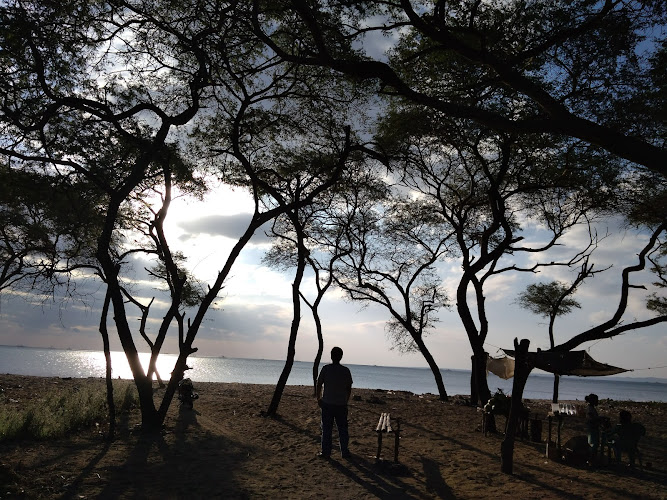
Pantai Manikin stands as one of those coastal gems that doesn't always make it onto the typical tourist circuit, and honestly, that's part of its charm. This national reserve and beach attraction offers visitors a genuine slice of unspoiled coastline where the emphasis sits firmly on natural beauty rather than commercial development. The beach itself stretches along the shore with a raw, authentic character that I find increasingly rare these days. What strikes most people when they first arrive is the sense of space and tranquility. Unlike some of the more crowded beach destinations, Pantai Manikin maintains that protected status which means development has been kept intentionally minimal. You won't find rows of beach clubs or loud music pumping from bars here. Instead, what you get is the sound of waves, the feel of sand beneath your feet, and the kind of peace that makes you remember why you started traveling in the first place. The reserve designation means the surrounding ecosystem remains largely intact, creating opportunities for visitors who appreciate nature alongside their beach time. The coastal vegetation provides natural shade in certain areas, and the overall atmosphere leans toward relaxation and contemplation rather than party vibes. It's the kind of place where families spread out picnic blankets, couples take long walks along the shoreline, and solo travelers find that headspace they've been searching for. Now, I'll be straight with you—this isn't a luxury resort destination. The facilities are basic but functional, which some visitors absolutely love and others find less appealing. The beach attracts people who value authenticity over amenities, and if you're the type who needs perfectly manicured surroundings and full service, this might not be your ideal spot.Key Features
- Protected national reserve status ensuring environmental conservation and limited commercial development
- Designated picnic areas complete with tables making it perfect for family gatherings and outdoor meals
- Cycling lanes that allow visitors to explore the coastal area on two wheels safely
- Dog-friendly policy welcoming four-legged companions to enjoy the beach alongside their owners
- Public restroom facilities available for visitor convenience
- Family-oriented atmosphere with safe conditions suitable for children
- Natural coastline with minimal artificial structures preserving the authentic beach experience
- Opportunities for nature observation within the reserve's protected ecosystem
- Open spaces ideal for recreational activities like frisbee, beach games, or simply stretching out
- Less crowded environment compared to commercial beach destinations in the region
Best Time to Visit
Timing your visit to Pantai Manikin can honestly make or break your experience, and I've learned this through trial and error at similar coastal reserves. The dry season typically offers the most reliable weather conditions, with calmer seas and clearer skies that make beach activities more enjoyable. You'll want to check local weather patterns specific to the region, but generally speaking, avoiding the heaviest rain periods will serve you well. Early mornings at Pantai Manikin are something special. The beach hasn't heated up yet, the light is gorgeous for photography, and you'll often have significant stretches of sand practically to yourself. I'm talking about that golden hour just after sunrise when everything feels fresh and new. If you're someone who values solitude and wants those perfect Instagram shots without random strangers photobombing your frame, this is your window. Weekdays versus weekends makes a considerable difference here. Like most beach destinations accessible to local populations, Pantai Manikin sees heavier traffic on Saturdays and Sundays when families and groups descend for day trips. If your schedule allows flexibility, visiting Tuesday through Thursday typically provides a more peaceful experience with better access to the picnic tables and facilities. The late afternoon period, particularly an hour or two before sunset, brings another magical time window. The temperature becomes more comfortable, especially if you've been dealing with intense midday heat. Many locals time their visits for this period, bringing picnic dinners and settling in to watch the day transition to evening. But be prepared—this also means you won't be alone, though the crowd is usually manageable. Public holidays and school vacation periods predictably increase visitor numbers. If you're traveling during these times, adjust your expectations accordingly and maybe arrive even earlier than you normally would. The reserve can accommodate quite a few people, but the best spots go quickly when everyone's off work or school. Weather patterns beyond just rain matter too. Wind conditions affect beach comfort significantly, and some seasons bring stronger coastal breezes than others. While a gentle breeze feels refreshing, stronger winds can make beach setup challenging and kick up sand that gets absolutely everywhere.How to Get There
Getting to Pantai Manikin requires some planning since its protected status and less commercial nature means it isn't serviced quite as extensively as major tourist beaches. Most visitors arrive by private vehicle, which offers the most flexibility in terms of timing and carrying beach gear, picnic supplies, and any cycling equipment if you plan to use those lanes. The road conditions leading to the beach are generally decent, though this isn't always a smooth highway cruise right up to the sand. Expect some sections that require attentive driving, particularly if you're navigating after rain when certain stretches might become less ideal. A standard car handles the journey fine—you don't need a 4x4 or anything specialized—but drive carefully and follow posted speed limits. If you're relying on public transportation, the situation becomes more complex. Options exist but typically involve combinations of buses or shared vans followed by walking or motorbike taxi for the final stretch. Ask locally for current routes and schedules since these can change, and transportation that runs regularly during peak season might become sporadic during quieter periods. Motorcycle or scooter rental represents a popular middle-ground option for travelers comfortable on two wheels. The journey becomes part of the adventure, you can carry reasonable amounts of gear in a backpack or storage compartment, and parking is straightforward. Just ensure you have proper licensing and adequate insurance coverage. For those staying at nearby accommodations, sometimes tour operators or guesthouses organize day trips to Pantai Manikin. These arranged visits handle transportation logistics and sometimes include guides who can share information about the reserve's ecology and history. The trade-off is less flexibility in your schedule, but for some travelers, that convenience matters more. Parking areas exist near the beach access points, though the term "parking area" might conjure images more organized than reality. You're often dealing with cleared spaces rather than paved lots with marked bays. Arrive early during busy periods to secure reasonable spots, and always ensure you're not blocking access routes or parking in prohibited areas within the reserve. Navigation apps work reasonably well for getting the general route, but the final approach sometimes requires local knowledge or simply following signs. Don't hesitate to ask directions from locals or other travelers you encounter along the way.Tips for Visiting
Bring your own food and plenty of water—this is crucial. The limited commercial development means you won't find vendors lining the beach selling refreshments and snacks. Pack a proper picnic with more supplies than you think you'll need because there's nothing worse than cutting your beach day short due to hunger or thirst. An insulated cooler makes a real difference in keeping things fresh and drinks cold under the sun. Sun protection goes beyond just sunscreen here. The natural shade is limited despite some vegetation, and you'll want to bring umbrellas, pop-up tents, or other portable shade solutions. I learned this the hard way at similar beaches where I underestimated the intensity and ended up resembling a lobster. Reapply sunscreen frequently, wear a hat, and consider protective clothing especially during peak UV hours. Since the beach welcomes dogs, pet owners should bring cleanup bags, water bowls, and everything needed for their furry companions. Even if you don't have a dog, being aware that they're present helps set appropriate expectations. Most owners are responsible, but it's something to know before you visit. The cycling lanes offer great exploration opportunities, but you'll need to bring your own bicycle or arrange rental beforehand. Don't count on finding bike rentals right at the beach itself. If cycling is part of your plan, organize this in advance through your accommodation or rental shops in nearby towns. Cash is king in areas surrounding less developed beaches. Don't assume card payment options for any fees, parking contributions, or small purchases you might make at nearby settlements. ATMs might be distant, so withdraw sufficient cash before heading out. Trash management deserves serious attention. As a protected national reserve, maintaining the environment is everyone's responsibility. Bring garbage bags and pack out everything you pack in. Leave no trace principles apply fully here, and honestly, visitors who care about nature should want to preserve this place for future enjoyment. Basic first aid supplies make sense to have on hand. Minor cuts from shells, jellyfish stings, or typical beach mishaps happen, and you're not near immediate medical facilities. A compact first aid kit with basics like bandages, antiseptic, and pain relievers provides peace of mind. Check tide schedules if you plan water activities. Understanding when high and low tides occur affects how much beach space you have available and swimming conditions. Local knowledge helps here, so don't be shy about asking residents or regular visitors you encounter. The public restrooms are functional but basic, so manage expectations and perhaps bring hand sanitizer and toilet paper just in case supplies run low during busy periods. It's better to have these items and not need them than the reverse situation. Photography enthusiasts should bring protective bags for camera equipment. Sand and saltwater are enemies of electronics, and even small amounts of moisture or grit can cause problems. Those silica gel packets that come with electronics actually serve a purpose in coastal environments. Finally, embrace the simplicity. Pantai Manikin isn't trying to be something it's not. The experience is about connecting with nature, enjoying quality time with companions, and stepping away from over-commercialized tourism. Visitors who arrive understanding this tend to leave satisfied, while those expecting resort-level amenities sometimes feel disappointed. Set your expectations appropriately, and you'll likely find this national reserve beach offers exactly what you didn't know you needed.Key Features
- White-sand beach with clear blue-green water
- Adjacent mangrove stands supporting birdlife and marine nursery areas
- Scattered coral and rock pools suitable for casual snorkeling at low tide
- Close proximity to Kupang city—easy short drive from urban center
- Low visitor numbers and simple local food stalls for an authentic experience
More Details
Updated January 17, 2026
Table of Contents
Description
Pantai Manikin stands as one of those coastal gems that doesn’t always make it onto the typical tourist circuit, and honestly, that’s part of its charm. This national reserve and beach attraction offers visitors a genuine slice of unspoiled coastline where the emphasis sits firmly on natural beauty rather than commercial development. The beach itself stretches along the shore with a raw, authentic character that I find increasingly rare these days.
What strikes most people when they first arrive is the sense of space and tranquility. Unlike some of the more crowded beach destinations, Pantai Manikin maintains that protected status which means development has been kept intentionally minimal. You won’t find rows of beach clubs or loud music pumping from bars here. Instead, what you get is the sound of waves, the feel of sand beneath your feet, and the kind of peace that makes you remember why you started traveling in the first place.
The reserve designation means the surrounding ecosystem remains largely intact, creating opportunities for visitors who appreciate nature alongside their beach time. The coastal vegetation provides natural shade in certain areas, and the overall atmosphere leans toward relaxation and contemplation rather than party vibes. It’s the kind of place where families spread out picnic blankets, couples take long walks along the shoreline, and solo travelers find that headspace they’ve been searching for.
Now, I’ll be straight with you—this isn’t a luxury resort destination. The facilities are basic but functional, which some visitors absolutely love and others find less appealing. The beach attracts people who value authenticity over amenities, and if you’re the type who needs perfectly manicured surroundings and full service, this might not be your ideal spot.
Key Features
- Protected national reserve status ensuring environmental conservation and limited commercial development
- Designated picnic areas complete with tables making it perfect for family gatherings and outdoor meals
- Cycling lanes that allow visitors to explore the coastal area on two wheels safely
- Dog-friendly policy welcoming four-legged companions to enjoy the beach alongside their owners
- Public restroom facilities available for visitor convenience
- Family-oriented atmosphere with safe conditions suitable for children
- Natural coastline with minimal artificial structures preserving the authentic beach experience
- Opportunities for nature observation within the reserve’s protected ecosystem
- Open spaces ideal for recreational activities like frisbee, beach games, or simply stretching out
- Less crowded environment compared to commercial beach destinations in the region
Best Time to Visit
Timing your visit to Pantai Manikin can honestly make or break your experience, and I’ve learned this through trial and error at similar coastal reserves. The dry season typically offers the most reliable weather conditions, with calmer seas and clearer skies that make beach activities more enjoyable. You’ll want to check local weather patterns specific to the region, but generally speaking, avoiding the heaviest rain periods will serve you well.
Early mornings at Pantai Manikin are something special. The beach hasn’t heated up yet, the light is gorgeous for photography, and you’ll often have significant stretches of sand practically to yourself. I’m talking about that golden hour just after sunrise when everything feels fresh and new. If you’re someone who values solitude and wants those perfect Instagram shots without random strangers photobombing your frame, this is your window.
Weekdays versus weekends makes a considerable difference here. Like most beach destinations accessible to local populations, Pantai Manikin sees heavier traffic on Saturdays and Sundays when families and groups descend for day trips. If your schedule allows flexibility, visiting Tuesday through Thursday typically provides a more peaceful experience with better access to the picnic tables and facilities.
The late afternoon period, particularly an hour or two before sunset, brings another magical time window. The temperature becomes more comfortable, especially if you’ve been dealing with intense midday heat. Many locals time their visits for this period, bringing picnic dinners and settling in to watch the day transition to evening. But be prepared—this also means you won’t be alone, though the crowd is usually manageable.
Public holidays and school vacation periods predictably increase visitor numbers. If you’re traveling during these times, adjust your expectations accordingly and maybe arrive even earlier than you normally would. The reserve can accommodate quite a few people, but the best spots go quickly when everyone’s off work or school.
Weather patterns beyond just rain matter too. Wind conditions affect beach comfort significantly, and some seasons bring stronger coastal breezes than others. While a gentle breeze feels refreshing, stronger winds can make beach setup challenging and kick up sand that gets absolutely everywhere.
How to Get There
Getting to Pantai Manikin requires some planning since its protected status and less commercial nature means it isn’t serviced quite as extensively as major tourist beaches. Most visitors arrive by private vehicle, which offers the most flexibility in terms of timing and carrying beach gear, picnic supplies, and any cycling equipment if you plan to use those lanes.
The road conditions leading to the beach are generally decent, though this isn’t always a smooth highway cruise right up to the sand. Expect some sections that require attentive driving, particularly if you’re navigating after rain when certain stretches might become less ideal. A standard car handles the journey fine—you don’t need a 4×4 or anything specialized—but drive carefully and follow posted speed limits.
If you’re relying on public transportation, the situation becomes more complex. Options exist but typically involve combinations of buses or shared vans followed by walking or motorbike taxi for the final stretch. Ask locally for current routes and schedules since these can change, and transportation that runs regularly during peak season might become sporadic during quieter periods.
Motorcycle or scooter rental represents a popular middle-ground option for travelers comfortable on two wheels. The journey becomes part of the adventure, you can carry reasonable amounts of gear in a backpack or storage compartment, and parking is straightforward. Just ensure you have proper licensing and adequate insurance coverage.
For those staying at nearby accommodations, sometimes tour operators or guesthouses organize day trips to Pantai Manikin. These arranged visits handle transportation logistics and sometimes include guides who can share information about the reserve’s ecology and history. The trade-off is less flexibility in your schedule, but for some travelers, that convenience matters more.
Parking areas exist near the beach access points, though the term “parking area” might conjure images more organized than reality. You’re often dealing with cleared spaces rather than paved lots with marked bays. Arrive early during busy periods to secure reasonable spots, and always ensure you’re not blocking access routes or parking in prohibited areas within the reserve.
Navigation apps work reasonably well for getting the general route, but the final approach sometimes requires local knowledge or simply following signs. Don’t hesitate to ask directions from locals or other travelers you encounter along the way.
Tips for Visiting
Bring your own food and plenty of water—this is crucial. The limited commercial development means you won’t find vendors lining the beach selling refreshments and snacks. Pack a proper picnic with more supplies than you think you’ll need because there’s nothing worse than cutting your beach day short due to hunger or thirst. An insulated cooler makes a real difference in keeping things fresh and drinks cold under the sun.
Sun protection goes beyond just sunscreen here. The natural shade is limited despite some vegetation, and you’ll want to bring umbrellas, pop-up tents, or other portable shade solutions. I learned this the hard way at similar beaches where I underestimated the intensity and ended up resembling a lobster. Reapply sunscreen frequently, wear a hat, and consider protective clothing especially during peak UV hours.
Since the beach welcomes dogs, pet owners should bring cleanup bags, water bowls, and everything needed for their furry companions. Even if you don’t have a dog, being aware that they’re present helps set appropriate expectations. Most owners are responsible, but it’s something to know before you visit.
The cycling lanes offer great exploration opportunities, but you’ll need to bring your own bicycle or arrange rental beforehand. Don’t count on finding bike rentals right at the beach itself. If cycling is part of your plan, organize this in advance through your accommodation or rental shops in nearby towns.
Cash is king in areas surrounding less developed beaches. Don’t assume card payment options for any fees, parking contributions, or small purchases you might make at nearby settlements. ATMs might be distant, so withdraw sufficient cash before heading out.
Trash management deserves serious attention. As a protected national reserve, maintaining the environment is everyone’s responsibility. Bring garbage bags and pack out everything you pack in. Leave no trace principles apply fully here, and honestly, visitors who care about nature should want to preserve this place for future enjoyment.
Basic first aid supplies make sense to have on hand. Minor cuts from shells, jellyfish stings, or typical beach mishaps happen, and you’re not near immediate medical facilities. A compact first aid kit with basics like bandages, antiseptic, and pain relievers provides peace of mind.
Check tide schedules if you plan water activities. Understanding when high and low tides occur affects how much beach space you have available and swimming conditions. Local knowledge helps here, so don’t be shy about asking residents or regular visitors you encounter.
The public restrooms are functional but basic, so manage expectations and perhaps bring hand sanitizer and toilet paper just in case supplies run low during busy periods. It’s better to have these items and not need them than the reverse situation.
Photography enthusiasts should bring protective bags for camera equipment. Sand and saltwater are enemies of electronics, and even small amounts of moisture or grit can cause problems. Those silica gel packets that come with electronics actually serve a purpose in coastal environments.
Finally, embrace the simplicity. Pantai Manikin isn’t trying to be something it’s not. The experience is about connecting with nature, enjoying quality time with companions, and stepping away from over-commercialized tourism. Visitors who arrive understanding this tend to leave satisfied, while those expecting resort-level amenities sometimes feel disappointed. Set your expectations appropriately, and you’ll likely find this national reserve beach offers exactly what you didn’t know you needed.
Key Highlights
- White-sand beach with clear blue-green water
- Adjacent mangrove stands supporting birdlife and marine nursery areas
- Scattered coral and rock pools suitable for casual snorkeling at low tide
- Close proximity to Kupang city—easy short drive from urban center
- Low visitor numbers and simple local food stalls for an authentic experience
Location
Places to Stay Near Pantai Manikin
Find and Book a Tour
Explore More Travel Guides
No reviews found! Be the first to review!
Traveler Reviews for Pantai Manikin
There are no reviews yet. Be the first one to write one.
Have you visited Pantai Manikin? Help other travelers by sharing your review.
Nearby Attractions
You Might Also Like
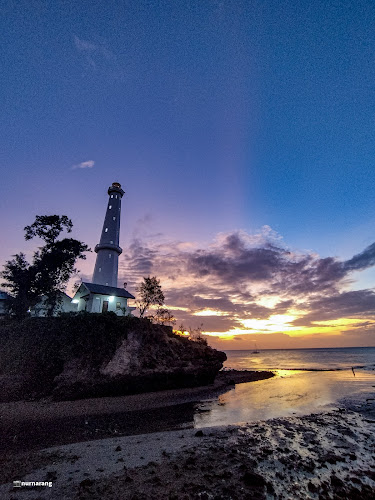
Pantai Koepan LLBK
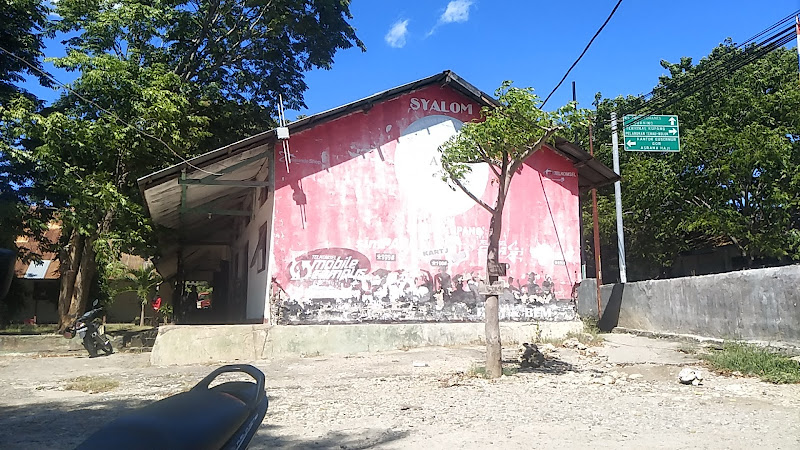
STAKN KUPANG

Kupang
Find Accommodations Nearby
Recommended Tours & Activities
Visitor Reviews
There are no reviews yet. Be the first one to write one.
Share Your Experience
Have you visited Pantai Manikin? Help other travelers by leaving a review.