
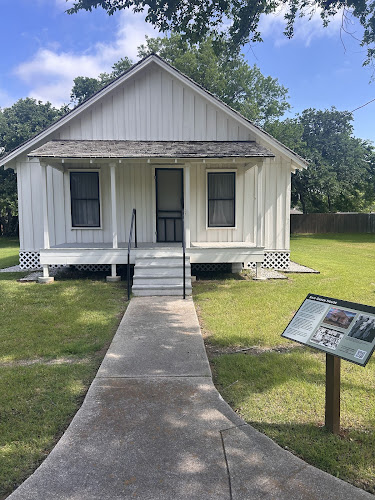
Jackie Townsell Bear Creek Heritage Museum
About Jackie Townsell Bear Creek Heritage Museum
Description
The Jackie Townsell Bear Creek Heritage Museum is a focused, community-rooted heritage center in Irving, Texas that preserves and interprets the layered history of the Bear Creek community and the African-American experience across more than a century. At its core are three distinct museum spaces that together map a journey from emancipation through Reconstruction, the rise and life of a tight-knit community, and the turbulent, transformative decades of the 1950s and 1960s civil rights era. It is the kind of place that rewards slow walking, curiosity, and a willingness to listen—there is storytelling embedded in the walls, and artifacts everywhere that nudge a visitor to pay attention.
Unlike a mega-museum that overwhelms with scale, this heritage center works by accumulation: small things piled with context until a large, human story emerges. Visitors will find photographs, family documents, letters, school records, church registers, and everyday objects—kitchen tools, schoolbooks, clothing—that together sketch family histories, migration patterns, and community institutions. These exhibits are not decorative; they are primary evidence of lives lived under shifting social and political pressures. The displays connect local events to national movements, showing how a neighborhood in Irving linked up with broader African-American struggles for education, voting rights, and equal treatment.
What distinguishes the Jackie Townsell Bear Creek Heritage Museum from many other local history sites is its emphasis on lived experience. Oral histories take center stage; recorded interviews, transcribed recollections, and guided tours led by people who have deep roots in Bear Creek lend immediacy and personality to the displays. That human voice makes the past feel less dusty. There is also a deliberate effort to document institutions that mattered—schools, churches, social clubs, and cemeteries—so a visitor can follow the institutions as anchors of community life. For educators and students, that emphasis makes the museum especially useful: primary sources are arranged in ways that invite analysis rather than passive viewing.
Accessibility and community service are part of the museum's practical identity. The site offers wheelchair-accessible entrances, parking, and restroom facilities, and it's known for being family-friendly and good for children who are curious about local history. Tours are available, often guided by volunteers or staff with direct ties to Bear Creek; those tours add context and frequently include stories that never made it into textbooks. A modest gift shop offers reproductions, books, and mementos, a small but meaningful way to support the center while taking a fragment of the story home.
There is a clear educational mission—this is a place for school groups, historical societies, and researchers—but the center also works as a gentle, reflective stop for travelers in the Dallas–Fort Worth area who want something different from the usual attractions. It sits within a region with abundant cultural offerings, yet it offers a narrower, deeper look into one community's arc. The museum’s curatorial approach tends to favor narrative over spectacle: simple exhibit cases, careful labeling, and annotated timelines that lead the visitor step by step through difficult topics like segregation, land loss, and the fight for civil rights. That makes it both accessible for people encountering the subject for the first time and rich enough for repeat visits by locals who keep discovering new details.
Some elements may surprise first-time visitors. For example, the museum highlights how Bear Creek residents maintained educational institutions and mutual aid networks long before widespread public support existed. There are surprising artifacts—diplomas, hand-made quilts with names stitched on them, program leaflets from church meetings—that reveal the invisible labor that sustained community cohesion. And there is a quieter kind of exhibit too: a small room dedicated to cemetery records and family plots, which offers genealogists a trove of information and a somber, moving reminder of generational continuity.
Programming is practical and community-centered. Workshops, school outreach, lecture series, and occasional exhibits or reunions bring the center alive on particular days, but many visitors prize the steady, unflashy presentations that form its backbone. It is not trying to be an entertainment venue—rather, it is an archival and interpretive site that opens doors into personal and collective memory. For visitors who like to dig, staff and volunteers can often point to long-form resources and community contacts for deeper research. Researchers have found the museum an unexpectedly efficient starting point when tracking regional African-American histories in Dallas County and the surrounding North Texas area.
In terms of atmosphere, the Jackie Townsell Bear Creek Heritage Museum feels personal. The scale is human, and the tone is one of stewardship rather than showmanship. That matters, because the history on display is intimate. It is about churches where generations worshipped, schools where children learned despite limited resources, and families who built lives with ingenuity and mutual support. The curators do not shy away from uncomfortable truths—land dispossession, discriminatory laws, and the realities of segregation are presented plainly—and that candor is one of the museum’s strengths. Visitors leave with a better understanding of how national policies landed in local lives.
For the traveler who seeks meaningful context while visiting Irving or the wider Dallas–Fort Worth area, the museum offers an experience that lingers. It provides a concrete counterpoint to more generalized historical narratives, anchoring big themes in small, tangible objects. If someone prefers flashy multimedia installations, they might find this place understated. But if someone wants story-rich exhibits, primary sources, and personal interpretation that connects the Bear Creek community to the larger African-American experience from emancipation to civil rights, this center delivers in a way that is both respectful and revelatory.
Finally, the Jackie Townsell Bear Creek Heritage Museum stands as a reminder that heritage work is ongoing. New donations arrive, family histories are still being recorded, and volunteer efforts continue to shape the collection. That makes each visit a little different; there’s often a new photograph added to a wall, a newly digitized oral history, or an event that brings past and present into conversation. In short, this is a living heritage site: modest, earnest, and full of human stories that travel far beyond Irving itself.
Key Features
More Details
Updated August 29, 2025
Table of Contents
Description
The Jackie Townsell Bear Creek Heritage Museum is a focused, community-rooted heritage center in Irving, Texas that preserves and interprets the layered history of the Bear Creek community and the African-American experience across more than a century. At its core are three distinct museum spaces that together map a journey from emancipation through Reconstruction, the rise and life of a tight-knit community, and the turbulent, transformative decades of the 1950s and 1960s civil rights era. It is the kind of place that rewards slow walking, curiosity, and a willingness to listen—there is storytelling embedded in the walls, and artifacts everywhere that nudge a visitor to pay attention.
Unlike a mega-museum that overwhelms with scale, this heritage center works by accumulation: small things piled with context until a large, human story emerges. Visitors will find photographs, family documents, letters, school records, church registers, and everyday objects—kitchen tools, schoolbooks, clothing—that together sketch family histories, migration patterns, and community institutions. These exhibits are not decorative; they are primary evidence of lives lived under shifting social and political pressures. The displays connect local events to national movements, showing how a neighborhood in Irving linked up with broader African-American struggles for education, voting rights, and equal treatment.
What distinguishes the Jackie Townsell Bear Creek Heritage Museum from many other local history sites is its emphasis on lived experience. Oral histories take center stage; recorded interviews, transcribed recollections, and guided tours led by people who have deep roots in Bear Creek lend immediacy and personality to the displays. That human voice makes the past feel less dusty. There is also a deliberate effort to document institutions that mattered—schools, churches, social clubs, and cemeteries—so a visitor can follow the institutions as anchors of community life. For educators and students, that emphasis makes the museum especially useful: primary sources are arranged in ways that invite analysis rather than passive viewing.
Accessibility and community service are part of the museum’s practical identity. The site offers wheelchair-accessible entrances, parking, and restroom facilities, and it’s known for being family-friendly and good for children who are curious about local history. Tours are available, often guided by volunteers or staff with direct ties to Bear Creek; those tours add context and frequently include stories that never made it into textbooks. A modest gift shop offers reproductions, books, and mementos, a small but meaningful way to support the center while taking a fragment of the story home.
There is a clear educational mission—this is a place for school groups, historical societies, and researchers—but the center also works as a gentle, reflective stop for travelers in the Dallas–Fort Worth area who want something different from the usual attractions. It sits within a region with abundant cultural offerings, yet it offers a narrower, deeper look into one community’s arc. The museum’s curatorial approach tends to favor narrative over spectacle: simple exhibit cases, careful labeling, and annotated timelines that lead the visitor step by step through difficult topics like segregation, land loss, and the fight for civil rights. That makes it both accessible for people encountering the subject for the first time and rich enough for repeat visits by locals who keep discovering new details.
Some elements may surprise first-time visitors. For example, the museum highlights how Bear Creek residents maintained educational institutions and mutual aid networks long before widespread public support existed. There are surprising artifacts—diplomas, hand-made quilts with names stitched on them, program leaflets from church meetings—that reveal the invisible labor that sustained community cohesion. And there is a quieter kind of exhibit too: a small room dedicated to cemetery records and family plots, which offers genealogists a trove of information and a somber, moving reminder of generational continuity.
Programming is practical and community-centered. Workshops, school outreach, lecture series, and occasional exhibits or reunions bring the center alive on particular days, but many visitors prize the steady, unflashy presentations that form its backbone. It is not trying to be an entertainment venue—rather, it is an archival and interpretive site that opens doors into personal and collective memory. For visitors who like to dig, staff and volunteers can often point to long-form resources and community contacts for deeper research. Researchers have found the museum an unexpectedly efficient starting point when tracking regional African-American histories in Dallas County and the surrounding North Texas area.
In terms of atmosphere, the Jackie Townsell Bear Creek Heritage Museum feels personal. The scale is human, and the tone is one of stewardship rather than showmanship. That matters, because the history on display is intimate. It is about churches where generations worshipped, schools where children learned despite limited resources, and families who built lives with ingenuity and mutual support. The curators do not shy away from uncomfortable truths—land dispossession, discriminatory laws, and the realities of segregation are presented plainly—and that candor is one of the museum’s strengths. Visitors leave with a better understanding of how national policies landed in local lives.
For the traveler who seeks meaningful context while visiting Irving or the wider Dallas–Fort Worth area, the museum offers an experience that lingers. It provides a concrete counterpoint to more generalized historical narratives, anchoring big themes in small, tangible objects. If someone prefers flashy multimedia installations, they might find this place understated. But if someone wants story-rich exhibits, primary sources, and personal interpretation that connects the Bear Creek community to the larger African-American experience from emancipation to civil rights, this center delivers in a way that is both respectful and revelatory.
Finally, the Jackie Townsell Bear Creek Heritage Museum stands as a reminder that heritage work is ongoing. New donations arrive, family histories are still being recorded, and volunteer efforts continue to shape the collection. That makes each visit a little different; there’s often a new photograph added to a wall, a newly digitized oral history, or an event that brings past and present into conversation. In short, this is a living heritage site: modest, earnest, and full of human stories that travel far beyond Irving itself.
Key Highlights
Jackie Townsell Bear Creek Heritage Museum
Location
Places to Stay Near Jackie Townsell Bear Creek Heritage Museum
Find and Book a Tour
Explore More Travel Guides
No reviews found! Be the first to review!
Traveler Reviews for Jackie Townsell Bear Creek Heritage Museum
There are no reviews yet. Be the first one to write one.
Have you visited Jackie Townsell Bear Creek Heritage Museum? Help other travelers by sharing your review.
You Might Also Like
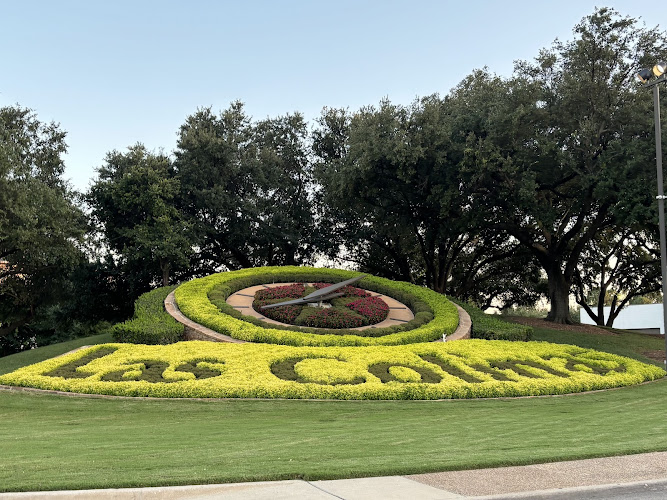
Las Colinas Flower Clock

Running Bear Park
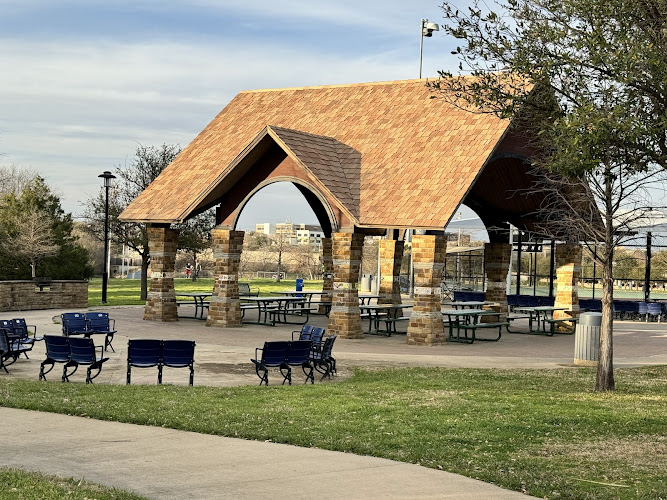
Cottonwood Creek Park
Find Accommodations Nearby
Recommended Tours & Activities
Visitor Reviews
There are no reviews yet. Be the first one to write one.
Share Your Experience
Have you visited Jackie Townsell Bear Creek Heritage Museum? Help other travelers by leaving a review.