 Real Journey Travels
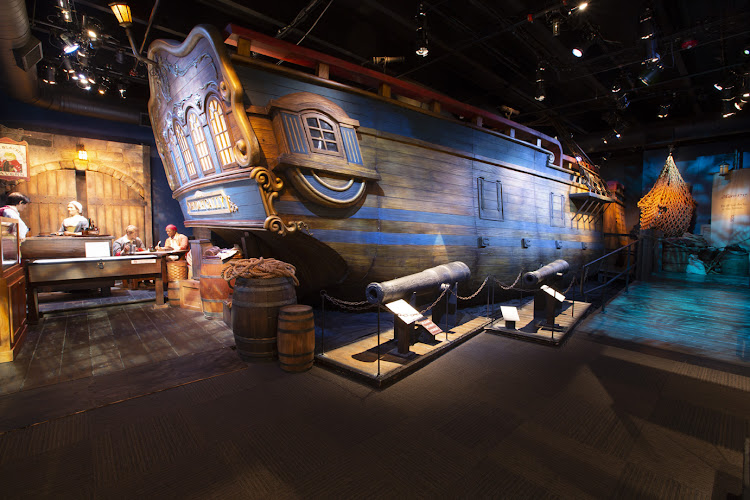
The collection centers on items salvaged from the Whydah Gally, the only authenticated pirate shipwreck ever found, and includes coins, personal items, weaponry, and everyday objects that belonged to sailors and, tragically, to enslaved people. The museum presents these finds with a mix of archaeology, conservation science, and storytelling — so visitors see not only glittering treasure but the material evidence that helps historians reconstruct life at sea during the golden age of piracy.
The museum leans into both entertainment and education. Exhibits move between exciting displays of recovered treasure and sober interpretation of the ship’s role in the transatlantic slave trade and 18th-century maritime life. There are theatrical elements, short films, and live performances that punctuate the galleries; at times it feels like a history lesson and a show, and that’s intentional. The layout is compact — visitors typically spend 60 to 120 minutes — but the density of artifacts makes that time feel rich. A lot of people come expecting flowery pirate myths; what they leave with is more complicated, sometimes uncomfortable, and often surprisingly moving.
Visitors should know this is as much a conservation and science project as it is a tourist spot. The recovery work involved underwater archaeology, lab-based conservation, and decades of research. Many objects on display arrived after painstaking desalination and treatment, and the museum highlights those processes so you can get a glimpse of modern conservation methods. It’s not just about treasure; it’s about how shipwrecks teach us about trade, lawlessness, labor, and the global networks of the 1700s.
Fair warning: reactions vary. Most guests come away impressed with the authenticity and impressed by the dramatic finds. Some find the exhibits smaller than they expected, or wish for deeper academic context in places. Others point out that the subject is heavy — the slave trade is part of this ship’s story — and the museum treats it head-on, which can surprise families who arrived hoping for a lighthearted pirate romp. Overall, the place works best for curious travelers who like a little complexity with their treasure hunt.
Key Features
- Active military discounts available — check on arrival for eligibility
- Onsite services and staffed conservation displays that emphasize the science behind the recovery
Best Time to Visit
For most travelers the shoulder seasons of late spring (May to early June) and early fall (September to mid-October) offer the sweet spot: milder Cape Cod weather, fewer crowds, and an easier time getting nearby parking or dining reservations. Summer is peak season for Cape Cod — the museum gets busy, and weekends can be crowded, especially with families enjoying beach days. If a calm, reflective visit appeals, aim for weekday mornings right at opening. The first hour after opening usually has fewer visitors and quieter galleries.
Visitors who like performances should check the museum’s daily schedule before going — live shows and theatrical pieces run at specific times, and they can add 20 to 40 minutes to a visit if attended. If someone wants to pair the museum with a beach afternoon, plan to arrive early; spend 60–120 minutes inside, then head to a nearby shoreline. Also note that some special exhibits or events may run seasonally, so a fall or winter trip might miss live programming but can include intimate curator talks or off-season pricing.
How to Get There
The museum sits in West Yarmouth on Cape Cod and is easily accessed by car. It’s located near a major local route along the mid-Cape corridor, so driving is the simplest option for most visitors. There is parking on site, including accessible spaces; still, during summer weekends parking can fill up fast, so plan accordingly. For travelers coming from Boston, Providence, or nearby cities, the drive across the Sagamore or Bourne bridges takes around 1.5 to 2 hours depending on traffic — Cape Cod traffic can be sluggish in peak season, so allow extra time.
Public transportation options are more limited. Seasonal shuttles and regional bus services do run across the Cape, but they tend to have fewer stops and can be time-consuming. If relying on transit, check local Cape Cod transit schedules in advance and plan for a short walk or rideshare from the nearest stop. Rideshare and taxi services operate across the Cape; for visitors who prefer not to drive, combining a train or bus to Hyannis with a local taxi or shuttle is a workable approach. Rental cars are common for travelers who want flexibility to explore multiple Cape Cod attractions in a single day.
Tips for Visiting
Plan for a 60–120 minute visit. It’s compact but information-dense. People who try to breeze through may miss the conservation displays that tell the inland story of how artifacts are saved and studied.
Check the performance schedule. Live theater and short films are part of the museum’s personality — they can elevate the experience, but only if the visitor times it. Theater segments are short, so they won’t eat an entire afternoon, but they do add a narrative layer that many travelers appreciate.
Bring kids but prep them. The museum is geared to families and has kid-friendly activities, but the subject matter includes the slave trade. A quick pre-visit chat can help set expectations. The exhibits do an honest job addressing that painful history, and many families find the experience educational and important.
Ask about guided tours. If someone loves history or archaeology, a docent tour is worth the extra few minutes; guides often share behind-the-scenes stories and point out details that casual visitors miss. Tours can also clarify controversial or complicated aspects of the Whydah story in ways that make the museum’s interpretive choices clearer.
Use the accessibility features. The museum provides assisted listening devices and has wheelchair-accessible entrances and restrooms. Those who need accommodations should mention them at the front desk — staff are usually helpful and oriented to making the visit easier.
Budget for admission and souvenirs. There is an admission fee and a gift shop carrying replicas, books, and educational items. There is no full-service restaurant on site, so if hunger is likely, plan to eat nearby or pack snacks. Restrooms are available inside the facility.
Expect a mix of science and showmanship. The museum blends careful conservation science with a theatrical approach to storytelling. If a visitor is hoping for pure academic depth, some displays may feel introductory; conversely, if someone expects pure entertainment, they’ll encounter sober history too. The balance is deliberate — and it works for many people.
Consider combining the visit with other Cape Cod highlights. Since the museum is in West Yarmouth, many travelers pair it with beaches, lighthouses, whale-watching excursions out of nearby harbors, and the broader colonial history of the region. It’s an easy cultural stop that complements outdoor Cape Cod days.
One last, slightly nerdy tip: take time with the small objects. Coins, buttons, and personal items are tiny but powerful time-travel tools; the writer (yes, the same person who edits travel blurbs) once stood for a long time in front of a small leather shoe found in the wreck and found it unexpectedly moving. It reminds you these were real lives, messy and complicated — and you can literally see the wear on a button and imagine hands that used it. Museums like this do that work for you; linger where curiosity tugs.


