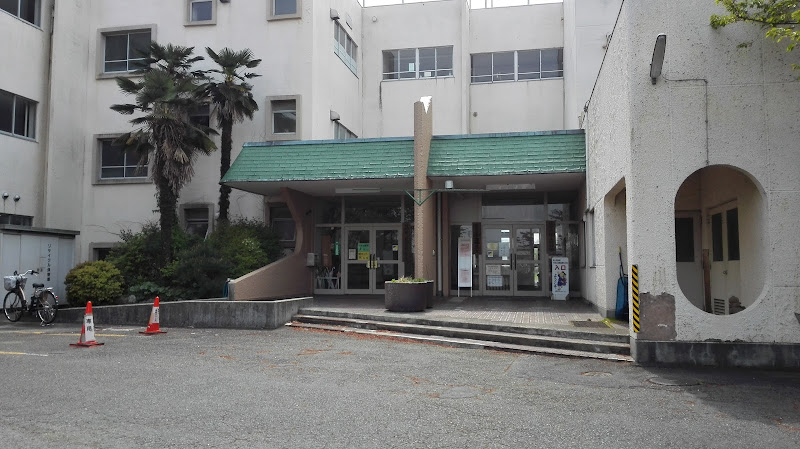
Unlike the big, flashy institutions in central Tokyo, this local history museum emphasizes close-up, human-scale narratives: family life, farming practices, local crafts, and everyday objects that stitched the community together over the decades. Visitors who enjoy detail—little relics that reveal big changes—will find the exhibits especially rewarding.
On arrival, the layout reads as intentional and approachable. Exhibits are arranged to guide a visitor through time and place, with a mix of artifacts, photographs, and explanatory panels. There is an emphasis on interpretation rather than spectacle: the displays prioritize context and stories over dazzling technology. That makes it an ideal stop for travelers who want to understand how a Tokyo suburb grew, adapted, and kept its local identity amid urban pressure.
Accessibility is handled thoughtfully here. The building provides a wheelchair accessible entrance, parking, and restroom facilities, so guests with mobility needs can move through the space without constantly worrying about stairs or narrow passages. That practical attention to detail shows up in the rest of the visitor experience—clear signage, gentle lighting, and seating areas in the exhibition rooms where one can pause and read at leisure.
Families will appreciate that the museum is genuinely good for kids. Hands-on learning corners and child-friendly explanations appear at regular intervals, so a family can linger without the usual museum restlessness. The exhibits include tactile elements and scale models that help younger visitors connect to local history instead of just looking at glass cases. Parents have reported that the museum is a surprisingly effective place to engage curious little minds—children leave with more questions than boredom, which, let’s be honest, is a victory.
There is, however, no full-service restaurant on site. Expect to find restrooms but not a place for a leisurely lunch inside the museum. That means planning ahead is wise: pack a light picnic, scope out nearby cafes, or combine this visit with a stop at a local eatery after exploring. The absence of a restaurant keeps the museum compact and intimate, but it does require a bit of forethought from visitors who assume every museum will have dining facilities.
The tone of the museum is quietly proud—curatorial choices favor local voices and local artifacts. Visitors will see tools, household items, maps, and photographs that were once ordinary and are now potent reminders of daily life in earlier times. For anyone fascinated by urban development, the displays that trace the transformation of Hino from agricultural land to a suburban community are particularly illuminating. The museum does a good job showing how rail lines, roads, and changing industry reshaped livelihoods and the landscape.
What sets this place apart from many other local museums are the small, unexpected moments that reveal personality. A handwritten ledger here, a child’s school satchel there—the museum doesn’t shy away from intimate details. Those slices of personal history are where the local flavor hangs. A visitor who lingers over a single case for ten minutes will likely leave with an image that stays with them longer than any panoramic photograph of a city skyline.
Practical information is presented clearly and without fuss; the museum aims to be useful to the traveler rather than dazzling. Exhibit text is in Japanese but many panels include English summaries or captions, making it reasonably accessible to international visitors. Staff members are generally helpful and can point out highlights or suggest the best route through the displays if someone is short on time. It’s the kind of place where a friendly curator might pause and share a local anecdote—often the best part of a visit.
For photographers and curious record-keepers, the museum offers quiet corners and lighting conducive to photography for personal use, though visitors should check on any restrictions before using tripods or flash. The atmosphere lends itself well to slow observation; people who rush through will miss the museum’s strongest offerings. So, it’s recommended to build in a full hour—or even an hour and a half—if one wants to read panels, examine artifacts, and enjoy the small displays that reward attention.
There’s a modest rotating display policy, which means repeat visitors or local residents can expect at least occasional new material. Special thematic exhibits sometimes highlight forgotten crafts or noteworthy local figures, and those can be a surprising draw. This willingness to change exhibits keeps the museum relevant to both residents and repeat travelers who may want something beyond the permanent collection on a return visit.
Overall, the Hino City Local History Museum is a low-key but rewarding stop for travelers seeking a grounded, human perspective on Tokyo’s lesser-known neighborhoods. It is not a blockbuster destination, but it is a place where ordinary objects whisper bigger stories about community, resilience, and change. For those who enjoy history that feels lived-in rather than staged, this museum offers a satisfying, contemplative experience that complements more famous Tokyo attractions very nicely.
 Real Journey Travels