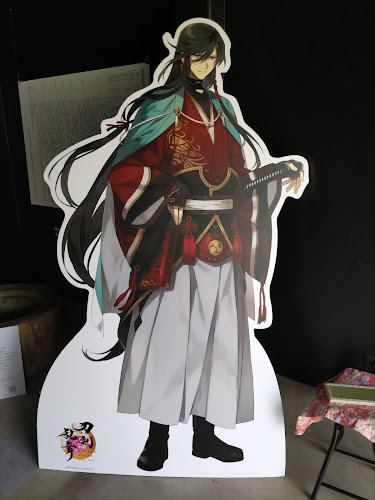
The Hijikata Toshizo Museum in Hino, Japan offers a focused, intimate look at one of the most discussed figures of the late Edo period. It highlights Hijikata Toshizo, the strict vice-commander of the Shinsengumi, through artifacts, documents, and interpretive displays that bring the era to life without the pomp of larger national museums. The exhibition emphasizes the local angle — how Hino and the surrounding Musashi area figured into Hijikata’s story and the broader turbulence of the Bakumatsu years.
Rooms are compact and thoughtfully curated rather than sprawling. Visitors encounter original calligraphy, reproduced battle maps, personal gear and carefully described items that hint at daily life for a samurai in wartime Japan. Panels explain the Shinsengumi’s code, Hijikata’s leadership style, and how local communities were swept into national conflict. Because the museum focuses almost exclusively on Hijikata and his circle, the narrative is tight and accessible. It avoids grand sweeping timelines and instead invites the visitor to linger over small, meaningful objects.
The experience has a certain humility. This is not a flashy tourist trap with gimmicks; it feels like a local effort to preserve memory. Some displays are modest, even worn in places, which gives the place character. For travelers who like depth over spectacle, the museum rewards patience: reading into the details gives a fuller impression of the man behind the legend. The museum’s explanatory materials are primarily in Japanese, so those with a working knowledge of Japanese or a good guide will find a richer experience. At the same time, even without perfect language skills, visuals and well-placed captions make the storyline followable.
Two practical details visitors should know up front: there is no restaurant on-site and the museum does not offer a wheelchair-accessible entrance or accessible parking. These are important to factor into planning, particularly for those traveling with limited mobility or expecting full visitor services. Still, the museum’s warmth often overshadows such limits; local volunteers and staff tend to be helpful and will answer questions when they can.
Overall, the Hijikata Toshizo Museum is a worthwhile stop for history-minded travelers, Shinsengumi enthusiasts, and curious visitors who prefer focused, human-scale museums that encourage reflection rather than rushing. It pairs well with a broader exploration of Hino and the western Tokyo suburbs, especially for those who enjoy discovering lesser-known cultural spots off the usual Tokyo circuit.
Key Features
- Concentrated collection dedicated to Hijikata Toshizo and the Shinsengumi, emphasizing personal artifacts and local historical context
- Original documents, calligraphy, and military-related items that provide tangible links to the Bakumatsu period
- Compact galleries designed for slow discovery; ideal for visitors who like to linger and read
- Interpretive displays that explain Shinsengumi structure, Hijikata’s role, and local connections to national events
- Quiet museum atmosphere, often less crowded than central Tokyo attractions
- No on-site restaurant, so plan meal breaks before or after the visit
- Limited accessibility: museum lacks a wheelchair-accessible entrance and accessible parking; staff are generally helpful when asked
- Small gift area offering modest souvenirs and printed materials for further reading
Best Time to Visit
The museum is best visited during weekday mornings when local foot traffic is light and the gallery space feels almost private. Arriving early gives the chance to read exhibits without a crowd pressing behind, which matters in a small museum where quiet contemplation enhances the experience. Late afternoons can be busier, especially on weekends and during school outings, so mid-morning is a sweet spot.
Seasonally, spring and fall offer pleasant weather for combining the museum with outdoor exploration of Hino. Spring brings nearby cherry blossoms in certain parks — a nice complement to a historical itinerary — and fall offers crisp, comfortable days that encourage walking between sites. Summer can be hot and humid; if visiting then, plan extra time for rest stops and hydration. Winter is quieter and can be rewarding if the visitor doesn’t mind colder temperatures; the small crowds mean more time with each exhibit.
Visitors traveling from Tokyo often find that pairing the museum with a half-day in Hino works well: arrive mid-morning, visit the museum, then explore local temples, small galleries, or cafés in the neighborhood. Doing it this way avoids feeling rushed, and leaves room for a relaxed lunch after the museum visit — remember there is no restaurant inside.
How to Get There
Getting to the Hijikata Toshizo Museum from central Tokyo is straightforward but requires a little planning. The nearest major rail access is via the JR network. From central hubs like Shinjuku or Tokyo, take a JR line toward western Tokyo and transfer as needed to reach Hino. From Hino Station, visitors can walk, take a short local bus, or hire a taxi for the last stretch depending on luggage and mobility needs. Travel time from central Tokyo typically ranges from 30 to 60 minutes depending on transfers and route chosen.
For travelers arriving from the airports, the easiest approach is to first head into central Tokyo and then follow the JR routing described above. Local buses and taxis are available around the station area, but bus schedules can be sparse outside weekday commuter hours, so plan accordingly. If traveling by car, be aware that parking near the museum is limited and the museum itself does not offer wheelchair-accessible parking, so factor in extra time to find suitable parking and to walk a short distance.
A tip: consult current train timetables and local bus information the day before travel. Schedules can shift with seasonal timetables, and the last mile often depends on community routes that operate less frequently than urban transit. If uncertain, a short taxi from the station is a reliable fallback, and local taxi drivers generally know the spot well.
Tips for Visiting
Plan for a compact visit. Most visitors will spend 45 to 90 minutes inside unless they are devouring every caption and archival note. The museum invites deliberate reading, so allocate enough time to absorb the small details that make the story personal rather than just factual.
Bring modest Japanese language skills or a translation app. The interpretive material leans toward Japanese, and while the displays are readable through images and layout, a language aid unlocks deeper context. The author notes that a single line of Japanese annotation often opened a whole new layer of meaning during a visit — little nuggets that reward those who take the time to decipher them.
Prepare for limited services. No on-site restaurant means planning meal stops around your visit. Nearby cafés and convenience stores serve basic needs, but if a sit-down lunch is important, identify options before arriving. Also, carry some cash. Small museums and adjacent shops sometimes prefer cash for purchases.
Accessibility matters. If mobility is a concern, contact the museum ahead of time to ask about assistance. Although the museum lacks a wheelchair-accessible entrance and accessible parking, staff have been known to help arrange temporary solutions when asked politely. Still, those needing step-free access should plan accordingly or consider alternative sites that advertise full accessibility.
Go with curiosity, not expectations. This is not a blockbuster museum; it’s a local memorial with a strong point of view. Visitors who expect theatrical displays or interactive tech might come away disappointed. But those who enjoy quiet, historically focused places will likely leave with a real appreciation for the gritty reality behind the Shinsengumi mythos.
Combine the visit with nearby historical points. Hino and its surroundings hold other markers of the Bakumatsu and Meiji eras. Even a short walk around the neighborhood can reveal temples, small shrines, and plaques that tie into the stories told inside the museum. The writer once took a wrong turn after leaving the museum and discovered a tiny memorial stone under a cedar tree — a small, unexpected way to continue the narrative and a reminder that history often lives in unassuming corners.
Photography rules vary. Expect some displays to be off-limits for photos due to preservation concerns. When in doubt, ask staff. They are generally friendly and will indicate where photography is permitted. Respecting these rules helps the museum preserve fragile artifacts for the next visitor.
Finally, give the visit a little context before arriving. Read a short primer on Hijikata Toshizo or the Shinsengumi to appreciate nuances in the exhibits. A quick background read turns small artifacts into storytelling anchors: a scuffed sword becomes a symbol of a particular skirmish, a handwritten note becomes a glimpse of private worry or leadership style. The museum’s power is in those small, connective moments.
For the traveler who prefers quiet discovery and historical depth, the Hijikata Toshizo Museum is an offbeat, memorable stop. It rewards careful attention and a willingness to step slightly off the beaten path. Just remember: no restaurant inside, limited accessibility, and plan your timing. Do those things and the visit will feel less like a detour and more like a proper addition to a thoughtful Japan itinerary.
 Real Journey Travels