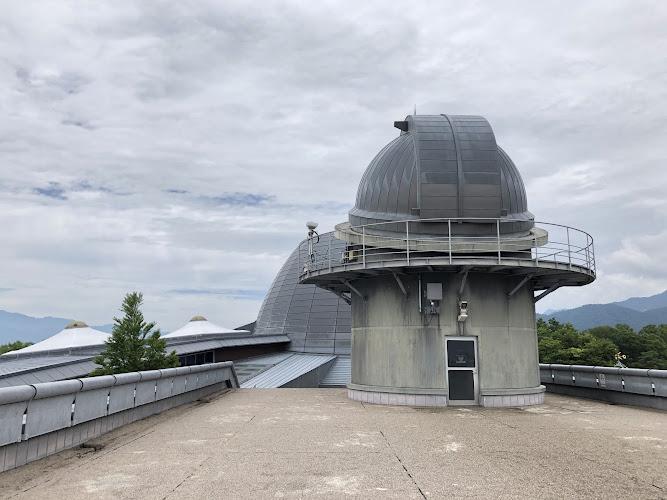
It is a park-based science museum with an emphasis on hands-on learning and discovery; children and adults alike are encouraged to prod, press, and puzzle their way through exhibits rather than just stare at them. The planetarium is the museum’s crown jewel — a dark dome that consistently draws oohs and ahhs for its crisp star fields and accessible astronomy shows.
Visitors will notice right away that this is not a solemn, hushed hall of static displays. Instead, the atmosphere is friendly, a little busy depending on the day, and built for experimentation. The museum blends basic physics, earth science, and astronomy with interactive stations designed for younger kids, as well as deeper explanations and demonstrations for curious teens and adults. It sits within a park, so the visit can easily spill outside: kids can run a little, adults can appreciate the greenery, and families can make a day of it without the pressure of a strict schedule.
The writer remembers a slow rainy afternoon there many years back when the planetarium show transformed what could have been a damp disappointment into a luminous, intimate experience. The dome’s projector painted constellations on the ceiling in a way that felt both scientific and gently poetic. And yes, the museum has a small permanent exhibit that highlights local geology and the region’s relationship with Mount Fuji — it’s presented in an approachable way, not heavy on jargon. For people traveling through Kofu and wanting a meaningful indoor activity with educational value, the museum reliably hits the mark.
Accessibility is thoughtfully handled: entrances, parking, and restrooms provide wheelchair access, and the facility offers changing tables for families with infants. Practical amenities include a restaurant for refueling, public restrooms throughout, and Wi-Fi, which makes it easier to plan the rest of a day’s sightseeing or post the obligatory family photo. The balance of child-centered activities and more sophisticated science content makes the museum useful for school groups, solo travelers with an interest in astronomy, and families looking to entertain both toddlers and older kids in one place.
Best Time to Visit
The museum is pleasant year-round, but timing makes a real difference in comfort and experience. Weekday mornings are the sweet spot: it tends to be quieter, staff can spend more time explaining exhibits, and planetarium shows are less likely to be full. If a calm, hands-on experience is what someone seeks, the writer advises aiming for opening time; that way the most popular attractions can be enjoyed before school groups and families arrive.
Weekends and school holidays bring a livelier scene — in other words, expect lines for the planetarium and busier interactive zones. But that liveliness has its charms: a palpable sense of local life, kids’ laughter, and often extra programming on those busier days. For stargazing fans aiming to catch a special planetarium program, check seasonal schedules; autumn and winter shows often highlight clearer night skies and specific celestial events.
Weather-wise, summer afternoons can be warm, so pairing an indoor museum visit with a shaded park picnic works well. Rainy days are actually prime planetarium days. One thing the writer learned the hard way is that the museum can be part of a full-day Kofu itinerary — combine it with nearby historical sites or local eateries for the best day out.
How to Get There
Reaching the museum is straightforward whether arriving by public transit or car. From central Kofu, local buses and taxis will get visitors close to the park entrance; the walk is generally pleasant and flat. Driving offers convenience, especially for families with little ones or strollers, and the facility has wheelchair-accessible parking. Travelers who prefer to avoid parking hassles can use a short taxi ride from the main train station — it’s quick and inexpensive if split between a small group.
For those relying on public transport: trains to Kofu Station are frequent from major regional hubs, and local buses connect to the park near the museum. The staff at the museum are used to tourists and are typically helpful with directions, plus signage in English is available in key areas. The writer likes to arrive by bus on a low-traffic weekday morning — fewer people, more breathing room, and better chances to ask staff about specific planetarium timings or special exhibits.
Tips for Visiting
Plan ahead for planetarium reservations. Popular shows, especially weekend slots or special event programs, can sell out. Purchasing tickets early in the day or arriving before opening reduces disappointment. The museum sometimes offers discounts for families, seniors, or groups — the writer once scored a small group rate by asking at the desk, so it never hurts to ask politely.
Bring layers. The planetarium dome is dark and often kept slightly cool for comfort, while some hands-on exhibits in sunlit areas may feel warmer. A light sweater or scarf can make a big difference if moving between zones. Also, pack a small bag with essentials for kids: a snack (unless one plans to eat at the museum restaurant), a reusable water bottle, and a stroller if traveling with little ones. There are changing tables, but stroller-friendly pathways and elevator access are limited in some older museums — here, accessibility is good but bringing a compact stroller is still wise.
Allow time to wander. The writer always underestimates how long hands-on exhibits can hold attention. Plan for at least two to three hours if including a planetarium show; a quick stop without the planetarium can be done in 60–90 minutes, but it won’t deliver the same sense of discovery. If the weather is nice, end the visit with time in the surrounding park. Picnics, sketching, or a simple break on a bench helps reset before heading back into town.
Talk to staff and join demonstrations. The live demos are the moments that make science click for many visitors. Staff volunteers and educators often run short experiments or guided explanations — they tend to be enthusiastic and good at translating a tricky concept into a memorable moment. The writer still recalls a small demonstration about sound waves that made a middle-school physics concept suddenly very human and understandable.
Combine the visit with local attractions. Kofu offers historical sites, local food, and cultural stops that pair well with a museum day. Schedule the museum visit in the morning and leave the afternoon for exploring a nearby castle site or sampling regional cuisine. This keeps the day balanced and gives families options if the museum has a particularly busy day.
Finally, respect the space. Interactive museums work best when visitors use exhibits as intended — hands are great for buttons and levers, but not for touchscreen-smudging or climbing where prohibited. Most exhibits are designed to be durable, but gentle handling keeps them enjoyable for the next visitor. And if the writer may be a little biased: try to catch at least one planetarium show. Even the most casual stargazer will appreciate the calm hush of the dome, the slow sweep of constellations, and that moment when complicated science feels quietly magical.
 Real Journey Travels