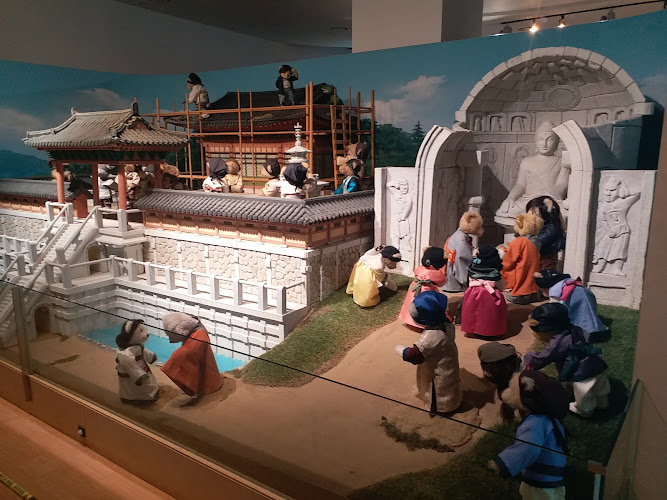
Located in the Bomun tourist area of Gyeongju, the museum showcases themed dioramas, miniature scenes, and artistic displays that use teddy bears as protagonists. Visitors will see teddy bears re-enacting famous world landmarks, traditional Korean scenes, and lighthearted everyday moments. The result is equal parts charming, educational, and occasionally cheeky, and it tends to leave a smile even on the most serious history buff.
On paper this is a museum about stuffed animals. In practice it’s a small, carefully curated narrative museum that blends toy culture with local identity. Gyeongju has a long legacy as a center of Korean history under the Silla kingdom, and the Teddy Bear Museum nudges at that legacy by reimagining historical sites and cultural moments with plush characters. There are scenes inspired by temples, royal courts, and traditional daily life that use bears to make history approachable, especially for families traveling with children who might otherwise tune out during a long cultural tour.
Atmosphere matters here. The lighting, scale models, and costumes on the bears are done with a surprising attention to detail. Sometimes it feels like stepping into a storybook diorama where each bear has a role and a tiny life. Exhibits range from polished museum-style installations to playful, hands-on displays that encourage photos. And yes, photos are everywhere; people take loads of pictures, posed with tiny scenes that are both cute and cleverly constructed. For travelers who like to collect unusual snapshots from their trips, this museum becomes one of those small places where memorable photos happen almost accidentally.
Accessibility and practicalities are genuine strengths. The museum offers a wheelchair accessible entrance and parking, and accessible restrooms are available on site. Families with strollers and travelers with mobility needs will find navigating the main galleries manageable, and the floors and ramps are straightforward. There is a restroom for general use but no full-service restaurant on the premises, so planning a meal before or after the visit is wise. The museum suggests getting tickets in advance on busy days, and that advice helps avoid wasted time — especially during peak tourist seasons in Gyeongju.
What many visitors appreciate is the mix of international and local references. There are teddy-bear tableaux that recreate global monuments alongside scenes that nod to Korean cultural heritage. That blend gives the museum broader appeal: children respond to the playful bears, international travelers recognize landmarks, and visitors interested in Korean history appreciate the nods to Silla-era culture. The curatorial voice leans toward light interpretation rather than deep academic exposition, so if someone is looking for an in-depth historical museum, this is not it. But if the aim is to connect with Korean culture in an unexpected, low-pressure way, this museum does the job well.
Because Gyeongju draws many visitors for its UNESCO-recognized sites and ancient tombs, the Teddy Bear Museum often serves as a pleasant detour from heavier sightseeing. It’s compact enough that it won’t eat a whole day, yet substantive enough to warrant a 60 to 90 minute visit for most travelers. For families, that timing is perfect: a quick educational break that keeps kids engaged. Solo travelers and couples who enjoy offbeat museums will find it a surprising highlight; it breaks up the rhythm of temples and ruins with something lighter and creative.
Of course the museum is not without its critics. Some visitors expect a larger collection or more interpretive depth and leave wishing for more context about some of the historical scenes. Others mention that certain exhibits feel small compared with other museums in the region. That said, many people praise the creativity and workmanship of the displays, and the overall visitor experience tilts positive for most first-time guests. The museum’s tone is playful rather than scholarly, and that is central to its identity: it invites smiles first, curiosity second.
Practical details that matter to travelers include the fact that there is no on-site restaurant, so budgeting time for a meal elsewhere in Bomun is sensible. The museum sells souvenirs and small teddy-bear themed items in a gift area; for collectors or people looking for a last-minute travel memento, the shop has locally themed options. Prices and stock vary, and those who are hunting for a special item should allow a few extra minutes to browse. The gift area is also a good place to warm up or rest for a few minutes if the weather outside is windy or rainy.
One of the author’s favorite memories from a visit was standing in a small diorama that recreated a temple scene, noticing a group of schoolchildren whispering delightedly as they compared the tiny bear costumes to the real-life traditional garments their grandparents had mentioned at home. That little human moment — kids connecting the dots between play and culture — sums up why the museum works for many people. It makes the past feel less distant and more approachable, especially for younger generations who often prefer interactive or visual learning over long text panels.
Seasonality affects the surrounding Bomun area more than the museum’s indoor galleries, but timing a visit can still matter. During peak holiday periods the museum fills with families and tour groups, creating a lively but sometimes crowded experience. On quieter weekdays, it becomes easier to take photos and soak in the displays at a slower pace. The museum’s compact layout means even a short visit can be satisfying; visitors often plan it as part of a morning or afternoon that includes nearby attractions, cafes, and lakeside walks.
For travelers who want an efficient, enjoyable museum stop, this place hits the sweet spot. It is not meant to replace Gyeongju’s larger historical museums or archaeological sites; rather, it complements them. After a morning walking among ancient tombs or temples, the Teddy Bear Museum offers a change of tempo. Visitors leave with something lighter in their pocket — a small souvenir, a new favorite photo, or just the kind of smile that makes travel memorable. Many people find it a surprisingly good choice when traveling with multigenerational groups where different interests need to be balanced.
Practical tips embedded into the experience are useful: buy tickets ahead on busy days, pair the visit with other Bomun attractions to maximize time in the area, and plan food stops since there is no full restaurant inside. The staff tends to be friendly and helpful, especially when asked for directions to nearby sites or suggestions for the best areas to photograph. For those who love details, the craftsmanship in the costumes and small sets rewards a slow walk; for those who prefer speed, a quick pass through the main hall still offers a satisfying sense of what the museum is about.
From an SEO standpoint, the museum ranks as one of Gyeongju’s notable niche attractions. Keywords that matter when people search include Gyeongju Teddy Bear Museum, bear museum Gyeongju, teddy bear museum in Korea, Bomun museum attractions, and family-friendly museums in Gyeongju. Content that highlights accessibility, child-friendly features, and the unique concept of using teddy bears to interpret local and global heritage performs well for travelers planning a trip to Gyeongju. The museum’s identity is distinctive enough to stand out in search results for travelers seeking lightweight cultural experiences that are still rooted in place.
In short, the Gyeongju Teddy Bear Museum offers a blend of whimsy and cultural nods that works well as a light-hearted stop in a city known for its deep historical roots. It is accessible, family-friendly, and a neat counterpoint to the heavier, dustier parts of historical tourism. For many travelers, it will be one of those unexpected finds that makes a trip feel personal and memorable. For others, it will be a cute detour to cross off the list. Either way, it is worth considering when building an itinerary around the Bomun area of Gyeongju.
 Real Journey Travels