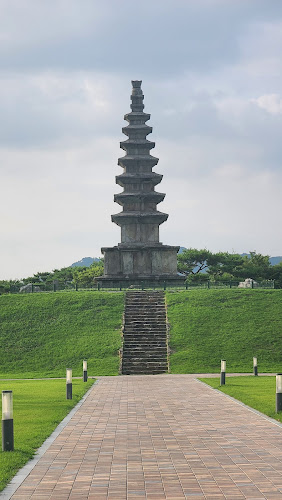
It presents artifacts unearthed from nearby sites, everyday objects from past centuries, and curated displays that trace how people lived, worshiped, and worked in this part of South Korea. The building itself is practical rather than flashy, which suits the museum’s focus: artifacts and context over spectacle. There is a calm, quiet quality inside that many visitors appreciate, a place better for lingering than for snapping non-stop selfies.
Exhibition halls are organized to guide visitors through time and theme. One gallery leans toward the prehistoric and archaeological finds: pottery shards, stone tools, remnants that hint at human activity long before written records. Another gallery focuses on later historical periods—local pottery styles, agricultural tools, and domestic wares that illuminate daily life. There are also thematic displays that explore religion, trade, and local crafts. Combined, the exhibits create a mosaic that helps explain why this area mattered across centuries.
The museum is family-friendly and offers kid-oriented displays and learning corners that encourage hands-on interaction. So families visiting Chungju-si often find it both educational and surprisingly entertaining for children. Staff usually present a warm, helpful approach; visitors have noted the attentive curatorial team and the approachable explanations on the panels. But bring patience: some label text is detailed, so those who skim might miss the best parts.
Accessibility is a clear priority here. The entrance, parking areas, and restrooms are wheelchair accessible, which makes the museum a practical choice for travelers who need barrier-free access. Restroom facilities are present and maintained. Visitors with mobility concerns often mention how much easier it is to experience exhibits when basic accessibility is actually in place—something that can’t be taken for granted at every regional museum.
Something not often shouted from the rooftops: the Chungju Museum quietly supports local research and education. It hosts temporary exhibits that rotate through local archaeological discoveries and community-curated projects, so repeat visitors may discover entirely new shows each year. For those who love local history, that means there’s always a reason to return—new connections, fresh artifacts, an unexpected story that reframes what was seen on a previous trip.
Best Time to Visit
For the most relaxed visit, weekdays in the late morning are ideal. The early afternoon can draw local school groups and tour buses, especially during school seasons and local holiday periods. But if a visitor likes a livelier atmosphere with families and chatter, weekend afternoons deliver that vibe. And yes, the museum is indoors, so it’s an excellent rain-day activity when exploring Chungju-si.
Seasonally, spring and autumn bring pleasant weather for pairing a museum visit with a stroll around nearby spots, but those seasons also coincide with increased tourism in the region. Summers get hotter and can feel busy if regional festivals are happening. Winters are quieter; shorter daylight hours mean earlier museum visits are advised, but the calmness offers a different kind of charm—less foot traffic, more time to stand and read labels, ponder a single artifact for an extra-long minute.
Visitors who plan trips around temporary exhibits should check schedules in advance. Special exhibitions often align with archaeological digs or anniversaries of local events, and missing them can feel like missing the museum’s heartbeat for that year. So when planning, allow a bit of flexibility: an extra hour or two could mean catching a rare display or a curator-led talk.
How to Get There
The Chungju Museum sits within reach of Chungju-si’s main transport routes, making it convenient by public transport and by car. From the city center, local buses run toward the museum area; routes and frequencies vary, so riders should confirm schedules on the morning of travel. Buses are an economical way to travel and give a little window into local life along the route. Taxis are widely available and provide a faster door-to-door option, helpful for visitors with limited time or those traveling with family and children.
Driving is straightforward for people comfortable with Korean roads. There is wheelchair accessible parking at the site, which makes arriving by car less stressful for visitors with mobility needs. Parking tends to be adequate, but during special exhibitions or local events, lots may fill earlier than expected. If driving, plan a buffer of 10–20 minutes for parking and a short walk to the entrance.
For those arriving from further afield, Chungju-si connects to regional train and intercity bus networks. From major junctions, a short taxi ride or a local bus will get visitors to the museum. Combine the museum visit with other nearby attractions if time allows—this area rewards travelers who like to build layered days: historical sites in the morning, the museum midday, a leisurely meal afterward.
Tips for Visiting
Allow about 60 to 90 minutes for a comfortable visit. That gives enough time to read labels, view the principal galleries, and glance at a temporary exhibit without rushing. Of course, history nerds may stay much longer; the museum quietly rewards slow, curious visitors.
- Check opening hours before heading out. Smaller museums sometimes close one weekday and may have holiday hour changes.
- Bring a small notebook or use your phone to jot down exhibit numbers or artifact names. Some displays reference local sites and excavation projects that visitors may want to research later.
- If traveling with children, start with the hands-on or kid-friendly area to get them engaged. After that, the quieter galleries feel more manageable.
- Photography policies vary across exhibits. Many museums allow non-flash photography but restrict it in certain galleries; it’s polite to ask museum staff if signs aren’t clear.
- Combine the visit with nearby cafés or parks. The neighborhood around the museum offers calm spots to sit and digest what was seen, which can turn a short cultural stop into a relaxing half-day plan.
- Use the accessible entrance if mobility devices are in the group. Staff will typically point out the easiest routes and resting spots—don’t hesitate to ask for help.
- Carry cash just in case admission or any small purchases require it. While many places accept cards now, smaller regional museums sometimes still prefer cash for modest fees.
- Look out for guided talks or curator-led tours posted on noticeboards. These can transform a casual visit into a deep dive with context that’s otherwise easy to miss.
Finally, there’s a little visitor karma tip: leave space in your schedule after the museum. Museum content often sparks curiosity—maybe a local craft, a historic figure, or a found object that begs further exploration. Plan to wander a nearby neighborhood, try a local snack, or pop into a small gallery or shop. That way the museum visit feels like the start of an afternoon, not just a box checked off the list.
In short, the Chungju Museum is a quietly rewarding stop in Chungju-si. It appeals to people who appreciate thoughtful curation, accessible facilities, and exhibits that emphasize local continuity over flash. Travelers who slow down and pay attention will come away with a clearer sense of the place and its people. And that, in the end, is what good regional museums do best.
 Real Journey Travels