
Chuncheon National Museum
About Chuncheon National Museum
Description
The Chuncheon National Museum stands as a regional hub for history and culture in Chuncheon-si, Gangwon-do, South Korea. It operates as part of the National Museum network while also shaping its own local identity, focusing on the archaeology, traditions, and material culture of the Gangwon region. The museum’s galleries present a clear thread from prehistoric settlements and pottery to more recent chapters of daily life in the province. In short, it offers an accessible, focused look at Korean history outside of the Seoul-centric circuit, which many travelers quietly appreciate.
The layout is practical. Visitors enter through a low-key lobby into a sequence of exhibition halls: a permanent exhibition that showcases archaeological finds and regional heritage, rotating special exhibitions that highlight themes or contemporary interpretations, and a children-oriented zone that encourages learning by doing. The permanent display leans into artifacts — pottery shards, stone tools, and ritual objects — and situates them within readable timelines and maps. Labels are mostly in Korean, though there are often English captions for major items; the museum tends to improve translations with each special exhibition, but expectations should be tempered for deep multilingual interpretation.
Accessibility is taken seriously here. There is a wheelchair accessible entrance, designated wheelchair parking, and accessible restrooms, which makes it a welcome stop for visitors with mobility needs. Onsite services are available and staff are generally helpful when asked for directions or assistance. For families with small children, the museum flags itself as child-friendly: exhibits that are kid-appropriate, a hands-on children’s area, and changing tables in restrooms. There is no full-service restaurant within the facility, so plan to eat before or after the visit or bring a small snack; restrooms are available for comfort breaks.
One thing that separates Chuncheon National Museum from larger metropolitan museums is its scale and the way that scale supports quiet exploration. It’s the kind of place where a visitor can spend an hour wandering without feeling overwhelmed by crowds or endless galleries. That said, the museum does stage special exhibitions that draw local school groups and weekend families, and when those pop up the atmosphere becomes lively and slightly chaotic — in a good way. People come here to learn, and frequently children outnumber scholars on Saturdays, which keeps the place grounded and human.
For travelers who enjoy connecting objects to place, the museum excels. Panels often explain the local context — where a particular pottery style was found, what settlement patterns looked like around the Chuncheon area, or how mountain temples and farming practices shaped everyday life. The curators have made a consistent effort to highlight Gangwon-do cultural heritage, so visitors who plan onward travel through the province will find the museum a useful primer. In other words, this is a smart first-stop for regional orientation if one intends to explore nearby sites, like rail parks, lakes, or temple trails.
Visitors should expect modest, well-curated galleries rather than blockbuster installations. The permanent collection displays artifacts that might not be unique nationally but are presented with thoughtful local narratives. Occasional special exhibitions bring in more unusual artifacts or thematic contemporary projects that push the museum’s interpretation beyond pure archaeology. These rotating shows are good reasons to check the schedule before a repeat visit; even locals come back when a subject captures popular imagination.
Families with children repeatedly mention the children’s museum elements as a real advantage. There are tactile stations, simplified explanatory panels, and activity sheets that introduce archaeology and heritage in playful ways. Staff-led educational programs occur fairly often — especially during school vacation periods — and when a workshop is running the energy level spikes. If a traveler enjoys seeing how smaller institutions do educational programming, Chuncheon National Museum gives a neat, efficient model worth watching.
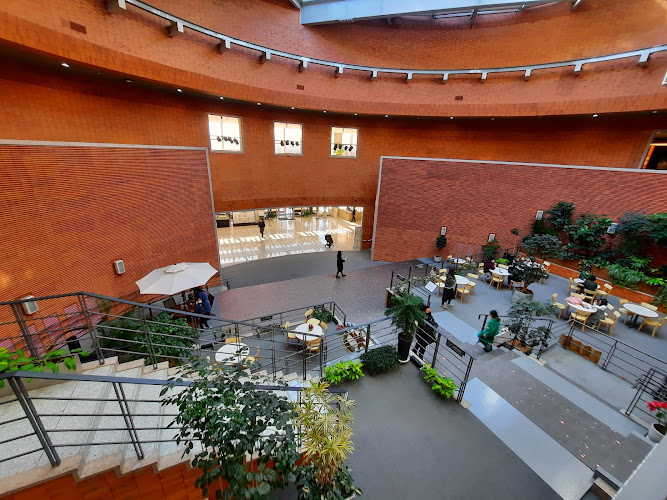
Architecturally the building reads as functional rather than bold. It doesn’t scream for attention, which, honestly, is part of its charm for many travelers who prefer calm museums. There are viewable outdoor spaces adjacent to the museum that provide quick breathing room after an hour or two indoors. And yes, sometimes the weather in Gangwon-do turns on a dime; the museum’s sheltered interior can be a comforting refuge on rainy or very cold days.
Practical time estimates: plan on about 60 to 120 minutes for a focused visit. Those who enjoy reading every label and lingering at special exhibitions should allow two hours. Families with young children might stay longer if the kids engage with the hands-on zones. The museum’s pace makes it an ideal half-day option combined with other Chuncheon attractions — it’s not a whole-day drag, and that’s actually refreshing when travel days are packed.
What’s not always advertised but worth noting is how the museum connects to local stories. Curators and docents sometimes share anecdotes about the provenance of particular artifacts, recovered from fields or riverbanks in nearby villages. These human-sized stories ground the objects: a plain ceramic bowl becomes a conversation about rice cultivation, or a weathered tool sparks discussion of seasonal labor rhythms. Travelers who are curious and ask questions often walk away with richer context than what the labels alone provide.
One minor caveat: translation and signage quality can vary, especially in less-trafficked corners of the museum. For non-Korean speakers with a deep appetite for nuance, consider joining a scheduled tour if available or asking staff for supplemental explanations. Even though interpretive materials are improving, the best insights often come from a few extra words from a real person. In practice, many visitors find that this adds a layer of intimacy not found in some larger institutions where interaction is limited.
Finally, consider the museum as part of a slower, more intentional way to experience Chuncheon. It invites curiosity rather than spectacle. Travelers who like to learn things that later make conversations at cafés or on trains more interesting will appreciate the measured approach: a handful of artifacts, well-explained, each with a story that ties back to Gangwon-do and South Korea at large. Whether someone is tracing Korean history, traveling with kids, or simply looking to deepen understanding of this region, Chuncheon National Museum quietly delivers.
Key Features
Chuncheon National Museum
Tours & Activities
GetYourGuide provides this tour inventory. We may earn a commission if you book through it; verify current availability, prices, and terms with the provider.
Visitor Reviews
There are no reviews yet. Be the first one to write one.
Share Your Experience
Have you visited Chuncheon National Museum? Help other travelers by leaving a review.