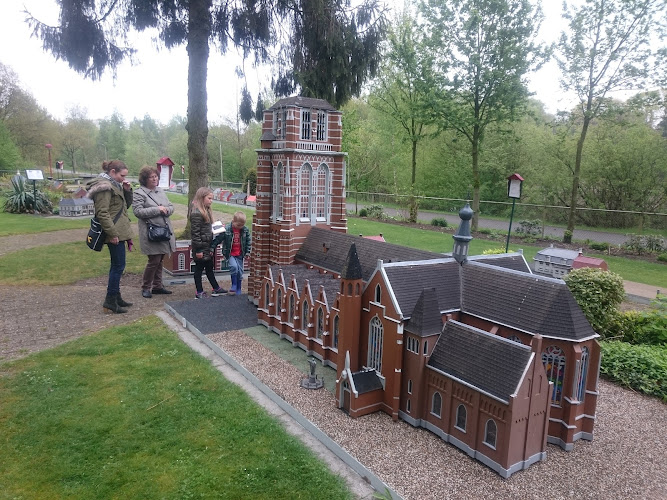
Rather than shouting for attention with blockbuster installations, the museum favors intimacy: modest galleries, detailed local stories, and objects that carry social memory — crockery with chips, a school slate with a child’s scratchings, a wedding dress still smelling faintly of cedar. Visitors who like history served with context and a touch of personality will find this place rewarding.
Exhibits span several themes that together form a mosaic of everyday life in North Brabant: rural and urban crafts, domestic interiors from different centuries, ecclesiastical art, archaeological finds unearthed nearby, and changing displays spotlighting contemporary interpretations of regional identity. There are re-created rooms where one can see how a middle-class living room looked in 1900, and small, well-labeled cases that show tools used by shoemakers, blacksmiths, and farmers. It’s not about rarefied, untouchable objects — it’s about understanding how people lived, worked, worshiped, and celebrated here. For many visitors, those modest, relatable artifacts are the museum’s greatest strength.
Accessibility is clearly a practical priority. The museum provides a wheelchair-accessible entrance, a parking area with accessible spaces, and accessible restrooms, which makes it a sensible choice for travelers with mobility needs. A clean restroom and an on-site restaurant mean families and groups can linger rather than dash through exhibits. Parents traveling with children will notice attention to practical details: stroller-friendly circulation and exhibits that are short enough to fit the attention spans of younger visitors. In short, it’s one of those places where logistical comfort isn’t an afterthought — and that matters, more than people often say.
Kids tend to respond well to the museum’s hands-on possibilities. While it’s not a themed, flashy children’s museum, the museum’s approach — a mix of tactile replicas, occasional workshops, and child-friendly signage — encourages questions and curiosity. Families who visit often praise the way historical objects are explained without dumbing them down. So, if a family wants a calm but engaging cultural stop, this museum is a good bet. And adults who turn up skeptical about “kids’ activities” often leave pleasantly surprised by how much the youngsters soak up from the displays.
There’s a pleasant rhythm to a visit here. People often start with the permanent collection — those backbone galleries that anchor the museum’s story — and then move to the rotating exhibitions which bring in fresh perspectives, sometimes local artists reinterpreting Brabant’s traditions or contemporary historians reframing old narratives. The temporary shows are usually small, but they’re smart and focused. A single well-chosen theme can spark a lot of insight, and the museum manages to make temporary displays feel like an extension rather than a distraction from the core collection.
Behind the scenes, the museum staff tend to be quietly proud of their community ties. They collaborate with local historians, schools, and amateur archaeology groups to build exhibits that are grounded in primary research. That means visitors sometimes get to see artifacts with a real, traceable backstory — a farm tool donated by a family who still lives in the village where it was used, or photographs contributed by residents who remember the subject matter firsthand. That connection to place gives the museum a lived-in authenticity. It’s the kind of museum that rewards those who take a minute to read the labels and to imagine the people who once used these objects.
For travelers interested in photography and architectural detours, the museum is also enjoyable because of smaller, visual pleasures: period lighting that flatters preserved woodwork, display cases arranged to draw the eye, and occasionally quirky items that surprise: an 18th-century carved figurehead from a procession float, or a child’s wooden horse with patched reins. Those little moments — the oddities and the details — often become the anecdotes people tell later at dinner parties. They’re the pieces that linger: the way the museum shows everyday life as something worth noticing.
Practical visitors will appreciate that the Brabants Museum Oud Oosterhout keeps things tidy and efficient. The restaurant onsite isn’t aiming to be Michelin-starred, but it offers good, simple food — coffee, sandwiches, local baked goods — and a place to regroup mid-visit. That matters. People underestimate how pleasant a decent espresso and a slice of apple pie can make a cultural day out. Benches and small resting spots are peppered through the galleries so those who need a break can sit without feeling rushed.
One lesser-known strength is the museum’s programming. While larger institutions often hog headline events, this museum stages quiet, smart community programs: evening lectures with local historians, family workshop days where kids can try weaving or traditional crafts, and historian-led tours that unpack the social context of objects in ways that standard audio guides rarely achieve. Those programs don’t always have huge promotion budgets, but for the curious traveler — someone who actually reads the museum’s noticeboard — they’re a small treasure trove of local knowledge and surprisingly personal encounters.
There’s also a gentle educational focus. Schools in the area use the museum to teach curriculum-linked topics, which means displays are often created with clear narratives and strong didactic content. That clarity benefits tourist visitors too; those labels and timelines make it easy to stitch together a quick, meaningful understanding of regional history. It’s the sort of museum that makes sense if someone wants a concentrated, intelligible culture hit rather than an overwhelming avalanche of artifacts.
In terms of atmosphere, it leans toward calm reflection rather than theatrical spectacle. That suits many travelers who prefer to absorb information in a relaxed setting. Yet, at the same time, the museum is never dull — the rotation of special exhibitions and community-driven displays ensures that repeat visitors, or those spending a longer weekend in the area, will find reason to return. There’s a steady, modest charm here, and for people who like to know the local story without pretense, it’s exactly the kind of stop that enriches a trip.
Finally, practical tips that often come from long-term visitors: arrive with at least ninety minutes to two hours if you want a relaxed experience; take a moment to ask staff about current temporary exhibits or family activities; and keep an eye on the museum’s event board for small, scheduled workshops that might coincide with a visit. Those little additions — the helpful staff, the accessible facilities, the carefully chosen temporary shows — add up to an experience that is surprisingly memorable. For a travel itinerary focused on authentic regional culture and comfortable, thoughtful museumgoing, the Brabants Museum Oud Oosterhout is a solid, satisfying choice.
 Real Journey Travels