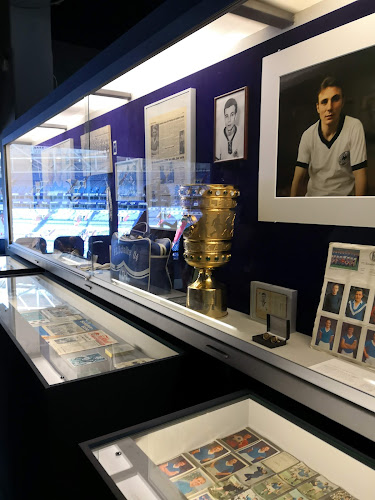
Opened as part of the stadium complex in 2001, the museum sits within what many call one of the most modern stadiums in Europe. Visitors who take the arena tour — which lasts roughly 75 minutes — get a dual experience: a behind-the-scenes look at the stadium’s technical bravura and a deep dive into the history and soul of FC Schalke 04. The two parts feed one another. See the pitch tray up close, then see the jerseys that were once stained on that same turf. Feel the scale of the retractable roof and then read stories of derbies that felt like seismic events. It ties together in a way that, honestly, still surprises even seasoned stadium-goers.
More than a million people from across the globe have toured the VELTINS-Arena since it opened its doors, and a high share of them make time for the Schalke Museum during the same visit. The museum is included in the arena tour entrance fee, which is great because it means the history is not a separate, optional ticket but integrated into the stadium narrative. That integration makes the experience feel cohesive: the technical elements — the Rasenwanne (pitch tray that can be moved), the cabrio roof that opens and closes, and the towering videowürfel (video cube) — are fascinating on their own, but they read differently when framed by decades of club history, fan culture, and regional identity.
Inside, the museum traces Schalke 04 from early 20th-century beginnings through turbulent wartime years, the coal-and-steel heyday of the Ruhr, and on to the modern era of Bundesliga competition and European nights. Memorabilia ranges from faded scarves and wartime programs to modern match-worn shirts and multimedia exhibits. Exhibition design leans on audiovisual storytelling: interviews with former players, game footage that still raises the hair on your arms, and interactive displays that are, frankly, good for kids and adults alike. The design team did well to avoid a sterile, glass-box feel; instead the museum offers zones where the focus is on emotion as much as facts.
And the tour guides — trained and enthusiastic — are a big reason why many visitors leave smiling. A guide once recalled his first season as a tour leader, saying he still gets goosebumps when leading people through the blue-and-white player tunnel. He’ll point out things fans might never see from the stands: the hospitality suites where pre-match nerves quietly brew, the media center where press conferences shape reputations, and the stadium chapel, a small but poignant reminder of the human stories that intersect with sport. The energy of some guides is infectious; others are quietly knowledgeable and perfect if you want a calm, fact-heavy walk-through. Either way, the human element matters. It always does.
Architecturally, the VELTINS-Arena is often the headline: a flexible, technically advanced stadium with one of the most notable features being the pitch tray (Rasenwanne) that allows the grass to be maintained outside the stadium, helping to keep the playing surface in top condition. Then there is the cabrio roof — yes, it opens — and that giant video cube that dominates the interior. Seeing the cube up close gives a better sense of scale than any photo ever can. Fans of stadium engineering will happily linger in the technical sections; casual visitors often find themselves pulled into those displays, too, because they reveal why modern football venues look and feel the way they do today.
The exhibition also doesn’t shy from context. Schalke’s story is entwined with the Ruhr area’s industrial past — coal mining and a working-class culture that shaped the club’s identity. Artifacts and narratives that reference mining history or the socioeconomic shifts in North Rhine-Westphalia make the museum more than just a sports exhibit. It becomes, in part, a local history museum: showing how football provided identity, community, and a kind of emotional ballast during changing times. That combination of sports history and regional storytelling is what sets the Schalke Museum apart from a generic club museum.
Visitors with mobility needs will be pleased to find that the arena and museum provide accessible entrances, wheelchair-friendly parking, and accessible restrooms. Restroom facilities are available within the complex; however, visitors should not expect an on-site restaurant inside the museum itself — food options exist elsewhere in the stadium precinct. Families tend to rate the experience highly: exhibits are family-friendly, and many of the interactive components are designed with kids in mind. For parents, that matters. Keeping young people engaged during a history lesson is an underrated skill, and the museum largely succeeds at it.
Expect to spend about an hour to an hour and a half on the combined tour and museum visit if you take your time. The standard arena tour lasts around 75 minutes and typically includes stadium highlights plus access to the museum. That timing works well; it feels neither rushed nor interminable. Match days are a different story: the stadium hums with activity, and while the atmosphere is electric, access routes and timing can be more restricted. So, if someone prefers a quieter experience, midweek visits outside of match days are the safer bet.
The mood inside the museum swings depending on who is visiting and when. Some visitors come in as neutral travelers curious about the VELTINS-Arena’s architecture; others arrive as dyed-in-the-wool Schalke supporters, carrying years of chants and memories. The museum accommodates both — it’s a place for reverence and also for objective historical interest. If you know little about German football, the exhibits are structured so that the essentials are clear: club founding, major trophies and seasons, storied players, and cultural resonance. If you know a lot, there are still details and behind-the-scenes elements that are likely to surprise.
There are, of course, small imperfections. Popular tour times can be crowded, and the busiest slots (weekends, match-adjacent days) may feel a bit rushed during peak visitor flow. Audio in some exhibits occasionally competes with the natural noise of a stadium complex. But those are practical, fixable complaints and, importantly, they don’t erase the core experience: seeing the inner workings of a modern stadium while being immersed in Schalke’s century-spanning story.
For photographers the museum is generous — many displays encourage photography, and the stadium vistas from certain vantage points are excellent. The lighting in the hallways and the player tunnel makes for dramatic images. Just a heads-up: if a match is scheduled later in the day, lighting and access to certain areas can shift, so plan accordingly if photography is a big part of your visit.
Finally, the emotional payoff: lots of visitors leave with a stronger sense of why football matters beyond the 90 minutes on the pitch. The Schalke Museum and the VELTINS-Arena show how stadiums become repositories of personal and collective memory. For first-time travelers to Gelsenkirchen or veteran fans making a pilgrimage, the combined tour-and-museum experience often feels worth the time. It’s educational, it’s moving at times, and it’s — for better or worse — unmistakably Schalke: proud, historical, and connected to its community in a way that doesn’t pretend to be anything else.
In short, the Schalke Museum in the VELTINS-Arena offers a layered visit that appeals to football fans, architecture buffs, and people curious about regional history. It pairs high-tech stadium features like the Rasenwanne and cabrio roof with heartfelt storytelling of a club shaped by its industrial surroundings. And while there are a few practical hiccups at peak times, the overall experience tends to leave visitors satisfied, informed, and, in many cases, a little moved.
 Real Journey Travels