
241 Luxun Middle Rd
About 241 Luxun Middle Rd
Description
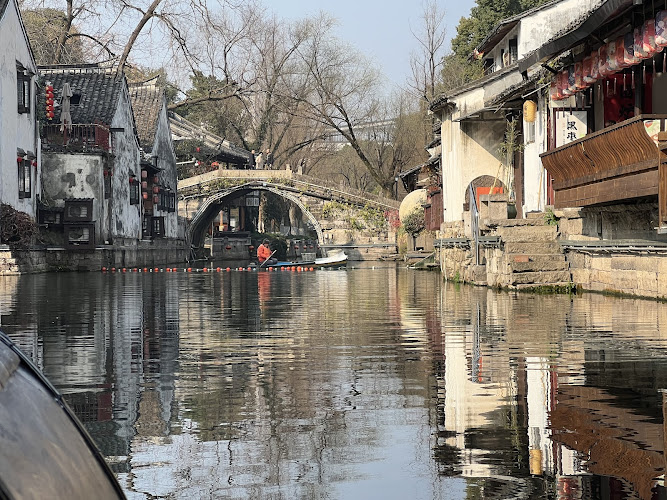
Tucked within the historic heart of Shaoxing, this spot has the kind of quiet charm that makes you slow down a little. It’s not one of those flashy tourist magnets where you feel rushed to tick off a dozen sights in an hour. Instead, it’s the kind of place where the atmosphere does most of the talking. Old-world architecture, narrow lanes, and the gentle hum of daily life all blend together, giving travelers a glimpse into a part of China that feels both lived-in and timeless. You might notice the subtle details first—the worn stone steps, the carved wooden beams, or the way light filters through the trees in the late afternoon. These small things, honestly, are what make it memorable.
Some visitors rave about the cultural depth here, while others might feel it’s quieter than expected. And that’s fair—it’s not buzzing with constant activity. But for those who appreciate history wrapped in simplicity, it’s a rewarding stop. I remember wandering through with a cup of warm soy milk in hand, not really rushing anywhere, just observing. That’s when I realized the true appeal: it’s about experiencing the rhythm of local life, not chasing tourist checklists.
Key Features
- Traditional Chinese architectural elements that reflect Shaoxing’s cultural heritage
- A calm environment ideal for travelers who prefer slower-paced exploration
- Proximity to local eateries serving authentic Zhejiang cuisine
- Photogenic corners with stone pathways and wooden façades that capture the city’s character
- A mix of cultural and everyday life—you’ll see both residents going about their routines and visitors pausing for photos
- Easy access to other historic spots in the surrounding district
Best Time to Visit
If you’re planning a trip, spring and autumn really shine here. The weather is mild, the air feels fresher, and you get those postcard-like colors—blossoms in spring, golden leaves in fall. Summer can be hot and sticky, which makes wandering a bit less comfortable unless you’re really into that kind of humid adventure. Winter is quieter, almost too quiet for some, but personally I love it then. The stillness gives the place an almost poetic quality, and fewer crowds mean you can take your time soaking it all in.
I’d say late afternoon is the sweet spot during any season. The light softens, shadows stretch across the lanes, and the whole area feels like it’s exhaling after a long day. That’s when you’ll get the best photos and maybe even a chance to chat with locals who are more relaxed.
How to Get There
Reaching the site is relatively straightforward if you’re already in Shaoxing. Most travelers arrive by high-speed train from nearby cities like Hangzhou or Ningbo. From the main station, taxis and ride-hailing apps are the most convenient options, though buses also run frequently if you’re comfortable navigating local routes. I’ve tried both—taxis are faster, but buses give you a better slice of everyday life.
For those who enjoy walking, once you’re in the central district, it’s not far from other cultural landmarks. The streets are narrow but manageable, and strolling through them is half the fun. Just be ready for a few uneven stone paths—wearing comfortable shoes is a must.
Tips for Visiting
Here’s where a little insider advice can make your visit smoother. First off, don’t rush it. This isn’t the kind of place you breeze through in 20 minutes. Give yourself at least an hour or two to really absorb the details. Bring a camera, yes, but also take time to just look without a lens between you and the world.
Food-wise, try to plan a meal nearby. Shaoxing is famous for its yellow rice wine and savory local dishes, and you’ll find small restaurants tucked into side streets that serve unforgettable meals. I once stumbled into a family-run spot where the owner insisted I try their homemade tofu—it was ridiculously good, and I still think about it.
Also, mornings are quieter, afternoons more lively. If you want solitude, go early. If you prefer a bit of buzz, wait until later in the day when locals are out and about. And one last thing—carry some cash. While mobile payments dominate in China, a few smaller vendors still prefer old-fashioned bills. It’s a small detail, but it can save you some awkward moments.
Overall, the experience here is less about big attractions and more about subtle impressions. It’s the kind of place that stays with you, not because of flashy sights, but because of how it makes you feel—calm, curious, and maybe even a little nostalgic.
Key Features
- Traditional Chinese architectural elements that reflect Shaoxing’s cultural heritage
- A calm environment ideal for travelers who prefer slower-paced exploration
- Proximity to local eateries serving authentic Zhejiang cuisine
- Photogenic corners with stone pathways and wooden façades that capture the city’s character
- A mix of cultural and everyday life—you’ll see both residents going about their routines and visitors pausing for photos
- Easy access to other historic spots in the surrounding district
More Details
Updated October 1, 2025
Table of Contents
Description
Tucked within the historic heart of Shaoxing, this spot has the kind of quiet charm that makes you slow down a little. It’s not one of those flashy tourist magnets where you feel rushed to tick off a dozen sights in an hour. Instead, it’s the kind of place where the atmosphere does most of the talking. Old-world architecture, narrow lanes, and the gentle hum of daily life all blend together, giving travelers a glimpse into a part of China that feels both lived-in and timeless. You might notice the subtle details first—the worn stone steps, the carved wooden beams, or the way light filters through the trees in the late afternoon. These small things, honestly, are what make it memorable.
Some visitors rave about the cultural depth here, while others might feel it’s quieter than expected. And that’s fair—it’s not buzzing with constant activity. But for those who appreciate history wrapped in simplicity, it’s a rewarding stop. I remember wandering through with a cup of warm soy milk in hand, not really rushing anywhere, just observing. That’s when I realized the true appeal: it’s about experiencing the rhythm of local life, not chasing tourist checklists.
Key Features
- Traditional Chinese architectural elements that reflect Shaoxing’s cultural heritage
- A calm environment ideal for travelers who prefer slower-paced exploration
- Proximity to local eateries serving authentic Zhejiang cuisine
- Photogenic corners with stone pathways and wooden façades that capture the city’s character
- A mix of cultural and everyday life—you’ll see both residents going about their routines and visitors pausing for photos
- Easy access to other historic spots in the surrounding district
Best Time to Visit
If you’re planning a trip, spring and autumn really shine here. The weather is mild, the air feels fresher, and you get those postcard-like colors—blossoms in spring, golden leaves in fall. Summer can be hot and sticky, which makes wandering a bit less comfortable unless you’re really into that kind of humid adventure. Winter is quieter, almost too quiet for some, but personally I love it then. The stillness gives the place an almost poetic quality, and fewer crowds mean you can take your time soaking it all in.
I’d say late afternoon is the sweet spot during any season. The light softens, shadows stretch across the lanes, and the whole area feels like it’s exhaling after a long day. That’s when you’ll get the best photos and maybe even a chance to chat with locals who are more relaxed.
How to Get There
Reaching the site is relatively straightforward if you’re already in Shaoxing. Most travelers arrive by high-speed train from nearby cities like Hangzhou or Ningbo. From the main station, taxis and ride-hailing apps are the most convenient options, though buses also run frequently if you’re comfortable navigating local routes. I’ve tried both—taxis are faster, but buses give you a better slice of everyday life.
For those who enjoy walking, once you’re in the central district, it’s not far from other cultural landmarks. The streets are narrow but manageable, and strolling through them is half the fun. Just be ready for a few uneven stone paths—wearing comfortable shoes is a must.
Tips for Visiting
Here’s where a little insider advice can make your visit smoother. First off, don’t rush it. This isn’t the kind of place you breeze through in 20 minutes. Give yourself at least an hour or two to really absorb the details. Bring a camera, yes, but also take time to just look without a lens between you and the world.
Food-wise, try to plan a meal nearby. Shaoxing is famous for its yellow rice wine and savory local dishes, and you’ll find small restaurants tucked into side streets that serve unforgettable meals. I once stumbled into a family-run spot where the owner insisted I try their homemade tofu—it was ridiculously good, and I still think about it.
Also, mornings are quieter, afternoons more lively. If you want solitude, go early. If you prefer a bit of buzz, wait until later in the day when locals are out and about. And one last thing—carry some cash. While mobile payments dominate in China, a few smaller vendors still prefer old-fashioned bills. It’s a small detail, but it can save you some awkward moments.
Overall, the experience here is less about big attractions and more about subtle impressions. It’s the kind of place that stays with you, not because of flashy sights, but because of how it makes you feel—calm, curious, and maybe even a little nostalgic.
Key Highlights
- Traditional Chinese architectural elements that reflect Shaoxing’s cultural heritage
- A calm environment ideal for travelers who prefer slower-paced exploration
- Proximity to local eateries serving authentic Zhejiang cuisine
- Photogenic corners with stone pathways and wooden façades that capture the city’s character
- A mix of cultural and everyday life—you’ll see both residents going about their routines and visitors pausing for photos
- Easy access to other historic spots in the surrounding district
Location
Places to Stay Near 鲁迅故里
Find and Book a Tour
Explore More Travel Guides
No reviews found! Be the first to review!
Traveler Reviews for 241 Luxun Middle Rd
There are no reviews yet. Be the first one to write one.
Have you visited 241 Luxun Middle Rd? Help other travelers by sharing your review.
You Might Also Like

Zhuji Revolution Martyr Memorial Park
Yuecheng District
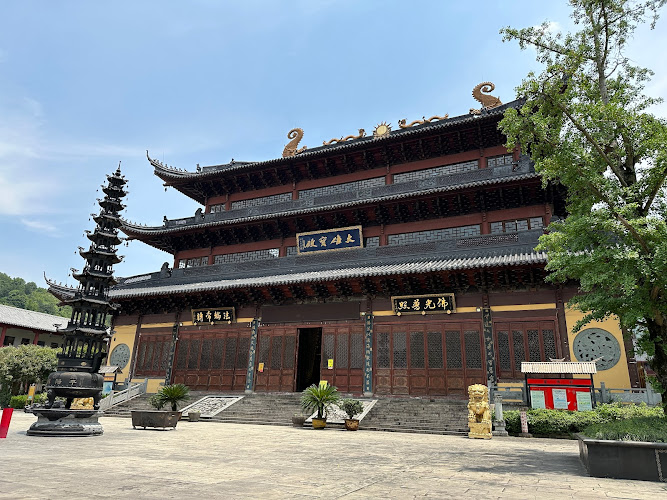
Pingyang Temple
Find Accommodations Nearby
Recommended Tours & Activities
Visitor Reviews
There are no reviews yet. Be the first one to write one.
Share Your Experience
Have you visited 241 Luxun Middle Rd? Help other travelers by leaving a review.