
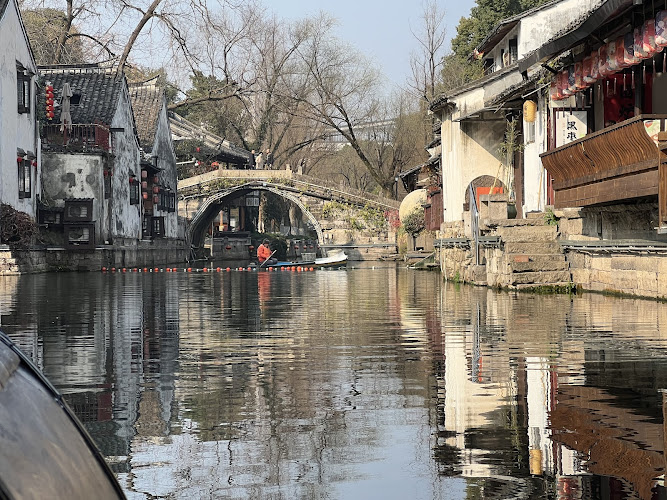
Yuecheng District
About Yuecheng District
Description
Yuecheng District, right at the heart of Shaoxing in Zhejiang Province, is one of those places that manages to feel both ancient and alive at the same time. It’s officially the political and cultural center of the city, but to a traveler, it feels more like a living museum where history isn’t tucked away behind glass—it’s right there in the streets, canals, and tea houses. You’ll hear locals chatting in that distinctive Shaoxing dialect, see laundry swaying above narrow stone lanes, and catch the aroma of rice wine drifting from old workshops. Honestly, it’s a district that wears its history proudly, yet it doesn’t feel stuck in the past.
Now, is it perfect? No place really is. Some areas can feel crowded, especially during holidays, and a few of the more commercialized streets lean a little too hard into the touristy vibe. But when you step off those main drags, you’ll find quiet courtyards, old homes with peeling wooden doors, and waterways that seem to whisper stories of dynasties long gone. That mix of polished and raw is what makes Yuecheng fascinating—it’s not just a postcard version of China, it’s the real deal.
Key Features
- Historic waterways and stone bridges that give the district its nickname as part of the "Venice of the East."
- Traditional Shaoxing rice wine breweries, where the amber-colored drink is still crafted using centuries-old methods.
- Former residences of famous cultural figures, including writers and calligraphers whose legacies shaped Chinese literature.
- Local teahouses where storytelling and opera performances carry on traditions that are still beloved by residents.
- Markets and side streets that serve up authentic Shaoxing dishes—think stinky tofu, savory pancakes, and delicate dumplings.
- Blend of old-world charm with modern amenities like boutique hotels and stylish cafés tucked into historic buildings.
Best Time to Visit
If you’re asking me, spring and autumn are the sweet spots for Yuecheng. Spring brings plum blossoms and that gentle mist that makes the canals look like something out of an ink painting. Autumn, on the other hand, has crisp air and fewer crowds, plus the golden gingko leaves scattered across the old stone streets are a sight worth traveling for. Summer can be hot and sticky—unless you love the heat, I’d avoid it. Winter has its charm too, especially if you like quieter, slower-paced travel, but some outdoor spots lose a bit of their magic when the chill sets in.
I once visited in late October, and I remember sitting by a canal with a steaming bowl of noodles, watching the leaves drift into the water. It wasn’t flashy or dramatic, but it felt like the district was showing me its softer side. That’s the kind of memory that sticks.
How to Get There
Getting to Yuecheng District is pretty straightforward since it’s the central hub of Shaoxing. If you’re coming from Hangzhou, it’s about a 40-minute ride on the high-speed train—blink and you’ll miss half the journey. From Shanghai, it’s a bit longer, usually around an hour and a half by train, but still very doable as a day trip if you’re tight on time. Once you’re in Shaoxing, buses and taxis are easy to find, though honestly, the district is best explored on foot or by hopping on one of the small boats that glide through the canals.
And here’s a little tip from experience: don’t rush straight to the “famous” streets. Wander a bit. The smaller alleys often hold the most authentic surprises. I once stumbled into a tiny courtyard where an elderly couple was drying chrysanthemum flowers for tea—it wasn’t in any guidebook, but it was one of the highlights of my trip.
Tips for Visiting
First off, wear comfortable shoes. The cobblestone streets look charming in photos, but they’re not exactly kind to your feet after a few hours. Also, bring cash. While mobile payments dominate in China, a few of the older shops and street vendors still prefer bills and coins.
Food-wise, don’t just stick to the restaurants with English menus. Some of the best meals I had were in hole-in-the-wall spots where I just pointed at what looked good. And yes, try the Shaoxing rice wine—even if you’re not usually a fan of alcohol, it’s such a big part of the district’s identity that skipping it would be like visiting Paris and ignoring the wine and cheese.
Another thing: give yourself time. Yuecheng isn’t the kind of place you can “do” in a couple of hours. Sure, you can tick off the highlights quickly, but the real magic comes when you slow down, sip tea by the canal, or chat with locals who are more than happy to share stories if you show genuine interest.
Lastly, keep your camera handy but don’t forget to put it down too. Some of my favorite memories weren’t captured in photos—they were just moments of being present, like hearing the faint notes of Shaoxing opera drift through the evening air. And trust me, that’s the kind of experience that sticks with you long after you’ve left.
Key Features
- Historic waterways and stone bridges that give the district its nickname as part of the "Venice of the East."
- Traditional Shaoxing rice wine breweries, where the amber-colored drink is still crafted using centuries-old methods.
- Former residences of famous cultural figures, including writers and calligraphers whose legacies shaped Chinese literature.
- Local teahouses where storytelling and opera performances carry on traditions that are still beloved by residents.
- Markets and side streets that serve up authentic Shaoxing dishes—think stinky tofu, savory pancakes, and delicate dumplings.
- Blend of old-world charm with modern amenities like boutique hotels and stylish cafés tucked into historic buildings.
More Details
Updated October 1, 2025
Table of Contents
Description
Yuecheng District, right at the heart of Shaoxing in Zhejiang Province, is one of those places that manages to feel both ancient and alive at the same time. It’s officially the political and cultural center of the city, but to a traveler, it feels more like a living museum where history isn’t tucked away behind glass—it’s right there in the streets, canals, and tea houses. You’ll hear locals chatting in that distinctive Shaoxing dialect, see laundry swaying above narrow stone lanes, and catch the aroma of rice wine drifting from old workshops. Honestly, it’s a district that wears its history proudly, yet it doesn’t feel stuck in the past.
Now, is it perfect? No place really is. Some areas can feel crowded, especially during holidays, and a few of the more commercialized streets lean a little too hard into the touristy vibe. But when you step off those main drags, you’ll find quiet courtyards, old homes with peeling wooden doors, and waterways that seem to whisper stories of dynasties long gone. That mix of polished and raw is what makes Yuecheng fascinating—it’s not just a postcard version of China, it’s the real deal.
Key Features
- Historic waterways and stone bridges that give the district its nickname as part of the “Venice of the East.”
- Traditional Shaoxing rice wine breweries, where the amber-colored drink is still crafted using centuries-old methods.
- Former residences of famous cultural figures, including writers and calligraphers whose legacies shaped Chinese literature.
- Local teahouses where storytelling and opera performances carry on traditions that are still beloved by residents.
- Markets and side streets that serve up authentic Shaoxing dishes—think stinky tofu, savory pancakes, and delicate dumplings.
- Blend of old-world charm with modern amenities like boutique hotels and stylish cafés tucked into historic buildings.
Best Time to Visit
If you’re asking me, spring and autumn are the sweet spots for Yuecheng. Spring brings plum blossoms and that gentle mist that makes the canals look like something out of an ink painting. Autumn, on the other hand, has crisp air and fewer crowds, plus the golden gingko leaves scattered across the old stone streets are a sight worth traveling for. Summer can be hot and sticky—unless you love the heat, I’d avoid it. Winter has its charm too, especially if you like quieter, slower-paced travel, but some outdoor spots lose a bit of their magic when the chill sets in.
I once visited in late October, and I remember sitting by a canal with a steaming bowl of noodles, watching the leaves drift into the water. It wasn’t flashy or dramatic, but it felt like the district was showing me its softer side. That’s the kind of memory that sticks.
How to Get There
Getting to Yuecheng District is pretty straightforward since it’s the central hub of Shaoxing. If you’re coming from Hangzhou, it’s about a 40-minute ride on the high-speed train—blink and you’ll miss half the journey. From Shanghai, it’s a bit longer, usually around an hour and a half by train, but still very doable as a day trip if you’re tight on time. Once you’re in Shaoxing, buses and taxis are easy to find, though honestly, the district is best explored on foot or by hopping on one of the small boats that glide through the canals.
And here’s a little tip from experience: don’t rush straight to the “famous” streets. Wander a bit. The smaller alleys often hold the most authentic surprises. I once stumbled into a tiny courtyard where an elderly couple was drying chrysanthemum flowers for tea—it wasn’t in any guidebook, but it was one of the highlights of my trip.
Tips for Visiting
First off, wear comfortable shoes. The cobblestone streets look charming in photos, but they’re not exactly kind to your feet after a few hours. Also, bring cash. While mobile payments dominate in China, a few of the older shops and street vendors still prefer bills and coins.
Food-wise, don’t just stick to the restaurants with English menus. Some of the best meals I had were in hole-in-the-wall spots where I just pointed at what looked good. And yes, try the Shaoxing rice wine—even if you’re not usually a fan of alcohol, it’s such a big part of the district’s identity that skipping it would be like visiting Paris and ignoring the wine and cheese.
Another thing: give yourself time. Yuecheng isn’t the kind of place you can “do” in a couple of hours. Sure, you can tick off the highlights quickly, but the real magic comes when you slow down, sip tea by the canal, or chat with locals who are more than happy to share stories if you show genuine interest.
Lastly, keep your camera handy but don’t forget to put it down too. Some of my favorite memories weren’t captured in photos—they were just moments of being present, like hearing the faint notes of Shaoxing opera drift through the evening air. And trust me, that’s the kind of experience that sticks with you long after you’ve left.
Key Highlights
- Historic waterways and stone bridges that give the district its nickname as part of the "Venice of the East."
- Traditional Shaoxing rice wine breweries, where the amber-colored drink is still crafted using centuries-old methods.
- Former residences of famous cultural figures, including writers and calligraphers whose legacies shaped Chinese literature.
- Local teahouses where storytelling and opera performances carry on traditions that are still beloved by residents.
- Markets and side streets that serve up authentic Shaoxing dishes—think stinky tofu, savory pancakes, and delicate dumplings.
- Blend of old-world charm with modern amenities like boutique hotels and stylish cafés tucked into historic buildings.
Location
Places to Stay Near Yuecheng District
Find and Book a Tour
Explore More Travel Guides
No reviews found! Be the first to review!
Traveler Reviews for Yuecheng District
There are no reviews yet. Be the first one to write one.
Have you visited Yuecheng District? Help other travelers by sharing your review.
You Might Also Like
-Shaoxing.jpg)
Shenshi Garden (North Gate)
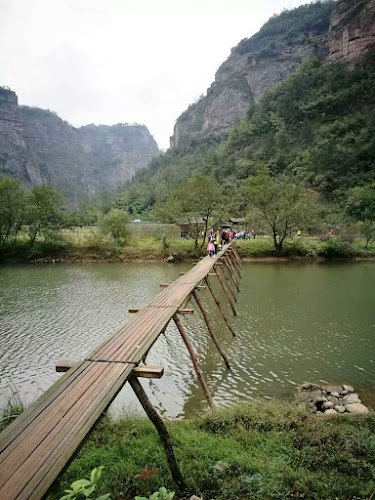
Xinchang County
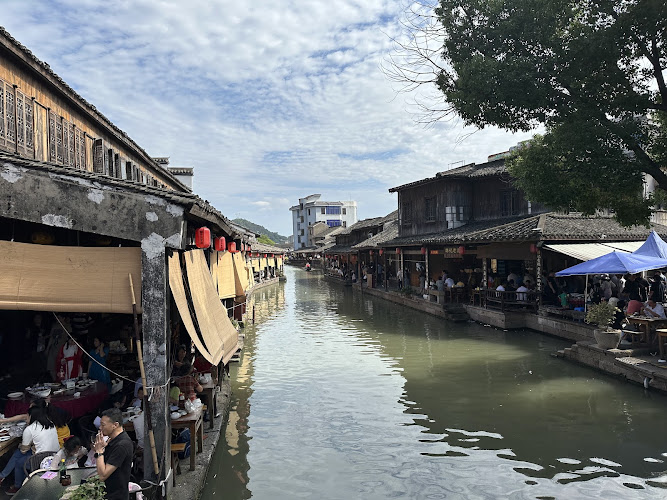
Anchang Ancient Town
Find Accommodations Nearby
Recommended Tours & Activities
Visitor Reviews
There are no reviews yet. Be the first one to write one.
Share Your Experience
Have you visited Yuecheng District? Help other travelers by leaving a review.