
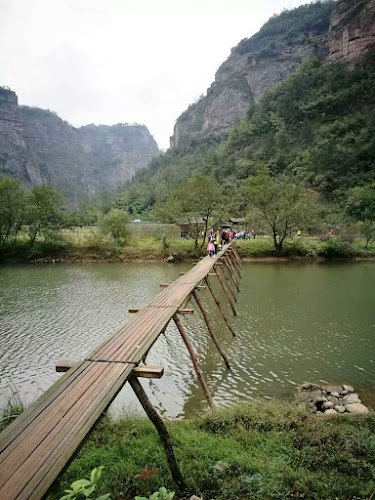
Xinchang County
About Xinchang County
Description
Xinchang County, tucked within the broader Shaoxing area of Zhejiang province, is one of those places that feels like it hasn’t been completely overrun by mass tourism yet. About 430,000 people call this county home, and the pace of life here is slower compared to the big cities nearby. That’s one of the things I personally love most about it—there’s still this sense of authenticity, where you can wander down a street and actually hear locals chatting in dialect rather than just tour groups with megaphones. It’s a county that balances tradition with progress, offering both historical treasures and modern comforts.
The landscapes are what first pull many travelers in. You’ll find dramatic mountains, lush valleys, and a surprising number of waterfalls that feel almost hidden away. And then there’s the Buddhist heritage—Xinchang is famous for its ancient temples, some of which are carved right into cliffsides. The mix of natural beauty and cultural history gives the county a kind of layered personality. It’s not polished to perfection, and that’s exactly why it feels real. You’ll stumble across crumbling stone bridges, tea terraces that stretch into the horizon, and tiny villages that seem frozen in time.
Of course, not everything is postcard-perfect. Some areas can feel a bit commercialized, especially around the most famous attractions, and infrastructure isn’t always as smooth as in bigger cities. But honestly, I think that’s part of the charm. If you’re the kind of traveler who appreciates a place with character—warts and all—you’ll probably find Xinchang pretty rewarding.
Key Features
- Ancient Temples: The Dafo Temple with its giant cliff-carved Buddha is a highlight, drawing both pilgrims and curious travelers.
- Scenic Landscapes: Mountains, waterfalls, and tea fields dominate the area, making it a dream for hikers and photographers.
- Tea Culture: Xinchang is known for its green tea production, particularly the prized Xinchang green tea varieties.
- Historic Villages: Traditional homes, stone bridges, and preserved old streets give a glimpse into rural Zhejiang life.
- Local Cuisine: Rustic dishes made with mountain herbs and river fish—simple but deeply flavorful.
- Less Crowded: Compared to Hangzhou or Shaoxing city, it’s relatively quiet and less tourist-heavy.
Best Time to Visit
Timing matters a lot in Xinchang. Spring (March to May) is my personal favorite because the tea fields are this electric green, and the weather is mild enough for long hikes without sweating buckets. You’ll also catch cherry blossoms and wildflowers scattered across the hillsides. Autumn (September to November) is another sweet spot—the air is crisp, skies are clearer, and the fall foliage paints the mountains in warm shades of red and gold.
Summer can be brutally hot and humid, and unless you’re used to that kind of climate, it might feel overwhelming. On the upside, waterfalls are at their fullest then, which makes for some pretty spectacular views. Winter is quieter, with fewer tourists, and while it’s chilly, there’s a peacefulness to wandering around temples in the mist. If you want to avoid crowds and don’t mind bundling up, winter could be your thing.
How to Get There
Reaching Xinchang is fairly straightforward if you’re already in Zhejiang province. The nearest big transport hub is Shaoxing, which has train connections to major cities like Shanghai and Hangzhou. From Shaoxing, buses or private cars can get you to Xinchang in about an hour and a half, depending on traffic.
If you’re coming in from Hangzhou, you’re looking at roughly a two-hour drive. From Shanghai, it’s more like three to four hours by car or a combination of train and bus. Personally, I’d recommend taking the train to Shaoxing and then hopping on a local bus—it’s a lot less stressful than dealing with highway traffic. Just a heads up though: signage in English isn’t always guaranteed, so having a translation app or some basic Mandarin phrases can be a lifesaver.
Tips for Visiting
First and foremost, wear good walking shoes. You’ll be climbing temple steps, wandering through villages, and maybe even hiking a trail or two. I made the mistake of wearing flats once, and let’s just say my feet weren’t too happy by the end of the day.
Carry some cash with you. While mobile payments are the norm in China, smaller vendors in rural areas might not always accept them, especially if you’re a foreign traveler without local apps. And don’t expect every restaurant or shop owner to speak English—learning a few key phrases like “thank you” or “how much” goes a long way.
If you’re into photography, bring extra memory cards. The landscapes here are ridiculously photogenic, and I promise you’ll take more pictures than you planned. Also, be respectful when visiting temples. Some areas are meant for prayer, not selfies, so just keep an eye out for signs (or follow what the locals are doing).
One last thing: don’t rush. Xinchang isn’t the kind of place you can “do” in a day and feel satisfied. Give yourself at least two or three days to soak it in. Spend time sipping tea in a village teahouse, wander aimlessly through the countryside, and just let the slower rhythm of life here sink in. That’s when the county really starts to work its magic.
Key Features
- Key Features
- Best Time to Visit
- How to Get There
- Tips for Visiting
More Details
Updated September 30, 2025
Table of Contents
Description
Xinchang County, tucked within the broader Shaoxing area of Zhejiang province, is one of those places that feels like it hasn’t been completely overrun by mass tourism yet. About 430,000 people call this county home, and the pace of life here is slower compared to the big cities nearby. That’s one of the things I personally love most about it—there’s still this sense of authenticity, where you can wander down a street and actually hear locals chatting in dialect rather than just tour groups with megaphones. It’s a county that balances tradition with progress, offering both historical treasures and modern comforts.
The landscapes are what first pull many travelers in. You’ll find dramatic mountains, lush valleys, and a surprising number of waterfalls that feel almost hidden away. And then there’s the Buddhist heritage—Xinchang is famous for its ancient temples, some of which are carved right into cliffsides. The mix of natural beauty and cultural history gives the county a kind of layered personality. It’s not polished to perfection, and that’s exactly why it feels real. You’ll stumble across crumbling stone bridges, tea terraces that stretch into the horizon, and tiny villages that seem frozen in time.
Of course, not everything is postcard-perfect. Some areas can feel a bit commercialized, especially around the most famous attractions, and infrastructure isn’t always as smooth as in bigger cities. But honestly, I think that’s part of the charm. If you’re the kind of traveler who appreciates a place with character—warts and all—you’ll probably find Xinchang pretty rewarding.
Key Features
- Ancient Temples: The Dafo Temple with its giant cliff-carved Buddha is a highlight, drawing both pilgrims and curious travelers.
- Scenic Landscapes: Mountains, waterfalls, and tea fields dominate the area, making it a dream for hikers and photographers.
- Tea Culture: Xinchang is known for its green tea production, particularly the prized Xinchang green tea varieties.
- Historic Villages: Traditional homes, stone bridges, and preserved old streets give a glimpse into rural Zhejiang life.
- Local Cuisine: Rustic dishes made with mountain herbs and river fish—simple but deeply flavorful.
- Less Crowded: Compared to Hangzhou or Shaoxing city, it’s relatively quiet and less tourist-heavy.
Best Time to Visit
Timing matters a lot in Xinchang. Spring (March to May) is my personal favorite because the tea fields are this electric green, and the weather is mild enough for long hikes without sweating buckets. You’ll also catch cherry blossoms and wildflowers scattered across the hillsides. Autumn (September to November) is another sweet spot—the air is crisp, skies are clearer, and the fall foliage paints the mountains in warm shades of red and gold.
Summer can be brutally hot and humid, and unless you’re used to that kind of climate, it might feel overwhelming. On the upside, waterfalls are at their fullest then, which makes for some pretty spectacular views. Winter is quieter, with fewer tourists, and while it’s chilly, there’s a peacefulness to wandering around temples in the mist. If you want to avoid crowds and don’t mind bundling up, winter could be your thing.
How to Get There
Reaching Xinchang is fairly straightforward if you’re already in Zhejiang province. The nearest big transport hub is Shaoxing, which has train connections to major cities like Shanghai and Hangzhou. From Shaoxing, buses or private cars can get you to Xinchang in about an hour and a half, depending on traffic.
If you’re coming in from Hangzhou, you’re looking at roughly a two-hour drive. From Shanghai, it’s more like three to four hours by car or a combination of train and bus. Personally, I’d recommend taking the train to Shaoxing and then hopping on a local bus—it’s a lot less stressful than dealing with highway traffic. Just a heads up though: signage in English isn’t always guaranteed, so having a translation app or some basic Mandarin phrases can be a lifesaver.
Tips for Visiting
First and foremost, wear good walking shoes. You’ll be climbing temple steps, wandering through villages, and maybe even hiking a trail or two. I made the mistake of wearing flats once, and let’s just say my feet weren’t too happy by the end of the day.
Carry some cash with you. While mobile payments are the norm in China, smaller vendors in rural areas might not always accept them, especially if you’re a foreign traveler without local apps. And don’t expect every restaurant or shop owner to speak English—learning a few key phrases like “thank you” or “how much” goes a long way.
If you’re into photography, bring extra memory cards. The landscapes here are ridiculously photogenic, and I promise you’ll take more pictures than you planned. Also, be respectful when visiting temples. Some areas are meant for prayer, not selfies, so just keep an eye out for signs (or follow what the locals are doing).
One last thing: don’t rush. Xinchang isn’t the kind of place you can “do” in a day and feel satisfied. Give yourself at least two or three days to soak it in. Spend time sipping tea in a village teahouse, wander aimlessly through the countryside, and just let the slower rhythm of life here sink in. That’s when the county really starts to work its magic.
Key Highlights
- Key Features
- Best Time to Visit
- How to Get There
- Tips for Visiting
Location
Places to Stay Near Xinchang County
Find and Book a Tour
Explore More Travel Guides
No reviews found! Be the first to review!
Traveler Reviews for Xinchang County
There are no reviews yet. Be the first one to write one.
Have you visited Xinchang County? Help other travelers by sharing your review.
You Might Also Like
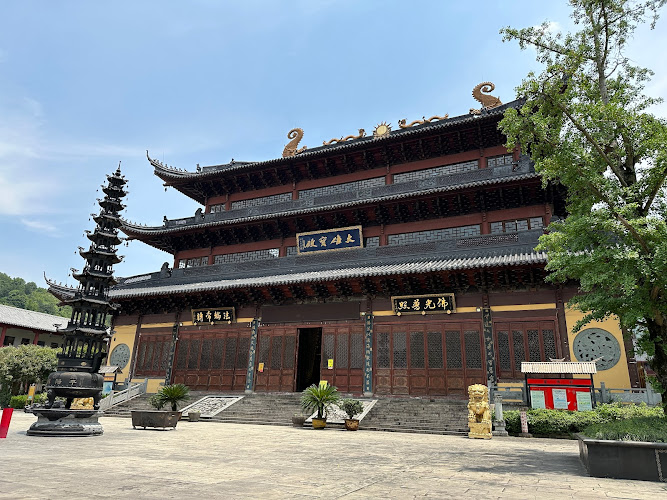
Pingyang Temple
-Shaoxing.jpg)
Baizhang Waterfall (Northeast Gate)

Keyan Scenic Area
Find Accommodations Nearby
Recommended Tours & Activities
Visitor Reviews
There are no reviews yet. Be the first one to write one.
Share Your Experience
Have you visited Xinchang County? Help other travelers by leaving a review.