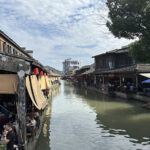
Shaoxing is a canal city in northern Zhejiang Province where stone bridges, black-roofed houses and low awning boats still shape daily life. It sits between Hangzhou and Ningbo, and it is best known as the hometown of the writer Lu Xun, a stronghold of Yue opera, and the source of the amber rice wine that carries its name. The old center is a place to walk slowly, read a little, and eat well.The city rewards travelers who like context. Its literary homes, calligraphy shrines and Southern Song garden mean more if you have read a Lu Xun story or two beforehand, while the quarried cliffs and lakes in the surrounding district give the trip a landscape counterpoint. It works as a standalone two-day stay, or as a calmer base than Hangzhou on a Yangtze Delta route, with fast trains making either approach easy.Where to Base Yourself & Key AreasThe most important decision is how much of your time you want to spend inside the old city versus the outer sectors. The central core is walkable, and staying near the canals lets you catch the lanes early and late, when day-trip groups are gone. Keyan, Anchang, Orchid Pavilion and Kuaiji Mountain are separate excursions rather than easy add-ons, so choose your base with that in mind.Area / CorridorBest Suited ForCharacter & AccessTrade-Off to KnowLu Xun Native Place & Cangqiao Street (old city core)First-timers, literature fans, walkersCanal lanes with white walls and dark tiles; Shen Garden is about a five-minute walk. Taxis and buses link it to both rail stations.Queues at the main sites and crowded lanes on weekends and public holidays.Canal-side lanes near the old centerCouples, photographers, slow eveningsGuesthouses and small hotels near water, good for dusk strolls and boat rides.Prices rise on holidays, and some rooms face lively streets.Shaoxing North Railway Station areaShort stays, rail-based itinerariesMain high-speed gateway north of the old city, with chain hotels and quick links to Hangzhou and Ningbo.Functional rather than atmospheric; you need a taxi or bus to reach the old town.East Lake & Kuaiji Mountain sideNature, history, quieter morningsQuarried cliffs, boat-threaded water and the Yu the Great sites on the city’s edges.Spread out, so plan transport rather than counting on walking between sights.Keqiao: Keyan, Jian Lake & AnchangSecond-day landscape trips, photographersWest of the center, with dramatic quarry rock, lake views and an old canal town at Anchang.Separate sectors; allow a half day for each rather than squeezing them in.Standout Sights & How to Pace Your VisitShaoxing is often misread as one big ancient town. In practice, the central heritage cluster around Lu Xun Native Place, Shen Garden and Cangqiao Street forms a compact walking route, while nearly everything else is a distinct outing. Give the center one unhurried day and choose one outward experience instead of stacking them all and spending the trip in traffic.Lu Xun Native Place: the writer’s family homes, Baicao Garden, Sanwei Study Room and the Xianheng Tavern from his story Kong Yiji. Arrive near opening to beat the queues.Shen Garden: a compact Southern Song garden tied to the poet Lu You and Tang Wan’s love story. The daytime visit is calmer, while the night performance is operated separately and costs more.Cangqiao Street and Bazi Bridge: the best places to see stone bridges, canal houses and boats in everyday use.Orchid Pavilion: the calligraphy shrine linked to Wang Xizhi, set among bamboo and streams and suited to a slower half day.Mausoleum of Yu the Great and Kuaiji Mountain: the legendary flood-control hero’s memorial, worth a dedicated trip outside the center.Keyan, Jian Lake and Anchang: quarry landscapes, lake views and a quieter old canal town in Keqiao district.With one day, start at Lu Xun Native Place soon after opening, walk to Shen Garden, then follow the canals around Cangqiao Street toward dusk. With two days, add a half day at Keyan and Jian Lake or at Orchid Pavilion. With three, add the Yu the Great Mausoleum and Kuaiji Mountain or an Anchang stroll, and keep one evening free for a long tavern dinner or a Yue opera performance if one is scheduled.Ticket rules change, and some sites use timed entry, combination tickets or separate evening admission. Check current details through official channels or at the gate before you go, and expect long lines on public holidays.Local Food Culture & Dining SceneShaoxing’s table is built around its rice wine, and the tavern tradition is the best way to understand it. Expect savory Zhejiang flavors: fennel-flavored beans made famous by Lu Xun’s Kong Yiji, stinky tofu, wine-braised pork, preserved vegetables, river fish and shrimp, and drunken dishes marinated in wine. The wine is typically served warm in small bowls and tastes mellower and sweeter than many first-time drinkers expect, so pace yourself.Dining clusters around the old-city lanes near Lu Xun Native Place and along the canals, where tavern-style restaurants sit beside snack stalls. Restaurants inside heritage areas are convenient but often busier and pricier, so walk a few blocks into residential lanes for more local menus. If you want to see how the wine is made, look for rice wine museums and tasting experiences, and confirm hours before making the trip.Getting There, Seasonal Timing & Practical TipsMost visitors arrive by high-speed rail. Shaoxing North is the main gateway on the Hangzhou-Ningbo line, with Hangzhou roughly half an hour away and Shanghai about 1.5 hours depending on the service. Central Shaoxing Station sits closer to the old city, so check which station your ticket uses. Hangzhou Xiaoshan and Ningbo airports are the nearest major air options. Within the city, taxis, ride-hailing and buses connect the sectors, while the old core is best covered on foot.Spring (March to May) and autumn (September to November) bring mild weather and the most comfortable walking. Summer is hot, humid and prone to heavy rain, and winter is damp and cool rather than severe. Public holidays and weekends are the real crowd problem, so aim for weekday mornings at the central sites. Hangzhou and Ningbo both work as easy add-ons, and Hangzhou’s West Lake pairs naturally with a Shaoxing stay.
 Real Journey Travels