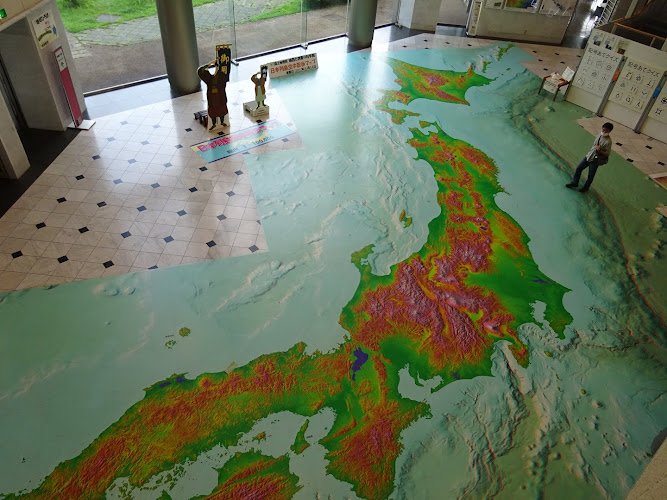
At first glance, it might sound a bit niche—maps, surveying, science—but once you’re in, it quickly becomes clear why it’s a favorite stop for curious travelers, families, and anyone who enjoys learning through hands-on experiences. The museum was Japan’s first dedicated to mapping and surveying, opening its doors in 1996, and it still feels fresh and relevant today. It’s not a dusty archive of old charts (though there are some fascinating historical maps on display), but rather a lively, interactive space where you can play with technology, explore geography, and even test your nerves on an earthquake simulation machine.
What I personally love about this museum is how it balances being educational with being genuinely fun. You don’t have to be a geography buff to get something out of it. Kids get wide-eyed at the giant 3D relief maps, while adults often find themselves geeking out over the precision of surveying instruments. And yes, there’s even a shop where you can pick up quirky map-related souvenirs—perfect if you’re the type who likes to bring home something more unusual than a keychain. The atmosphere is welcoming, the staff are approachable, and the whole place feels thoughtfully designed for visitors of all ages and abilities.
Now, is it perfect? Not entirely. Some exhibits feel a little dated, and if you’re expecting the scale of a big city science museum, you might find it smaller than imagined. But honestly, that’s part of the charm—it’s focused, manageable, and doesn’t leave you exhausted after a visit. The majority of visitors walk away impressed, and even those who had a few critiques usually acknowledge they learned something new. It’s one of those places where you leave with a fresh appreciation for how maps shape the way we see the world.
Best Time to Visit
If you’re planning a trip, weekdays are the sweet spot. The museum can get busier on weekends, especially with families and school groups, so going mid-week gives you more breathing room to explore at your own pace. Weather-wise, it’s a brilliant option for those sweltering summer days or rainy afternoons when outdoor sightseeing feels less appealing. I once ducked in here on a particularly hot August day, and it was a lifesaver—the air conditioning, the calm atmosphere, and the chance to just wander without sweating buckets. Spring and autumn are also nice because you can pair your visit with a stroll around Tsukuba’s parks and research centers, which are especially pretty when the cherry blossoms or fall leaves are out.
How to Get There
Reaching the Science Museum of Map and Survey is fairly straightforward if you’re already in Tsukuba. The city is well connected by the Tsukuba Express line from Tokyo, which makes it an easy day trip. Once you arrive at Tsukuba Station, local buses and taxis can take you directly to the museum area. If you’re driving, there’s accessible parking available, and the roads are well signposted. I’ve personally found driving around Tsukuba to be surprisingly stress-free compared to bigger Japanese cities—it’s spacious, organized, and the signage is clear even if your Japanese is rusty. For international travelers, I’d recommend using a transport app or checking routes in advance, just to make the journey smoother.
Tips for Visiting
First and foremost, give yourself at least two hours here. While it’s not massive, the exhibits are interactive, and you’ll want time to actually play around with them rather than just glance and move on. If you’re traveling with kids, this is a great place to let them burn off some energy while still keeping things educational. And don’t skip the earthquake simulator—it’s a bit of a thrill and one of the highlights that people remember long after their visit.
Another tip: bring a little snack or plan to eat before or after your visit. There isn’t a restaurant inside, though there are restrooms and vending machines. Tsukuba has plenty of good dining options nearby, so you won’t go hungry, but it’s good to know ahead of time. Also, if you’re someone who loves photography, the 3D maps and surveying instruments make for some really cool shots. Just be mindful of any no-photo zones.
Finally, don’t underestimate how much fun the shop can be. I once bought a map-themed notebook there that ended up being one of my favorite souvenirs from Japan. It’s those small, unexpected finds that make a visit memorable. And if you’re traveling with grandparents or anyone with mobility needs, rest assured—the museum is fully accessible, from the entrance to the restrooms, so everyone can enjoy it without hassle.
In short, the Science Museum of Map and Survey is one of those under-the-radar gems that quietly impresses. It’s educational without being boring, interactive without being overwhelming, and accessible in every sense of the word. If you’re heading to Tsukuba, it’s well worth adding to your itinerary.
 Real Journey Travels