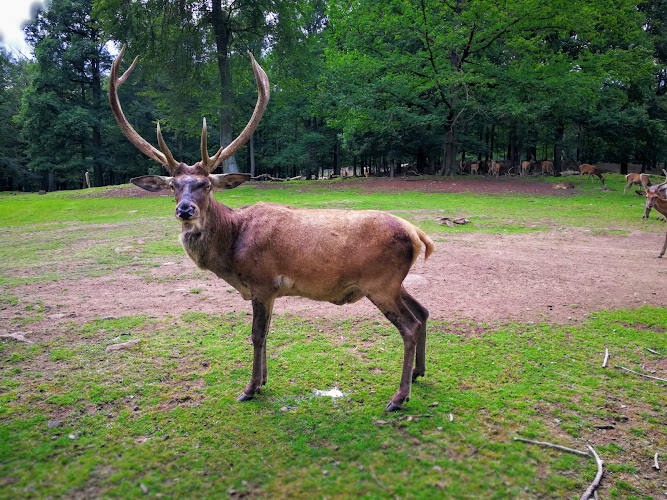
This wildlife park stands apart from traditional zoos by focusing exclusively on European species, many of which rarely get the spotlight they deserve. And honestly, that’s what makes this place so refreshing – you’re not going to find lions or elephants here, but what you will discover is far more meaningful.
The park serves as both a recreational destination and a conservation center, housing several endangered species including lynx and European bison (wisent). Walking through the well-maintained trails, visitors encounter these magnificent creatures in spacious, naturalistic enclosures that prioritize animal welfare over entertainment value. It’s the kind of place that reminds you why local wildlife conservation matters so much.
What struck me most about this park is how it seamlessly blends education with recreation. The attached Waldschule (forest school) runs programs that teach visitors about woodland ecosystems and wildlife behavior. But don’t worry – it never feels preachy or overly academic. Kids love the interactive elements, while adults appreciate learning something new about animals they thought they already knew.
Key Features
Wildpark Kaiserslautern delivers several distinctive experiences that set it apart from other wildlife attractions:
Best Time to Visit
Timing your visit to Wildpark Kaiserslautern can significantly enhance your experience, though honestly, each season brings its own charm. Spring emerges as the optimal period, typically from April through early June, when animals are most active and the woodland bursts with fresh green growth. The weather during these months usually cooperates perfectly – warm enough for comfortable hiking but not so hot that you’re constantly seeking shade.
Summer visits work well too, especially for families with young children who have more flexible schedules. However, I’d recommend arriving early in the morning during July and August. Not only will you beat the heat, but you’ll also catch the animals during their most active periods before they retreat to cooler spots during midday. Plus, there’s something magical about morning light filtering through the forest canopy that makes wildlife photography absolutely stunning.
Fall shouldn’t be overlooked either – the autumn colors create a spectacular backdrop for your visit, and many animals become more visible as the vegetation thins out. But be prepared for unpredictable weather. I learned this the hard way during an October visit when a sudden downpour turned my leisurely stroll into an impromptu mud-hiking adventure.
Winter visits offer a completely different perspective. While some outdoor activities might be limited, seeing native wildlife in their natural winter behavior patterns provides insights you simply can’t get during warmer months. The park typically maintains its trails year-round, though proper footwear becomes essential.
Weekday visits generally provide a more peaceful experience compared to weekends, when local families understandably flock to this popular destination. If you’re seeking those perfect wildlife photography moments or simply prefer a quieter nature experience, Tuesday through Thursday typically offer the best balance of accessibility and tranquility.
How to Get There
Reaching Wildpark Kaiserslautern proves surprisingly straightforward, with multiple access points designed to accommodate different visitor preferences and hiking abilities. The park’s location on Betzenberg hill means you’ll need to plan your approach based on how much walking you want to do before even entering the wildlife areas.
For those driving, two main parking options serve the park effectively. The primary parking area sits directly across from Gaststätte Quack on Entersweiler Straße – this option works particularly well if you’re planning a longer visit or carrying supplies for a picnic. The second access point runs through the residential Betzenberg neighborhood, which some visitors prefer because it offers a gentler approach to the park entrance.
Public transportation users will find the regional bus network connects reasonably well to the area, though you’ll still need to walk approximately 15-20 minutes from the nearest bus stops. The local transportation authority runs regular services that connect with Kaiserslautern’s main train station, making day trips from other German cities quite feasible.
If you’re staying in central Kaiserslautern, the walk to Wildpark makes for an excellent warm-up exercise. It’s roughly a 30-minute walk from the city center, mostly uphill, but the route takes you through some charming residential areas that give you a feel for local life. And honestly, arriving slightly winded makes you appreciate the park’s peaceful atmosphere even more.
For international visitors, Kaiserslautern’s proximity to major German cities makes it accessible by train. The city sits along important rail corridors, with regular connections to Frankfurt, Mannheim, and Saarbrücken. Car rental remains the most flexible option though, especially if you’re planning to explore other attractions in the Rhineland-Palatinate region.
Tips for Visiting
Proper preparation transforms a good visit to Wildpark Kaiserslautern into an exceptional one. First and foremost, wear appropriate hiking footwear – this isn’t a paved city park, and some sections can get muddy, especially after rain. I’ve watched too many visitors struggle with inappropriate shoes, missing out on the best viewing spots because they couldn’t navigate the natural terrain comfortably.
Bring water and snacks, even though picnic tables are available throughout the park. The combination of fresh air and walking works up an appetite faster than you’d expect. Plus, having refreshments gives you an excuse to linger in those perfect spots where you might spot wildlife behavior that hurried visitors miss entirely.
Photography enthusiasts should pack patience along with their cameras. Unlike zoo animals accustomed to constant human presence, the wildlife here maintains more natural behavior patterns. This means better photos if you’re willing to wait, but also means you might not see every animal during a quick walk-through. Early morning and late afternoon generally offer the best lighting and animal activity levels.
If you’re bringing children, take advantage of the educational opportunities rather than just rushing from enclosure to enclosure. The information displays throughout the park contain fascinating details about local ecosystems that even adults find engaging. And don’t skip the forest school programs if they’re running during your visit – they’re designed to be fun rather than lecture-heavy.
Dog owners should keep their pets leashed at all times, both for wildlife safety and out of respect for other visitors. The trails accommodate dogs well, but remember that this is fundamentally a wildlife conservation area where animal welfare takes priority.
Plan for at least 2-3 hours if you want to explore thoroughly without feeling rushed. The park’s size means there’s plenty to see, but it’s not so large that you’ll exhaust yourself. However, if you’re someone who enjoys combining hiking with wildlife observation, you could easily spend half a day here, especially during peak seasons when animal activity levels are highest.
Check the weather forecast and dress in layers. The forested areas can be significantly cooler than open spaces, and weather conditions can change quickly in this region. A light rain jacket proves invaluable even on days that start sunny.
Finally, consider visiting multiple times if you’re in the area for several days. Wildlife parks reveal different aspects depending on weather, season, and even time of day. What you miss during one visit might be the highlight of another, and the reasonable admission fees make repeat visits quite affordable for most budgets.
 Real Journey Travels