
Ukraine’s first ATO Museum
About Ukraine’s first ATO Museum
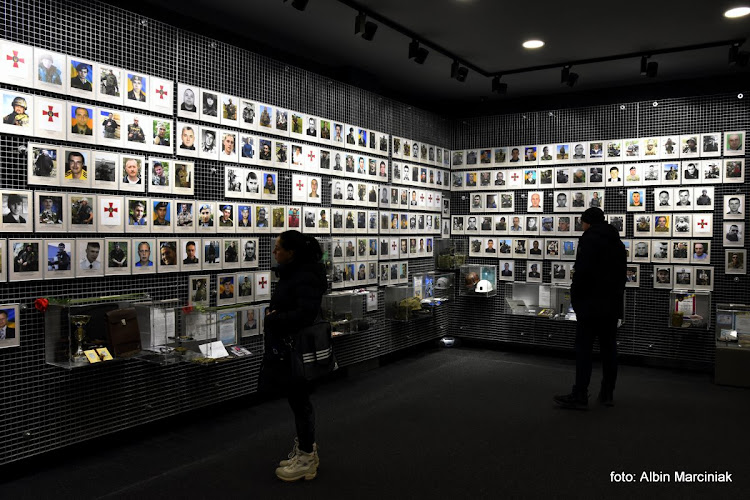
The ATO Museum in Dnipro is Ukraine’s first museum dedicated to the Anti-Terrorist Operation era and the larger recent conflicts that have shaped modern Ukrainian history. It is a place that aims to educate, commemorate, and provoke thoughtful reflection. Visitors often arrive expecting a dry military collection and instead find a layered, human-centered presentation: personal stories, multimedia testimonies, damaged equipment displayed not for spectacle but for memory, and curated exhibits that try — sometimes clumsily, sometimes brilliantly — to explain the scale and complexity of war, resistance, and resilience.
This museum sits in one of Ukraine’s major cities and functions as a local history point and an active cultural institution. The permanent exhibition mixes artifacts — helmets, uniforms, maps, improvised field equipment — with video interviews of soldiers, families, and medics. There are sections devoted to chronology, geopolitics, and the civilian experience: how towns changed, how daily life was interrupted, how communities adapted. Many of the displays are bilingual or come with English captions, though visitors should not assume everything is translated; pockets of Ukrainian-only text remain, which adds both authenticity and occasional frustration for non-Ukrainian speakers.
Accessibility was considered when the museum was designed: it offers a wheelchair accessible entrance, which matters. And yes, it matters a lot — both practically and symbolically — that people with limited mobility can enter and experience the exhibits. However, the building does not have an on-site restaurant or extensive café facilities, so plan accordingly if hunger pangs hit after an emotionally heavy tour. The site is child-friendly in the sense that staff expect school visits and there are dedicated zones that explain contemporary events in a more gentle, age-appropriate manner. Families will find parts suitable for younger visitors, though parents should use discretion since some artifacts and footage are intense.
Travelers should know that the tone of the museum is earnest and sometimes raw. It chooses to preserve the smell of reality rather than sanitize it. That means some imagery is confronting; it’s meant to be. Yet the curators balance shock with context — timelines, infographics, and first-person narratives help situate what might otherwise be overwhelming. For many international visitors, the museum becomes an essential primer on why the region matters geopolitically and why everyday people in Ukraine feel so strongly about sovereignty, identity, and freedom. Locals often say that seeing these objects and hearing these voices cuts through the noise of headlines.
From a traveler’s practical viewpoint, this museum is an efficient stop: most guests spend between one and two hours inside. A thoughtful visitor who watches several video interviews and reads much of the explanatory text will stay longer. There are rotating temporary exhibits and educational events, so repeat visits can reveal new material. The collection includes several pieces of military equipment displayed outdoors or in semi-covered areas; these exhibits are powerful photo opportunities, but visitors should be respectful when photographing sensitive items or when people are engaged in private reflection nearby.
What makes this museum stand out is its dual role as both archive and active memorial. It isn’t just showing objects; it’s collecting ongoing testimony and trying to record events as they unfold. That urgency gives certain displays a raw edge: hand-written letters, unsent postcards, and social media posts printed and framed as part of the narrative. A visitor once observed a child studying a soldier’s drawing and asking questions with the innocent frankness that only kids have. That small scene — simple, unscripted — captures the museum’s effect: it invites curiosity, empathy, and sometimes uncomfortable silence.
Another distinct attribute: the museum’s approach to storytelling. Instead of arranging everything chronologically in a linear tunnel, curators have interspersed thematic rooms that let you focus on leadership decisions, civilian resilience, medical responses, and restoration projects. This means you can drift from a room about frontline communications to a space about volunteer networks that knitted together logistics and humanitarian aid. It’s like reading a patchwork quilt of the modern conflict; and that patchwork, for better or worse, reflects the real, messy complexity of war.
Practical details matter here. The ticketing desk is straightforward; volunteers and staff are willing to answer questions. Expect a calm but solemn atmosphere. Many guides are former journalists, veterans, or historians, and their knowledge adds depth — ask for a guided tour if you can; the personal context they provide turns static exhibits into living testimony. Guides sometimes share small, human stories — of a teacher who converted a school into a shelter, or of volunteers who drove hundreds of kilometers with donated medical supplies. Those anecdotes stick with visitors long after they leave.
There are a few criticisms that appear in casual conversation among travelers: some say the museum could improve signage for foreign visitors, others wish for more interactive elements for kids, and a handful feel certain exhibits are emotionally one-sided. Those are fair points. The museum’s mission, however, is not to provide an abstractly neutral account but to preserve and present a community’s perspective on recent events. For many, that perspective is precisely what makes the museum compelling.
For the visitor who wants to go deeper, the museum’s collection includes curated documents that explain the wider historical context: Soviet-era references, regional industrial histories, and the evolution of military hardware. Dnipro’s industrial and strategic importance in Ukraine is woven into the story, reminding visitors that conflict does not happen in a vacuum. That extra layer helps travelers understand the broader forces at play — economic centers, transport hubs, and port cities — which in turn shaped why certain regions were affected the way they were.
Sound, light, and design are used deliberately. In quieter rooms, ambient audio plays testimonies low enough to hear but not shout. In a few spaces, the lighting is intentionally dim, so the visitor slows down and reads carefully. It’s not museum theater, exactly, but it’s close: carefully chosen to make the stories land. A travel writer once admitted they left the museum feeling both exhausted and strangely hopeful — tired from the emotional weight, hopeful because ordinary people were visible in the narrative as helpers, caregivers, and civic actors.
While planning a visit, travelers should combine their museum stop with other local experiences. The city offers river views, historical architecture, and markets that show everyday Ukrainian life. But even if someone’s schedule is tight, the ATO Museum is worth carving out time for because it provides a grounded, human-scale perspective on a conflict that has dominated headlines for years. It’s not just about battles and maps; it’s about people — artisans turned first responders, grandparents opening their doors to strangers, and children drawing pictures that become exhibits.
Finally, remember this: museums that deal with recent conflict often change the most. New donations arrive, new testimonies are recorded, and exhibits are updated. So what a traveler sees on one visit might differ the next time. That makes the ATO Museum feel less like a static attraction and more like an ongoing conversation — messy, heartfelt, imperfect, but important. If a traveler leaves with questions, that’s actually a good sign: curiosity and discomfort are signs the museum did its job.
In sum, the ATO Museum in Dnipro offers visitors an emotionally honest, well-curated, and educational experience. It is accessible, suited for family visits when guided, and serious about its mission to document and remember. Travelers who care about contemporary history, human stories in wartime, or Ukrainian civic life will find it a meaningful stop. And if one comes away a bit unsettled — well, that reaction is part of the point. The museum asks people to look, to listen, and to reckon with what they see; and that is something more attractions should dare to do.
Key Features
Ukraine’s first ATO Museum
You Might Also Like
750 Rokiv Mistu Novohrad-Volynsʹkyy
Akvapark Terminal
Aqua Rio Park
Tours & Activities
GetYourGuide provides this tour inventory. We may earn a commission if you book through it; verify current availability, prices, and terms with the provider.
Visitor Reviews
There are no reviews yet. Be the first one to write one.
Share Your Experience
Have you visited Ukraine’s first ATO Museum? Help other travelers by leaving a review.