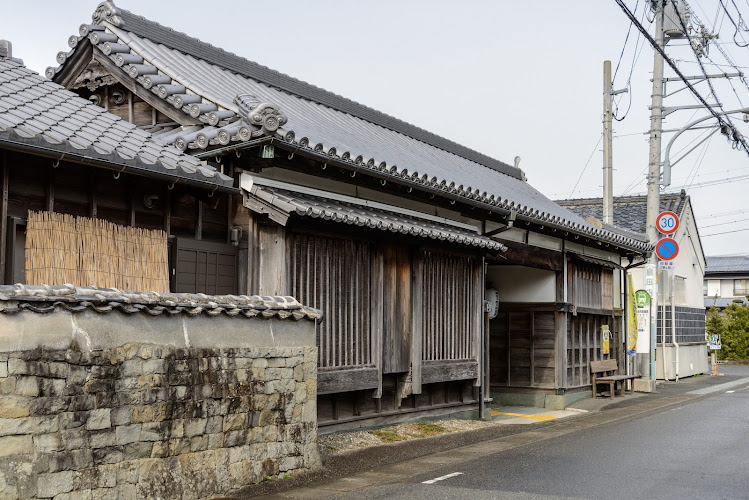
Visitors will find a place where wood, cloth, music and storytelling meet—puppets that are old enough to feel like family heirlooms, a modest stage where puppeteers still perform live, and displays that quietly explain regional history. The tone here is intimate rather than grand; think of it as a living room for an art form that has been practiced and tweaked for generations.
The museum and theatre together tell both the story of how these puppets are made and the stories the puppets have told. There are cases showing carved heads, costumes, and props, and there are demonstrations and live performances that reveal the skill involved: how three puppeteers operate one puppet, how the chanter and shamisen shape the scene, and how timing—so subtle—is the real secret. The writer remembers once watching a single scene and feeling the hair on their arms stand up; not because it was scary, but because the atmosphere and the music did something quietly powerful. The place has that effect on people who like things that unfold slowly and reward patience.
Visitors who come expecting a huge museum with wide aisles and flashy tech will be surprised. This is more human-scale, more workshop-than-museum in many ways. But that’s part of the charm. The stage is used for regular performances which often run for a short, concentrated time—perfect for travelers who want to experience traditional puppetry without committing an entire afternoon. The venue makes a point of being accessible, and many families bring kids because the visual nature of the performances holds attention. At the same time, there are a few practical limits: facilities are straightforward rather than luxurious, and meals aren’t served on site, so plan accordingly.
There is a quietly proud local feeling here. The staff tend to be dedicated and knowledgeable, sometimes a little shy with tourists, but helpful if you ask questions. English resources can be limited; however, gestures, demonstrations, and the visual power of the puppets bridge a lot of language gaps. For travelers curious about Japanese performing arts beyond the big-name bunraku and kabuki, this place is a genuine window into a regionally rooted tradition. And yes—if someone at home asks whether it’s worth the trip, the answer from most visitors is a quick yes, especially if they enjoy close-up cultural experiences rather than blockbuster attractions.
Key Features
- Opportunity to observe traditional puppet craft up close—perfect for photography enthusiasts who focus on detail (when allowed).
Best Time to Visit
For comfort and the best chance of catching a live performance, mid-morning to early afternoon on weekdays is often the sweet spot. Weekends and national holidays can be busier, and while a busy theatre feels lively, it also changes how intimate the experience feels. If you have some flexibility, aim for spring or autumn when Tokushima’s weather is mild; summers can be hot and humid and winters get cool and a bit damp, though performances still run year-round.
Timing can also be tied to local events. The area pulses with seasonal rhythm—there are flamboyant moments like the Awa Odori festival elsewhere in the prefecture that draw crowds. Visiting outside major festival dates means quieter streets and an easier time finding nearby cafés or taxis. Also, try to arrive a little before a scheduled performance. The space is intentionally up-close; arriving early lets you pick a seat with the best view of the stage mechanics and the puppeteers’ subtle handwork.
If the visitor is traveling with children, consider catching an earlier show; little ones often do better earlier in the day. And if someone is particularly interested in the craft side—puppet-making, costume details, the joinery on the heads—plan for a slow, unhurried visit. The museum is compact, but dense with detail, so allow time to read the displays and to linger near the cases.
How to Get There
Travelers usually reach the Tokushima Prefectural Awa Jurobe Yashiki from central Tokushima by a short drive or a local bus route. From Tokushima Station, a taxi is the fastest, simplest option and will drop visitors close to the entrance; buses serve the wider area and are an economical choice for those who like using public transit. The venue offers accessible parking so driving is comfortable for visitors with mobility needs.
For people using regional trains or traveling across Shikoku, this site is commonly combined with other nearby cultural stops—museums, traditional crafts centers, and local markets—making it a sensible half-day or full-day excursion depending on how many other places are on the itinerary. Do note that signage in English may be limited once you leave major transport hubs; a map app or a paper map is handy. Also, taxis in Tokushima tend to be polite and patient; drivers will often help with basic directions and local tips.
When packing directions into a travel plan, leave a cushion of time for transfers. Public transit schedules can be sparse in rural areas, and shows start on schedule—arriving late might mean missing a performance. If using a rental car, parking is straightforward and the wheelchair accessible parking space is a practical bonus for many visitors.
Tips for Visiting
Plan ahead for performances. Check the schedule before you leave and, if possible, book or reserve seats—especially when visiting on weekends or during local festival times. Shows are short but concentrated; they’re designed to give visitors a meaningful taste without demanding a huge time commitment. The writer once squeezed a visit between two other stops and ended up staying longer than planned because the performance pulled them in; don’t be surprised if this happens to you.
Bring cash and small bills. While exact payment options vary, V-Money is not accepted and some smaller transactions at local souvenir corners or nearby shops may prefer cash. Don’t rely solely on mobile payment unless you’ve confirmed it ahead of time. Also pack light snacks if you have dietary needs—the museum itself doesn’t serve meals.
Respect the performance etiquette. These are living traditions and many visitors find the atmosphere quiet and focused. Turn off phones, avoid flash photography during performances, and try not to disturb other viewers. Children do well here, but a little pre-show chat about staying seated and listening to music helps make the experience smoother for everyone.
Use the accessible features if needed. The entrance and parking are wheelchair accessible, and the layout is manageable for those with limited mobility. Still, spaces can feel compact during a performance, so arriving early to get settled can make a big difference. Staff are usually accommodating and helpful if asked.
Ask questions. The staff and volunteers often enjoy explaining how the puppets work and what the small details mean. Even if English is limited, gestures, demonstrations, and a few shared smiles can communicate a lot. Museums like this one thrive on curiosity; the more questions visitors ask, the richer their visit becomes.
Combine it with nearby cultural experiences. Tokushima has a range of craft and food scenes—think indigo dyeing and local noodle dishes—that complement a visit to a puppetry museum. Plan meals and transport between sites, because the lack of an on-site restaurant means you’ll be glad to have a plan for lunch or coffee after the show.
Finally, allow time for souvenir browsing. The gift area tends to be small but thoughtful: books, small handcrafted items, and miniature puppet souvenirs make meaningful keepsakes. These are more authentic than mass-produced curios, and purchasing one helps support the people who keep the tradition alive.
In short, the Tokushima Prefectural Awa Jurobe Yashiki offers a compact, sincere encounter with Japanese regional puppetry. It rewards slow-looking, quiet attention, and is especially satisfying for travelers who appreciate craft, live music, and history handed down through performance. Expect warmth, a few practical limits, and an experience that lingers longer in memory than it does in the schedule book.
 Real Journey Travels